The Power of CPR

Mason Thorson dialed in his settings, started his treadmill workout at a Rapid City gym, then collapsed. The fact that he was in medical distress and in need of assistance was immediately apparent. Nathan Svendsen and Matthew Dey, two fellow gym members and Monument Health Physical Therapists, answered the call.

As outpatient PTs at Sturgis Hospital, Nathan and Matthew have CPR training. So, while Nathan began administering chest compressions, Matthew rushed out to a nearby supermarket to see if he could track down an Automated External Defibrillator (AED). Chest compressions are exhausting to perform, so luckily for Nathan and Mason, another Caregiver jumped in to help save Mason’s life. Robert Baune, PMHNP-BC, a Psychiatric Mental Health Nurse Practitioner at MWI – Rapid City relieved Nathan. By virtue of his career, Robert also has CPR training. With Robert and Nathan working together, Mason’s chances of surviving until Emergency Services arrived vastly improved.

First responders fitted Mason with a Lund University Cardiopulmonary Assist System (LUCAS) device, which provides automatic chest compressions, then whisked him away to the Emergency Department where he was eventually diagnosed with Pulseless ventricular tachycardia (V-Tach without a pulse) or, in layman’s terms, cardiac arrest.

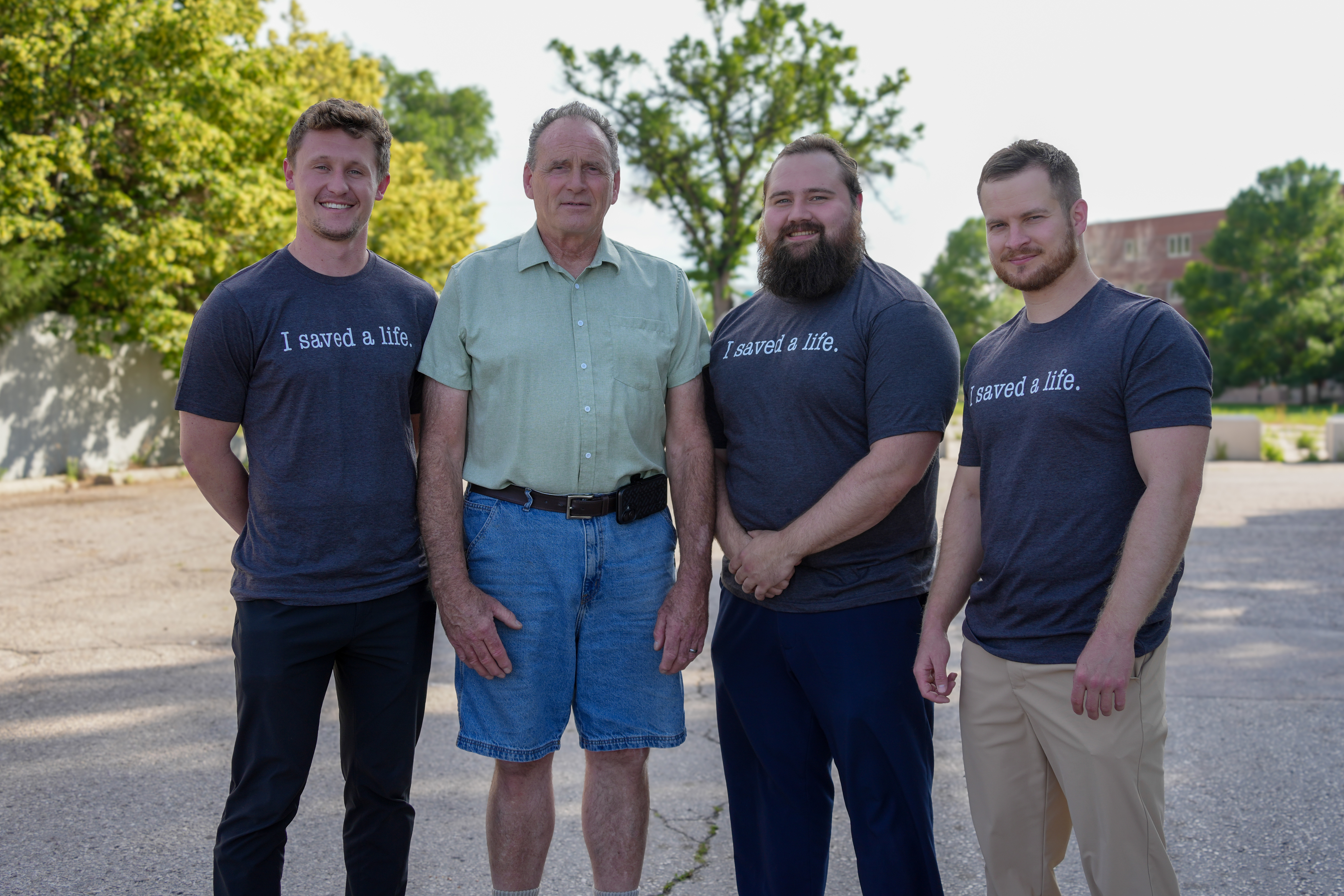
(L to R): Nathan Svendsen, PT, Matthew Dey, PT, Mason Thorson and Robert Baune, PMHNP-BC

Fourteen minutes.

That’s how long it took the first responders to arrive. Not a very long time, all things considered. For Mason, though, it was the literal difference between life and an outcome that is awful to contemplate.

Because of Nathan, Matthew and Robert, Mason was able to celebrate his 47 years of marriage to his wife, Karen, just two weeks after his heart episode. “We were at the doctor on our anniversary, but I couldn’t be happier, because it was a lot better than alternative,” Mason says with a laugh.

Miraculously, Mason suffered no brain damage because he was not without oxygen for a significant amount of time.

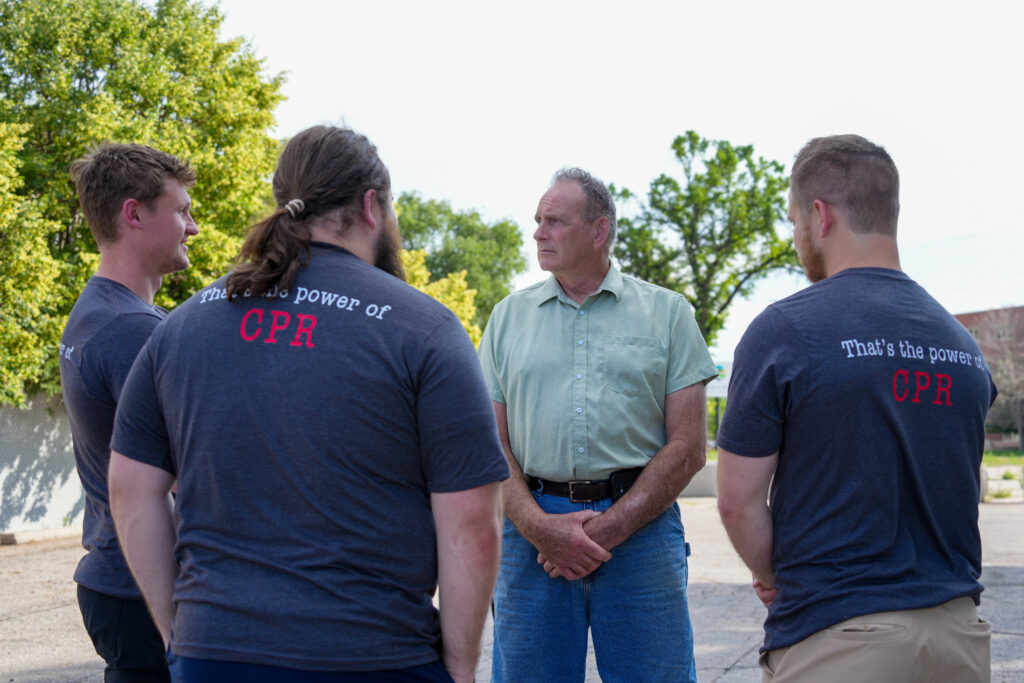
On June 30, almost six weeks to the day after Mason’s cardiac emergency, he reunited with Robert, Nathan and Matthew near the gym where they all first met, albeit in far less jovial circumstances. Mason introduced the Caregivers to his wife, their daughter and their daughter’s family. Gratitude was abundant. Hugs were shared. The three lifesavers were presented with custom T-shirts, which read: “I saved a life” on the front and “That’s the power of CPR” on the back.

Mason’s family praised “the boys” as (Karen has come to call them) for their decisiveness and bravery. They shared that they have had moments of clarity since the events of that day that reminded them of what they’d be missing without Mason around — little things, like receiving his check-in texts or asking him for help move office furniture — the things about people you love that you take for granted.

The thoughts of life without Mason really drove home the significance of CPR training.

“I’ve done CPR training, and I have to admit I didn’t take it as serious as I should have, knowing what I know now,” says Mason. “So, I think it’s good for people to do the training, because you just never know when you could use it. Certainly, if none of these guys were there, I don’t think I would have made it.”

Learn about CPR training on the American Heart Association website.

Story by Kory Lanphear

Photos by Erika Bratten-Cianca
Cancer Research Thrives at Monument Health

May is National Cancer research month, though when the average person thinks of Monument Health, they probably don’t think about cancer research. 

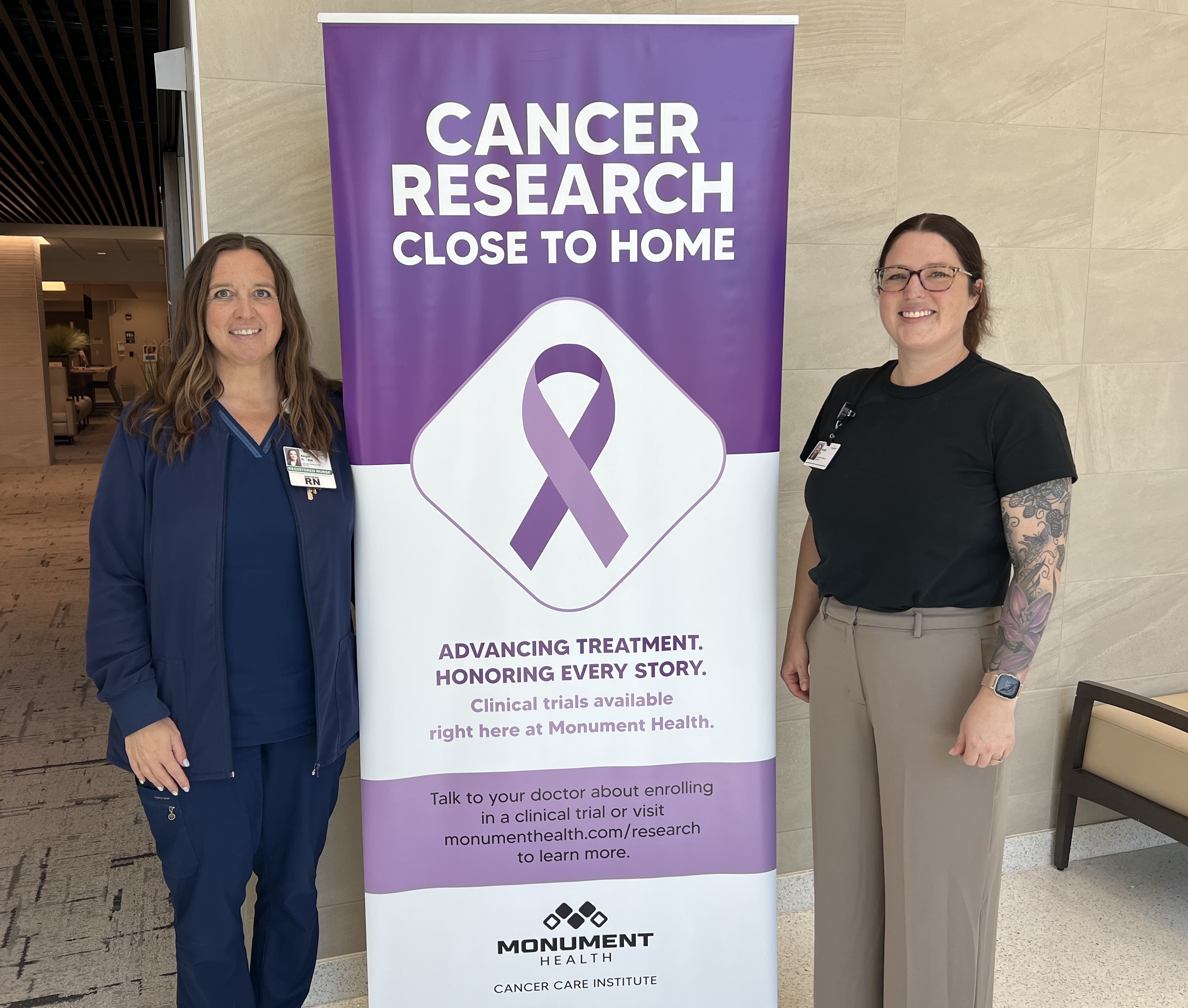
However, the work of Angie Dunbar, RN, BSN, CCRP, and Annie Brinson, CCRC, Supervisor of Clinical Research and all of the Physicians and Caregivers at the Cancer Care Research Department makes a massive difference, worldwide.

The drugs that pharmaceutical companies develop need extensive research and testing to determine whether they are effective in providing the health care solutions for which they were created. Part of that research and testing is administering the drug to select patients and tracking the results. Pharmaceutical companies also want to ensure that they’re not only getting results from larger metropolitan centers, where research typically takes place, so the Black Hills is a desirable locale for cancer research clinical trials because of our rural population. As a result, the Cancer Care Research Department at the Cancer Care Institute (CCI) has many different clinical research trials consistently available for volunteer cancer patients.

“Pretty much all of our cancer providers are able to offer a patient the option to be part of a clinical trial, in addition to the standard of care for their particular cancer,” says Angie.

“You don’t get to pick when you go on a clinical trial. They’ll randomize you,” adds Annie. “There are strict criteria. The trial has to be very closely matched to your particular case and your type of cancer.”

The trial therapies are monitored by department nurses like Angie to track patient response to the medication and to record any side effects. That data is sent to the administrators of the trial. The same trial can be going on for many years and in many locations before there is a definitive determination about the drug.

For patients, taking part in a clinical research trial does not guarantee results. “The coolest thing about our patients here is that they always say, ‘Even if it doesn’t help me, it will help my children and the next generation.’ And if they can be a part of that, absolutely they want to,” says Angie.

Most recently, Cancer Research was involved in two successful trials. The first, atezolizumab, is a drug for stage three colon cancer patients who met certain conditions which put them at higher risks. Standard chemotherapy doesn’t target cancer specifically. Rather, it indiscriminately attacks all rapidly reproducing cells, even healthy ones, which causes a host of side effects. Atezolizumab targets the cancer itself.

The second therapy, relacorilant, specifically targeted elevated cortisol, lowering the levels in patients and, as a consequence, showed that it improved the body’s ability to fight cancer.

Both therapies, which were given in addition to standard cancer therapies like chemo or radiation, were successful in their clinical trial goals. Thanks in part to Monument Health, both are now on the pharmaceutical market and are even in use at CCI.

“That we’re able to offer these cutting-edge treatments as part of clinical trials here is pretty amazing, because otherwise, you’d have to go to Mayo Clinic or Denver or one of the bigger cities to be a part of that,” Annie says.

“We’ve had several patients that have gone to Mayo Clinic because they wanted to be part of trials there,” says Angie, “and their provider there has straight up said, ‘you need to go back, be around your family and get that treatment at home, because there is clinical research in Rapid City, and those trials are open.’”

Caregivers interested in learning more about working in clinical research are advised to reach out to the department. There are positions available for those with only high school diplomas all the way up to physician-level training. “We often have roles come up that don’t require any certification to start. We help you get certification as part of your training,” Annie says.

Photo and story by Kory Lanphear

Meaningful Donations to Behavioral Health

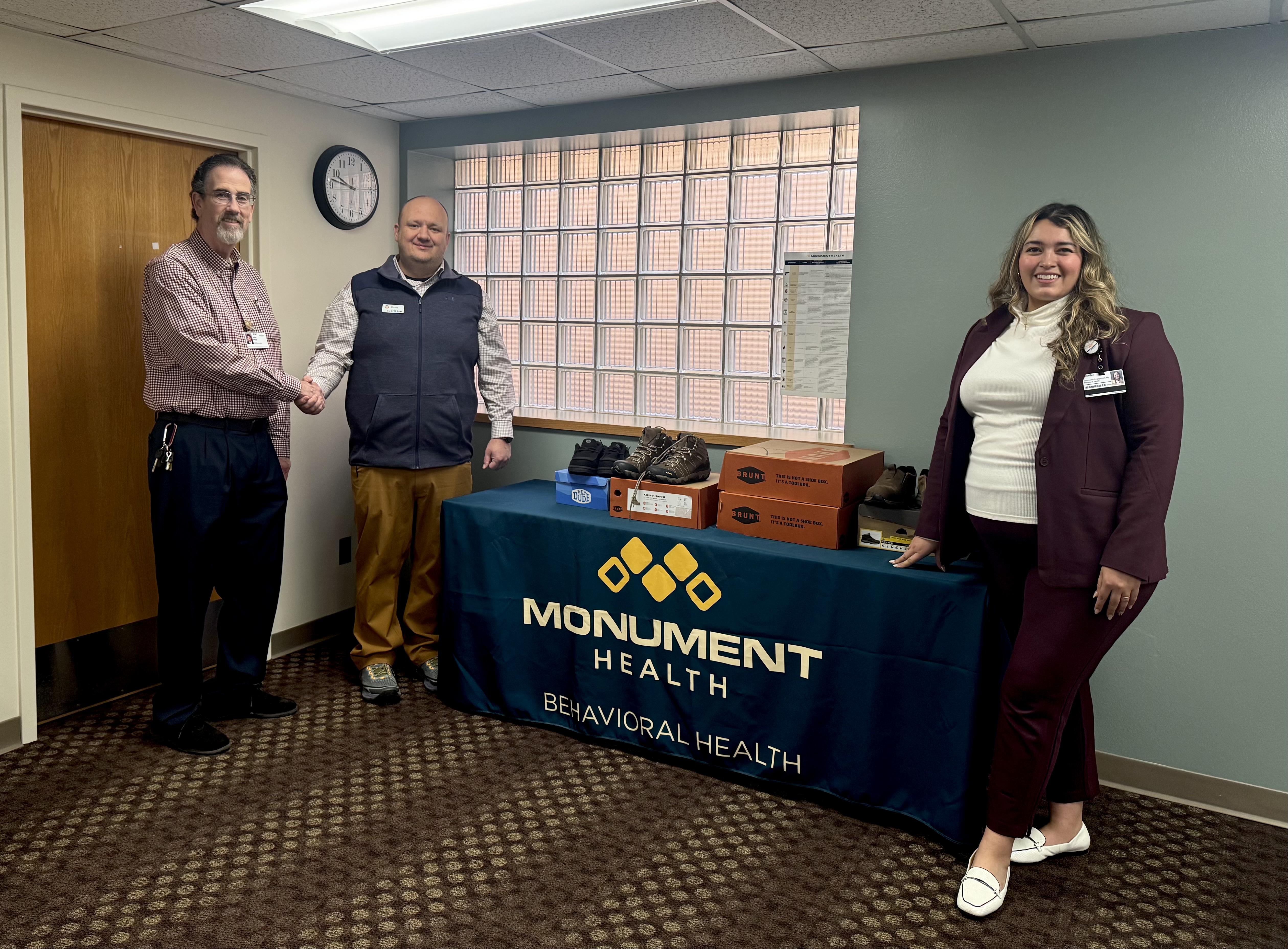
In January, Trav’s Outfitter of Rapid City donated a collection of men’s boots and shoes to support Behavioral Health’s Inpatient Clothing Boutique, which will help patients as they transition back into the community after treatment. In addition, Trav’s Outfitter committed to a quarterly donation partnership, strengthening Behavioral Health’s efforts to continue meeting patient needs throughout the year. 

Ellsworth Air Force Base families also donated a total of 1,053 children’s and adult clothing and shoe items to the boutique from December to February. These items directly support individuals under inpatient care who are in need of basic essentials.

In addition, Park Bench Apparel/A&J Screening donated boxes of shirts in late January and again in early February.

“Park Bench Apparel/A & J Screening is one of the vendors used for GEAR store merchandise. Using donated Behavioral Health funds, the Foundation had been purchasing clothing items for patients in need,” says Darlyce Bollwerk, Executive Assistant, Monument Health Foundation. “Knowing that custom apparel vendors often have misprinted merchandise, we approached Park Bench to ask if they would be interested in donating those kinds of items. Without hesitation, they contributed several boxes to benefit patients at Behavioral Health.” 

The Inpatient Clothing Boutique serves as a discreet resource for Caregivers when patients have limited personal belongings or need fresh clothing after their stay. Through this program, patients are able to leave treatment with clean, seasonally appropriate attire.

“Each year, Behavioral Health serves an average of over 1,500 inpatients, many of whom are suffering personal and financial setbacks, on top of their health crisis,” says Jennifer Cortes, Community Engagement Manager at Behavioral Health. “Donations from the community provide warmth, dignity and comfort. They truly make a meaningful difference in the patients’ lives.”

Charitable donations are honorarily received through Monument Health Foundation. All donors receive a tax-deduction acknowledgment for their generosity. Inquiries about donations, whether clothing, financial or otherwise, can be directed to foundation@monument.health

Story by Kory Lanphear

Photo submitted

Laboratory Superstar

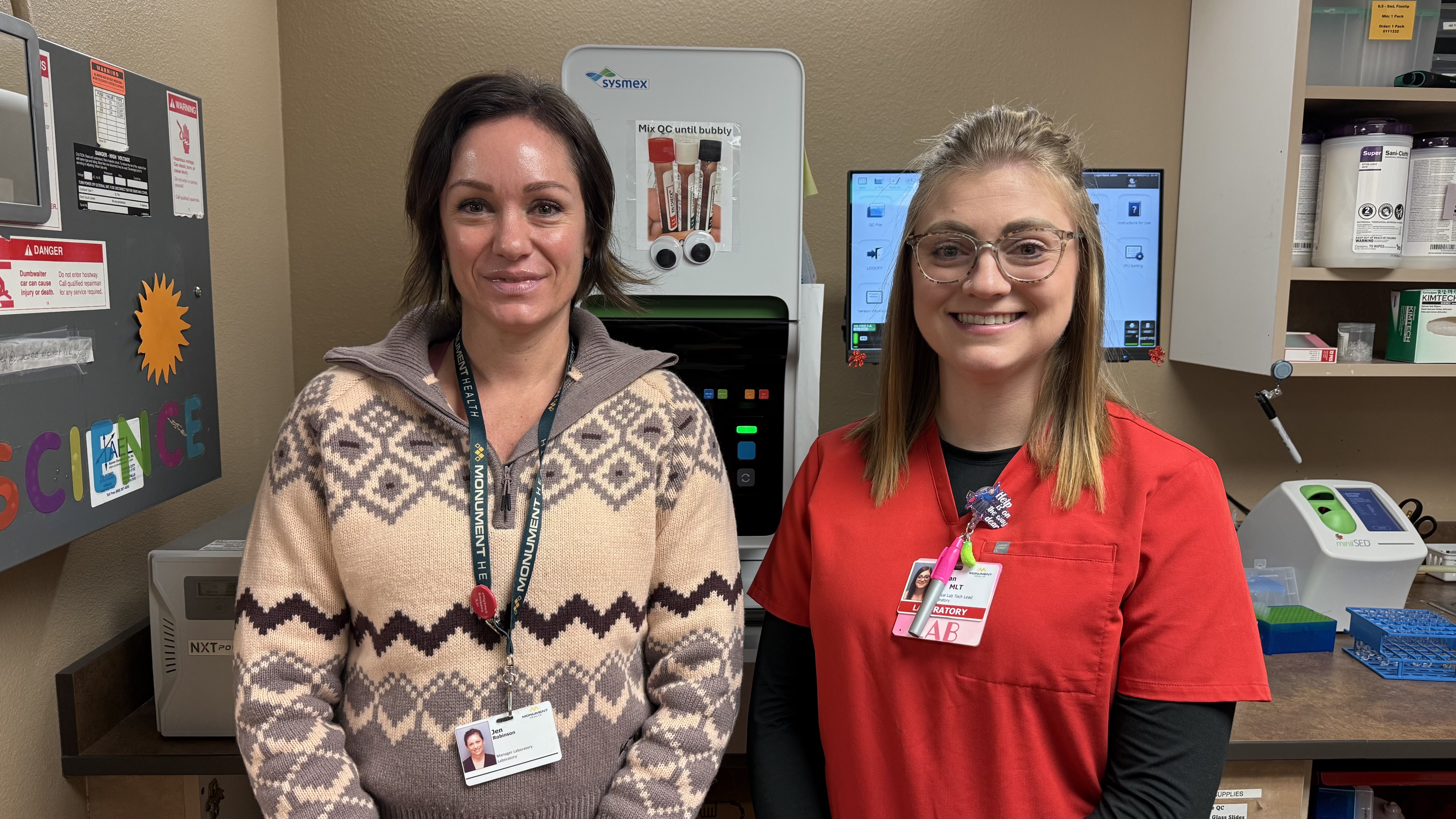
Jillian Westover, Laboratory Technician Lead at Spearfish Clinic 10th Street, didn’t even know she had been nominated when she received notice that a colleague had put her up for the American Society of Clinical Pathology (ASCP) Laboratory Superstar award.

It made sense, though, to Jillian’s boss, Jen Robinson, Manager Laboratory for all of Spearfish and Belle Fourche. “In a bigger lab, you have a quality manager, you have a technical manager, you have a lab assistant lead. Jillian is the catchall for a lab our size,” says Jen. “Jillian just continues to bring really good ideas, She’s always looking for process improvement and change-opportunities. She teaches people and leads by example.”

As the only Lead Tech in Spearfish, Jillian oversees about a dozen lab Caregivers. She does a little bit of everything — manages QC or works on scheduling and paperwork. She helps lab assistants draw blood or run blood tests. She also trains all of the new hires and is considered the go-to technical expert for the lab.

Born and raised a Spearfish Spartan, Jillian attended Mitchell Technical College. She then moved back to Spearfish where she initially worked with Monument Health from 2018 to 2021, then left to be a traveling Lab Tech. When she became pregnant with her daughter, Jillian and her husband returned home and resumed work at Monument Health in 2023.  

The final Laboratory Superstar votes were tallied last December and Jillian was named one of ten runners-up. She received a certificate and recognition on ASCP’s Facebook page. “It’s great to put on my resume in the long term. And it’s personal that I know that people see what I do every single day,” she says. 

It’s a national award and it’s also people’s choice, so her time as a traveler probably helped her out, too, Jen says. Indeed, Jillian confirms that she is still in touch with a lot of her friends from her traveling days, so when they found out she was nominated, they likely cast votes of support.

Yet, it’s not Jillian’s popularity that makes her deserving of such prestigious recognition, it’s the abilities and dedication that she demonstrates every day. For example, she was the first Caregiver in Spearfish to qualify for the Laboratory Technical Professional Development Ladder, a new program at Monument Health that is similar to our Nursing Ladder. 

As part of her ladder efforts, Jillian noticed that the organization was sending a lot of Helicobacter pylori tests to Mayo Clinic. She did a cost analysis and concluded that it would be financially beneficial — and more timely — to do those tests in-house. And so, Spearfish’s 10th Street clinic became the only lab within Monument Health that runs H. pylori growth tests. That means that every H. pylori test performed at Monument Health goes through the Spearfish lab.

Another inefficiency Jillian helped to identify: the significance of a price increase in the aliquot lab tubes that the system buys. She brought the issue to Jen’s attention. “We reached out to Laboratory Supervisor Michelle Carroll in Rapid City and she asked Supply Chain to shop around,” says Jen. “They discovered we could order them in a larger quantity for cheaper. So Jillian helped the organization save money on that, too.”

In the future, Jillian plans to sit for the Medical Laboratory Scientist (MLS) certification and perhaps go into leadership to further her already promising career.

Story and Photos by Kory Lanphear

Great Vibes at Infusion Services

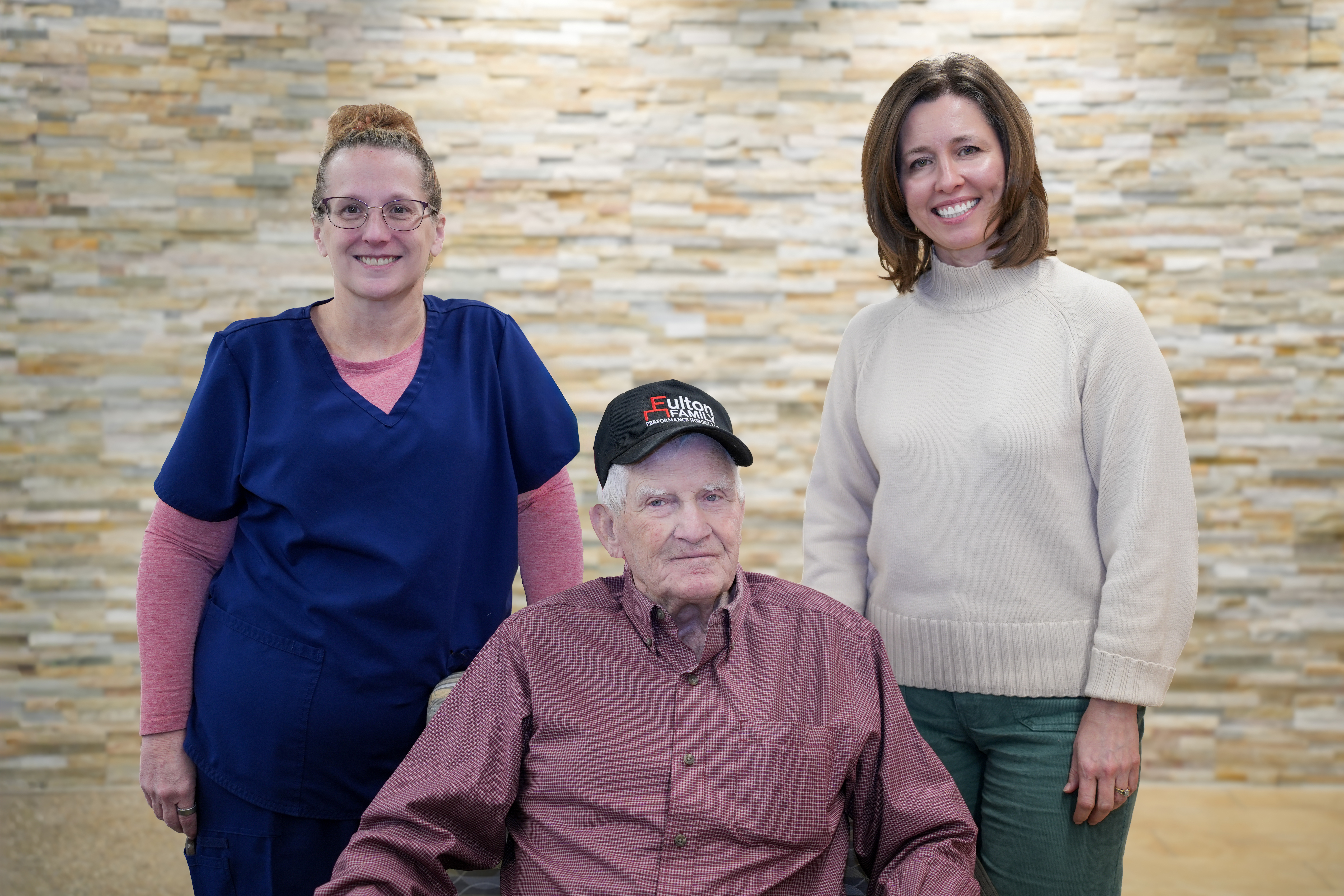
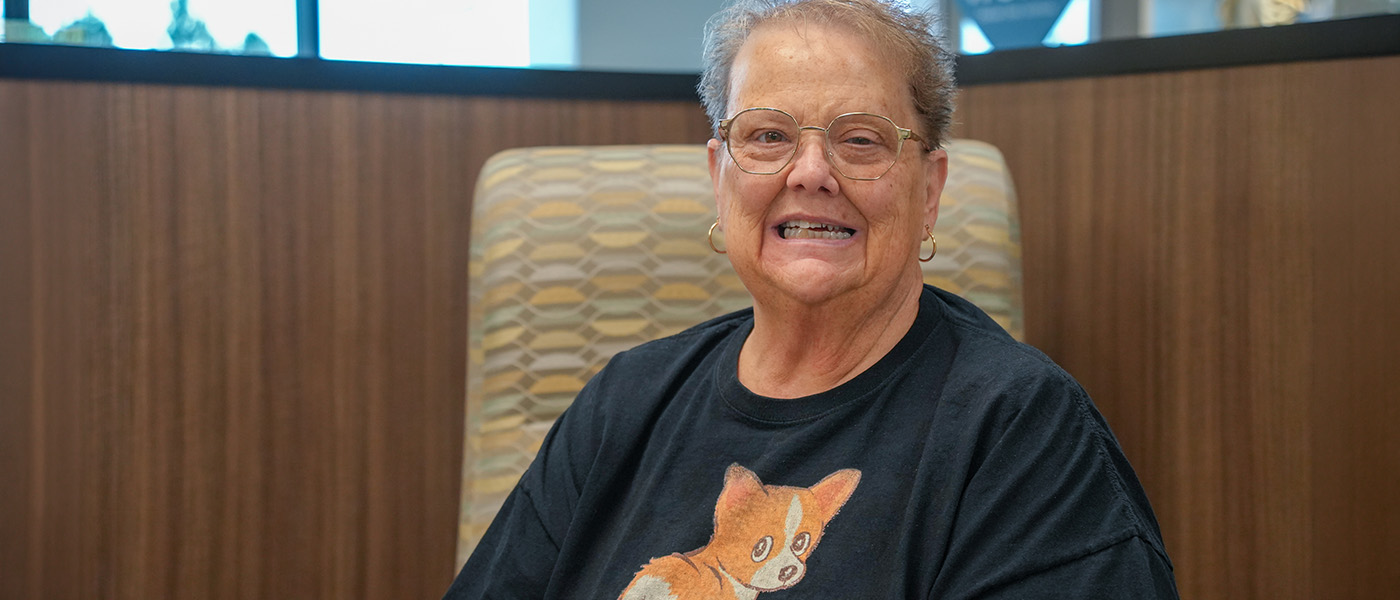
George “Bunk” White has been receiving treatment at Rapid City Hospital’s Infusion Services for around 10 years. 

“They have one thing in mind, and that is patient care. That’s it. And I have never seen a group of people that work together so well. They really, really like what they’re doing,” he says. “I can go in there and not feel that great and — there’s an old hippie term, the vibes — there’s great vibes in there.” 

Bunk credits the great vibes to the team at Infusion Services. Recently, he asked to speak to the people in charge. That would be Brandi Tackett, Director Infusion Service and Kimberly Lyons, Manager Nurse Ambulatory Operations.

“You get a little worried when a patient wants to speak with you,” jokes Brandi. However, Bunk only wanted to sing the praises of the Infusion Caregivers.

In his twenties, Bunk, 83, was diagnosed with Meckel’s diverticulum, a bulge in the inner wall of the small intestine, which required many surgeries and hospitalizations over the years. As a result, Bunk was left with only around four feet of small intestine (the usual length is about 20 feet). He now has short bowel syndrome, a condition which makes getting appropriate nutrition challenging. It also leaves him more prone to infections. So, about once a month, Bunk and his devoted wife, Cheryl, make the 45 minute drive from New Underwood for Bunk to get infusion treatments.

Infusion Service’s daily staff consists of nurses, CNAs, a pharmacy, registration and business support staff. Sometimes they can treat up to 70 patients a day. Chronic patients may have neurologic conditions such as multiple sclerosis, rheumatoid arthritis, ulcerative colitis or an immune deficiency. They also see patients straight out of the hospital who need, say, weeks of IV antibiotic therapy due to infection. Or they treat patients in need of electrolytes due to acute illness. 

“What I’ve learned as I’ve worked with the team, watching them work together is that it’s seamless, and they really love their jobs,” says Kimberly.

“We have a variety of staff, a variety of ages, a variety of years of experience. There’s a lot of laughter and a lot of catching up with people. We do have patients that become like family because they come back month after month, so you hear about their grandkids and their vacations and their illnesses,” adds Brandi.

At his January appointment, Infusion Services Caregivers celebrated Bunk’s birthday, complete with balloons and a cake.

Even though he was a high school counselor in Pine Ridge for 35 years and the owner of two master’s degrees, Bunk still couldn’t have told you what infusion was before he needed it. Yet, after almost six decades of medical care, he knows quite a bit about being a patient, so his opinions about Infusion Services are well-informed.

“It never seems like it’s busy. It’s just a well organized machine with the humanism in it,” Bunk marvels. “To me, good medical care is when you have complete trust. And I really do. From my viewpoint, please don’t change anything.”

Story by Kory Lanphear

Photo by Erika Bratten-Cianca

State Grant Helps Cancer Transitions Program

Getting diagnosed with cancer is world-shattering. Many people, though, often don’t realize that cancer survivors may still struggle. Physical, mental, neurological and financial after-affects linger, sometimes permanently. Cancer survivors need continued support and they need it from those who understand what they are going through.

This is the guiding motivation for the Cancer Transitions, a four-week program to help cancer survivors move from treatment into active survivorship. Survivors will learn post-treatment skills concerning lifestyle, exercise, nutrition and coping. Perhaps most importantly, the program will be attended by other survivors with whom they can share and share alike.

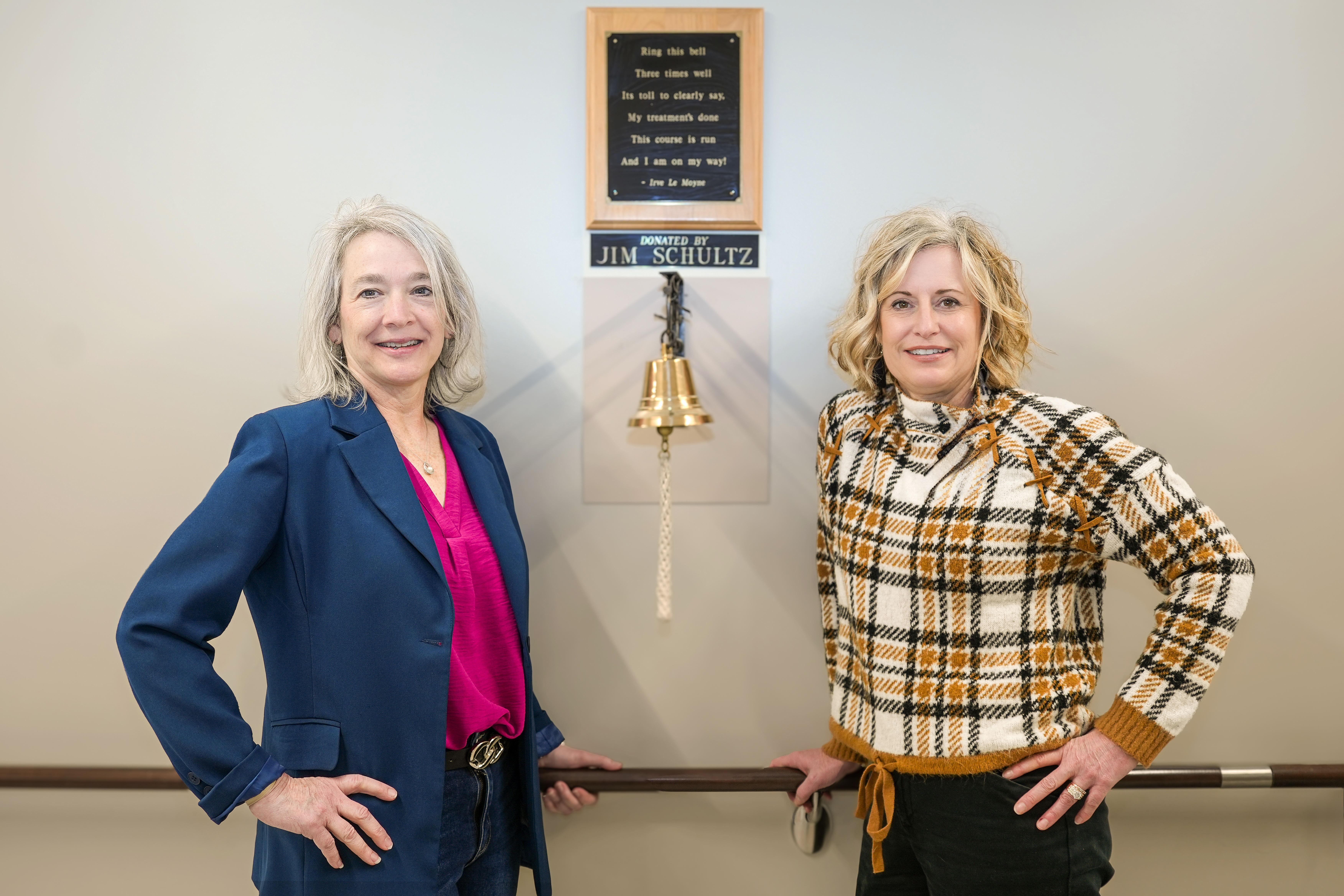
“This program is funded through a state grant that we applied for with the Cancer Coalition,” says Kristi Gylten, Director Cancer Care Institute at Rapid City Hospital. “One of their strategic goals is to increase the number of survivorship visits in the state, but the resources and the attention around survivorship can pose a challenge for a variety of reasons, and there isn’t a great understanding of what transpires after treatment.” 

Cancer Transitions Instructor Doris Cardwell was diagnosed with Breast Cancer in 2007 at age 38, so she has insight on the challenges of being a survivor. 

“Cancer treatment is very individualized; it’s different for everybody. You can put three people with the same diagnosis on the same drugs, and they can have three completely different side effects and different outcomes,” says Doris. “There’s so many pieces to cancer survivorship that people don’t know about unless they walked really closely with somebody who has been open about what they’re experiencing.”

The program starts at the Cancer Care Institute on Feb. 16 and will afterward be offered in Sturgis and Custer. Any cancer survivor may attend.

“From my perspective, as a cancer center and health care organization, we have a role and responsibility in preventing cancer, treating cancer and providing care and support to survivors,” says Kristi. “This program allows us to do that through providing workshops so survivors can learn how to improve overall quality of life.”

Cancer Transitions is free for CCI patients and their support person(s), though registration is required: monument.health/cancertransitions

Rapid City Feb. 16 – March 9, Mondays, 5:30 – 7:00 p.m. CCI – Community Room 1

Sturgis March 23 – April 13, Mondays, 5:30 – 7:00 p.m. Sturgis Clinic Community Room

Custer April 20 – May 1, Mondays, 5:30 – 7:00 p.m. Custer Clinic Community Room

Story by Kory Lanphear

Photo by Erika Bratten-Cianca

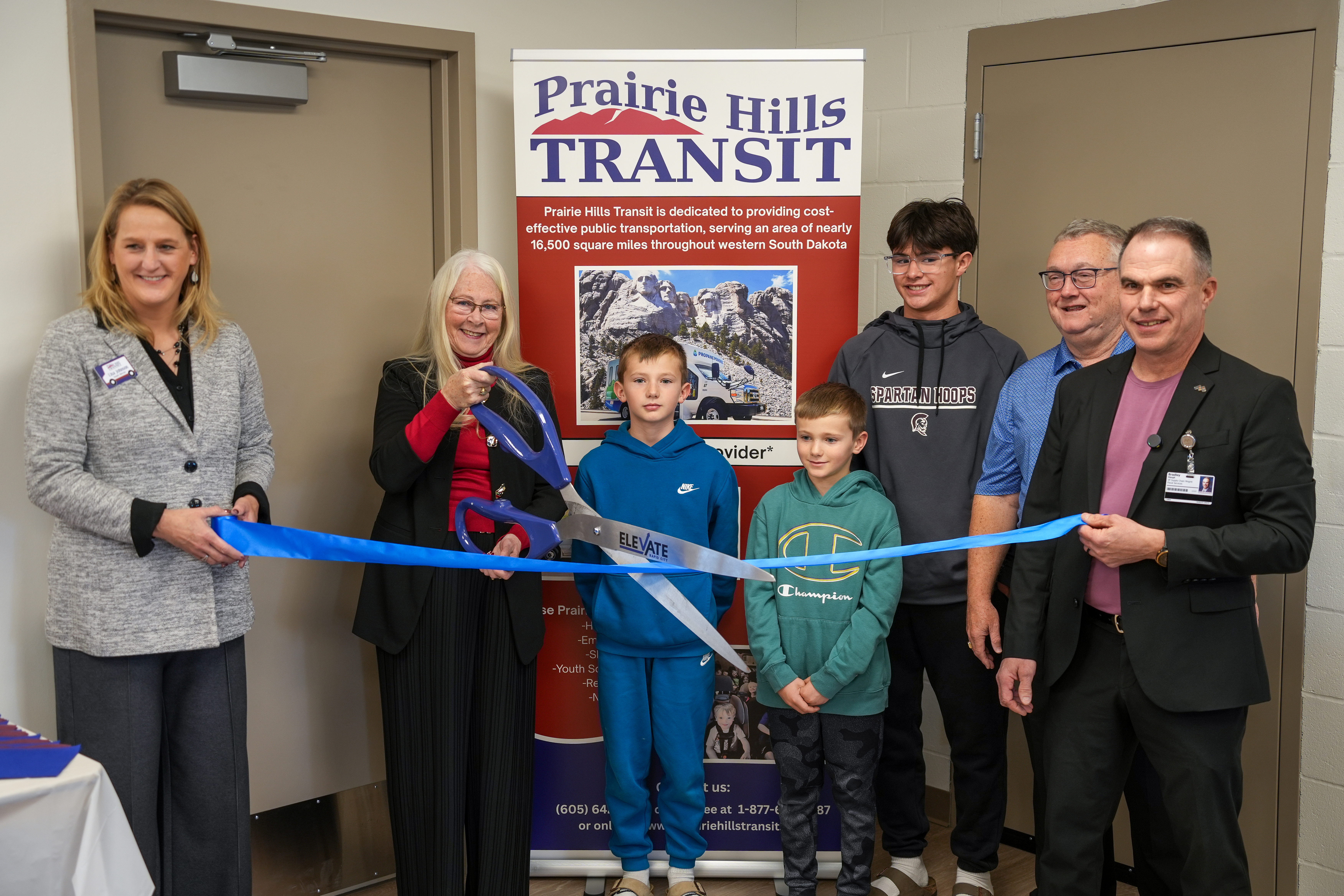
Monument Health Partners with Prairie Hills Transit for New Bus Garage

Based in Spearfish, when Prairie Hills Transit (PHT) began ferrying patients around the Black Hills on behalf of Monument Health in 2011, they had already been helping other clinics, nursing homes and assisted‑care facilities around the area, so their background was well-established.

As the partnership between PHT and Monument Health grew stronger, the demand increased. PHT continued to ensure every rider got to their appointment or treatment. Four vans now serve Monument Health patients, with additional support from other PHT communities whenever it’s needed.

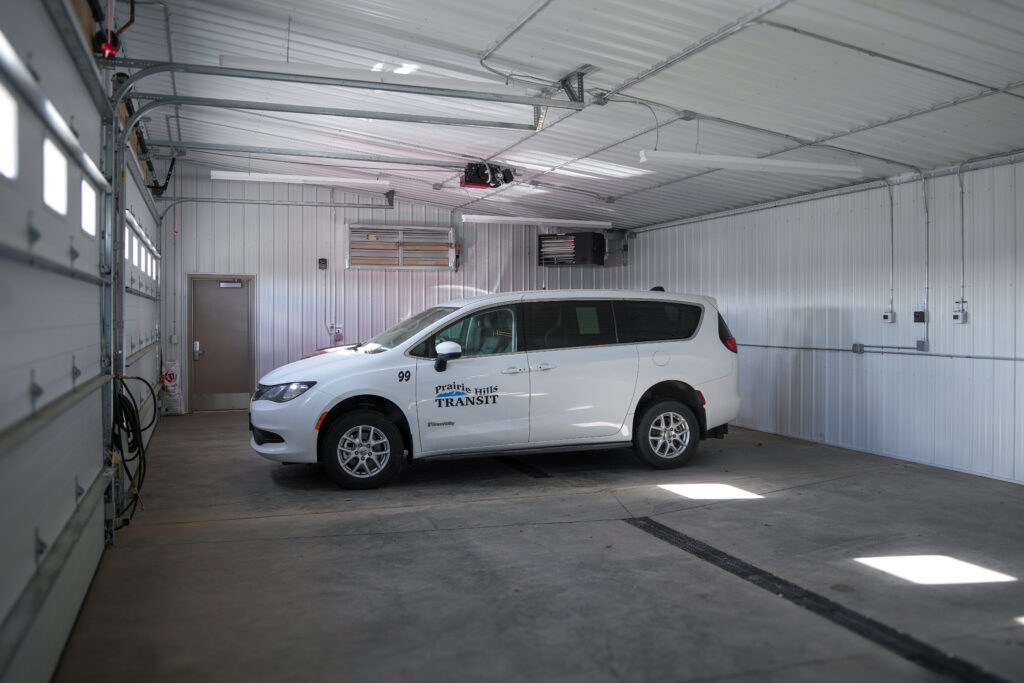
Now, just over 14 years later, PHT and Monument Health have opened a garage that will continue to help bring patients to and from Monument Health facilities for free. Located on Lombardy Drive in Rapid City and with space for four vans, the new garage is a solution to the previous parking situation, in which the vans were kept outside and exposed to elements like hail and snow.

The project has been six years in the making and was the result of a lengthy collaboration between Brad Haupt, VP Supply Chain and Contract Management at Monument Health and Barb Cline, Executive Director of Prairie Hills Transit.

“Having this facility here will allow Barb’s team to be efficient,” says Brad. “They don’t just take care of patients here in Rapid City, they cover all of our facilities from Custer, Spearfish, Sturgis, Lead and Deadwood, we have patients from all over western South Dakota even as far away as North Dakota, where we’re able to help them get to where they need to be.” 

In total, the new facility represents nearly 14 years of collaboration, trust and shared commitment to the people we serve. However, the partnership goes beyond mere vehicles and equipment — it also represents the hundreds of patients transported to dialysis, to appointments and to treatments that have saved and improved lives. Even more so, it represents the drivers who show up every day with compassion and dedication. This garage also means stability and growth; it’s a building that will house the PHT fleet and support its mission for years to come.

Story by Kory Lanphear

Photos by Erika Bratten-Cianca
Upgraded RCH Lab is Full Go

On Wednesday, December 3, the Laboratory at Rapid City Hospital held a ribbon cutting ceremony, which officially marked the beginning of the new automation line’s operations and the end of the construction project that began in August. The soft go-live date was November 17 and the new lab became fully operational on December 2.

The most noteworthy change is the new automation line. Called the DxA 5000 Total Lab Automation System, designed and sold by Beckman Coulter, the line lends a renewed sense of harmonious, technological productivity within the lab.

According to the Beckman Coulter website, the DxA 5000 offers advanced pre-analytical quality checks and reduced manual intervention. The unit performs 9 quality checks in 3 seconds (tube type, cap type, fill level, sample volume, hemolysis, etc.) and prevents errors before analysis, reducing costly reruns and improving patient safety. Additionally, DxA 5000 automates more steps (tube checks, routing, centrifugation) and reduces manual handling by up to 80%, which helps improve staff efficiency while lowering the risk of human error. 

Gone is the frenetic noise of the air-compressor-powered machinery, replaced by an almost imperceptible computerized whir and clack. The Lego-like automation line is a bit reminiscent of a futuristic Rube Goldberg machine as vials make their way along the track and are shuffled this way and that before being gently plucked and dropped into a tray by a box-like apparatus for analysis at one or the other of the stops along the way. One can watch through the opaque plastic cover, terrarium style, at one of the stations, as the sliding and shifting apparatus functions like a sophisticated arcade claw machine to place and replace samples and perform tests for common blood indicators, such as chemistry, hematology, immunoassay and other specialty testing.

“This new automation line represents years of vision, planning and tremendous team work from laboratory Caregivers, our IT partners, facilities, construction crews, project management teams and support services,” said Emily Leech, Associate Vice President Lab and Imaging. “This line is more than equipment — it’s a commitment to efficiency, accuracy and the highest level of care for our patients. I am incredibly proud of what this team has accomplished together.”

Story by Kory Lanphear

Photos by Erika Bratten-Cianca
A Beautiful Solution

On Thursday, December 11, Jim Stevens of Hot Springs was wheeled through the third floor of Rapid City Hospital. A large, emotional group packed the hallways in honor of Jim, who had passed away unexpectedly. At the conclusion of the procession, Jim and his friends and family, clad in Green Bay Packers jerseys and apparel, disappeared through a pair of doors to the refrain of Lee Greenwood’s “God Bless the U.S.A.” Beyond those doors, Jim would make a final, selfless gesture: donating his corneas to anonymous patients so that they might see the world as his eyes once did.

The ceremony, called an Honor Walk, is organized by Monument Health and LifeSource on behalf of organ donors, with the permission of their next of kin.

“Each donor has the opportunity to donate organs to save up to eight lives with their liver, kidneys, lungs, intestine, heart and pancreas. They could also restore sight to two people with cornea donations. Anywhere from 75 to 100 individuals could benefit from one donor for tissue and skin,” says Lamont Mason, Donation Liaison at LifeSource. “Someone’s bone could be used for maybe a replacement. But there’s things that are used that a lot of people don’t realize, like surgical screws, where they use bone for the screw. ACL and MCL tears are repaired usually through donor tissue as well.”

LifeSource, based out of Minneapolis, works with hospital coordinators to speak to family members of end-of-life patients to make them aware of and help facilitate the opportunity for tissue donation.

There is, however, a lot of misinformation about organ donation, and Lamont is hoping to help alleviate the concerns that people might have.

“As long as I’ve been in this field, the biggest myth that I have heard is that if you’re an organ donor, hospitals won’t do things to save your life; they’ll just let you die to be an organ donor. And that’s 100% completely false. We hope for life on either end,” says Lamont. “Organ donation is a beautiful solution to terrible circumstances. Doctors and the health care team do everything that they can to save patients, until the family decides that they want to stop the escalation of care.”

What Lamont and LifeSource provide, though, should not be confused with living donors, which is when a living person donates a kidney, for example. Lamont only works with end-of-life patients. The service is federally-regulated and monitored by CMS. Potential donors must meet certain criteria, such as circulatory or brain death before Lamont and LifeSource begin their process. 

“Some individuals have signed up to be a donor. They can do that through the national registry or at the DMV on their driver’s license. Those are what we call first-person authorized or FPA. If the individual didn’t sign up to be a donor, we would then ask permission from the family to see if they would like their loved one to be a donor. If they agree, then we fill them in on the process, give them a timeline and then get started with the donation.”

Since Monument Health does not have a dedicated organ donation staff, most patients are flown to Mayo Clinic in Rochester, Minnesota where there is a fully-staffed Donor Care Unit dedicated to the surgical procedures for donations. Some patients forgo that option in favor of staying in Rapid City for their surgery.

For Jim’s Honor Walk, the outpouring of support, love and grief continued during the subsequent flag raising ceremony. The mourners gathered at the flag poles, just outside the Fairmont Street entrance, where RCH Spiritual Care Services Coordinator, Rev. Paul Birnbaum, MDiv, spoke as Lead Security Officer Jason Lofton raised a Donate Life flag to fly alongside the U.S and South Dakota state flags. A prayer was shared, at the end of which a shout came up from the crowd, “Make some noise for Jim! Thank you, Jim!”

Thank you, Jim, and all of the donors who help other patients by their gracious choice to donate.

For more information, visit LifeSource.org.

Story by Kory Lanphear

Photo by Erika Bratten-Cianca

Caregiver Helps S.D. Mines Students “Tank” Their Final

For their semester project, South Dakota Mines Assistant Professor of Biomedical Engineering Tugba Ozdemir challenged her students to identify and provide product solutions to common problems associated with wound care. 

The twist, though, was that the students had to pitch their ideas to a panel of five judges. Taking the example of the TV game show “Shark Tank,” and using fake money, the judges then weighed whether or not they wanted to invest in the products.

These Wound Shark Presentations were held in the Maker Space inside Devereaux Library on S.D. Mines Campus. Sarah Mollman of SDSU College of Nursing, Jim Quinn of Quinn Construction, Dr. Jennifer Leberknight from S.D. Mines, Tung Nguyen, an Engineer/Consultant and our own Jessica Hart, CNP, Sleep Center and Wound Care in Rapid City served as the Sharks.

In teams of three, the students pitched their products, which included such innovations as dressing for burns and hypothermia and a detection device that senses infections at wound sites.

The students presented the specifics of the scientific basis of their products, the funding required for initial valuation and the potential market for the final product. The pitches also included profit estimates, roll-out strategies and timelines to significant development milestones. Much like the TV show, the Sharks asked questions then either offered to fund the project for a percentage of profits or stood pat. There followed negotiations with the students, who ultimately either accepted or rejected the offers. 

“Community partnership is exceedingly important between industry and our health care system,” said Jessica. “Also, it helps to foster development of new ideas. There are so many things that I can take away as well and put into practice that I learned from these students. I have learned so much in just two years about what they go through to create products that we use every day.”

Jessica had prior experience with the students in an advisory role. She’d given them lectures on wound healing and what happens when wounds don’t heal. The students also came into Wound Care to spend an hour shadowing Caregivers to witness real life situations. All of this was to help the students understand what they were dealing with, according to Jessica.

“I really enjoy being with these students. They’re very on top of the game. I’m very impressed, always, by their ideas, their presentations, their level of understanding of things,” Jessica said. “I do not come from an engineering perspective. They also have quite a science background, so they’re able to put their microbiology together along with a little bit of clinical observation. And I just see the lights turn on.”

Some of the innovations were still only concepts, some of them had prototypes. And, even though they were just ideas for a college class, that doesn’t mean they couldn’t one day be actual products.

“Wound Care is one of the fastest growing specialties within health care. It’s also one of the most researched,” said Jessica. “Every year there are innovative ideas and products to solve problems that we haven’t been able to solve yet, so these products could certainly make their way into the marketplace.”

Story by Kory Lanphear

Photos by various