This Nurse Could Save Your Life Twice

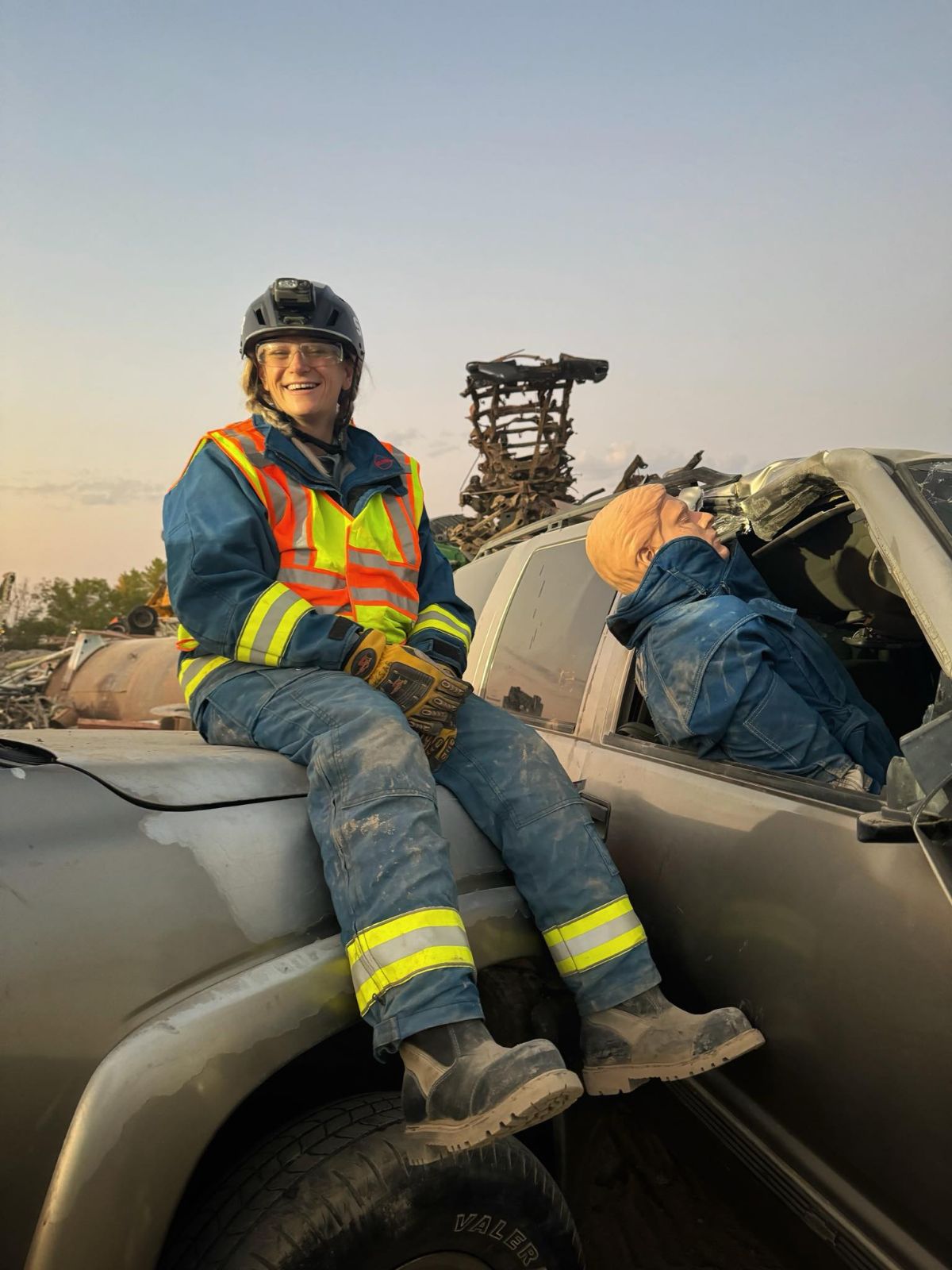
Gretchen Emrich, RN, Emergency Department and Magnet Program Coordinator, Rapid City Hospital, doesn’t just save lives at work, she does it in her free time, too.

As the Training Officer for the Pennington County Search and Rescue Team, not only does Gretchen teach other members lifesaving techniques, she also goes out along with the team to find exhausted hikers or lost hunters. The 100% volunteer organization, which operates under the Sheriff’s office, has around 30 active members. 

A hiker and backpacker for about 12 years and a rock climber for seven years, Gretchen started with Search and Rescue in 2023. The team usually performs around 70-100 operations a year across the whole of Pennington County. 

“You go out in the afternoon and you expect, ‘Oh, I’ll be back by dark.’ Next thing you know, you get a little turned around, or it took longer than you anticipated. Now the temperature has dropped 30 degrees. You didn’t bring a layer of clothing. It’s dark out and you don’t know how to get out of there,” she says. “We are those people that, one day, it could potentially be us that needs to be rescued. So why not go out and rescue those that are in my same hobby or are the same type of person that I am? I mean, essentially you’re just helping your buddies out.”

Gretchen’s duties onsite are to lead climbing rescues or assist in general extraction operations. Surprisingly, she is not usually expected to use her health care training. For the most part, local EMTs will also be on the spot for that. However, sometimes even the EMTs can’t go where the Search and Rescue Team goes, so all of the volunteers are trained in basic life-saving and first-aid techniques.

For those who would like to avoid ever needing to call upon Gretchen or her teammates, she has this advice: “Always carry a form of communication, whether it’s your cell phone or satellite phone. Know how to use it and keep it charged. Also, make sure you’re wearing layers that are appropriate for the weather right now and what could be changing throughout the day or the night.”

Monument Health encourage Physicians and Caregivers to be involved in their communities 

by lending their support to programs that improve the quality of life and opportunities for all community members. Physicians and Caregivers who volunteer are asked to submit their hours in Workday.

For more about Pennington County Search and Rescue: pennco.org/pcsar

Story by Kory Lanphear

Photo courtesy of Gretchen Emrich

Upgrading the Rapid City Hospital Laboratory

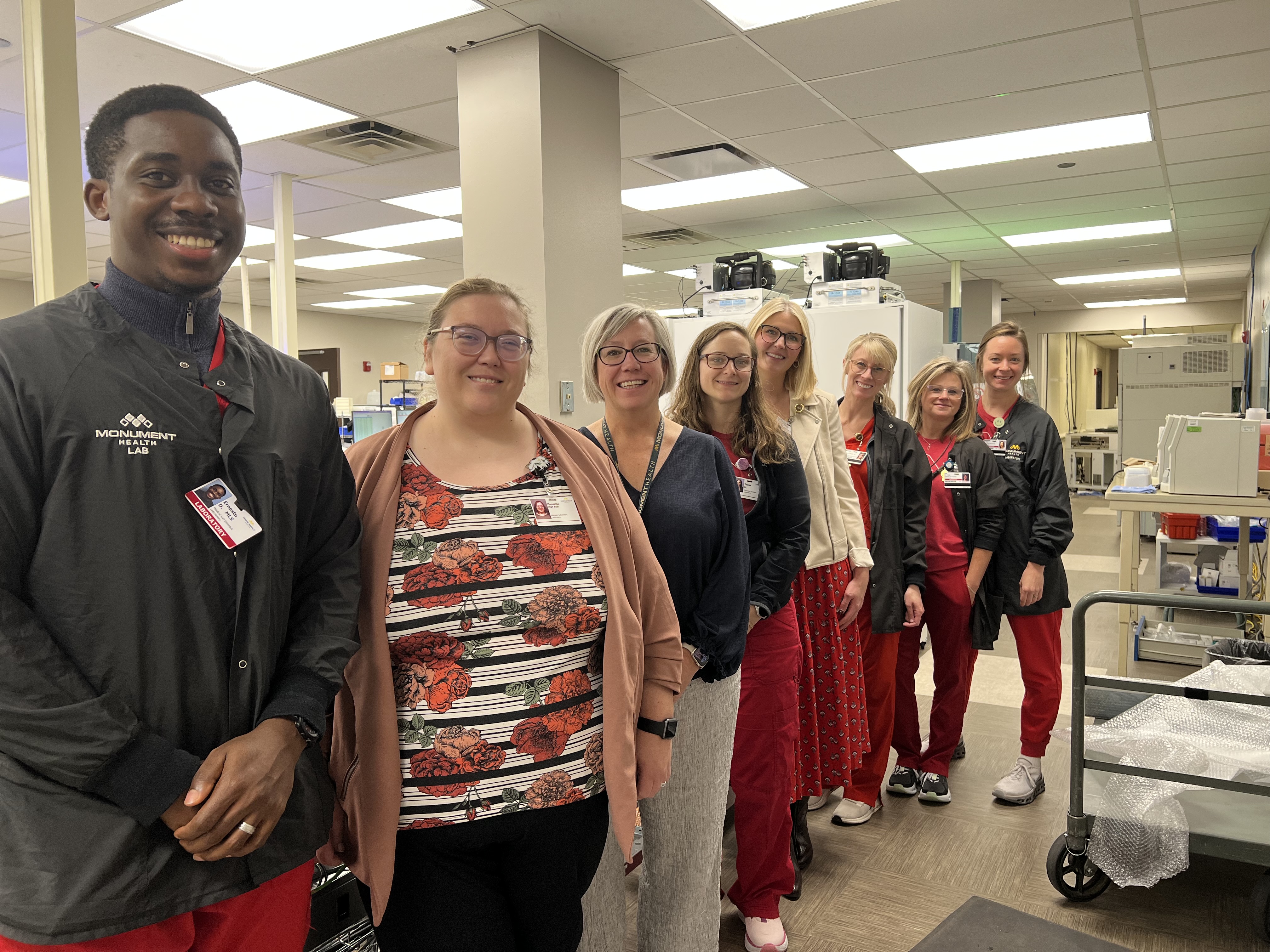
The laboratories of Monument Health perform over 2 million tests per year. The Rapid City Hospital lab accounts for about 65% of those. It’s an impressive number, considering we live in a state with less than a million people. The lab doesn’t just process and test samples originating at Monument Health locations, either. RCH lab has contracts with numerous other organizations including nursing homes and medical facilities in western South Dakota.

However, the aging lab automation line has begun to break down with increasing frequency.

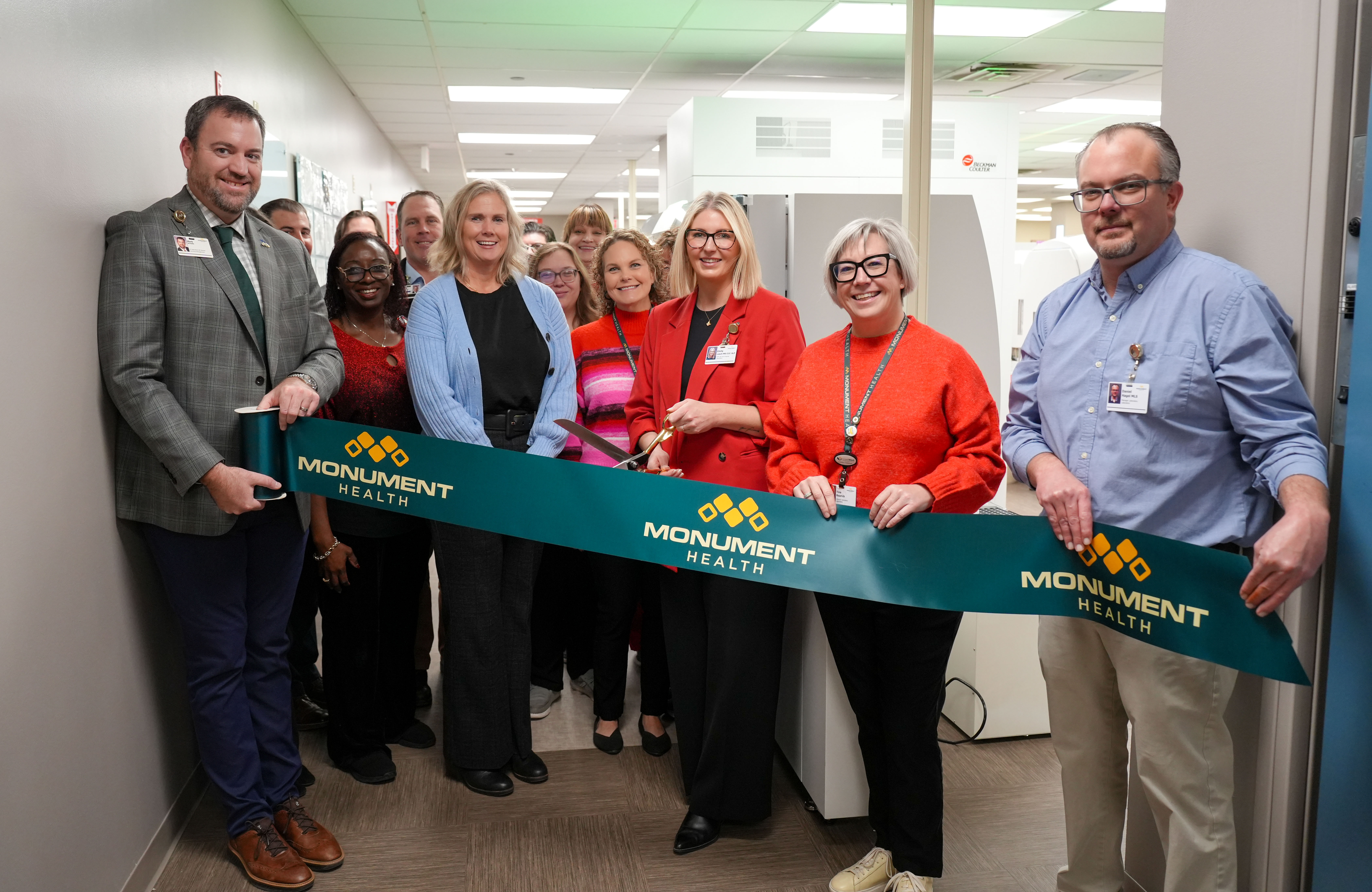
That’s why last winter, Emily Leech, Associate Vice President Lab and Imaging, and Tina Rearick, Director Laboratory, began the project to update and upgrade RCH’s laboratory equipment. Thanks to our longstanding relationship with diagnostic laboratory company Beckman Coulter, the lab team was able to work up a plan of what the project would look like and how long it would take.

“Once we knew that we were moving forward with the automation line, we determined that we needed a lab refresh, too. To be able to take the automation line out and do new floors, plumbing and electric, we had to do it in separate phases. And we had to get everything out of the middle of the lab,” Tina says. “So we had to displace all of our instruments into hallways and offices. That started at the beginning of August.”

Improvised lab work spaces were created to make room for 5-20 extra construction workers and equipment implementation team members. This ad hoc game of musical chairs with machines and work spaces will continue through November. Yet, the lab team has taken it all in stride. 

“The laboratory team has truly done a tremendous job working in a construction zone with no automation. Everything is manual, and our volumes haven’t changed,” says Emily. “Our turnaround times have maintained at 80% of our laboratory goal, which is truly amazing. It really shows the laboratory staff’s dedication to quality and patient care — being able to work in these adverse conditions and still maintain turnaround times is top quality.”

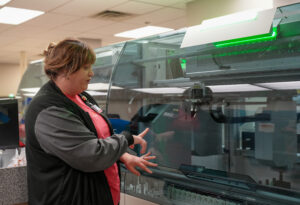
On October 14, two semi-truck loads arrived full of lab equipment from Germany. Individual pieces were wheeled down to the lab and connected together, Erector Set-style, into a brand new, L-shaped, state-of-the-art automation line for specimen processing. The equipment also includes two new immunoassay instruments, all of which are currently undergoing validation and calibration with Beckman Coulter implementation technicians.

“Specimen tubes are put onto the automation line that then move along the conveyor belt which is equipped with numerous cameras,” says Tina. “The cameras take pictures of the barcode on each tube and the automation line then takes it to the correct analyzer for testing. Machines connected to the line perform chemistry, hematology, immunoassay, and other specialty testing.”

Despite all of the space management and effort to keep the lab operating, the updates are two weeks ahead of schedule. Training the lab team on the automation line begins Nov 4. The soft go-live date is Nov. 24.

“This new technology improves our efficiency, accuracy, and effectiveness which will allow us to process high volumes of samples with improved turnaround times consistently. The team’s goal is to provide fast, quality results to our patients. That’s why we’re here — for the patients,” says Emily  

For the curious, Tina and Emily invite Caregivers to come and take a look at what’s happening in the lab. However, they do ask for a heads up so they can be there to show people around.

Story and Photo by Kory Lanphear

A New Clinic Visit Type Helps Rule Out Penicillin Allergy

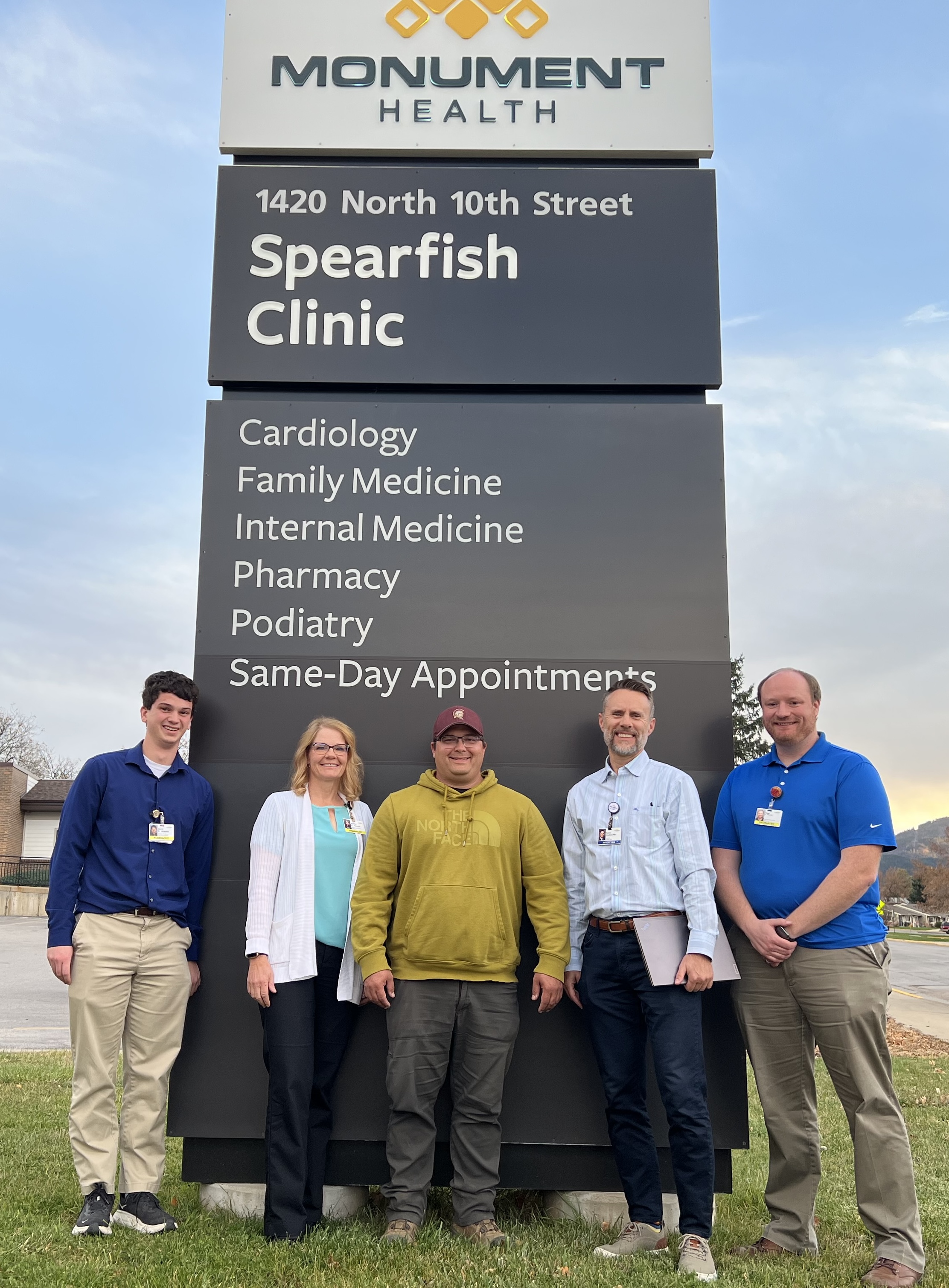
In late September, Jason Knudson, M.D., FAAFP, Spearfish Clinic, North 10th Street, completed the first successful outpatient oral amoxicillin challenge with his patient, James Walton, a Paramedic at Sanford Underground Research Facility in Lead.  

The challenge, which is performed frequently in the inpatient setting, is now available at four of our clinics — Spearfish Clinic, North 10th Street, Custer Clinic, Sturgis Clinic and Rapid City Clinic, Flormann Street — can be used in patients identified to be at low risk of penicillin allergy to rule out immediate allergic reactions to penicillin antibiotics.

The success was an encouraging development for Marilee Obritsch, Antimicrobial Stewardship Program Clinical Pharmacist and the Antibiotic Awareness team: David Delahoyde,

Pharmacy Resident, Ryan Flynn, ASP Clinical Pharmacist, and for all of the Monument Health organization.

Frequently, a patient’s chart will indicate a penicillin allergy because the patient had a past reaction such as a rash that occurred while they were taking antibiotics as a child. However, the reaction may actually have been a symptom of a viral illness. Patients can also be listed as having a penicillin allergy when a close family member has an allergy. This often occurs without actual verification of the allergy in the patient. 

“We’re losing some of our antibiotics because bugs are becoming resistant to them,” says Dr. Knudson. “Penicillin is a great antibiotic. And so to take a big tool out of our arsenal to treat infections really ties a hand behind our back sometimes. That being said, you want to use it when it’s right, and you don’t want to overuse it.”

James, for example, always assumed that he was allergic to penicillins simply because that’s what he was told and because the allergy is common in his family. As an adult, though, he started to believe that it was worth confirming, especially because during his previous career as a flight paramedic, he had some worrisome experiences while on broad spectrum antibiotics. 

“I’ve taken ciprofloxacin (cipro) for other things in the past and ended up rupturing both of my Achilles tendons,” he says. Tendon weakness is suspected as a side effect of fluoroquinolone antibiotics, though thus far the relationship is inconclusive. 

There are some further compelling reasons to undergo the challenge. For one, many common illnesses persist when a penicillin-based antibiotic would be an ideal treatment. Amoxicillin/penicillin are also some of the cheaper antibiotics and have less side effects than other broad spectrum antibiotics. Finally, the challenge is common while patients are already hospitalized, which can be frightening and stressful for them, or, they may not be able to receive certain kinds of antibiotics before, during or after surgeries due to the uncertainty of their allergy. It makes sense for those who are unsure to undergo the challenge in the clinic setting, when the stakes are far lower.

The challenge itself is fairly simple: once the patient has been made aware of all the facts and risks and has passed a preliminary screening, which consists of four questions, they are administered a dose of amoxicillin in the clinic. They then remain under the supervision of a health care provider for thirty minutes. Afterwards, the patient can choose to remain in the exam room or waiting room for an additional thirty minutes for monitoring. The patients are instructed to come back or reach out in the rare case that allergic reaction symptoms are delayed. If no allergic reactions occur, the patient is then considered safe to take penicillins, and the allergy is removed from the patient chart.

“I just think this is a tremendous opportunity for our clinics to be able to have this potential visit type right now,” says Marilee. “Without these visits in Spearfish, Custer or Sturgis, patients have to go to Rapid City to get this testing done, and they have a very long wait. As long as you pick your patient using the tool appropriately, you’ll have good outcomes.” 

The screening tool, called PENFAST, is available within EPIC to all providers in the clinic setting.

Story and photo by Kory Lanphear

Partnering with the DOD SkillBridge Program

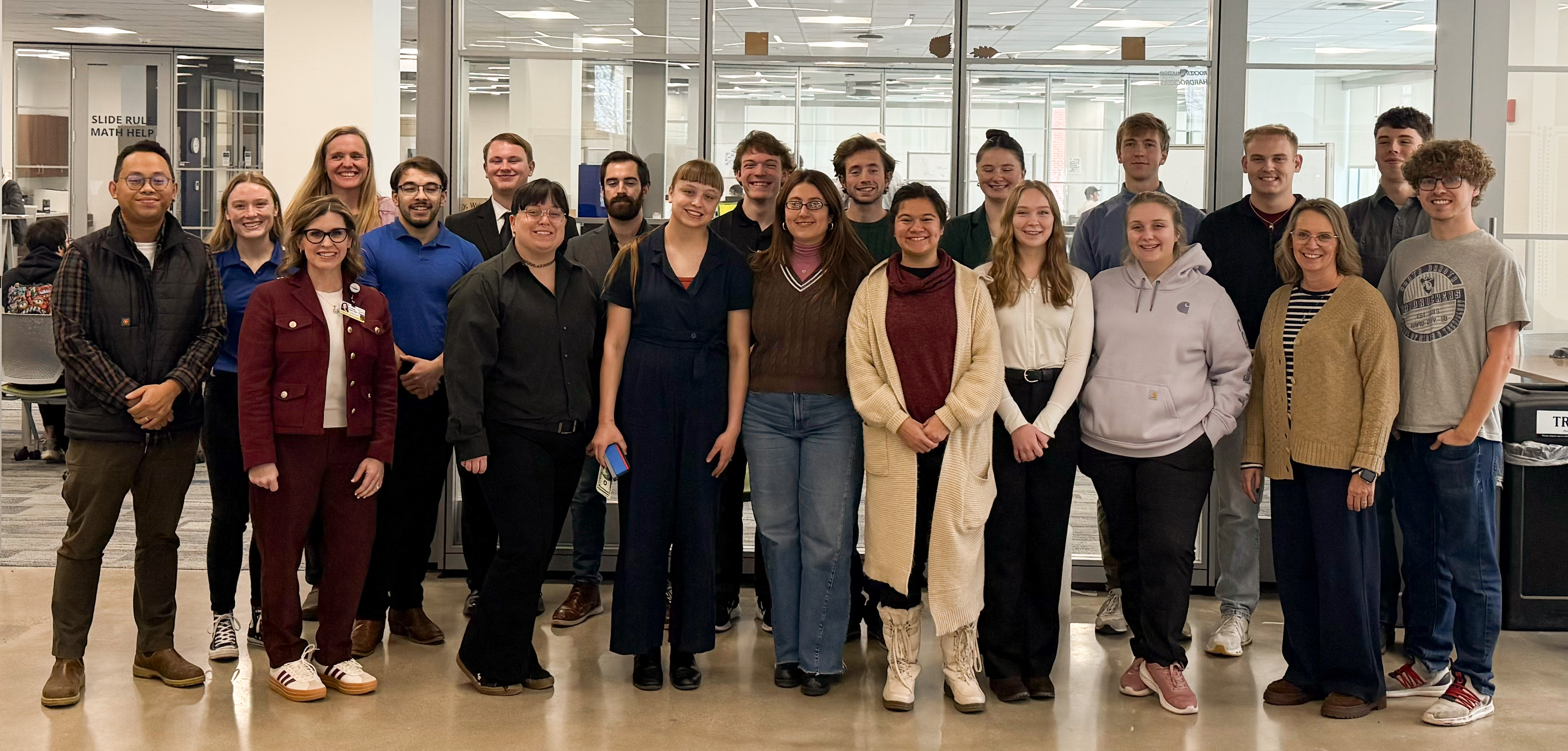
Through our partnership with Elevate Rapid City, we are participating in the Department of Defense’s SkillBridge Military Transition Program. This federal initiative helps us attract exceptional talent while supporting military families’ transition to civilian careers and community membership.

SkillBridge, according to its website, is an opportunity for service members to gain valuable civilian work experience through specific industry training, apprenticeships or internships during the last 180 days of service. DOD SkillBridge connects transitioning service members with industry partners in real-world job experiences.

The program addresses our critical need to attract and retain Caregivers across all roles within our health care system. Military professionals bring proven leadership skills, discipline and adaptability that translate exceptionally well to health care environments.

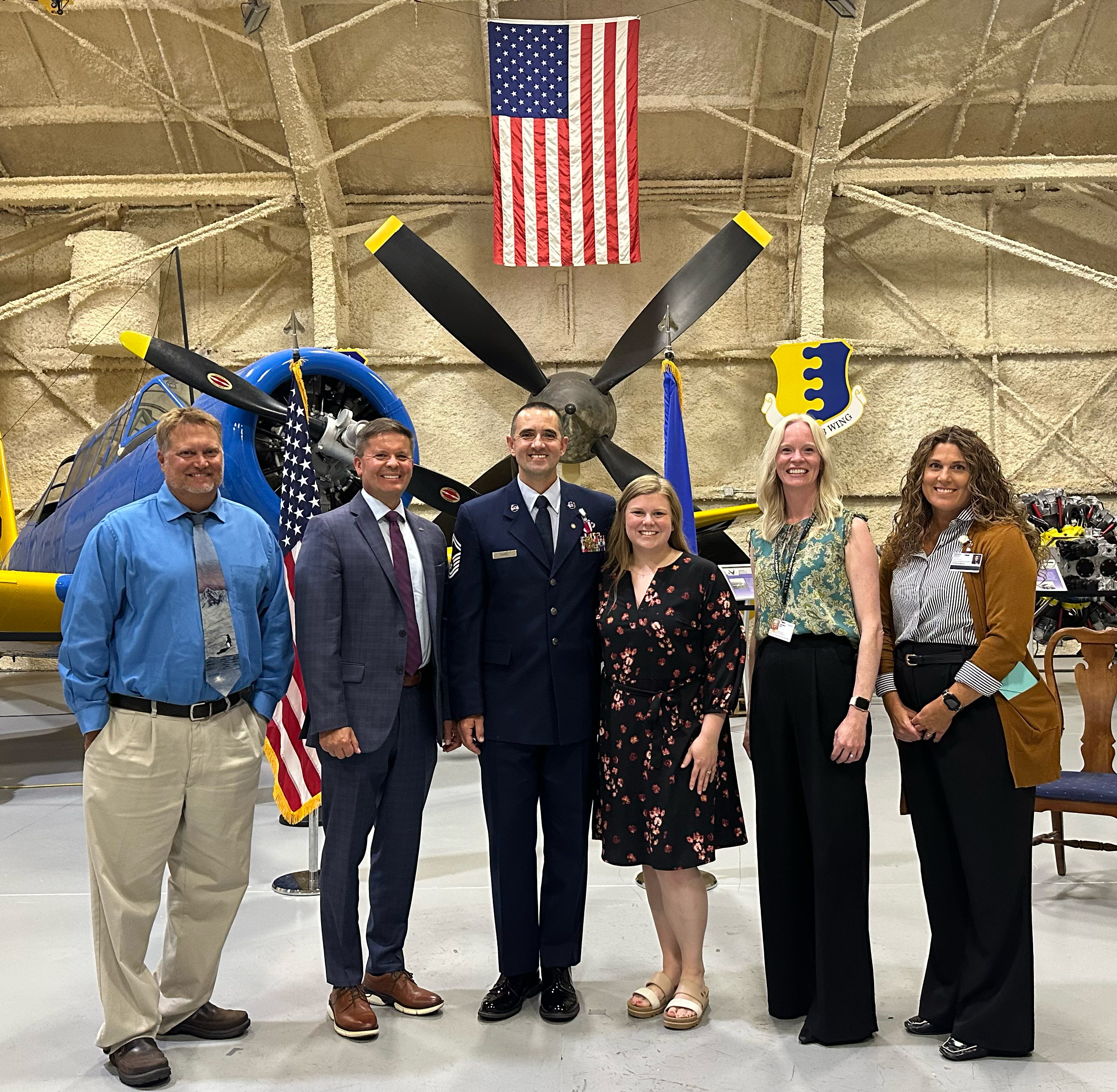
We recently welcomed retired Master Sgt. John Karel, PMP, who brings with him over 20 years of distinguished Air Force experience. Most recently he served as Senior Advisor to the Director of Public Works at Yokota Air Base in Western Tokyo, Japan. There, he led 739 engineers in the Air Force’s third-largest Public Works Directorate and guided an $89 million construction project that saves $15 million annually in utility costs.

John holds an MBA in Finance and began his four month internship this summer in Fiscal Services with Jennifer Schmaltz, VP Finance and Vince King, Director Financial Services. After two and a half months, John pivoted to work with Dave Ellenbecker, VP Facilities Management and Plant Operations and the Project Management team where he will continue until his SkillBridge stint concludes.

“What’s truly surprised me is how many parallels I’ve found between Monument Health and the Air Force,” John says. “The transition has felt remarkably seamless, especially since both organizations share similar core values. Monument Health’s emphasis on the individual Caregiver reflects the same commitment the military had to taking care of its people. That shared ethos has made this shift not just smooth — but meaningful.”

SkillBridge interns don’t just fill positions — they bring their families to become permanent community members and neighbors. This creates lasting community connections that extend far beyond the workplace, directly supporting our mission to impact our communities.

We provide essential relationships and support during one of life’s most significant professional transitions, helping service members understand both the similarities and differences between military and civilian health care careers.

“The SkillBridge program has been an invaluable experience,” John says. “Monument Health has been fantastic, and I’ve enjoyed working with every Caregiver. Even if a direct employment opportunity doesn’t work out, I’ll always look back on this time fondly and appreciate being part of this community.”

John’s SkillBridge internship ends Dec. 12, after which he will seek an employment opportunity at an organization of his choosing.

Story by Kory Lanphear

Photo submitted

High School Senior, Junior Pharm Tech

Aidan Hermsen, 17, Rapid City Central High School Senior and Junior Certified Pharmacy Technician at Rapid City Hospital is the youngest person in South Dakota to be a certified Junior Pharmacy Technician.

And it all started with a jacket. 

When he was in the fourth grade, Aidan needed a costume for Career Day. On the advice of his mom, Sarah Hermsen, Director of Operational Performance Management, Aidan ended up borrowing a pharmacist jacket from Dustin Horning, the father of a friend from school and an Applications Analyst-Pharmacist at Turbine Drive.

“I’ve always liked math and science and my mom has been saying since I was little, ‘You should consider pharmacy as an option,’” says Aidan.

“Knowing his personality, he likes rules. He likes things clean and organized and so it makes sense,” adds Sarah.

The idea stuck with Aidan. For his Intro to Health Services class at Central his sophomore year, Aidan created a presentation based on a paper he read about being a pharmacist.

“The great thing about the health service class was they came and did a tour of the lab and imaging,” says Sarah. “When I was in school it seemed like you could either be a nurse or a doctor. I didn’t realize that there’s all these other jobs. You wouldn’t know that unless you take a class like that.”

Thanks to some new state legislation passed last spring allowing kids under the age of 18 to do such work, Aidan was able to undergo Junior Pharmacy Technician training and get certified via the Monument Health Pathways program in partnership with Central High School. He took the exam to become certified and passed on July 18.

Now, every other weekend when he’s not running cross country or track for Central, Aidan can be found reloading medications in omnicelle machines on various floors of Rapid City Hospital.

“Over winter break or next summer, I’ll get to learn how to do more stuff in the pharmacy,” he says. “Next year, I plan on going to South Dakota State University for pharmacy. I’ll probably come back in the summers and work to have money for college and to keep my hours up for certification.”

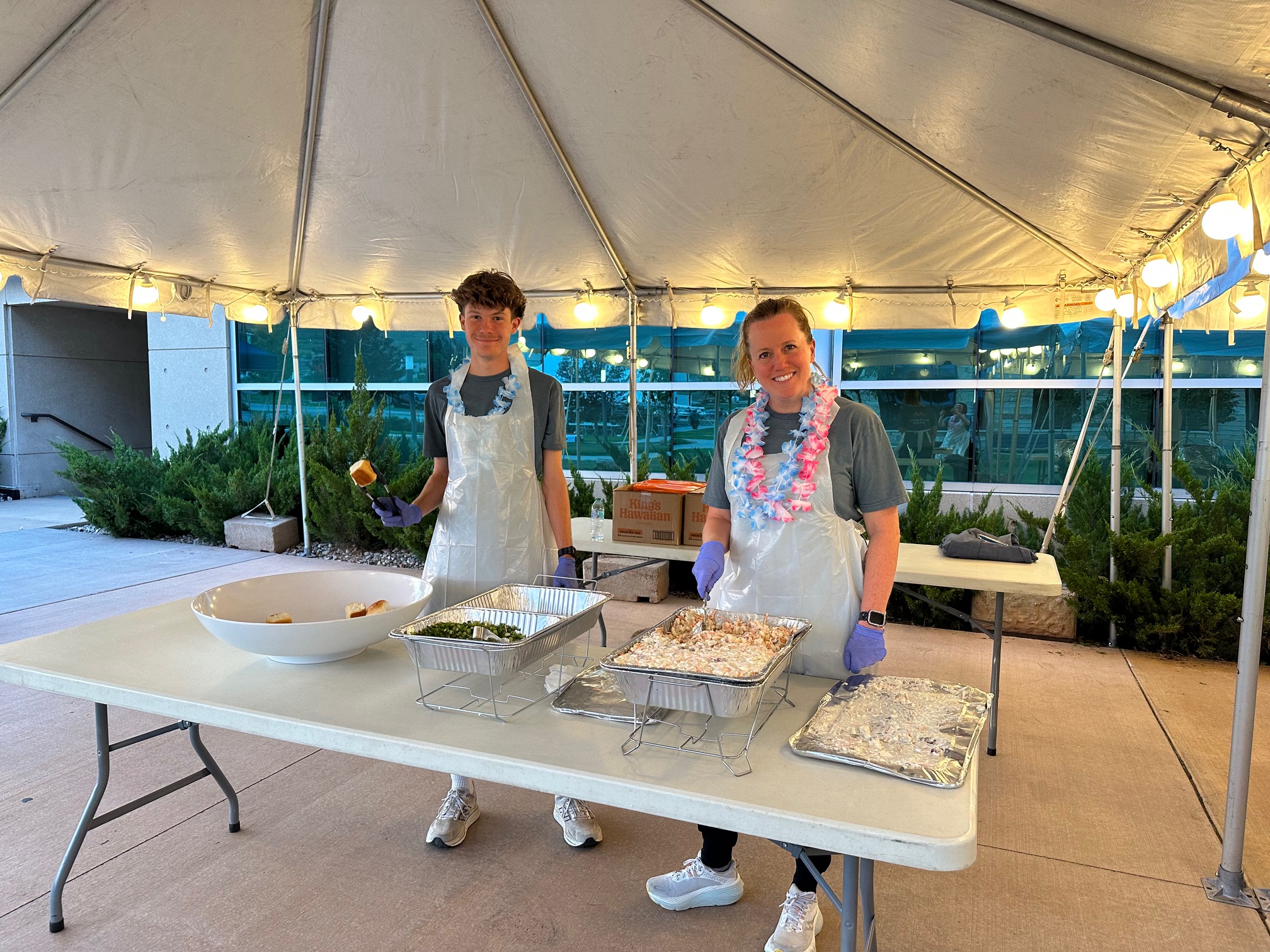
Aidan also jumped right into the culture at Monument Health, volunteering alongside his mom to serve at one of last summer’s Caregiver Picnics so he could meet and mingle with other Caregivers. 

However, he credits the class offerings at Central High School for fostering his career interest. “I just think it’s a great opportunity for kids to dip their feet in the water to see if it’s something that they could do before they go to college,” he says. “I’ve had a pretty good idea since I was little that I wanted to potentially do this, but I would say that the class just really enhanced the opportunity to get experience and further make sure that I want to do it.” 

Story by Kory Lanphear

Photo submitted by Sarah Hermsen

Life-Changing Treatment

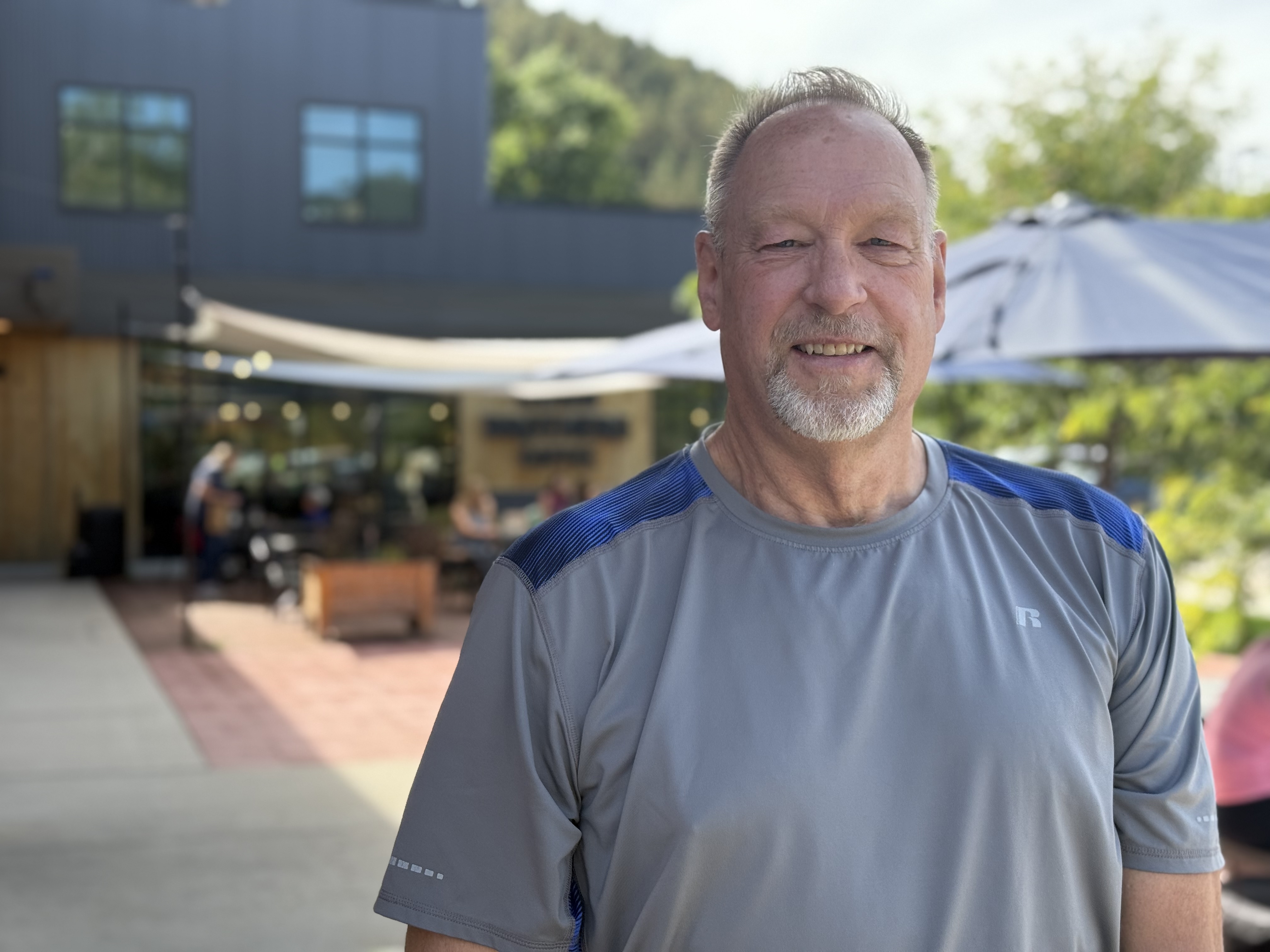
Even though he’s retired, Richard Norman likes to stay busy. In fact, the 70-year-old tree crew veteran still works part time at Willie’s Chain Saw Shop in Rapid City, where he repairs two stroke engines. “Chainsaws, trimmers, augers, anything like that; and some oddball stuff that nobody knows how to work on,” as he puts it.  

Partially because of his background in physical labor and partially because he spent his youth playing sports, Richard has experienced back pain for most of his life. “I used to do some pretty stupid stuff. I used to jump off the top of my truck like a paratrooper. I used to take 10 or so cases of cans — as much as I could pick up with my arms — and carry it. Plus, being on the tree crew for Wilson’s Tree Service and Black Hills Energy, I was always lifting and carrying equipment,” he says. 

In 2019, Richard was diagnosed with cancer of the lower intestine. During chemotherapy, he gained over 30 pounds, which he attributes to making his back pain worse. “Usually, you lose weight,” he says. “After the second year of chemo, it was taking me 15 minutes to straighten up. And the back pain just got worse and worse.”

An oncologist suggested that Richard get examined for arthritis in his back and referred him to 

Steven G. Frost, M.D., of the Pain Management Clinic in Rapid City. Dr. Frost determined that Richard had lumbar degenerative joint disease with lumbar radiculopathy (osteoarthritis of the back with sciatica). He elected to give Richard a lower spine steroid injection, which was administered as an epidural.

“Our goal at Pain Management is to help people and patients live in as pain-free a way as possible,” says Dr. Frost. “Sometimes all it takes is finding the right treatment to give relief for what otherwise might be a whole lifetime of suffering through pain. Richard is a great example of that.” 

Richard received his first and only injection in early July. “The injection was painless. I was like, ‘That’s it?’” Richard says. “As I sat up on the table, I felt it; it worked that fast. It was unreal.” 

Some friends that live down the road from Richard had previously asked him to remove a tree on their property. “It was probably about a 100-foot pine. I went over and looked at it and I told them I’d try to get to it, depending on how I felt. I felt so good that I went back and just took that tree down the same day as my injection,” Richard says. 

Ever since his injection, Richard has been pain-free. “I can actually do what I want to now. I’m more active. I can go out and mow the yard and not suffer from it,” he says. “Before, I was walking like an old man. For some reason sitting on a flight tightened my back up. It would take me a while to get up and unfold from an airplane and stumble out. Well, we recently took a trip with a couple of the grandkids to Washington and that didn’t happen. The treatment has actually been totally life-changing.”

Story and Photo by Kory Lanphear

Spearfish Homecoming Parade Marshal and One of Our Own

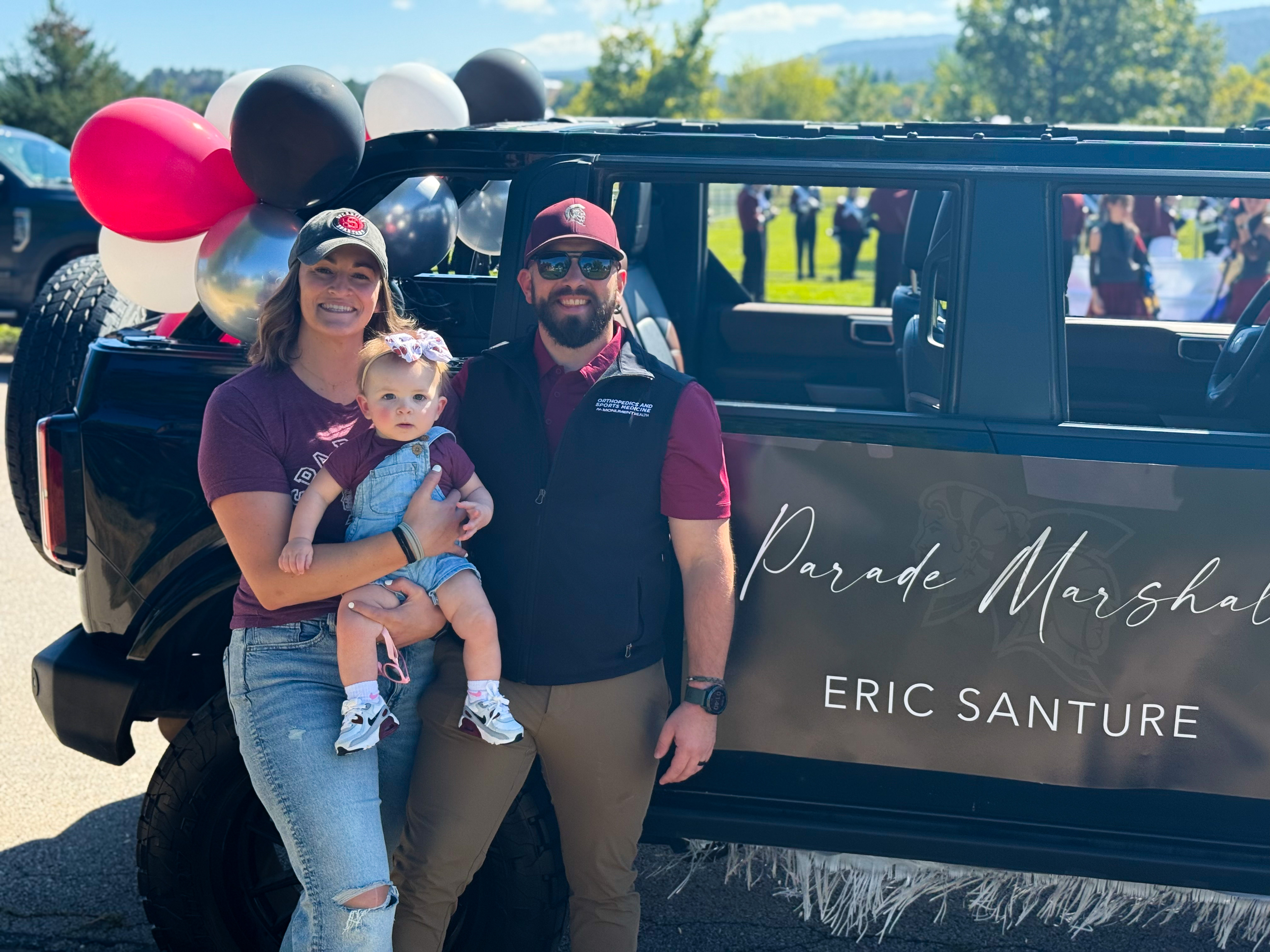
Due to a series of late-season away football games, Spearfish High School’s homecoming celebration arrived a bit early this year. Scheduled for last Friday, the very edge of the end of summer, it was an auspiciously beautiful day for a parade. It was also a special day for Eric Santure, CSCS, Monument Health Performance Coach at Spearfish High School, who received the honor of being named Parade Marshal. The theme was “No Fly Zone.”

Eric, his wife, Jamie Santure, Associate Head Coach, Spearfish High School girls basketball and their nine-month-old daughter, Sadie, rode in a black Ford Bronco, driven by one of Eric’s former student-athletes. The school’s marching band accompanied the procession through the streets of Spearfish, which was lined with supporters in a show of enthusiastic spirit that has always been the standard for the community.

As a Performance Coach, Eric offers strength and conditioning training to every athletic program at Spearfish High School, including dance, cheer, football, basketball and track. He just began his fifth year with Spartan Athletics and Monument Health in the second week of September. 

Because of his dedication to the student athletes and the high school sports program’s improvement, the Spearfish Booster club reached out to Eric and informed him that they would like him to be this year’s Parade Marshal. Eric gratefully and readily accepted. 

“I met my wife when I came to Spearfish to work for Monument Health. We welcomed our daughter last December,” Eric says. “I do my best to help these kids reach their goals, and this community has welcomed and supported me from the day I got here. So the fact that the Booster Club and community think I deserve something like this means a lot.” 

The gig of Parade Marshal is pretty simple, per Eric. “This is my first time doing this,” he says. “Besides wave and throw candy, there’s not much else to it. I don’t have to wear anything special, thank God. It’s too hot for that.”

There was still work to be done, however, as Eric was due on the sidelines for the Spartans’ evening football game against Aberdeen Central at Lyle Hare Stadium. As soon as the parade ended, he headed right back to the school’s athletic facility to help the team prepare.

“I’m just super appreciative of the community and Monument Health for giving me the opportunity to be here inside the school district and help these kids. The fact that the community is giving back to me as much as I’ve tried to give them is pretty special.”

Spearfish High School came away victorious, winning 21-6.

Story and Photo by Kory Lanphear

Heart and Vascular Institute Rallies Afib Patient

For 35 years straight, Spring Valley, Minnesota resident Tony Larimer, 58, has been coming to the Sturgis Motorcycle Rally. However, he almost missed the 85th Annual Rally last month due to a serious health matter he experienced this past May while attending a separate motorcycle-related event in these very same Black Hills.

Over Memorial Day weekend, Tony and his wife, Kelli, were staying at a friend’s house in the Nemo area when Tony, a diabetic, began experiencing food-poisoning-like symptoms. Tony didn’t know it at the time, but his insulin pump fusion set was either malfunctioning or not properly connected. His blood sugar kept rising, so Tony kept dosing more insulin. 

“I started throwing up all night. It was pretty brutal,” says Tony. “The next day, my breathing was extremely labored. Our friends know a nurse practitioner that lives in Nemo. She came up to the house and said, ‘You’re in full ketoacidosis. You need to go to the emergency room.’”

Diabetic ketoacidosis (DKA) is a condition in which diabetics cannot produce enough insulin. It can get serious, fast. If they don’t get it treated, patients can slip into a coma state.

Kelli drove Tony to Rapid City Hospital’s Emergency Department. By the time they arrived, Tony was in a bad state. “My blood sugars had gotten so high that my kidneys were shutting down, my vision disappeared. Everything just looked white,” he recalls. 

Emergency Physicians performed an ECG, which revealed that, in addition to the DKA, Tony had a blockage in his heart.

“My lungs were struggling to breathe and so I ended up intubated and on a ventilator for a few days. And during that time, I was continually going into Afib.”

“Tony had a blockage of his left anterior descending artery and went into cardiogenic shock,” says Luis Hernandez, M.D., FACC, Medical Director of the Advanced Heart Failure Program at the Heart and Vascular Institute. Such conditions can lead to a so-called “widowmaker” heart attack because the heart is blocked from receiving half of the blood it needs to work.

Dr. Hernandez and Moinuddin Syed, M.D., Interventional Cardiologist, decided that Tony required stents and a temporary Impella pump to help his heart beat stay constant. For three days, the Impella pump assisted Tony’s heart. The decision turned things around and saved Tony’s life, something for which he’s very grateful.

Once back home, Tony went under the care of his cardiologist. Whether or not he will need additional surgery or a pacemaker remains to be seen. For now, he’s being monitored, undergoing rehabilitation and taking medications. He finds out this month if this plan is paying dividends. 

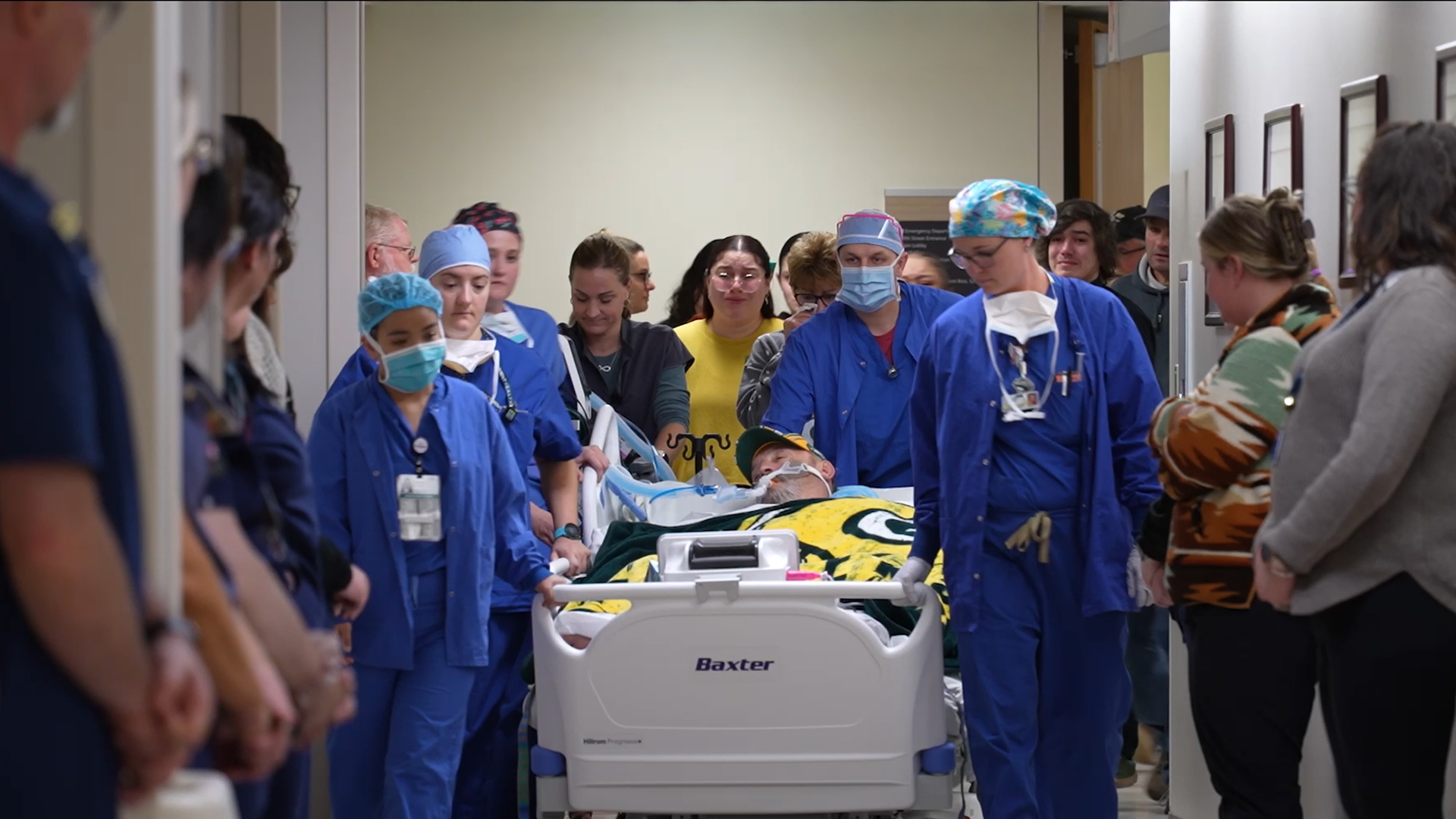
Left to Right: Patient Care Coordinator Leah McCormick, APP Jessica Tvedt, Tony Larimer, Transition Coordinator Ron Gallet, Luis Hernandez, M.D., FACC, Kelli Larimer, APP Megan Hullinger, APP Audrey Bickerdyke

Last month, Tony was back in the Hills for the 85th Sturgis Rally. He made it a point to stop by Rapid City Hospital, where he reunited with Dr. Hernandez and his care team. Tony and Dr. Hernandez shared a teary-eyed hug. Dr. Hernandez also introduced Tony to Dr. Syed, whom Dr. Hernandez called the “man of the hour” for his role in Tony’s care. Tony was so incapacitated that he wasn’t even aware that Dr. Syed performed the placement of the Impella pump and stents that facilitated his recovery.

“I’m fortunate to be here,” Tony told Dr. Hernandez during their reunion. “My doctors at home said that there’s very few skilled hands that could do what they did here so well. The fast work of your team saved me. I can only say, ‘Thank you.’” 

The HVI team’s work benefited more than just Tony’s personal Rally enjoyment. As a member of the Hamsters USA motorcycle club, Tony is heavily involved in charity projects around the Hills during the Rally. During the 85th Rally alone, the Hamsters raised $333,000 for Lifescape in the Black Hills. “We’ve given now over $5 million. We do that across the country,” Tony says. “For Spearfish, we give Meals on Wheels up to 20 grand every year to help with that. We just donated $100,000 to the museum in Sturgis, because we have to keep this heritage. We’re really involved in the short time we’re here.”

Story and Photo by Kory Lanphear

Submitted photo courtesy of Kelli Larimer

Light Duty Work for Injured Caregivers

As a Registered Nurse in the Intensive Care Unit of Rapid City Hospital, Adam Drake is used to a certain amount of physical work. However, when he hurt his back on October 18, 2024, during a day of repeated patient transfers, he didn’t know that what seemed like a minor injury would linger on and on.

“I couldn’t sit on the couch, couldn’t be with my family, couldn’t exercise,” he says. “It progressed into 37 chiropractic sessions, a bunch of physical therapy, a pain shot, MRIs, until eventually, on June 11, I had back surgery to ease the pain.”

When a Caregiver experiences an injury at work, they have the option to be assigned Light Duty Work. In Adam’s case, he was assigned to work with Monument Health Foundation under Director Hans Nelson. 

Here’s how it works: if you are hurt on the job, such that you cannot work your normal position, Jodi Bruckner, Human Resources Analyst, receives a notification. Jodi reaches out and asks if you’re open to Light Duty work. If you agree, she then follows up with an open Light Duty position in your location — possibly in the Foundation, like Adam, or perhaps in Quality, Marketing or Guest Services, etc. 

During his Light Duty assignment, every day has been different for Adam, both in terms of what he does and how it’s in no way similar to the ICU, where he usually works. This can be a good thing, as Adam has gotten to know people and situations he may otherwise never have been aware of, no less experienced for himself.

Tuesdays, Wednesdays and Thursdays, Adam can be found manning the cash register with Darlyce Bollwerk, Executive Assistant, at Gear Store in Rapid City Hospital. In August he helped Kelsie Ficken, Development Officer, with the Paint the Rock Pink golf tournament. “At Paint the Rock Pink I was at the course, putting stuff in the cart and driving around with Mark (Papousek, Development Officer) and giving out lunches.”

This month, he is focused on working with Karlee Baumann, Development Officer on the Home+ Hospice House’s Giving Tree Memorial and with Shawn Powers, Development Officer – Children’s Miracle Network, on the upcoming Play Yellow Golf tournament.

“At first, I had no idea what the Foundation was. Now, I think it’s a super cool gig. I mean, they’re helping everybody out,” Adam says. “The other day, I was looking at the Children’s Miracle Network stuff and I’m getting teary-eyed reading these stories. That’s Shawn doing all that and helping out those kids.”

It’s been 11 months since Adam first injured his back. Since then, his wife gave birth to their first child, a baby girl. Thanks to the Light Duty program, Adam has been able to maintain some sense of stability and to continue taking care of his family during what under any circumstances can be a tumultuous time, even without a debilitating injury to worry about. In total he’s spent about 8 months of the last year in the program.

He is currently on a 40 pound weight restriction and has at least 60 more days of recovery ahead of him, during which time he’ll continue assisting the Foundation with whatever they need. 

“Most injured Caregivers would probably be considering, ‘How the hell am I gonna make money or provide for my family?’ They will find a position for you in the organization that fits your restrictions. And from my experience your new coworkers are going to be super friendly, and amazing,” Adam says. “I’m glad the hospital offers the program—for pay, for sure—also just to keep you working and moving, versus rotting at home.”

Story and Photo by Kory Lanphear

Retired Physician Continues Helping Patients

As retirement from his Internal Medicine and Travel Medicine practice neared in 2024, it was suggested to Steven Stocks M.D., that there was still a need for him and his institutional knowledge at Flormann Clinic. At the time, Dr. Stocks, now 78, hadn’t exactly pictured spending his retirement at the clinic from which he’d just retired. The more he thought about it, though, the more it made sense, since he had been there for 25 years—the very beginning of the building itself — and had been practicing medicine for 44 years total.

So, Dr. Stocks retired…then returned to Flormann Clinic to volunteer as a greeter at the main entrance. “When you’re a doctor and you’re back in your exam rooms, you don’t know what’s going on at that front door. You don’t realize how busy it is. Many people are referred to that clinic and when they come they don’t know where to go. I’m right at the front door for them.”

Because of his long history at the clinic, he is a familiar face to the many patients, Physicians and Caregivers who come through the doors. In fact, his wife, Cindy Stocks, CNP, still works on the first floor in Primary Care.

Dressed in his daily uniform of a sport coat, collared shirt, slacks and polished shoes, Dr. Stocks aims to set a caring, gentle tone right when visitors walk in. He is even known to accompany people onto the elevator and press the button to the proper floor, just to make their journey easier. 

“We do have a giant screen that acts as a directory in the waiting room. It can take quite a bit of time to go through it, though,” says Dr. Stocks. “Even in this past year, we’ve gotten a lot of new providers. I study the screen myself so I know who these new providers are and where they’re at.”

Dr. Stocks will have yet more studying to do soon, as a total of five additional physicians will be added at Flormann Clinic over the next six months.

When he’s not at the clinic, Dr. Stocks often takes his sweet-natured Springer Spaniel, Duchess, to three different nursing homes to visit some former patients and even old doctor friends, something he’d looked forward to doing even before he retired.

Dr. Stocks is happy to continue volunteering at the clinic as long as his health and mobility hold up, which they have so far. Ever the physician, he always has patients as his priority. “I want to do what I can do for them, and I want to help the clinic too. That’s one of the chief things in my mind and my life, helping people,” he says. “The patients help me in many ways, too. They really raise me up when they come in. It’s a very good feeling, especially when they want to give you a hug. It gives me a great deal of pleasure to volunteer.”

Story and Photo by Kory Lanphear