To Sally Forth Once Again

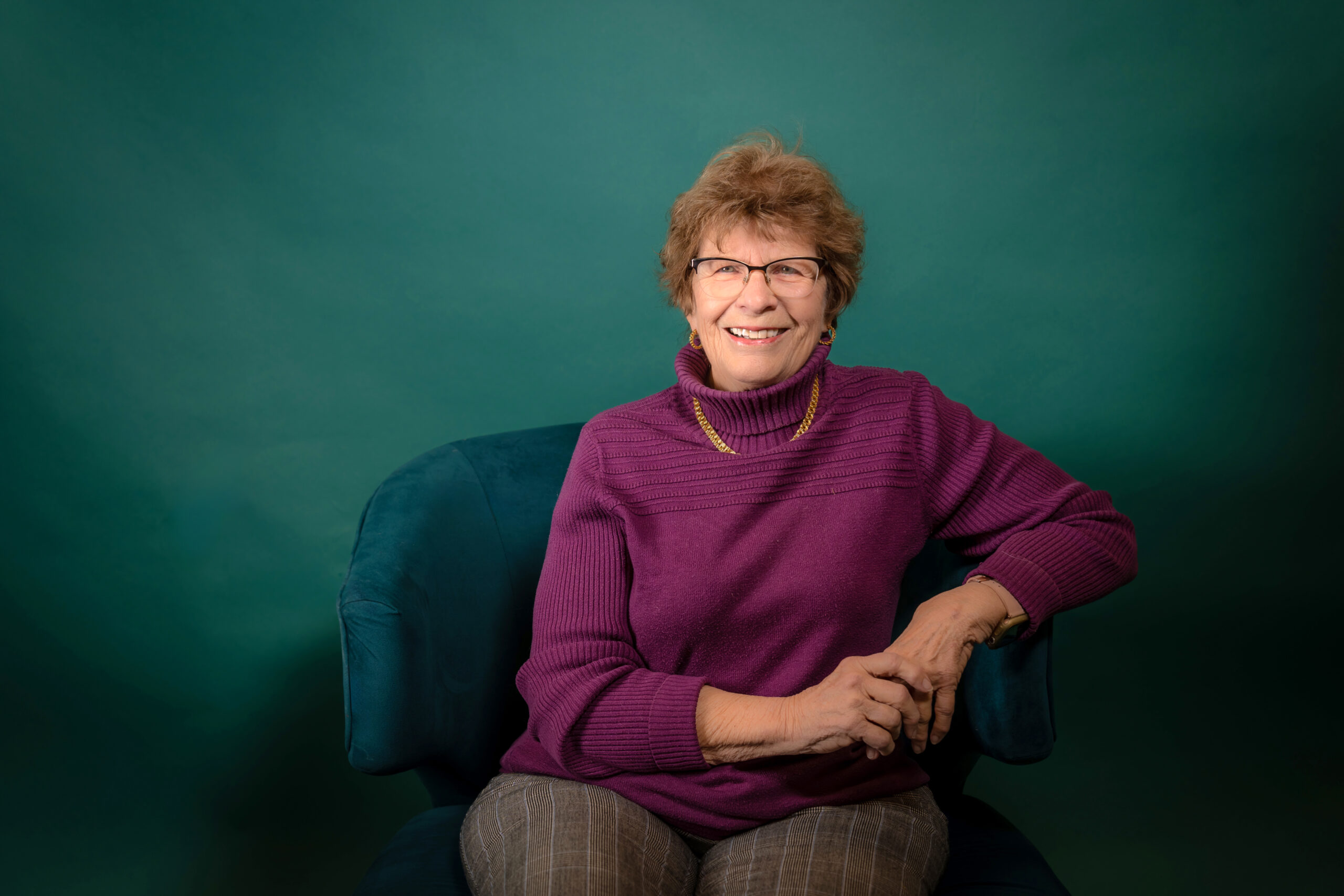
Equatorial Guinea, Ireland, Mongolia, Albania, Sinai Peninsula, Egypt, Jordan — these are just a few of the countries Sally Nist traveled to, and sometimes lived in, during her 20 years as an employee of the State Department. For a long time, globetrotting was literally her vocation. And now, traveling for pleasure is one of her great loves and ambitions.

Originally from Rapid City, Sally called Alexandria, Virginia home for much of her adult life. She retired there in 2008, but recently began to experience a series of heart-related health setbacks that left her in a bind and seriously imperiled her ability to travel.

“I came back to Rapid City about a year ago because I had had a number of health issues and I was in the hospital,” Sally said. “And my family from here — which includes my son, my daughter, my granddaughter — kept taking turns coming back to Alexandria to help me when I got out of the hospital. And so, they finally said, ‘You have to move back to Rapid City. We can’t just keep coming out here whenever you get sick, because you’ve been sick all the time.’ And so, I said, ‘Okay, fine.’ I had lived there for close to 40 years, so it was real hard to leave.”

As soon as she was settled in Rapid City, Sally contacted Monument Health’s Heart and Vascular Institute (HVI) at Rapid City Hospital and requested an appointment with distinguished Interventional Cardiologist Joseph Tuma, M.D., FACC, FSCAI, who came highly recommended by several family members and acquaintances. Sally was informed by HVI that she would be matched with a cardiologist based on an assessment of her records. Her care team was ultimately composed of several physicians from HVI, including Non-Invasive Cardiologist Stephen Wasemiller, M.D., Medical Director of the Advanced Heart Failure program Luis Hernandez, M.D., FACC, Electrophysiologist Ethan P. Levine, D.O., FHRS and, eventually, Dr. Tuma himself.

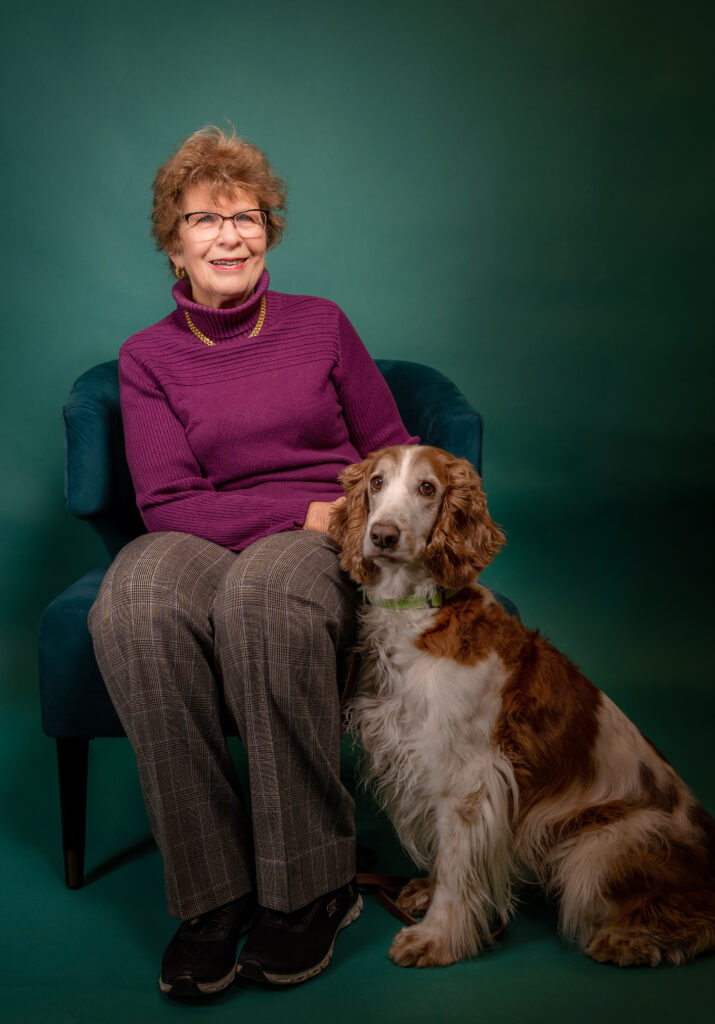
This multi-physician, team approach really stuck out to Sally as a major difference maker. “It just seemed to me like everybody was talking with one another and thinking about how to help me,” she said. “When I left Virginia, I couldn’t walk from my house to the corner, which was like, one house. I couldn’t go up my stairs without somebody literally pulling me up the stairs. So that’s where I was starting; I was not functioning all that great. I have a Welsh Springer Spaniel, Winnie. We compete in dog shows and she is the top novice Welsh in the country right now. I had gone to a dog show in Scottsbluff, Nebraska, and I was doing Rally, which is maybe seven minutes of just walking around the ring. And I literally had to go to a chair. I was just exhausted.”
The HVI team ran tests and modified and added to Sally’s medications. “In Virginia, they did a test where they showed that I had two heart valves that weren’t doing so great,” she recalled. “At Monument Health, they said, ‘Well, I think a pacemaker would help that left side of your heart to work better.’” She agreed to the pacemaker, which would help regulate her heartbeat and manage her atrial fibrillation. The procedure, which Dr. Levine performed, was relatively simple considering the extent of Sally’s heart issues. “They just stick it under your skin. It’s stuck into my heart,” she explained. “And so, for six weeks, you can’t raise your arm above your head, and you have to wear a little sling at night, because they don’t want you to move your left arm — because it might jiggle loose the pacemaker — until the heart kind of grows around it and holds that wire in place.”

Sally was due to go on two separate upcoming vacations, which had been planned before she started treatment. To complicate matters, the trips were occurring pretty much back-to-back. “When I talked to Dr. Levine, I said, ‘Listen, you’ve got to work with me here, because I’ve got two big trips planned. When I go to Hawaii, I’m going to go up to Mauna Kea to do a star gazing trip. Then I’m going to the Mediterranean and I’ve got a dog show in between those.’ He was so sweet. He said, ‘You’re going to do just fine with this pacer. I can tell just talking to you because that’s your mindset.’”

After roughly four months of treatment at HVI, Sally embarked on her two vacations. “Those trips were strenuous. I was very happy because I could keep up,” she said. “I walked easily for hours on every tour. And we signed up for something every day, of course, because that’s what you do. My daughter had gotten these quaint B&Bs to stay in, which sounds great because they’re so quiet, except that they’re like, three floors up in buildings without elevators. So, we’re dragging these dumb suitcases up three flights, and I could do that, too, thanks to my pacer, and thanks to my meds and thanks to the cardio rehab. Now one of my valves is fine. It’s normal. I feel better than I have felt in years and years and years. I’m very happy with everything that’s happened to me at Monument Health.”
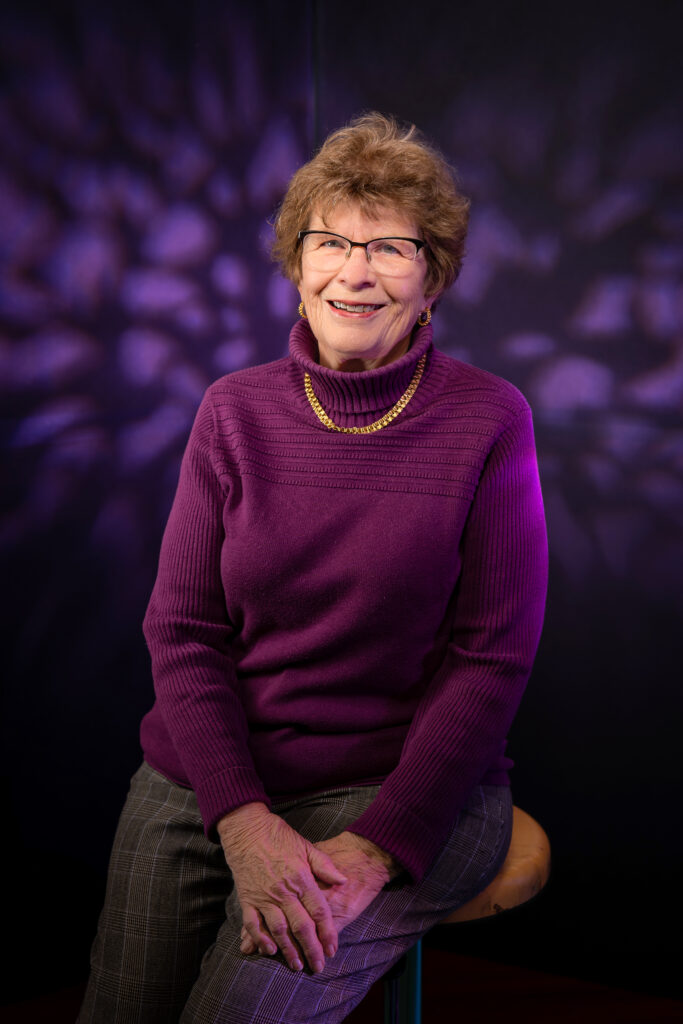
Thanks to the care she received at HVI, Sally can pursue her retirement journeys with renewed vigor. “I travel a lot with my dog, because I have to drive forever and a century to go to a show.

No matter where you go around here, it’s really far,” Sally said. “Also, for several years I have completed three-week work projects with Global Volunteers. I have worked in Cuba twice, Costa Rica twice and once in Italy. All of these projects were mainly teaching English but because we live within the communities — often at private homes — we seem to get more than we give. I was reluctant to sign up for that project again, but now that I feel so great, I plan to do so next summer.”

There is, though, one small complaint Sally has expressed to HVI. “When I first went to see Dr. Hernandez, — who I loved — I said, ‘I hate the name of your group.’ And he says, ‘What do you mean?’ I said, ‘It’s called the Heart Failure Group. It makes me feel so sad.’ And so later, I got a letter from him, and Heart Failure is crossed off, and instead it says, Heart Success.”

Story: Kory Lanphear
Photos: Bob Slocum
A Stroke of Luck

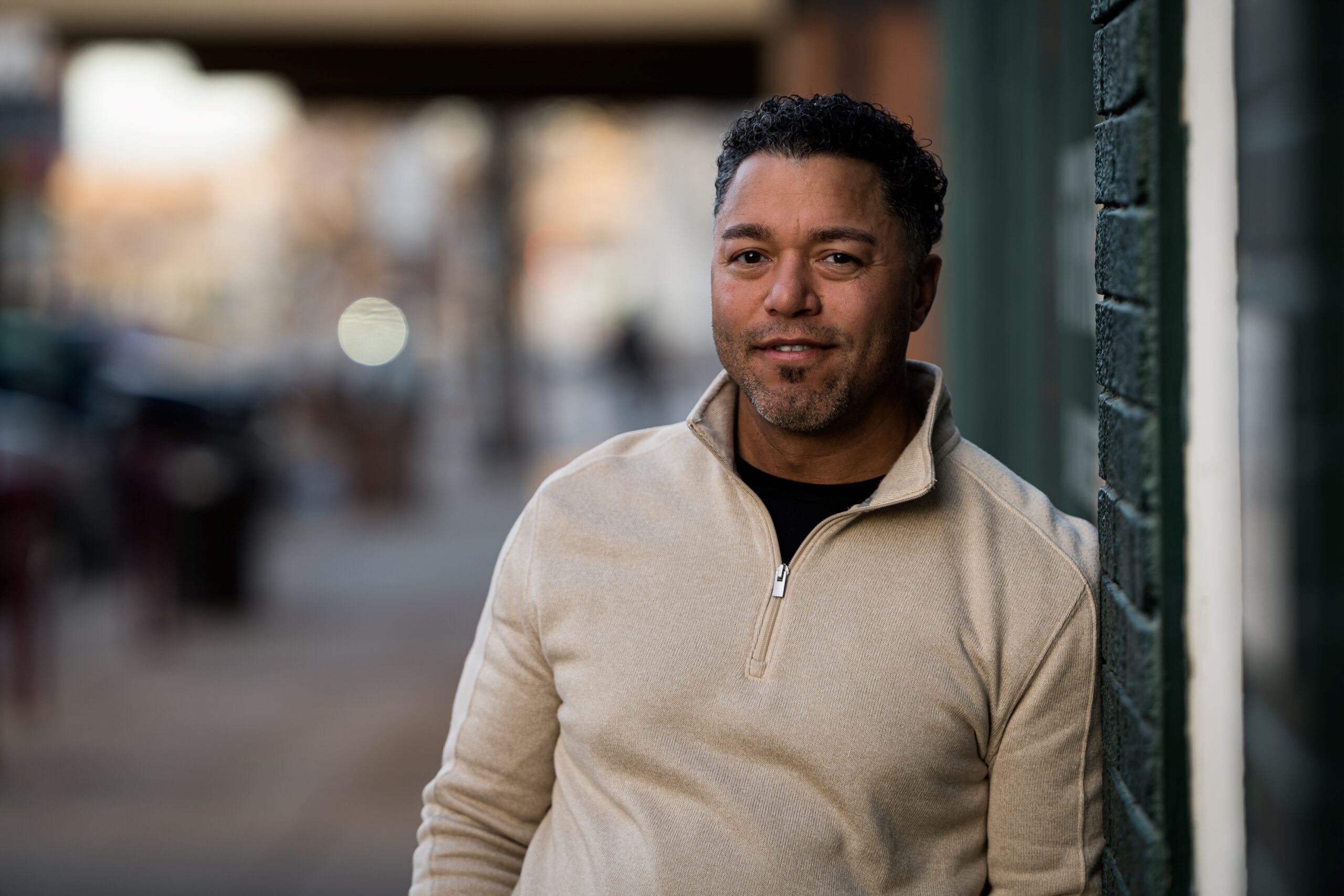
Sitting at his home, watching a Saturday football game this past September, Domico Rodriguez, 45, Executive Director of the Rapid City Sports Commission, discovered that he suddenly could not move his right hand. “I didn’t know what was going on, but I knew something was off,” Domico says. “I was trying to just figure out how to keep myself calm.” At some point during Domino’s initial experience of symptoms, he began to speak what he describes as gibberish, which his son took to be Spanish, even though Domico does not speak fluent Spanish. Soon after, he became unable to talk altogether.

His wife got him to Rapid City Hospital, it was there that emergency doctors determined that Domico was experiencing a stroke. “Everyone kind of jumped into action, and they wheeled me off, and I heard them say, ‘Get him into surgery.’ I was in surgery probably within 30 minutes of walking into the ER.”

The stroke collapsed an carotid artery and caused bleeding on Domico’s brain. Surgeons maneuvered a stent through his right arm and up behind his ear to fix the artery. Domico was put under the care of Jae Kim, M.D., Neurology and Rehabilitation, an Interventional Neurovascular Specialist who joined Monument Health in Spring 2021. Dr. Kim performs clot retrievals, aneurysm care and a broad range of interventions for blocked and ruptured blood vessels in the brain. Together with neurologist Lien Diep, M.D., Dr. Kim’s work has been key to establishing a comprehensive stroke program ensuring patients like Domico receive life-saving care, close to home.  

After surgery, Domico was placed in the ICU for recovery. It wasn’t initially clear how damaging the stroke would prove to be, and, as Domico regained consciousness and control over the right side of his body, he found that was still unable to speak. At a post-surgery consultation with Dr. Kim, Sunday morning, Domico could understand what was being discussed, but he could not say anything himself. “My entire life revolves around sports,” he says, “for the betterment of the community. I am in front of cameras. I’m doing all this stuff from a PR standpoint. I talk for a living.” He began to worry that he would not be able to speak ever again.

Early Monday morning, though, during a routine check in with a nurse, Domico was suddenly able to speak again. The nurse called Domico’s family and summoned doctors and caregivers, including Dr. Kim. The development was deemed a minor miracle. Not long afterward, Domico was discharged from the hospital.

Although he felt about 90 percent recovered upon discharge, Domico’s family and doctors insisted that he stay home from work and recover, at least for a week. The following Saturday he was back on the sidelines coaching his son’s football game. He returned to his normal daily routine on Monday, two days later.

Domico did some initial speech therapy exercises to help jog his memory and practice words by association and found that his speech ability reformed rather quickly. The only remaining adverse effects from Domico’s stroke seem to be that he tires faster, which can cause him to slur and stutter. “My life is busy. And for me, to get back to work so quickly, and getting back to normal so quickly is kind of how I function,” he says. “And so that was my goal: to get back on the football field in a certain amount of time, get back to work, play golf with my friends a week later or two weeks later. And so that helped me, I feel, to recover. I’m pretty lucky.” 

Beyond luck, Domico credits the quick actions of his wife and the decisiveness of his emergency caregivers, surgeons and staff in various departments throughout the organization. “Everyone was so good at Monument Health about follow-up appointments, and knowing that my insurance was getting ready to expire too, like, ‘Hey, we want to help you in that regard.’ And that was something that I was not expecting,” he says. “And they were like, ‘Well, let’s see what we can do.’”

Monument Health helped Domico get a reduced wait time to see a speech therapist and quickly get a sleep study, which resulted in Domico receiving sleep apnea care. Through continuity of care, this process was accelerated, he says, “Because they also wanted to find out what’s going on.”

It seems Domico’s stroke was just a freak occurrence, one of those things without apparent cause. “Being in decent shape, relatively young, that adds a big piece to the recovery,” he says. “The ER doctor told me, ‘If you have a stroke, you’ve got four hours to get help, because that’s your brain’s recovery time.’ So it was probably two hours from the time that I started the stroke to when surgery was completed. That also helped because it happened so fast, and Monument Health was there to treat it so fast. And that’s probably the reason why I was able to recover so fast.”

Story: Kory Lanphear
Photos: Robert Slocum

Winter weather impacts clinics

RAPID CITY, S.D. (6 a.m., Jan. 23, 2025) – A number of winter weather advisories and road closures are impacting Monument Health Clinics. Due to the winter weather a number of clinics have adjusted hours.

Opening late:
Sturgis Clinic will open at 9 a.m.

Lead-Deadwood Clinic is opening at 10 a.m.

All inpatient and emergency departments at Monument Health hospitals in Rapid City, Sturgis, Spearfish, Lead-Deadwood and Custer will serve patients throughout the storm.

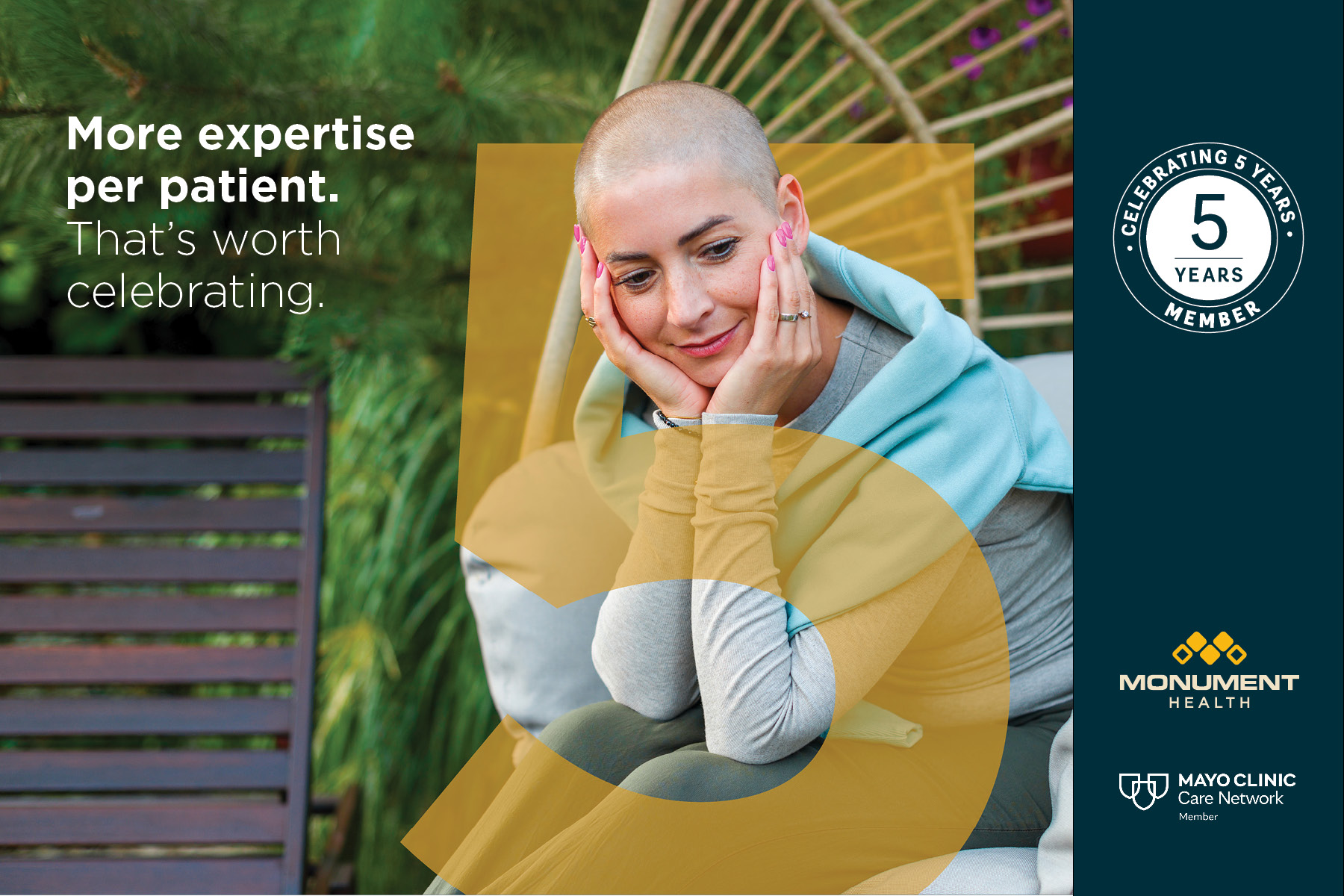
Monument Health celebrates 5 years in Mayo Clinic Care Network

RAPID CITY, S.D., Jan. 20, 2025 – Monument Health is celebrating its five year anniversary as a member of the Mayo Clinic Care Network. Through this membership, our physicians and providers get special access to Mayo Clinic resources, knowledge and teams of specialists. 

“Physicians and providers from Monument Health can combine their understanding of their patients’ medical needs with Mayo Clinic expertise,” said Brad Archer, M.D., Chief Medical Officer, Monument Health. “Patients get exactly the care they need, close to home, at no additional cost to the patient.” 

“Our collaboration with Mayo Clinic reflects Monument Health’s dedication to providing the highest quality care for our patients,” said Paulette Davidson, President and CEO Monument Health. “By collaborating together, we reinforce our commitment to delivering trustworthy, cutting-edge care and reassurance to the communities we serve.”

As a member of the Mayo Clinic Care Network, Monument Health has access to: 

  • AskMayoExpert

This point-of-care tool offers concise clinical information on hundreds of medical conditions, and includes medical protocols, treatment recommendations and medical references. The tool can be used wherever health care is provided. 

  • eConsults

eConsults enable Monument Health physicians to contact Mayo Clinic specialists for second opinions on specific patient cases when they believe additional input will benefit their patients. 

  • eBoards

These live video conferences enable Monument Health’s medical teams to review and discuss complex cases with a Mayo Clinic panel and other doctors in the Mayo Clinic Care Network.

  • Health Care Consulting

Monument Health can access Mayo’s extensive experience, knowledge and subspecialty expertise to attain clinical, operational and business goals.

Monument Health staff members can also use Mayo Clinic’s patient education materials, and access opportunities for professional development and continuous medical education.

Created in 2011, the Mayo Clinic Care Network has more than 40 member organizations across the U.S., and in Asia, Mexico and the Middle East.

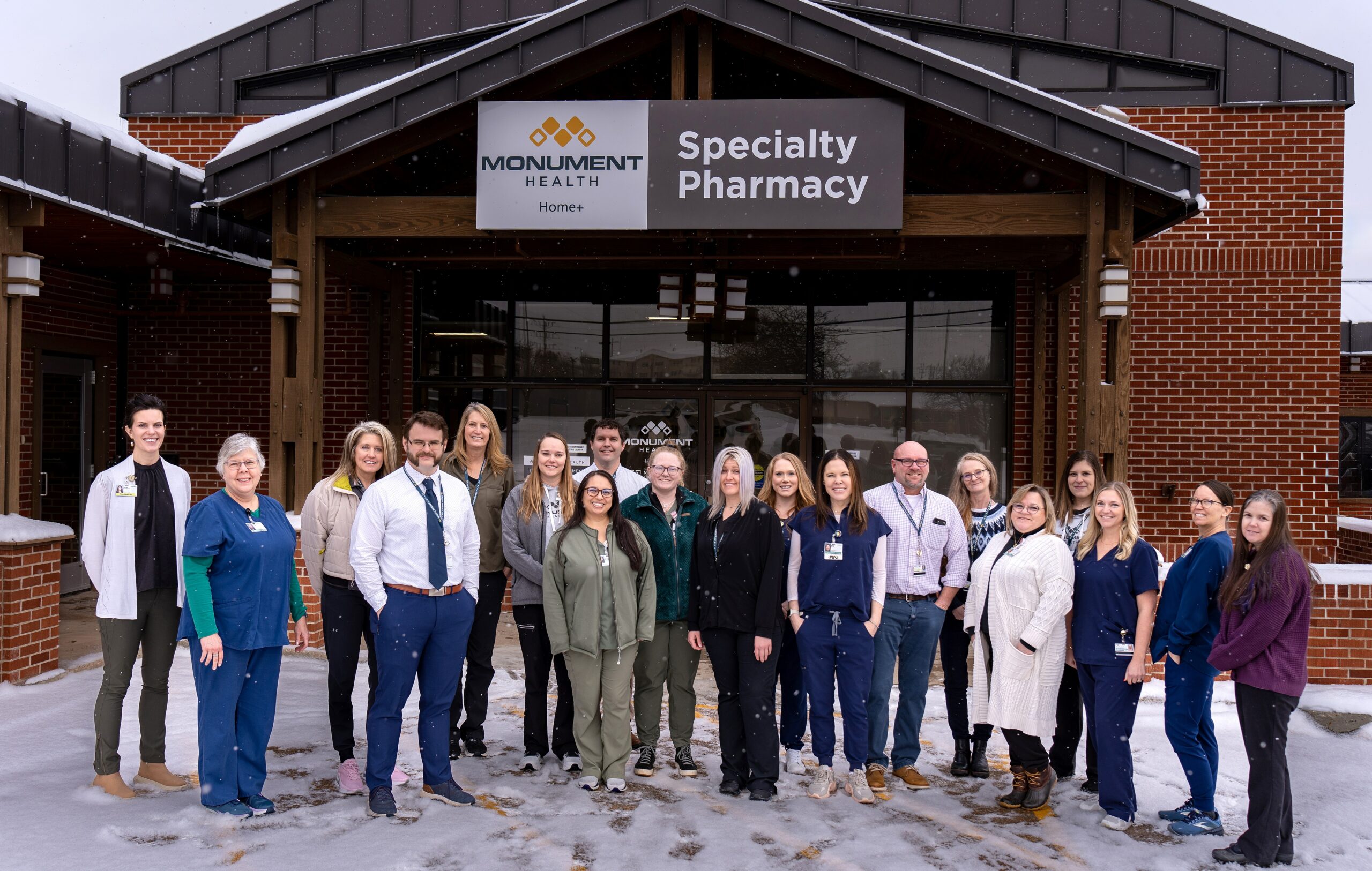
Home+ Specialty Pharmacy: Taking It Personal

When a patient is diagnosed with a long-term illness, there are worries that go beyond the already overwhelming immediate concerns of mentally processing such a diagnosis and seeking treatment. Many patients require medications that are not available at a typical pharmacy. “These are patients with chronic disease states,” says Karen Kelley, RN, Therapy Management and Accreditation Lead Nurse for Home+ Specialty Pharmacy. “It’s not just cancer. There are inflammatory conditions like rheumatoid arthritis and ulcerative colitis or multiple sclerosis. These people may be going through this journey for their entire lives.”

Fortunately for patients in our region, Monument Health Home+ Specialty Pharmacy in Rapid City is there to help navigate the medicine aspect of those trying and ongoing circumstances.

That’s why at the 2024 National Association of Specialty Pharmacy (NASP) convention, held at Gaylord Opryland Resort & Convention Center in Nashville, Tennessee, Monument Health Home+ Specialty Pharmacy was recognized as the Trust & Confidence in the Pharmacist or Nurse Key Driver winner. The award is based on the results of the 2023 Patient Satisfaction Survey Program as administered to top specialty pharmacies in the United States by SullivanLuallin Group (SLG).

“There’s some really big players in the survey: Senderra, Johns Hopkins, UC Davis Health, Nebraska Medicine, St Luke’s,” says Karen. “The NASP puts out results for the satisfaction survey quarterly. And then at the end of the year, at their national convention, they recognize top performers for a patient’s high level of satisfaction. We joined this particular service two years ago and this is actually our first year of results. So it was for the calendar year of 2023.”

The recognition affirms that Speciality Pharmacy’s patients are very much satisfied with what is, by design, a very intentional and personalized effort. “We treat the patient, not the prescription,” says Leonard Petrik, Pharm D, CSP, Specialty Pharmacy Supervisor Pharmacist. “Unfortunately, there’s a lot of big, usually insurance-owned specialty pharmacies which patients are forced to use based on their insurance. We try to keep the costs at like at five or $10 — oftentimes zero — when they leave the pharmacy for medications that, on average, can be anywhere from, $1,000 a month up to $40,000 a month.” 

“Nobody can ever pay that,” adds Karen. “And so the confidence and trust speaks to that. They know that we’re going to advocate for them. They know that we’re going to educate them, that we’re going to follow them through, make sure that they’re getting the medicine properly, and then we follow up with them periodically to make sure it’s working for them.” 

That advocacy comes via nurses designated specifically for work at Specialty Pharmacy and who follow specific patients through specific disease states. “A lot of the other specialty pharmacies in the nation are completely mail order. They’re closed door. They don’t see their patients. We have the ability to talk to our patients face to face and train them with injectable devices, for example, because a lot of these patients have never injected a medication in their entire lives,” Karen says. 

“We have folks that are in facilities, and we’re able to work with the nurses at the facilities to take care of those patients as well,” adds Leonard. “Our model and how we treat people, and the individualized care that we were able to provide is probably different from any specialty pharmacy in the world. We’re the only specialty pharmacy in a very large geographic area. The closest one is probably Sioux Falls, 350 miles away. We have couriers that we employ that take medications directly to patients’ homes. They go up all the way to North Dakota, over to Eastern Wyoming and hit places along the way, go down into the reservation areas, down into Nebraska, pretty much almost the whole western side of South Dakota. And we utilize UPS next day shipping for Arizona Snowbirds.”

“That’s the furthest state that we’re licensed in.” says Karen. “We want to keep it local, but we want to make sure that we’re meeting the needs of our local folks who are away for the winter.”

The personal touch and quality over quantity approach also applies to the certified pharmacy technicians that function as patient financial advocates and work with insurance companies on behalf of the patient or proactively set up refills. “A lot of the companies are selective about the pharmacies that they will allow to dispense their medications,” says Karen. “Sometimes you have to meet a certain mark to be able to access these medications for these patients. And so this kind of recognition helps us to get better access to both patients and medications, to be a better provider for the people in our community.”

“We’re very proud of what we provide to patients in this area. A lot of folks have never heard of a specialty pharmacy and have no idea what it is, until, you know, fortunately, we’re able to take care of them, but unfortunately that means they’ve got some sort of a disease state that’s scary and typically, expensive,” says Leonard. 

“That’s a hard pill to swallow,” adds Karen. “And it’s definitely difficult to face alone because they’re being told that they have to take this medication that has this laundry list of possible side effects. So it’s nice to be able to provide a very important aspect of closeness and community and resources patients need that they otherwise may not have access to.”

Story: Kory Lanphear
Photo: Bob Slocum

Monument Health Awarded Gold Recognition Level from the American Heart Association for Promoting a Healthy Work Culture

2024 Well-being Works Better™ Scorecard recognizes standouts in employee health and well-being

Rapid City, SD, Jan. 16 2025 — The American Heart Association, a global force for longer, healthier lives for all, has awarded Monument Health Gold Recognition Level recognition in the 2024 Well-being Works Better™ Scorecard, representing a notable commitment to the health of its workforce and community.

Built on the Association’s 100-year history of saving and improving lives, the Scorecard brings together emerging research and input from leading experts to help employers create a healthy and effective work environment. Organizations can earn a recognition level of Bronze, Silver, Gold or Platinum based on their adherence to the Association’s science-backed recommended practices in areas such as health equity, burnout prevention, compensation and benefits, and more.

Monument Health utilizes the American Heart Association Well-Being Works Better Scorecard to assess its implementation of best practices for improving the health and well-being of its workforce. By leveraging the Scorecard, Monument Health is able to identify strategic priorities and maintain accountability for enhancing the LiveWell program annually. The organization’s dedication to continuous improvement is reflected in its consistent recognition, with a steady progression from Silver in 2018 to Gold in 2023. Driven by the ambition to achieve Platinum status, Monument Health has demonstrated excellence in several areas of the Scorecard, including Communications, Programs & Interventions, Engagement, Community Partnerships and Advocacy.

“Our employees are the heart of our culture, and we know that when they’re healthy, our organization is too. The Scorecard gives us an in-depth look at our well-being strategy with valuable insights to help us best support our workforce and stay competitive among our peers,” said Trina Allen, Monument Health Vice President of Human Resources.

“We’re proud to recognize organizations like Monument Health that have made bold moves to build workplaces where everyone can thrive,” said American Heart Association CEO Nancy Brown. “By completing the Well-being Works Better Scorecard, these leaders have shown an incredible dedication to the health of their businesses and communities, and their contributions are helping us bring to fruition a world of longer, healthier lives for all.”

The American Heart Association’s Well-being Works Better is a curated solution for fostering and evolving a healthy work culture while supporting employees’ health—mind, heart and body. The Well-being Works Better Scorecard helps leaders assess their health and well-being strategy based on leading best practices. On completion, organizations receive access to a results dashboard with exclusive industry benchmarking data and resources for continued learning and improvement.

Visit heart.org/workforce to learn more and view the full list of recognized employers.

WIC Goes Mobile

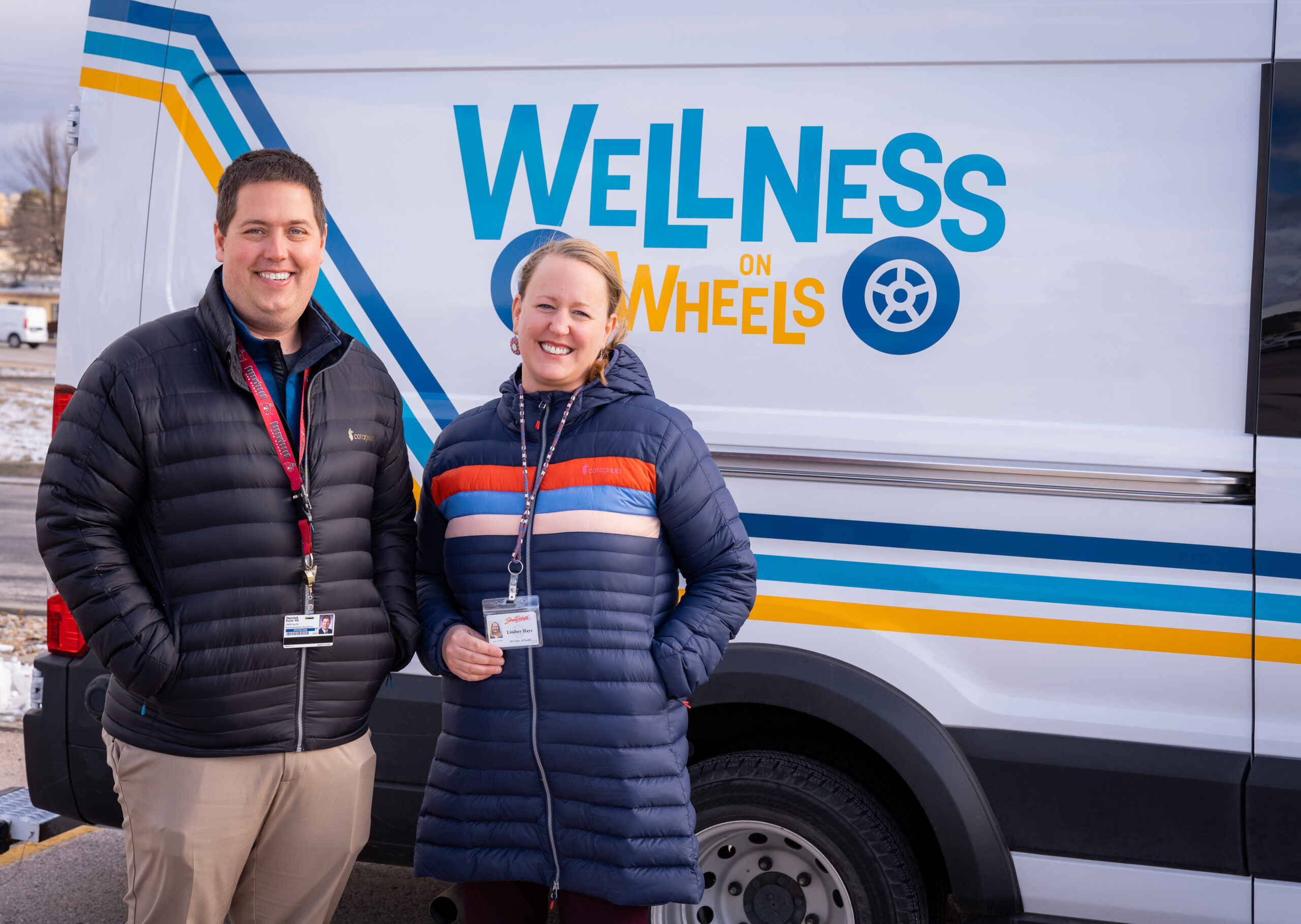
The South Dakota Women, Infants and Children (WIC) program’s monthly mobile visits kicked off on December 10 at Family Medicine Residency Clinic in Rapid City. Braving frigid winds and biting cold, Lindsey Hays, RDN, LN, CSR, WIC Dietitian Manager, West Region, and her team from South Dakota Department of Health huddled in their van to offer nutrition advice and breastfeeding support to women who are pregnant or those who are caring for a child five years old or younger. 

“It’s a one stop shop to answer questions about WIC, lower barriers, to get people on the WIC program, and also just interact with people who are interested in WIC,” Lindsey says. “We have this big box of nutrition focused toys and interactive games for kids. The idea is we would keep the kids busy and do maybe some educational stuff and then do business with parents or guardians. But we do involve the kids in the WIC visits, as well. We do hemoglobin screening, which is a marker for iron level of anemia. One of the reasons WIC was created 50 years ago was to help prevent problems related to malnutrition that affect pregnant women and infants. Low iron is one of those things that we address. We also do heights and weights and provide recipes. We are an extra layer of support for populations that are most vulnerable. Connecting people to resources is just one of the many reasons that we’re excited about the van.”

Going forward, a WIC mobile unit will be in Rapid City the second Tuesday of each month. “We want to reach people where they are, so this particular van is actually slated for Pine Ridge”, Lindsey says. And we’re getting two new vans. One’s going to go to Sioux Falls, and the other one will be here in Rapid.” Lindsay and her team are eager to hear feedback from the community about how to best serve those who need access to what the WIC mobile unit can provide. “We are learning a lot in the process, and we’re really excited that we’re kind of getting our feet wet in this area,” she says.

The WIC van will also have a presence at our annual Health Summit during the Black Hills Stock Show at The Monument at the end of January.

Click here for dates and times the WIC van will be at FMR. Schedule may adjust for extreme weather conditions.

Story: Kory Lanphear

100 Mile Caregiver

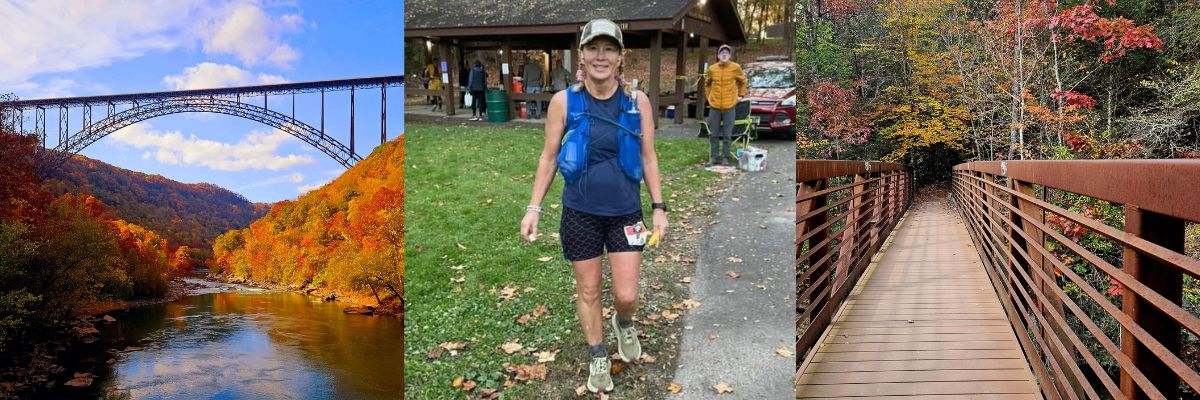
In late October, Kari Griffin, RN, Orthopedics and Sports Medicine, completed the Rim to River 100 endurance race in Fayetteville, West Virginia. “It was an amazing experience,” says Kari. “The race started at 6 a.m. on Oct. 26 and I finished 28 hours and 13 minutes later on Oct. 27.”

An out and back course covering 100 miles, the race consists of 84 trail miles, 6 miles of dirt road and 10 miles of paved surface with a 12,000 ft. ascent and descent at an elevation range between 823 and 2,015 feet. The varied terrain and elevation changes require some strategizing about when to run and when to conserve energy. Although some people may be able to run the entire race, Kari says that most people run the parts that they can and then slow to a hike for the big inclines. “You definitely slow down the second half of the race, so you do more speed walking and hiking the second half of the race,” Kari says.

Kari signed up for Rim to River 100 on New Years Eve, 2023. It customarily sells out in about 10 minutes for a mere 250 spots. “I basically started training immediately after signing up,” she says. “Training is like having a second job. It consisted of running five days per week in-town during the week, and trail running on the weekends. The furthest I previously ran was 54 miles at Black Hills 100 Ultra Marathon as they have multiple options for race distances. I feel like running in the Black Hills is great training because of all the hilly terrain we have.”

Rim to River 100 racers must finish within 32 hours, so there is no opportunity for sleep, which means racers keep going at night. “My husband, Gene, joined me as a pacer throughout the night, and tackled 43 miles himself. He did an amazing job, and his company was a delight throughout the night,” Kari says.

There are aid stations about every 7-10 miles to stop and refill water bottles and eat, when desired. While at an aid station, racers can also change socks and shoes. Kari tried to hurry through the aid stations, though, to make sure she kept up a pace to finish on time. However the aid stations could be very enticing. “They had the most delicious food ever! My new favorite is a mini pancake, filled with mashed potatoes, and bacon,” she says. “And who could pass up OREO Double Stuf cookies and perogies? They also had M&M’s cookies, warm, fresh, out of the oven.”

“I loved every single step! The countryside was absolutely gorgeous. We crossed so many beautiful bridges, including going across the New River at New River Gorge,” Kari relates. “I was so happy how it went, taking second place in my age group, given that my goal was to just finish in the allotted time of 32 hours.” Kari also finished a very impressive 15th in her division and 94th overall.

You might think the day after such a punishing endeavor would call for some customary rest and relaxation. But not so for Kari. “The day after the race I was pretty sore. I try to make my races into a vacation and I like to see as much as possible while we are away, so the day after we did some sightseeing and small hikes to loosen up. I find that keeping moving really aids in recovery.”

Not content to bask in the afterglow of this momentous achievement, Kari is already looking ahead to the next competition. “I race as frequently as I can. I am going to Colorado to do a 100k in April and then to do some 50ks and am planning another 100 this fall but have not decided which race yet.”

For those who might be debating undertaking a similarly demanding challenge, Kari has this advice to offer: “I highly recommend this race, and to push yourself to do things you never thought possible because humans are made to complete hard things.”

Story: Kory Lanphear

Monument Health and Mayo Clinic: Celebrating Five Years of Collaboration

2025 will mark the five-year anniversary of Monument Health’s membership in the exclusive Mayo Clinic Care Network (MCCN). Originally announced on Jan. 17, 2020, the collaboration benefits patients and Caregivers alike. As the only MCCN member in the region, our Physicians are able to consult Mayo Clinic’s deep specialist knowledge and distinguished medicinal expertise as one of the most highly respected health care providers in the world. Likewise, patients can access Mayo Clinic’s Health Information Library for additional reference resources as an adjunct to the materials and care they receive at our hospitals. Additionally, patients have the option to seek a second opinion from Mayo Clinic physicians via e-Consult and Physicians can collaborate with Mayo Health staff on case reviews.

The e-Consults have been an especially effective benefit for Monument Health. Since joining MCCN, 2,574 e-Consults have been ordered. Diagnoses have over an 80% concurrence rate when a second opinion is sought from Mayo Clinic. Confidence rate reassures our patients that they are receiving the highest quality care possible, right here close to home.

Monument Health is proud and excited to continue to develop this important collaboration with MCCN. The five-year anniversary presents the perfect opportunity to emphasize the benefits that the MCCN alliance offers our communities and to remind our patients that Monument Health goes beyond the status quo to earn the privilege to be here for generations to come. And our hope is that Mayo Clinic will be right there with us. 

Find out more about the Mayo Clinic Care Network: monument.health/mayo-clinic-care-network/

Monument Health Informed of Data Breach

RAPID CITY, S.D. (Dec. 19, 2024) – Monument Health was informed that one of its vendors, Change Healthcare, had a data breach that could affect approximately 26,000 Monument Health patients.

Change Healthcare (CHC) is a healthcare technology company that connects patients, providers and payers in the US healthcare system. They offer products for revenue cycle management, payment management, and health information exchange.

Change Healthcare was the target of a ransomware attack in February 2024, which compromised the protected health information of at least 100 million people. This is the largest known breach of protected health information at a HIPAA-regulated entity.

CHC informed Monument Health on Monday, Dec. 16, 2024 that some of its patients were impacted. CHC is sending notices via mail to patients whose information was affected.

If you are among the patients affected, you will be contacted by CHC. The company advises affected patients to monitor their credit reports and account information and to check for unfamiliar activity. If suspicious activity is observed, affected individuals should promptly contact the institution at which the account is maintained.

CHC is offering free credit monitoring and identity theft protection services to anyone – regardless if they were directly impacted by the breach.

If you have questions, you may call the CHC dedicated assistance line at: 1-866-262-5342. For more information please read the notice by CHC here: https://www.changehealthcare.com/hipaa-substitute-notice.html.