Monument Health Supports Preservation of Medical History with $150,000 Gift to Historic Rapid City

RAPID CITY, S.D. (March 19, 2025) – Monument Health announced a $150,000 donation to Historic Rapid City (HRC) to support the restoration of the McGillycuddy House, a landmark that will soon showcase the region’s rich medical heritage.

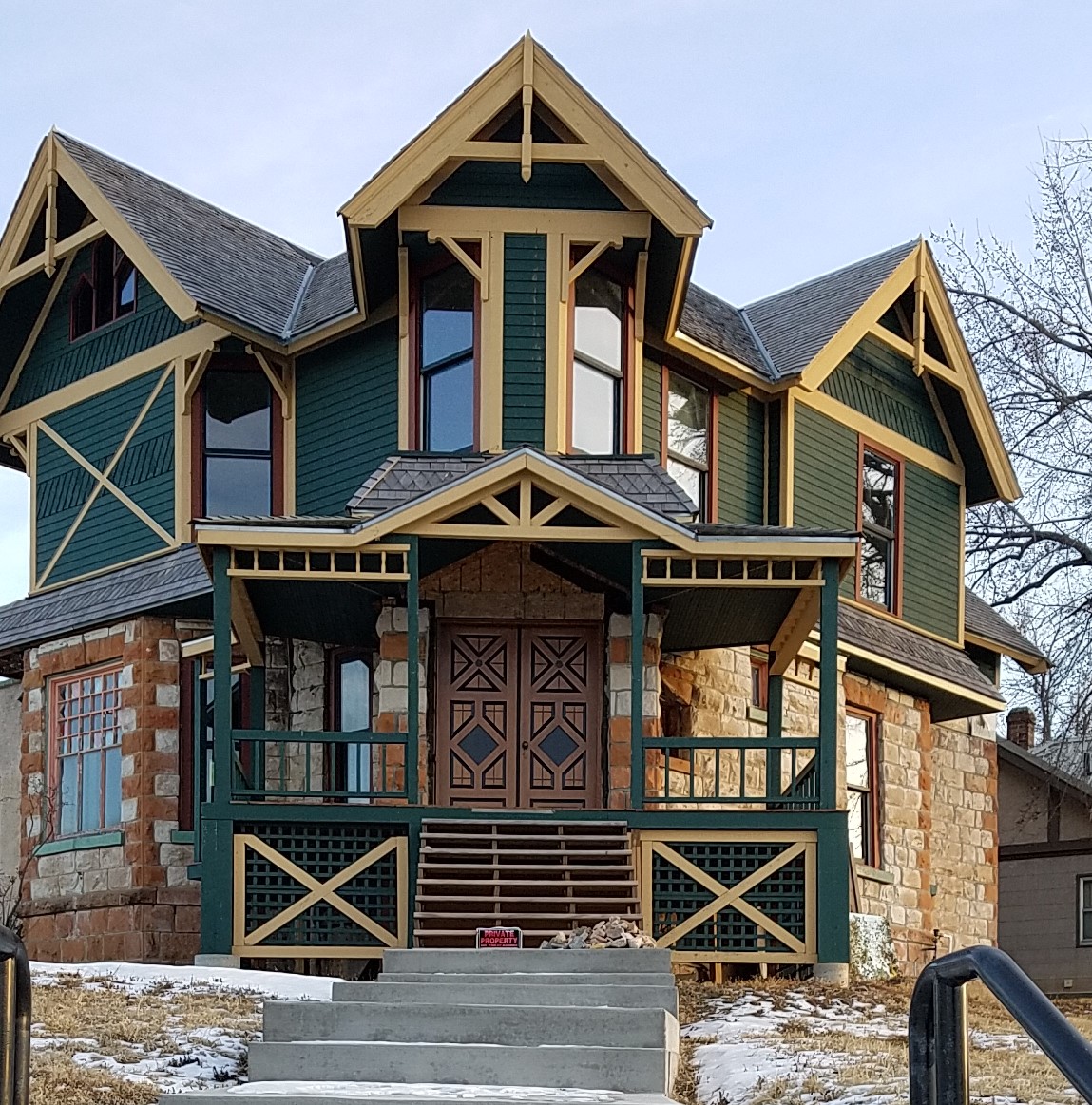
The donation enables HRC to complete construction work on the historic residence of Valentine McGillycuddy, the first doctor to be appointed Surgeon General mayor, one of the first mayor’s of Rapid City and a significant figure in early South Dakota health care. Once restored, the property will serve as a medical museum, preserving and sharing the story of health care development in the Black Hills region.

“This restoration project perfectly aligns with Monument Health’s commitment to our community’s heritage,” said Brad Archer, M.D., Monument Health Chief Medical Officer. “By preserving the McGillycuddy House, we’re not just saving a historic building – we’re creating a space where future generations can learn about the evolution of health care in our region.”

Built in 1887, the McGillycuddy House at 727 South Street represents a crucial piece of Rapid City’s history. Dr. McGillycuddy served multiple influential roles in the community’s development, including mayor of Rapid City, dean of the School of Mines and president of the regional Lakota Bank and Investment Co. His appointment as South Dakota Surgeon General and participation in the state Constitutional Convention further cemented his legacy in state history.

Historic Rapid City recently acquired the property to preserve this important landmark. The organization plans to use Monument Health’s donation to complete the restoration work, employing skilled trades people to ensure the house is properly restored to its historic character.

“The transformation of the McGillycuddy House into a medical museum will provide a unique opportunity to showcase the progression of healthcare in our region,” said Darla Drew, Executive Director of Historic Rapid City. “Monument Health’s generous support makes it possible to preserve this important piece of our community’s history.”
Wrapped with Care

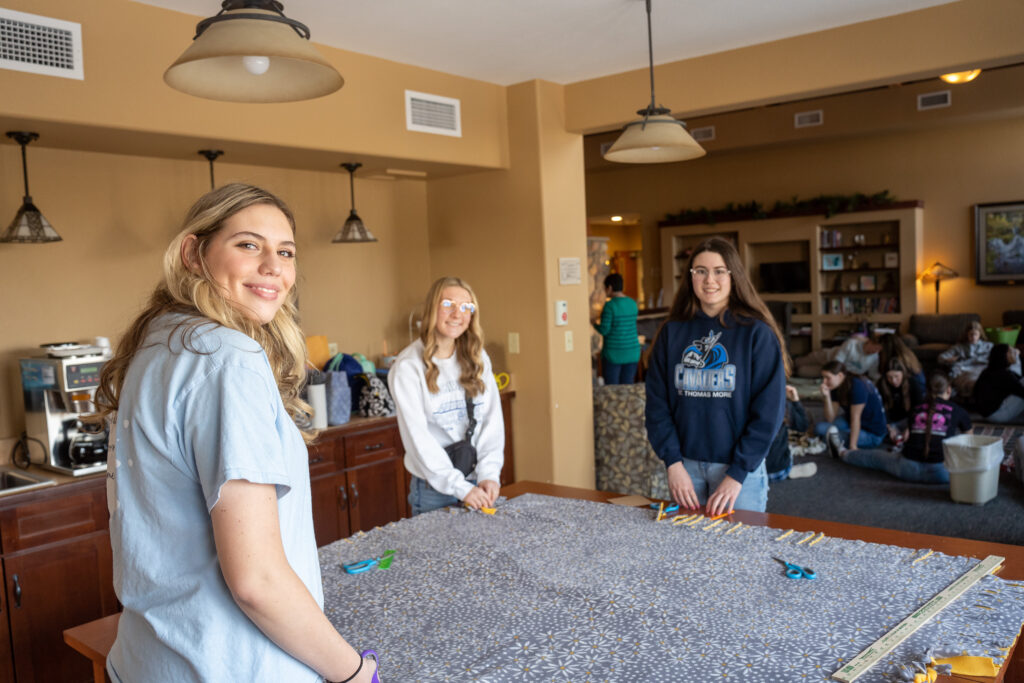
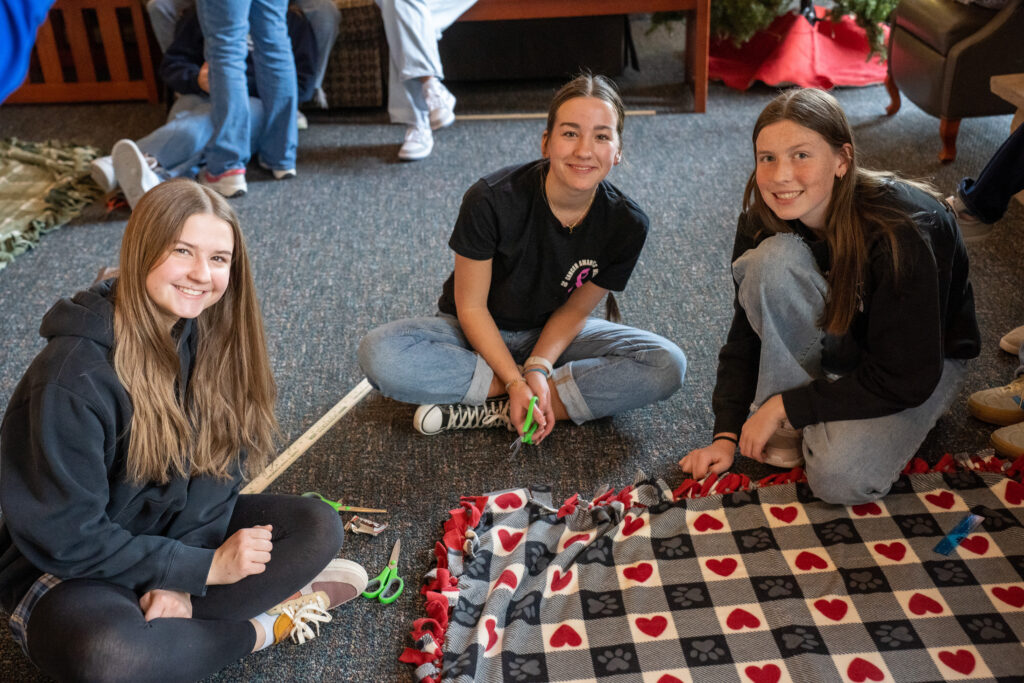
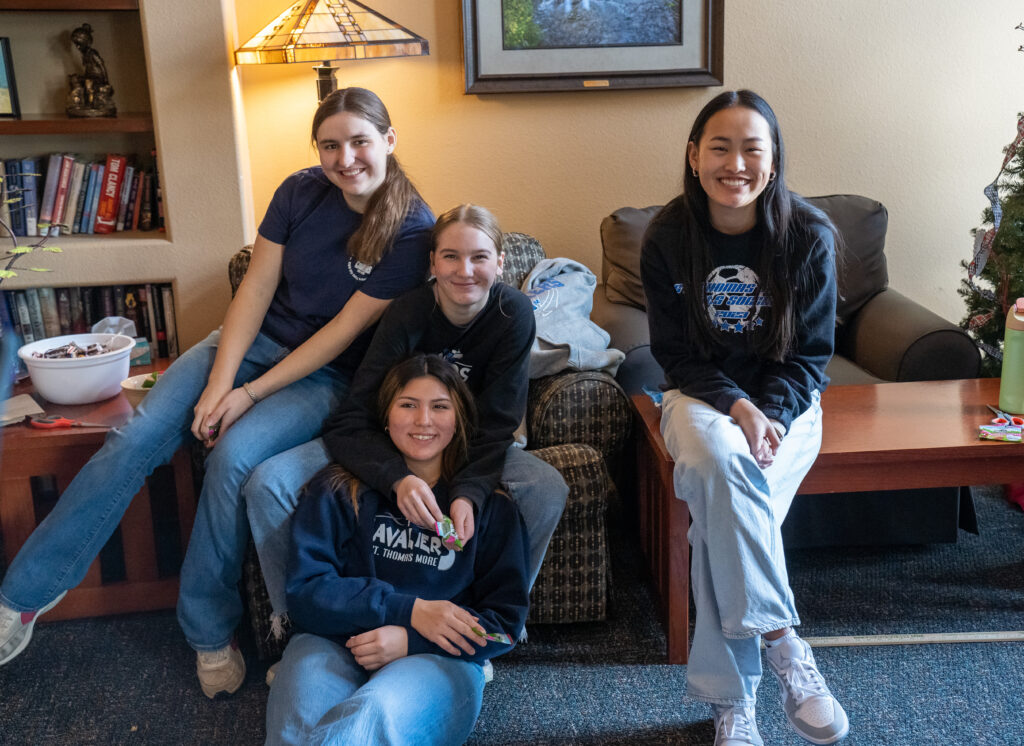
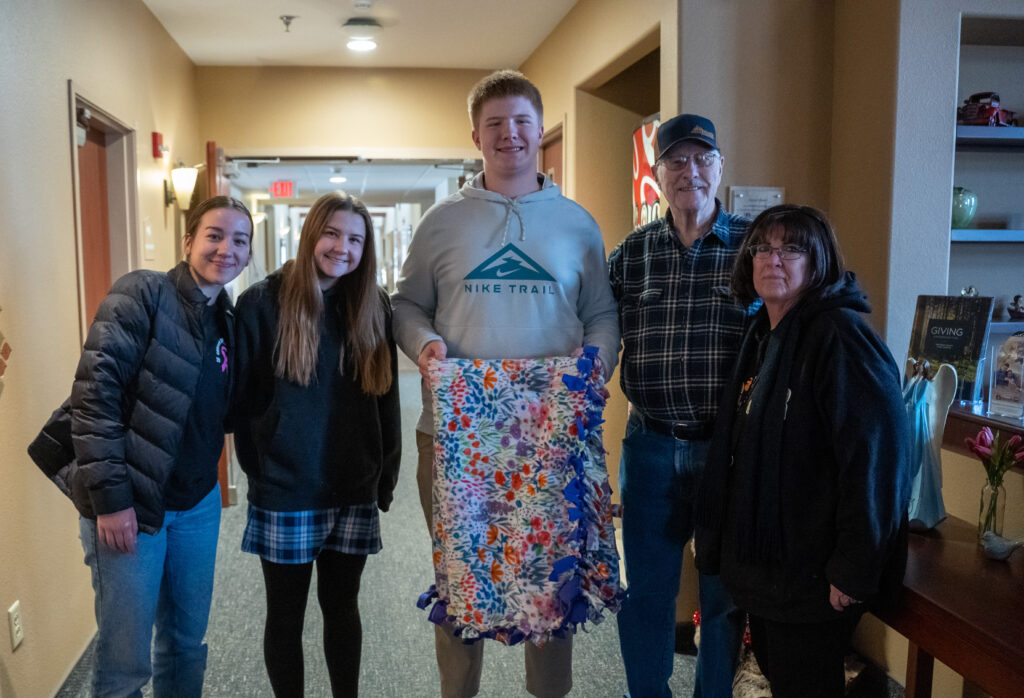
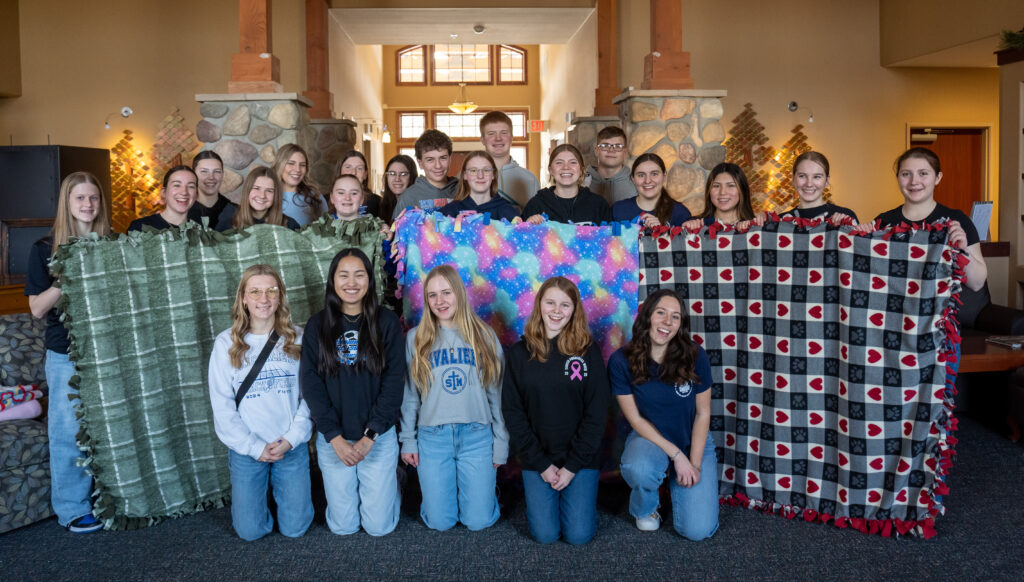
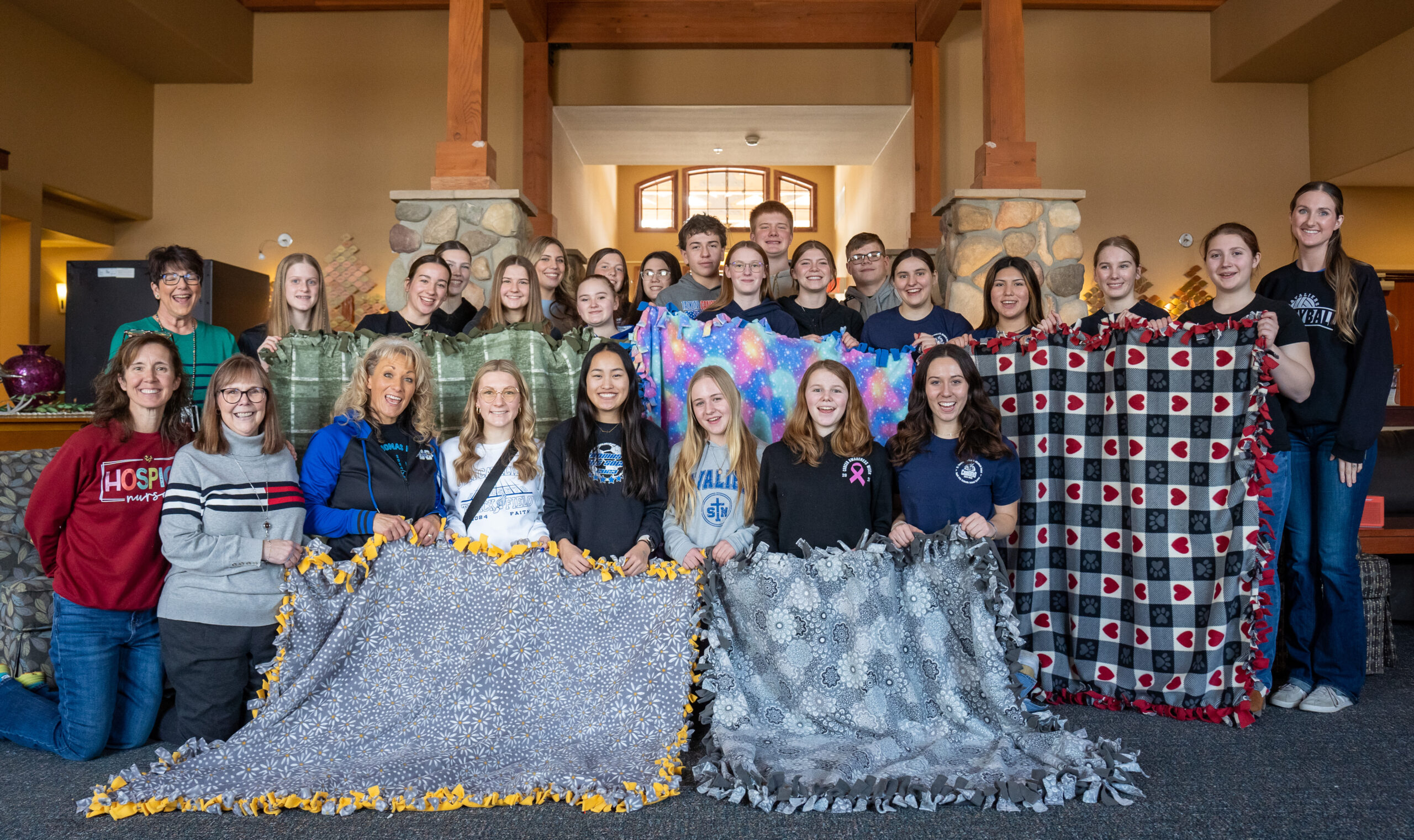
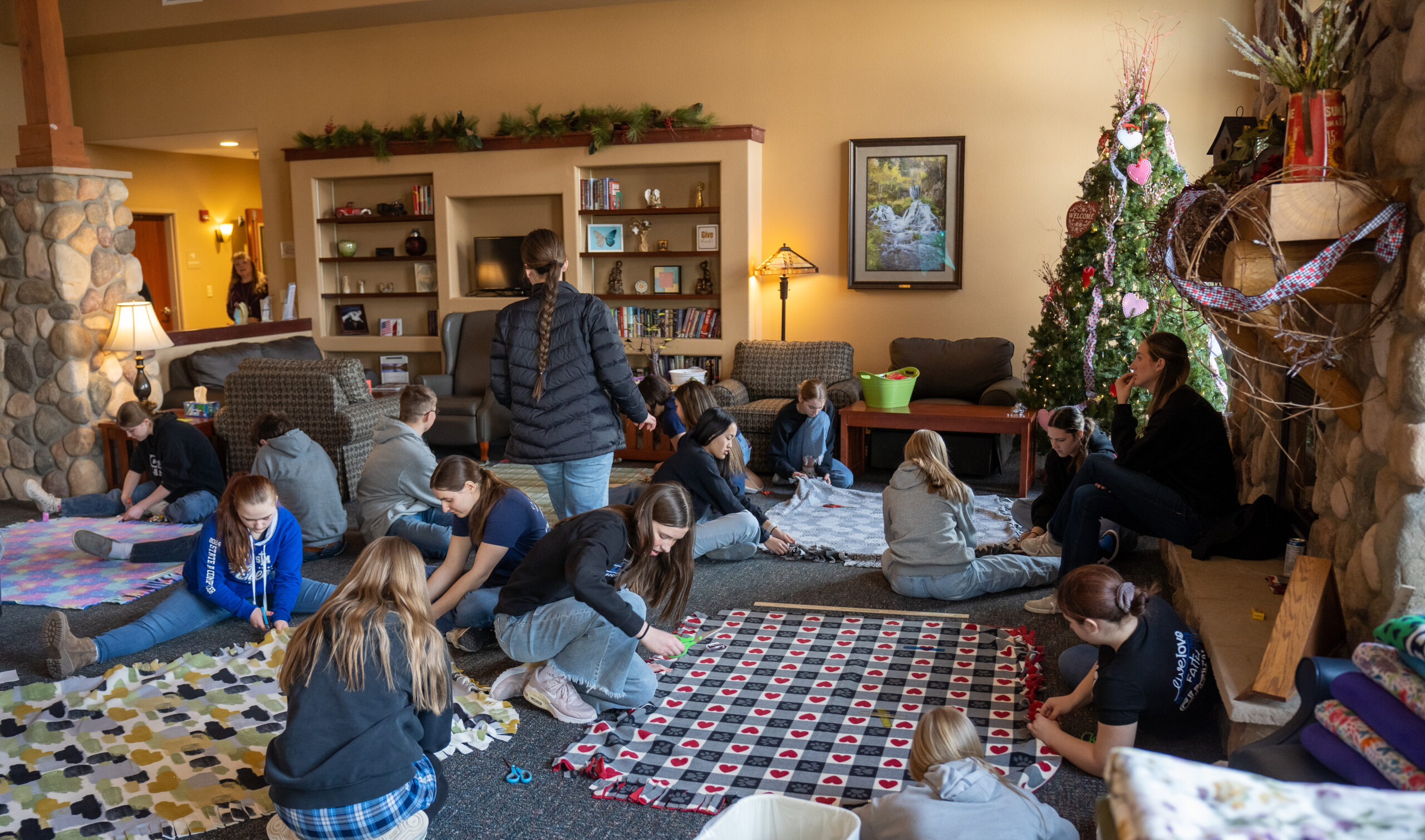
In an inspiring demonstration of community spirit, a contingent of St. Thomas More High School students chose to volunteer recently at Home+ Hospice House, where they decorated 14 blankets for the inpatient residents. “This is our second school-wide service day that we’ve done this year, just as a way to give back to the community and to teach the kids how to give back,” said Trina Thorn, English and Business teacher at St. Thomas More High School, and one of two chaperones, along with Mikayla Watson, Physical Education teacher, present at Home+ Hospice House for the students’ gesture of generosity. 

Hospice House’s Kari Nielsen, RN, whose son, Cole, is a student at St. Thomas More, was instrumental in setting up the activity. “St. Thomas More’s Religious Studies teacher reached out to Kari and asked if we had a project they could do,” said Debra Hanna, Volunteer Coordinator and Inpatient Chaplain at Home+ Hospice House. “And so, Kari and I coordinated to make it happen.” 

Debra then reached out to Monument Health Foundation, who generously purchased the blankets and supplies for the students. “Our hospice patients are often really cold,” said Debra. “They’re usually really ill and they have a hard time keeping heat, so these cozy blankets will be a comfort to them.”

After the students, who comprised a mixture of freshmen through seniors, were done trimming and adorning the fleece blankets with decorative frills, a few of them presented a blanket to a hospice resident’s family member, Mike Cain of Belle Fourche. “My wife is in hospice as a patient,” said Mike. “She’s been here a couple weeks. If you need to be here, it’s a very good place to be. The people who work here are not people. They are angels. They are truly angels. And the work that they do; it takes a special kind of person.”

Mike was emotional in showing his heartfelt gratitude to the students. “There are peaks and valleys in life. For my wife and I, this is one of the valleys,” he told them. “But what you learn will help you reach the peaks. So I think it’s important for all of us to learn about things like this, even if there might be some unpleasantries with it. My wife will love this. She loves these kinds of blankets. She’s going to know where it came from, who did it, and why you did it. We appreciate every one of you. So, thank you very much.”

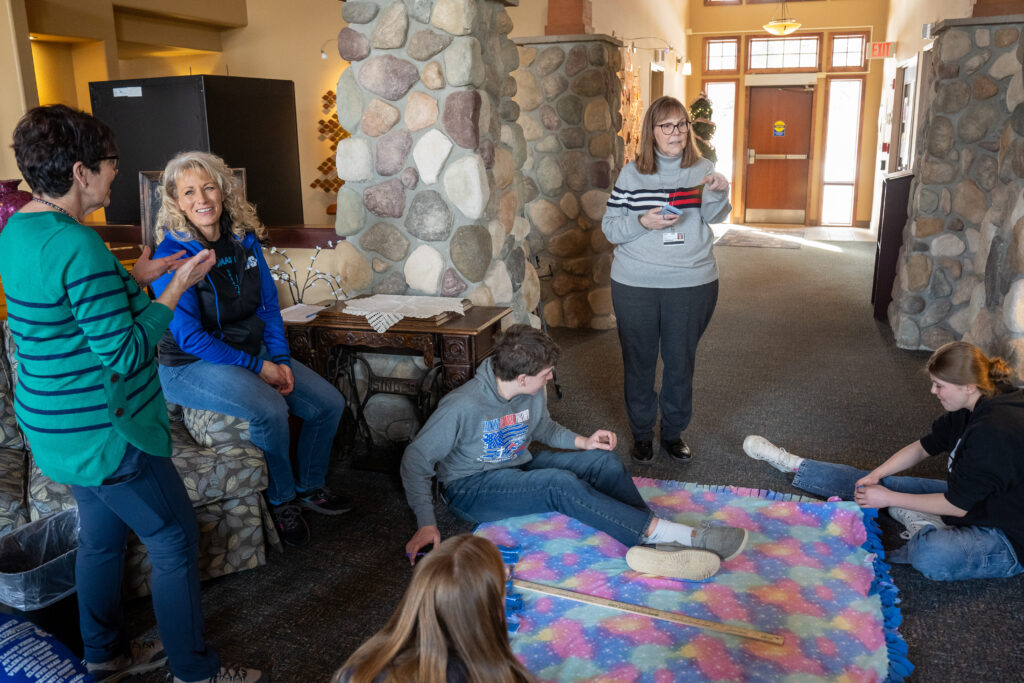
Afterwards, Debra and Home+ Hospice House Volunteer, Joan Struble, took time to answer questions and talk more about what hospice entails, including the possibility of the kids volunteering in the future, a program which Debra calls “Volunteens.”

Interested in volunteering at Home+ Hospice House? Go to: monument.health/careers/volunteering/

Story: Kory Lanphear
Photos: Kory Lanphear

Helmsley Charitable Trust Grants $2M to Monument Health for Neonatal Intensive Care Unit

RAPID CITY, SD (March 4, 2025) — The Leona M. and Harry B. Helmsley Charitable Trust is granting more than $2 million to Monument Health Children’s to purchase state-of-the-art neonatal intensive care unit (NICU) equipment. This investment will allow newborns and their families to access critical care close to home.

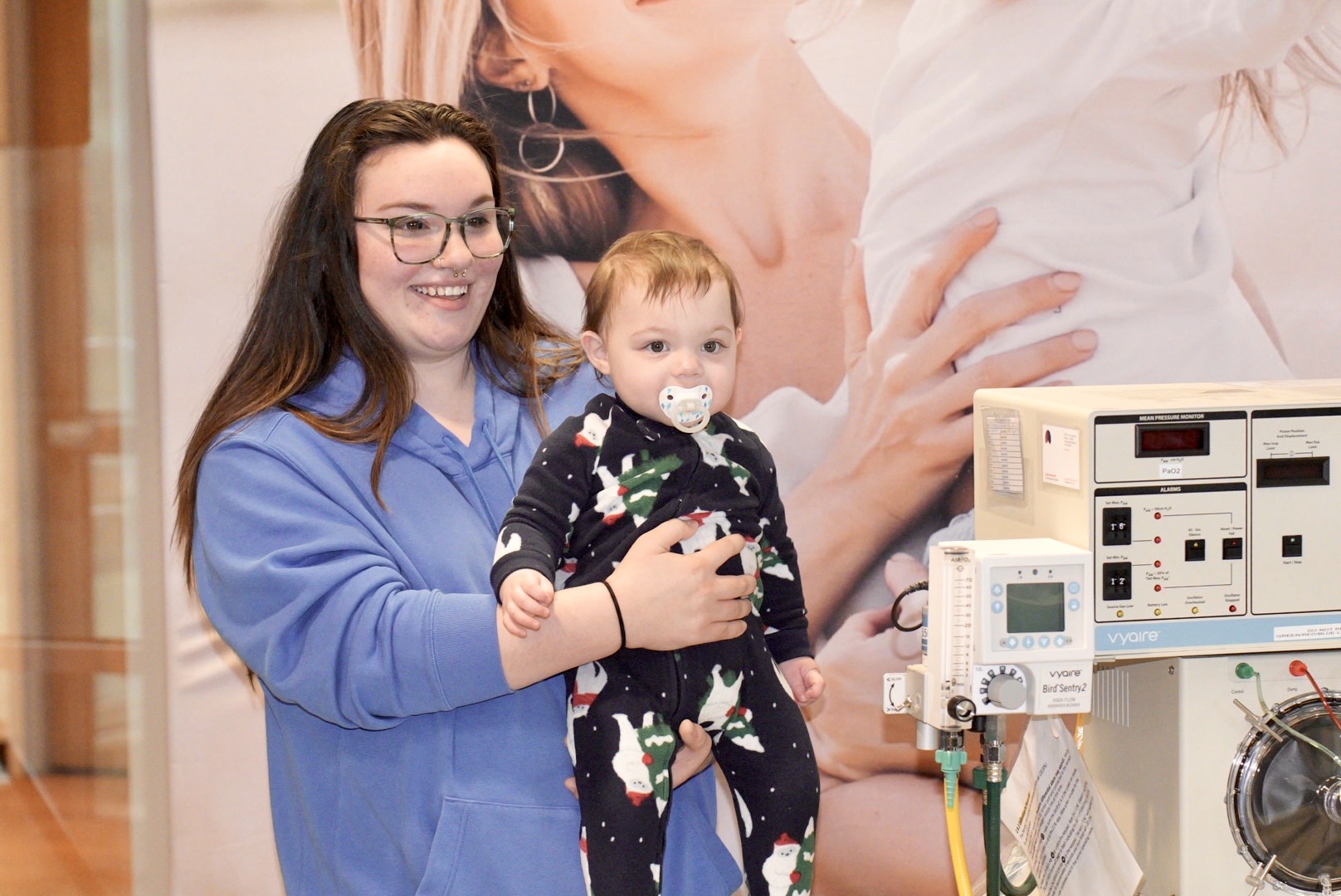
The grant allows for the purchase of more than 20 medical devices, including a high-frequency oscillatory ventilator, two transport incubators, a 24-hour EEG machine, and much more. With the addition of this equipment, physicians, nurses and caregivers expect to greatly improve neonatal outcomes within a 250-mile radius of Rapid City, South Dakota.

“An infant’s extended NICU hospital stay can lead to months away from home for families, which can be financially and emotionally draining,” said Walter Panzirer, a Trustee of the Helmsley Charitable Trust. “The addition of this equipment will ensure that families in the region spanning South Dakota, Nebraska and Wyoming can access the same top-notch care available to residents of major cities.”

The grant will fund equipment and technology assisting with transport, monitoring, thermal regulation, airway and oxygenation support, infant and mother safety and care staff development. This investment strengthens Monument Health’s commitment to delivering exceptional health care services to western South Dakota’s communities.

“The Helmsley Charitable Trust’s transformative gift of more than $2 million will help ensure that our most vulnerable pediatric patients receive the highest level of critical care when they need it most,” said Paulette Davidson, Monument Health President and CEO. “This investment in life-saving equipment demonstrates their deep commitment to improving children’s healthcare in our region. We are profoundly grateful for their partnership in helping us deliver exceptional care to critically ill children and their families.”

(Additional information including photos and b-roll video can be downloaded from https://helmsleytrust.box.com/s/w8m11nz3cf51ncyd7sgdnaqaujptqp6i).

About the Helmsley Charitable Trust

The Leona M. and Harry B. Helmsley Charitable Trust aspires to improve lives by supporting exceptional efforts in the U.S. and around the world in health and select place-based initiatives. Since beginning active grantmaking in 2008, Helmsley has committed more than $4.5 billion for a wide range of charitable purposes. Helmsley’s Rural Healthcare Program funds innovative projects that use information technologies to connect rural patients to emergency medical care, bring the latest medical therapies to patients in remote areas, and provide state-of-the-art training for rural hospitals and EMS personnel. To date, this program has awarded more than $750 million to organizations and initiatives in the states of Hawaii, Iowa, Minnesota, Montana, Nebraska, Nevada, North Dakota, South Dakota, Wyoming, and two U.S. Pacific territories, American Samoa and the Commonwealth of the Northern Mariana Islands. For more information, visitwww.helmsleytrust.org.

About Monument Health

Headquartered in Rapid City, S.D., Monument Health is a community-based health care system with a mission to make a difference, every day. The system offers care in 31 medical specialties and serves 14 communities across western South Dakota and in eastern Wyoming. With over 5,000 physicians and caregivers, Monument Health is composed of 5 hospitals and 38 medical clinics and specialty centers. Monument Health is a member of the Mayo Clinic Care Network.

Small Adjustments Make Big Improvements in Guest Experience

Hospitality and health care may not seem like a likely combination, but the team of Guest Services Caregivers make it a priority, every day.

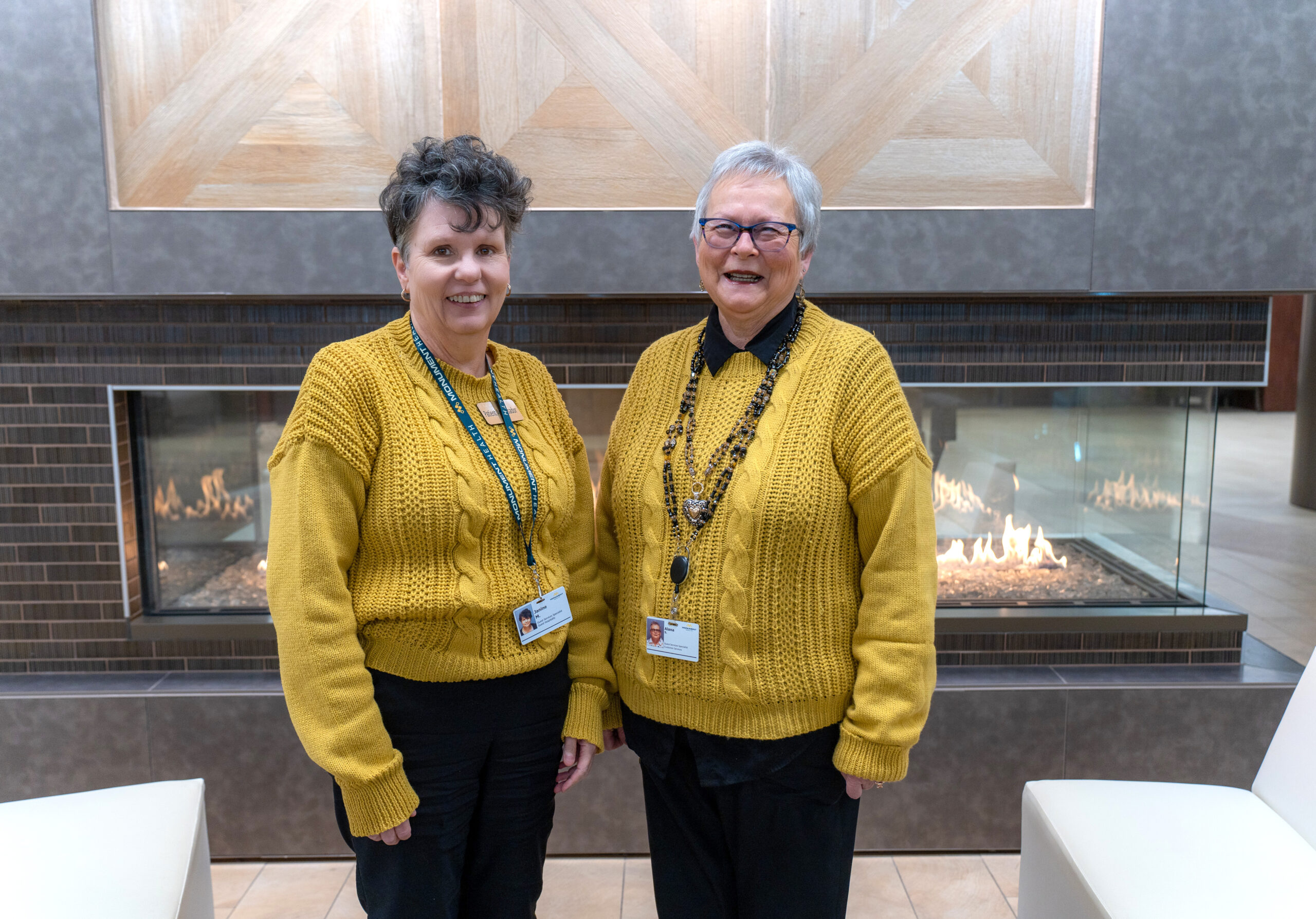
A recent focus was given to those who are waiting for a surgical patient. Judi O’Connell, Manager Guest Services along with Guest Services Specialists Janine Medley and Alana Szymonzki, worked to enhance their experience.

Step one involved enhancing a waiting space much closer to the new surgical suites. Moving visitors and guests out of the Bruce Lien waiting room, across the campus, to a space much closer to the new surgical spaces. After that, it was a matter of enhancing the space to be more comfortable and provide real-time updates on a patient’s progression in surgery.

“The waiting area went from a boring space to a lovely space that is colorful, busy and a bit crazy,” says Judi O’Connell.

Janine and Alana work full-time at a desk near the Rapid City Lobby fireplace, in the heart of the action. They support visitors throughout their stay, offering directions to the main cafeteria, providing distractions by way of crossword puzzles or magazines. 

“I enjoy the people that come in,” says Janine. “I enjoy helping them. I enjoy getting to know them and talking about things outside of the hospital. Sometimes you get to know them really well, by name, even,  and it’s nice to be able to have that kind of relationship with some of our patients and their families.”

Wait time can be unpredictable and visitors are often eager for any kind of updates they can get, so a major part of Janine and Alana’s job is to help visitors understand when they can proceed to see patients. “People get lost easily,” says Alana. “And so even though they’ve checked in up front, they’ll stop here and ask us, ‘How do I get to the towers? How do I get to the cafeteria? Where are the coffee shops? Where’s the gift shop?’ And so we’re able to help those people, in addition to our duties here.”

Janine and Alana’s efforts are an example of how all of us Caregivers can create a better patient experience with a little bit of ingenuity and motivation.

Story: Kory Lanphear
Photo: Bob Slocum

Still Beating: Support for a Healing Heart

Dave Osmotherly thought he was a goner. That is what he will tell you. On the operating table for a heart surgery, he experienced a potentially deadly condition that left his heart and vital organs struggling to function. Less than a week later, he walked out of the hospital under his own power thanks to his care team at the Heart and Vascular Institute and Rapid City Hospital.

The Edgemont resident was in cardiogenic shock, a condition where the weakened condition of the heart affects the oxygen supply to the vital organs. The drastic reduction in blood flow can lead to the failure of other vital organs such as the brain, kidneys, and liver. Hard working and active all his life, Dave was a candidate for bypass surgery after suffering heart-related symptoms for a time. He was waiting for his procedure when he blacked out.

“I remember being on the table and joking with the crew. Next thing I know they’re standing over me saying ‘wake up, Dave, wake up!’ He said. “The next thing I remember is being told I was in the ICU and that I had this new pump that was helping my heart work.”

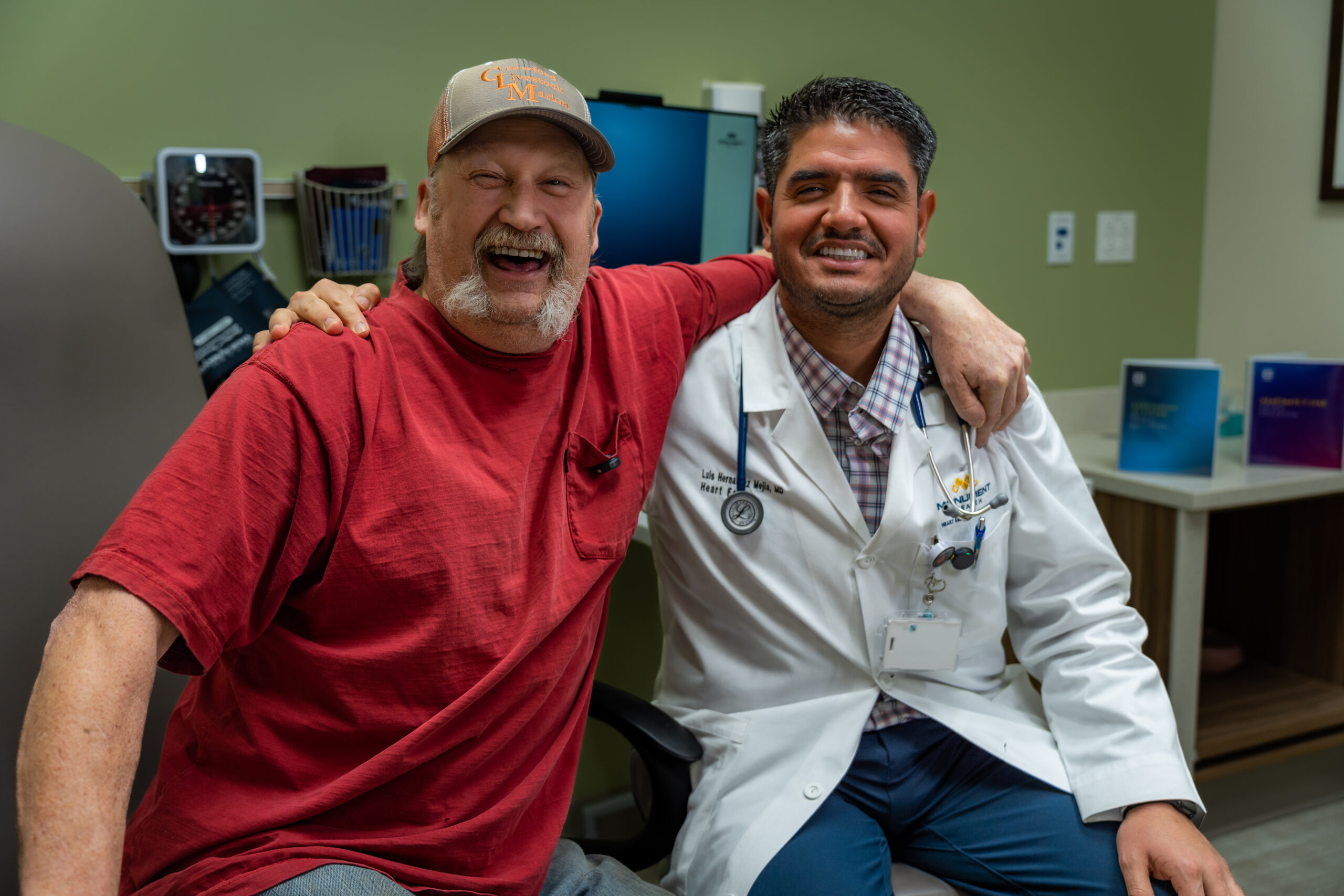
Advanced heart failure cardiologist Luis Hernandez, M.D., FACC, implemented advanced interventions coupled with cutting-edge technology to save Dave’s life. To bring the patient out of the life-threatening state of cardiogenic shock, Dr. Hernandez reccommended a device called the Impella 5.5 heart pump. The Impella 5.5 supports the heart’s pumping function so that vital organs can receive blood and oxygen. Before a surgeon implanted the device, Dr. Hernandez and Heart and Vascular Director Joseph Tuma, M.D., FACC, FSCAI, discussed Dave’s condition and decided on the Impella to provide a bridge to recovery.

“If it weren’t for the pump, Dave probably would not be here,” Dr. Hernandez said. “His heart had really failed, so our focus was to get him out of shock so the heart could begin to recover.”

The surgical Intensive Care and surgery teams did their work, making Dave the first patient at Rapid City hospital to receive the Impella 5.5 pump. The pump did its work while he rested for several days. Once his health markers began to improve, the pump was removed. He also received a pacemaker for continued monitoring and regulation of his heart.

“We were encouraged to see Dave respond so well to the treatment,” Dr. Hernandez said. “We’ve been seeing him in the clinic each week for follow-up and he’s doing great. A lot of times when the heart gets that weak, it can mean advanced intervention, it could necessitate a transplant or a left-assisted ventricular device, or it can go palliative. We’re very happy to see Dave have a bridge to recovery.”

Although he was out of immediate danger, Dave still had a physically taxing path ahead after all he had been through in just a matter of days.

“I started out real weak, and then a few days later they had me up and walking. Even when I got home, I was still felling quite weak,” Dave said. “I’ve had 10 back surgeries and I thought I’d recover from this surgery quickly, like I always have before. But this heart stuff has been tough.”

Dr. Hernandez and the Heart Failure team led the case to heart success, and roughly a month after his emergency, Dave turned a corner of sorts. He wasn’t needing to rest as much and could feel some strength coming back, although his sense of humor never left.

“It’s good to be above ground” he said with a wry smile. “The care I’ve had has been very good. I appreciate them bringing me back. It could have went the other way awful easy, so they did one heck of a job. Top notch.”

More about Impella 5.5

The Impella 5.5 with SmartAssist heart pump delivers full cardiac support, allowing the heart to rest and enabling the heart to achieve its natural pumping function without additional support. This temporary, minimally invasive heart pump enables patient mobility and optimizes recovery by using real-time intelligence. It is implanted via catheter to the axillary artery. Other devices for this treatment are implanted via the femoral artery and leave the patient immobile for the duration of their use. The Impella 5.5 allows patients to rise from bed and walk, which is a crucial healing benchmark.

American Association of Critical-Care Nurses recognizes Heart and Vascular Unit at Rapid City Hospital with silver Beacon Award for Excellence

RAPID CITY, S.D.Feb. 24, 2025 – The American Association of Critical-Care Nurses (AACN), Aliso Viejo, California, recently conferred a silver-level Beacon Award for Excellence on Heart and Vascular Unit (HVU) at Rapid City Hospital.

The Beacon Award for Excellence — a significant milestone on the path to exceptional patient care and healthy work environments — recognizes unit caregivers who successfully improve patient outcomes and align practices with AACN’s six Healthy Work Environment Standards. Units that achieve this annual, three-level award with a gold, silver or bronze designation meet national criteria consistent with the ANCC Magnet Recognition Program®, the Malcolm Baldrige National Quality Award and the National Quality Healthcare Award.

“Earning the Beacon Award for Excellence represents a pivotal milestone in our Heart and Vascular Unit’s journey toward clinical excellence. This achievement reflects our team’s unwavering commitment to delivering exceptional patient care while fostering a supportive and collaborative work environment,” said Tasha Frisinger, MSN, RN, CMNL, Monument Health Vice President of Nursing. “Our caregivers have demonstrated remarkable dedication to improving patient outcomes through evidence-based practices. I am immensely proud of our team’s achievement and excited to see how this foundation will propel us toward even greater excellence in patient care.”

AACN President Jennifer Adamski, DNP, APRN, ACNP-BC, CCRN, FCCM, applauds the commitment of the caregivers at HVU at Rapid City Hospital for working together to meet and exceed the high standards set forth by the Beacon Award for Excellence. These dedicated healthcare professionals join other members of our exceptional community of nurses, who set the standard for optimal patient care.

“The Beacon Award for Excellence recognizes caregivers in outstanding units whose consistent and systematic approach to evidence-based care optimizes patient outcomes. Units that receive this national recognition serve as role models to others on their journey to excellent patient and family care,” she explains.

The silver-level Beacon Award for Excellence earned by HVU at Rapid City Hospital signifies an effective approach to policies, procedures and processes that includes engagement of staff and key stakeholders. The unit has evaluation and improvement strategies in place and good performance measures when compared to relevant benchmarks. HVU at Rapid City Hospital earned its silver award by meeting the following evidence-based Beacon Award for Excellence criteria:

·         Leadership Structures and Systems

·         Appropriate Staffing and Staff Engagement

·         Effective Communication, Knowledge Management and Learning and Development

·         Evidence-Based Practice and Processes

·         Outcome Measurement

The other Beacon Award designations are gold and bronze. Gold-level awardees demonstrate an effective and systematic approach to policies, procedures and processes that includes engagement of staff and key stakeholders; fact-based evaluation strategies for continuous process improvement; and performance measures that meet or exceed relevant benchmarks. Recipients who earn a bronze-level award are beginning the journey to excellence, which includes developing systematic policies, processes and procedures; identifying opportunities for staff participation; and recognizing the need to develop cycles of evaluation and improvement.

About the Beacon Award for Excellence: Established in 2003, the Beacon Award for Excellence offers a road map to help guide exceptional care through improved outcomes and greater overall patient satisfaction. U.S. and Canadian units where patients receive their principal nursing care after hospital admission qualify for this excellence award. Units that receive the Beacon Award for Excellence meet criteria in six categories: leadership structures and systems; appropriate staffing and staff engagement; effective communication, knowledge management, and learning and development; evidence-based practice and processes; and outcome measurement. To learn more, visit www.aacn.org/beacon or call 800-899-2226.

About the American Association of Critical-Care Nurses: Founded in 1969 and based in Aliso Viejo, California, the American Association of Critical-Care Nurses (AACN) is the largest specialty nursing organization in the world. AACN represents the interests of more than half a million acute and critical care nurses and includes more than 200 chapters in the United States. The organization’s vision is to create a healthcare system driven by the needs of patients and their families in which acute and critical care nurses make their optimal contribution. To learn more about AACN, visit www.aacn.org, connect with the organization on Facebook at www.facebook.com/aacnface or follow AACN on Twitter at www.twitter.com/aacnme.

About Monument Health

Headquartered in Rapid City, S.D., Monument Health is a community-based health care system with a mission to make a difference, every day. The system offers care in 31 medical specialties and serves 14 communities across western South Dakota and in eastern Wyoming. With over 5,000 physicians and caregivers, Monument Health is composed of 5 hospitals and 38 medical clinics and specialty centers. Monument Health is a member of the Mayo Clinic Care Network.

Monument Health donates advanced athletic training equipment to Black Hills State University 

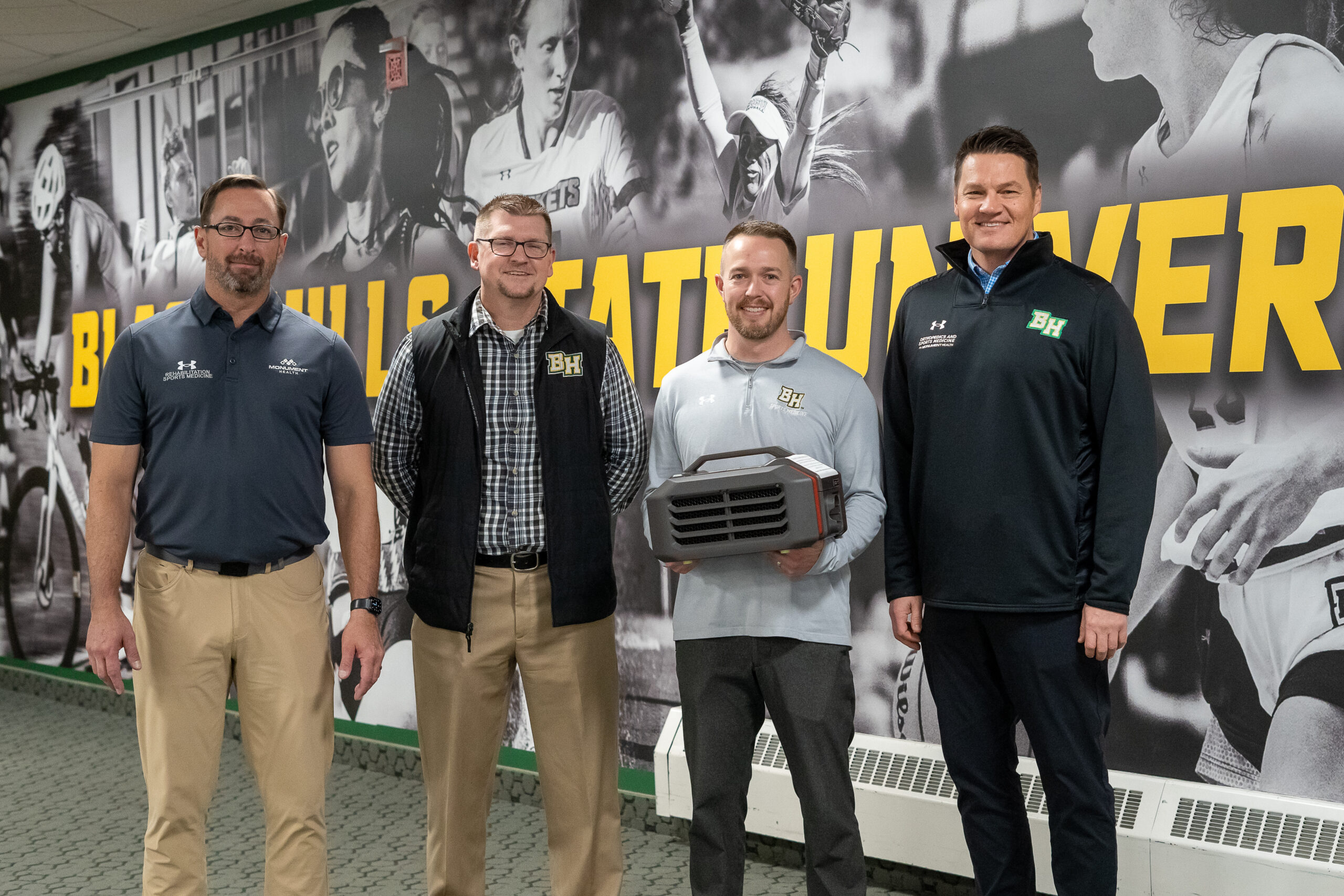
(left to right) Justin Feeser, Manager at Monument Health Northern Hills Rehabilitation and Sports Medicine, Mark Nore, BHSU Director of Athletics, Shaun Skavang, BHSU Head Athletic Trainer, Thomas Worsley Monument Health President Spearfish & Hills Market

Spearfish, S.D., (Feb. 6, 2025) – Monument Health has donated a state-of-the-art Therm-X compression and cryotherapy unit to the Black Hills State University (BHSU) Athletic Training department, further strengthening its commitment to supporting local educational institutions and student-athletes.

The portable Therm-X unit provides innovative medical technology capable of delivering simultaneous static or oscillating compression with hot or cold therapy. This cutting-edge equipment will enhance the BHSU athletic medicine staff’s ability to provide top-tier care and treatment for student-athletes.

“Our donation reflects our ongoing dedication to supporting our community partners and investing in the health and wellness of student-athletes,” said Justin Feeser, Manager at Monument Health Northern Hills Rehabilitation and Sports Medicine.

The equipment donation builds upon Monument Health’s previous support of local educational initiatives, including past contributions to Spearfish High School athletic programs.

A Win-Win

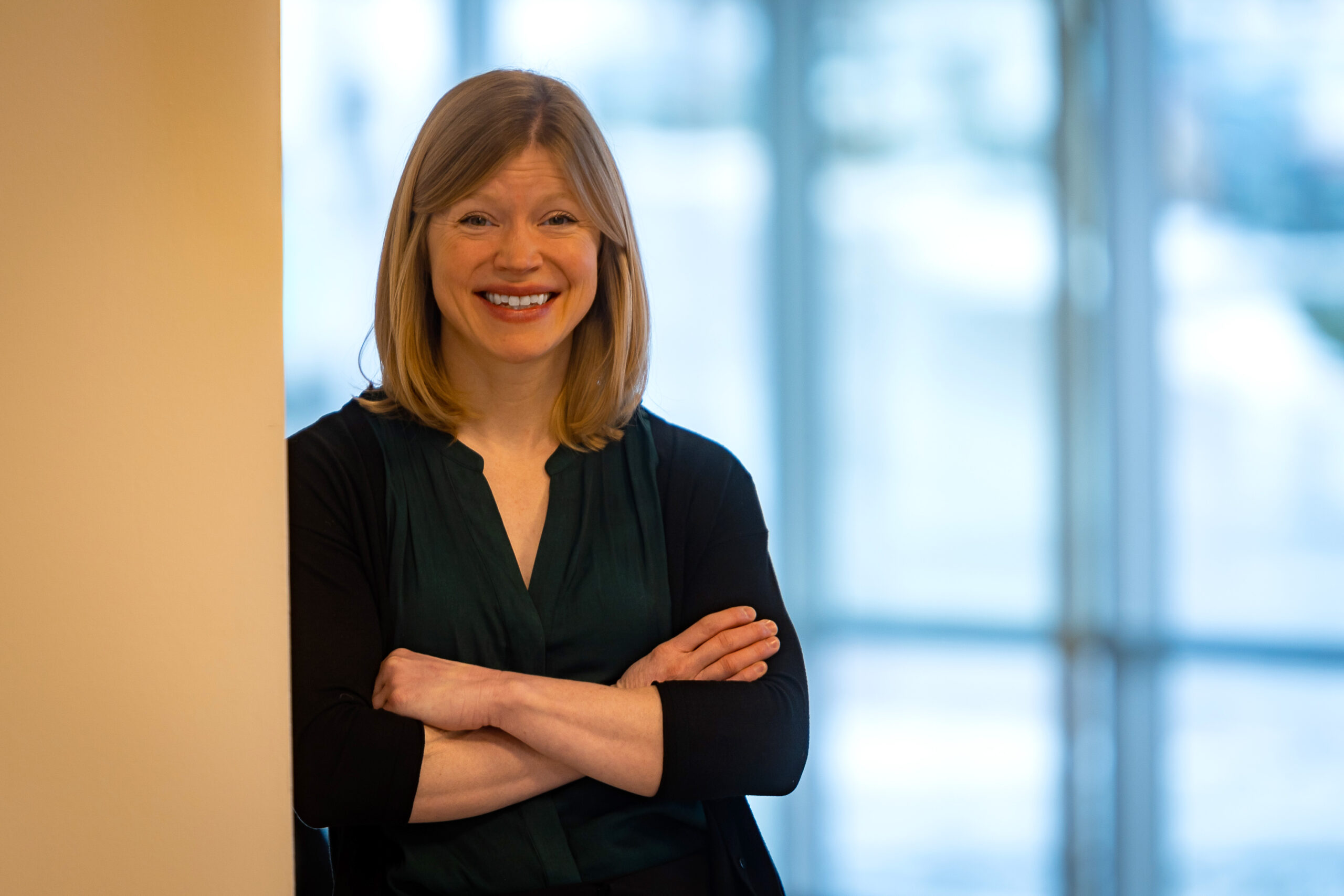
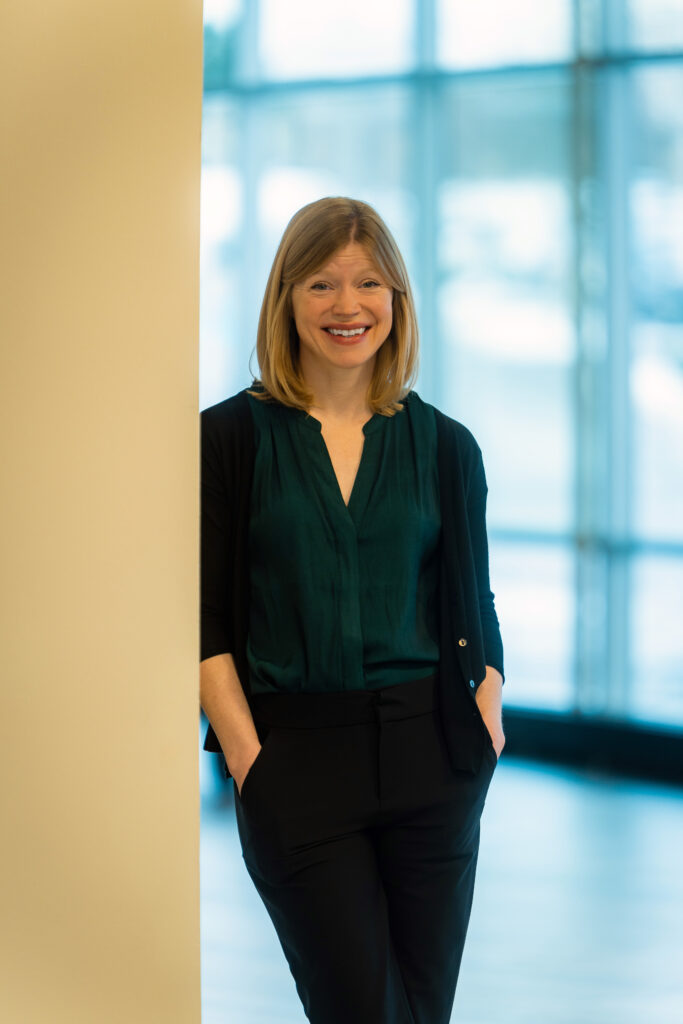
In December of last year, Jennifer Hasvold, M.D., board-certified Internal Medicine Hospitalist at Rapid City Hospital, took over as Associate Dean for the Rapid City campus of University of South Dakota Sanford School of Medicine (USDSSOM). The position was previously held by Monument Health Neurologist Matthew Simmons, MD, FAAN, who also serves as a professor in Neurosciences at the USDSSOM. 

The medical school doesn’t have a centralized classroom or facility. Instead, they recruit organizations, such as Monument Health, to help facilitate the ongoing education of future doctors. “We rely on physicians across the entire state of South Dakota to provide the clinical education for our students,” says Dr. Tim Ridgway, Vice President for Health Affairs and Dean of the University of South Dakota. “It’s just a win-win. Monument Health helps to provide clinical education for our students. Students love it here. They want to come back. It’s just a really gratifying thing to see.”

The experience is one where a student may discover their passion for a specific discipline that they can then choose to focus on during their subsequent residency. “Our students are here for their clerkships, which are sort of the fundamental clinical rotations that every medical student across the country has to do — internal medicine, pediatrics, surgery, OB-GYN, neurology, psychiatry,” Dr. Hasvold says. “Then they can do electives and things like palliative care, intensive care. We have rotations that focus on care of the underserved or focus on health education. So our campus helps students find preceptors (instructors) for their core clinical rotations, and we also support students in those elective rotations as well.”

Although a graduate of University of Michigan’s medical school, Dr. Hasvold is a South Dakota native who chose to come back to practice medicine. USDSSOM’s approach made a lasting impression. “Something that I have reflected on now that I’ve had the opportunity to precept and be a faculty for USD over the last 10 years is that our students really do gain a lot by finding mentors here in the community,” she says. “The real hard work of clinical teaching falls on all the faculty in the community and they’ve made a commitment to helping students grow and learn.”

Dr. Ridgway is very confident in the program’s continued success under Dr. Hasvold’s guidance. “When Dr. Hasvold got this position, I was just absolutely thrilled,” he says. “She has been invested in education. She loves giving back to these students. She is an incredible role model. I see really positive things for the Rapid City Campus going forward.”

Story: Kory Lanphear
Photos: Bob Slocum

Monument Health returns to the Black Hills Stock Show & Rodeo Rapid City

RAPID CITY, S.D. (Jan. 28, 2025) — Monument Health will once again host a Community Health Summit during the Black Hills Stock Show & Rodeo Rapid City at The Monument.

Free preventative screenings as well as health and nutrition education and cooking demonstrations will be available at the entrance of the Rodeo Zone in the Ice Arena.

This year, interactive displays of two of the robotic-surgical systems used by Monument Health surgeons will be on display. Surgeons, Advanced Practice Providers and their teams will be available to showcase the technology as well as answer questions. Orthopedic Surgeons, Audiologists and Heart and Vascular Providers will also be at this year’s event.

The da Vinici Surgical Robot interactive display will be at the booth Jan. 31 – Feb. 1 and ROSA Surgical Robot interactive display will be at the booth Feb. 7-8.

Notable Changes for 2025:

Expanded free community health booth featuring new partnerships with:

  • Department of Health
  • Nexus SD/Findhelp
  • Complete Health
  • American Heart Association
  • South Dakota Beef Logic
  • 4H and more

Returning this year will be a teaching kitchen, blood pressure checks, mental health assessments and prediabetes assessments. There will also be a Kids Zone featuring interactive activities for children of all ages. The Monument Health Foundation will also be selling Tough Enough to Wear Pink T-shirts, in two colors. T-shirts cost $25 for all sizes. Proceeds from the shirt sales will support cancer care at the Monument Health Cancer Care Institute.
The Community Health Summit will run Friday, Jan. 31, through Saturday, Feb. 8. For a full list of activities and hours, please visit monument.health/communityhealthsummit

A Loving Donor

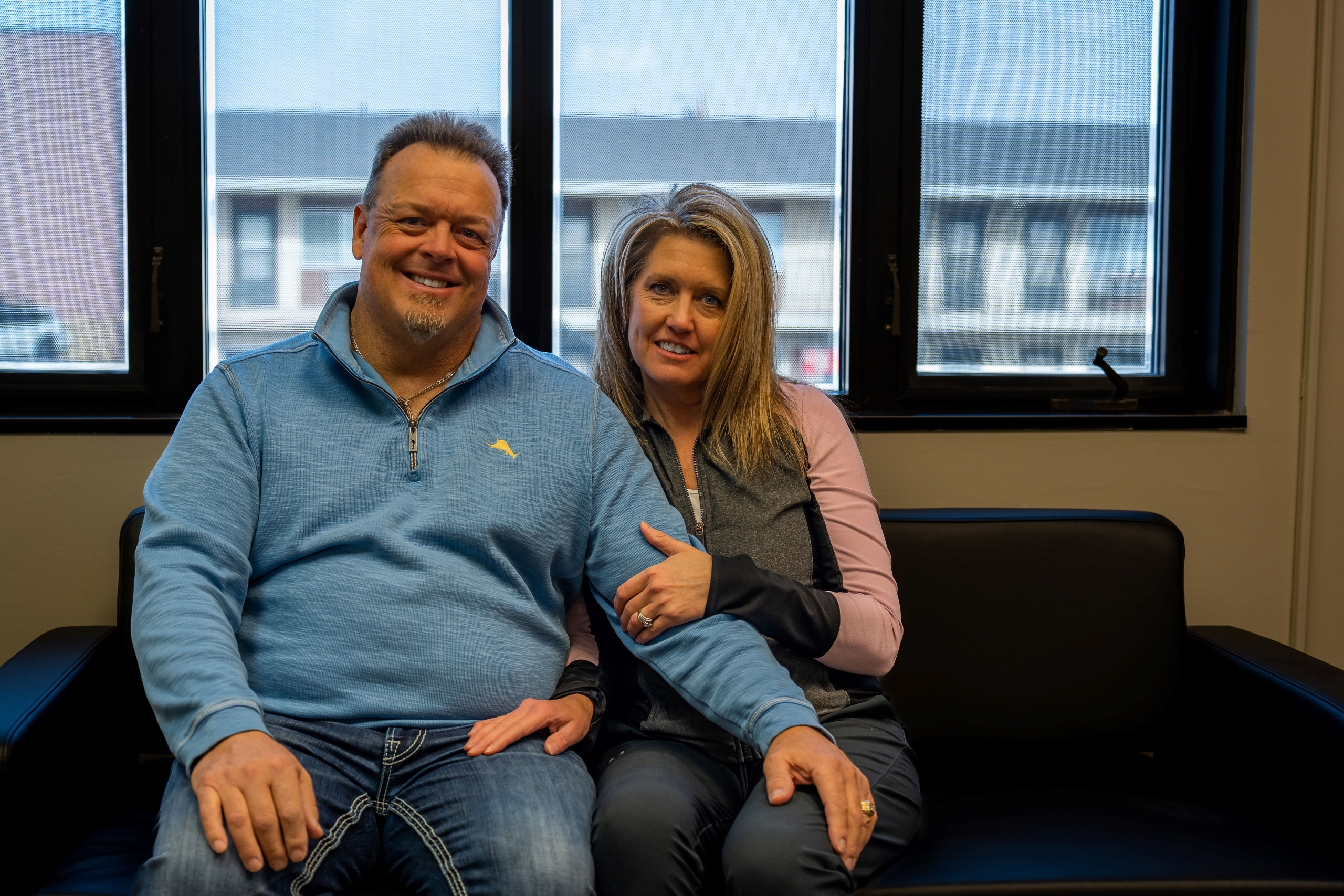
Home+ Specialty Pharmacy’s Denise Tipton, Pharmacy Specialist in Rapid City, and her husband, Scott, owner of Tipton Grease Service Incorporated, knew that Scott would one day need a kidney transplant, but they didn’t know it would happen because of a selfless sacrifice made by Denise.

Scott has a genetic kidney disease called IgA nephropathy. Sometimes called Berger disease, IgA nephropathy causes inflammation and reduced kidney function as it pertains to filtering wastes from blood. It’s a degenerative disease that gets worse over time and can lead to kidney failure. “I’ve had it since my early 20s, so I’ve had it for almost 30 years,” Scott, 51, says. “My kidneys are slowly deteriorating.”

Two years ago, though, a doctor phoned Scott and informed him that recent tests showed he needed to drop whatever he was doing and head directly to an emergency room because his kidneys were failing. Scott, who was in a supermarket at the time, left a full cart of groceries and rushed to the ER. He began his first dialysis treatment immediately and has been receiving weekly dialysis ever since. The time to sign up for a kidney donation had come.

“Normally, a person that goes through a transplant needs to get approved to get on the list, and they start out with a list of donors that would work,” he says. “But they wait for somebody to pass away, a deceased donor. Right now, it’s averaging about eight years of a wait for my kidney type, that way. I was blessed to have a lot of family members, friends, neighbors, people from church, ex-relatives, new relatives, all different kinds of people that had offered me a kidney, as living donors.” 

Unfortunately, none of the living donors matched. However, there was another option, a person could donate to a kidney exchange on Scott’s behalf. By donating a kidney to an anonymous person on the list, Scott would be granted priority status, meaning that Scott would be much more likely to receive a transplant sooner. Denise had prepared for this possibility by keeping herself healthy and she didn’t hesitate to volunteer a kidney of her own in Scott’s name. “I had a feeling that I was gonna be the person,” she says. “I’ve always worked out and ate pretty healthy. I started that back when his kidney failed. So I’d been working at making sure I was healthy enough so if everybody else got rejected that they wouldn’t say no, because he was so sick, and I didn’t want I didn’t want him to have to wait any longer.”

After passing physical and mental exams, Denise’s donation procedure was performed at Mayo Clinic in Rochester, Minnesota. Her extracted kidney was then flown to an unnamed donor on the west coast. Denise and Scott are unable to find out any information about the recipient until at least four months after the transplant and, even then, they may not hear from that person at all. It’s entirely up to the recipient. However, they do know that the kidney has been successfully transplanted and that the recipient’s body is accepting the kidney without issue.

An exchange recipient with priority status, like Scott, usually waits about 8 months before an available kidney is found. However, his blood type is rare, so he’s currently about 2 months into what he’s been told could be up to a 12 month wait.

As for Denise, it’s been about 10 weeks since she donated her kidney. She is feeling almost the same as before the procedure, a testament to her healthy lifestyle. 

And now, it’s just a waiting game, albeit an emotional one. “I’m just pretty excited,” Scott says, fighting back tears. “Even for the other person who got Denise’s kidney, because I know how much their life is going to change. This disease really limits you. There are a lot of things I can’t do. I’m blessed to have a good wife that cares about me.” 

 To learn more about kidney donation: www.kidney.org/.

Story: Kory Lanphear