Healing Bonds

As they had done so many times before, firearm enthusiasts Jennifer Pierson and her husband, Patrick were enjoying late-afternoon target practice with some family friends on their rural Wyoming property last August.

“Patrick’s a retired police officer, so he’s the gun person. When I had met him, I had never shot anything or had any desire,” Jennifer says. “We lived in New York, so it wasn’t like it was accessible. And he started getting me into it, teaching me how to shoot, what to do, what’s right, what’s wrong. He got me my own pistols and revolver. We have 40 acres outside Moorcroft, so we have a shooting range. And we go out there with all of our guests.”

Jennifer, a professional photographer, had set up some distance behind and to the left of a visiting friend to capture video as the friend tried her hand at a replica of an old west-style, .45-caliber Colt revolver. The first shot went off without issue. When the friend pulled the trigger to fire a second round, however, the cartridge discharged erroneously, causing an explosion that sent the housing of the revolver’s cylinder on an improbable backwards and sideways trajectory — and directly through the inner portion of Jennifer’s left calf muscle. “All of a sudden I felt burning, and I was like, ‘Ow, ow, ow.’ I look down and there’s just blood everywhere. So I start saying, ‘Babe, I’m shot. I’m shot,’ because in my head, my friend took the shot and I got hit.”

Improbably, Jennifer had the presence of mind to keep recording, even as blood gushed from her leg. She has since watched the recording several times. “I’m bleeding bad, like arterial blood. Thinking, ‘I’m about to bleed out here.’ But I was perfectly calm, saying, ‘I just need a chair and towel,’” she recalls. The group contacted emergency services and Patrick applied a makeshift tourniquet. Due to their rural location, however, a tense wait ensued. “The response time is usually half an hour. We have a town called Pine Haven — it’s not far from us. They got a full EMS outfit, and they got to us within like 10-15 minutes.” 

Initially, Jennifer was driven to Sundance, where staff evaluated her injury and quickly determined that they were ill-equipped to adequately care for Jennifer’s wound. There was concern that she may lose her leg, so Life Flight was summoned to get Jennifer to Rapid City Hospital as soon as possible. “The doctors told me that if the metal hit anywhere in, like, my upper thigh up, I’d be dead. It would have killed me. So if it had to hit my calf, I’m okay with that. Because it could have been so much worse.”

Arriving at Rapid City Hospital via helicopter, Jennifer underwent emergency surgery. “The hole was big, and that’s why they couldn’t close it,” Jennifer recalls. “There was nothing there to close. And it was so deep, it was down to the bone. There were chunks (of flesh and viscera) on the ground and in my jeans. And the surgeon’s like, ‘We need to get in there and clean the wound up.’” Even though the damage was extensive, Jennifer’s leg was saved and the prognosis was fairly positive, all things considered. “I lost a vein, and they cauterized a bunch of arteries and stuff like that, and just cleaned up all the ragged edges.”

The doctors fit the wound with a vacuum-assisted closure device and discharged a bandaged and traumatized Jennifer after just two days in the hospital. However, even with the wound vacuum sucking gunk from her calf to help it heal from the inside out, Jennifer’s injury was going to require frequent attention. It would need to be cleaned and redressed frequently to prevent infection. 

After three unsatisfactory — and painful — visits for treatments elsewhere, Jennifer sought out a second option, and set an appointment with Wound and Ostomy Care at Spearfish Hospital.

“The first day in Spearfish was life-changing the way it was so different. It was a relaxed attitude — they were concerned with my leg — but it was, like, friendly, and sterile,” Jennifer recalls, with a laugh. “And so we decided that was where we’re going to be. It was three days a week for the first eight weeks.”

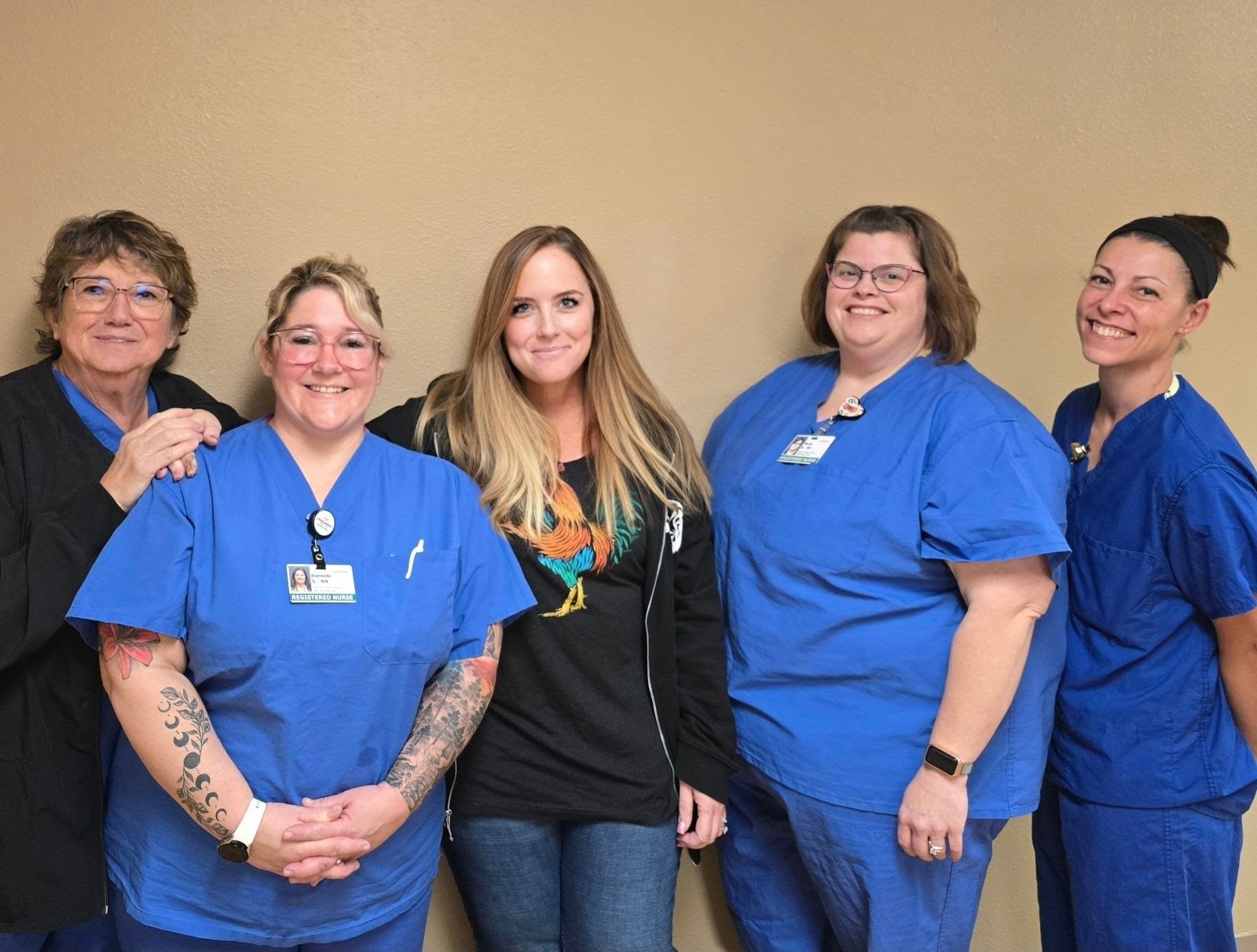
Ostomy care nurses Stefani Gillette, RN, Danielle Sauer, RN, Marie Subiate, RN and Jessie Young, RN, and Patient Access Specialist Patty Schulz worked together to provide a level of care that went beyond mere remedy. For Jennifer, it felt personalized. For example, the nurses often asked about Jeniffer’s weekend plans, then remembered what they were and followed up to see how things went at the next appointment. “They’re good people. I really adored them. And it just reinforced that this is the only place I’m going to go,” says Jennifer. 

Having committed herself to Spearfish Wound Care, Jennifer became a familiar figure at the clinic. “I got to know these people, and I was sad when it was over, partially because I never thought I’d get to this point of it being over, but partially because these people are now family.”

So touched by the nurses and staff at Spearfish Wound Care was Jennifer that when the waiting room was being repainted and the topic of decor came up, Jennifer offered some prints of her photography to be displayed on the walls. The staff at Wound Care readily accepted and many examples of Jennifer’s landscape and nature works now adorn the walls at the clinic. “I think I ended up bringing in maybe 10, 30 by 50 prints and then smaller ones of varying pictures and sizes and everything. And they told me how it brightened up their room and their day just seeing them.”

By mid-November, Jennifer had completed her last treatment and had recovered remarkably well. “Other than the lack of calf strength, it’s fine. There’s still a pretty big divot. It’s always going to be a divot. It looks like something took a bite out of my leg. The doctors said it might fill in a little bit, but you can’t replace the tissue that was in there,” she says. However, Jennifer found that working with the nurses at wound care helped heal more than her injury, it healed her spirit. And though Jennifer went through as harrowing an experience as imaginable, it underscores how happenstance can bring people together in unexpected ways and how unfortunate circumstances can create lasting, meaningful and healing bonds.

Story: Kory Lanphear
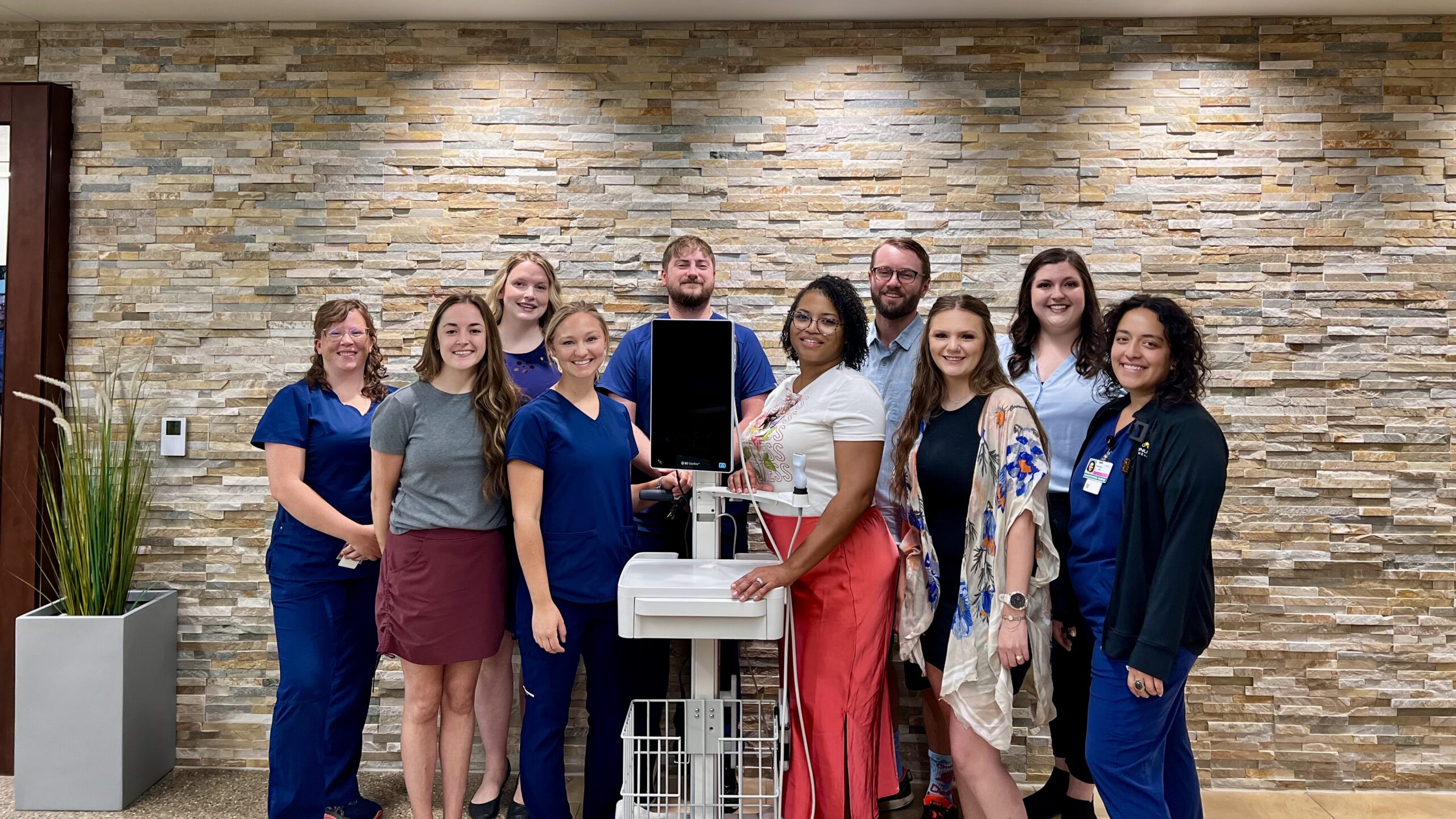
Monument Health Foundation Purchases Ultrasound for Sturgis Hospital

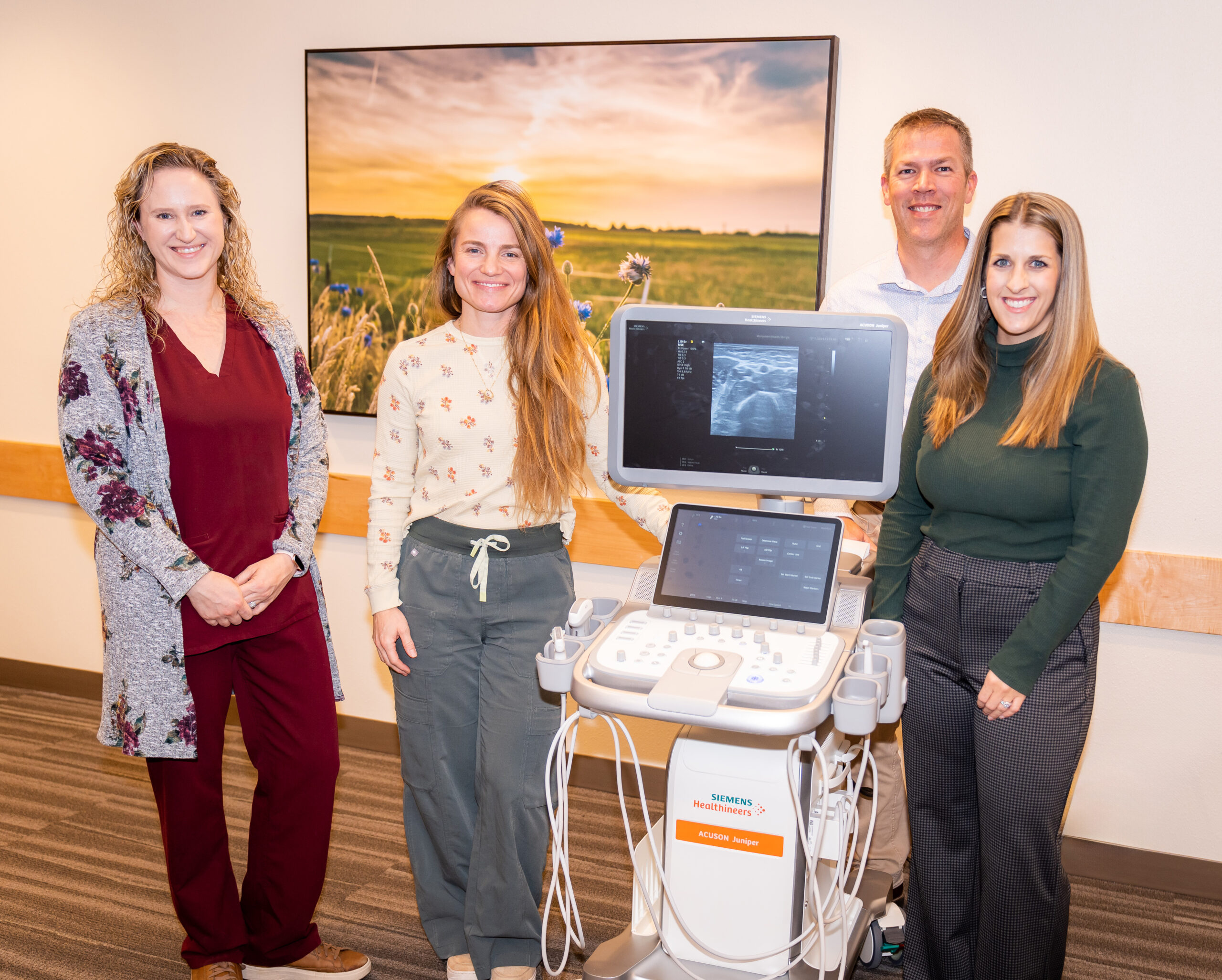
Sturgis, S.D. (Dec. 13, 2024) – Monument Health Foundation is pleased to announce the purchase of a new ultrasound machine for Sturgis Hospital, made possible by generous donations from caregivers, physicians and community members to the Sturgis Hospital Greatest Need Fund.

Over the past decade, Sturgis residents and patients have consistently donated to this fund, demonstrating their commitment to supporting local health care initiatives. The purchase of this advanced ultrasound technology is a testament to the power of community support and the Foundation’s dedication to reinvesting in Sturgis Hospital’s infrastructure.

“We are incredibly grateful for the ongoing support from our community and the Monument Health Foundation,” said Jimmy Seward, Director of Ambulatory Operations, Sturgis Clinic. “This new ultrasound machine will significantly enhance our diagnostic capabilities and allow us to provide even better care to our patients, close to home.”

“The Sturgis Hospital Greatest Need Fund is a prime example of how community support can directly impact local healthcare services,” said Hans Nelson, Director, Monument Health Foundation. “We are proud to facilitate this meaningful contribution to Sturgis Hospital and celebrate the collective efforts of our caregivers, physicians and community members.”

The Sturgis Hospital Greatest Need Fund is just one of the many ways Monument Health Foundation raises funds to develop programs, purchase cutting-edge medical equipment and expand facilities. These initiatives ensure that Monument Health remains at the forefront of medicine and makes a positive impact on the communities it serves.

To learn more about the Monument Health Foundation and the Sturgis Hospital Greatest Need Fund, please visit our website at monument.health/foundation.

About Monument Health

Headquartered in Rapid City, S.D., Monument Health is a community-based health care system with a mission to make a difference, every day. The system offers care in 31 medical specialties and serves 14 communities across western South Dakota and in eastern Wyoming. With over 5,000 physicians and caregivers, Monument Health is composed of 5 hospitals and 38 medical clinics and specialty centers. Monument Health is a member of the Mayo Clinic Care Network.

Vascular Access Team, Assemble!

Imagine this scenario: you are a nurse and a patient under your care needs an IV, but you are unable to locate an access vein into which you can insert a catheter. After a first, unsuccessful attempt to place the IV (a first stick), you are unsure about what to do next. 

It happens. Frequently. And when it does, you summon the Vascular Access Team. 

At the urging of Vice President of Nursing Tasha Frisinger, the eight-member team was formed on July 1 to answer the challenges of a hard stick, sometimes called a DIVA, which, uncouth as it may sound, is simply an acronym for Difficult Intravenous Access “That is an actual term that is in some of our training, they’re actually referred to as a DIVA,” laughs Keeta Crawford, RN, Vascular Access, Rapid City Hospital.

Equipped with a specialized ultrasound machine and additional training to help them locate difficult veins, the Vascular Access Team is ready to spring into action at a moment’s notice. Whomever is on shift could end up just about anywhere in the hospital, (with the exception of the ICU, the Emergency Department or Neonatal Care, which have their own vascular specialists and procedures) helping to manually locate a vein, using the ultrasound to find peripheral (arm) access or considering possible alternative, central access pathways, such as dialysis catheters, internal jugular or external jugular IVs.

However, veins are not necessarily one-size fits all. So the vascular access team is able to adjust to any number of challenges in trying to solve a hard stick. 

“It could be that genetics play a part in it. It could be different diseases. So if a patient has chronic kidney disease, more likely their vascular access is going to be vastly different than a healthy individual that comes into the hospital, because their veins are going to be smaller,” explains Keeta. “The older you get, actually penetrating the vein to get a needle through might be difficult. So there’s a list of things that can happen with the patient that can make their veins more difficult to access than the next patient.”

If they are unable to find a vein by traditional, manual means, the Vascular Access Team relies on ultrasound imaging for help.

“Our machine allows us to actually visualize the vein, as opposed to when you’re just blindly placing an IV,” says Keeta. “Most of the time, you can find some type of access on a patient just with the ultrasound and not have any difficulty.”

Occasionally, the team is also deployed to assist with a patient who is frightened by needles. “You have some people that come in that are very afraid of the IV stick process more than anything else that’s going to happen to them in the hospital,” says Rayne Lester, RN, Manager Nurse. “If we can ease their mind a little bit and make it a little bit easier by using the ultrasound, why not?”

Keeta suggests the most vital of the vascular access team’s responsibilities may be best practices evangelism because, if an IV is applied incorrectly, a catheter could “blow through a vein” or an infection might occur and extend the patient’s hospital stay beyond what was expected. So, Keeta encourages nurses and physicians who would like more information about the vascular access team or who might need their help to reach out. 

“Our goal is to help educate other nursing staff about the appropriate placement when it comes to anything vascular access. So if we go into the patient’s room and we are able to find a vein without our ultrasound, that is where the education piece would come.” In such instances, they might advise the nurse on how better to identify a suitable access point.

By contrast, “In those instances where you know we can’t see the vein – you can’t just go in there, visualize the vein, find anything that’s palpable, or you can’t feel with your hands and just place it – we will use our ultrasound,” Keeta concludes.

The overall objective is for better patient outcomes. So if you ever find yourself in the presence of a real DIVA, you now know just who to call.

Monument Health Rapid City Hospital earns highest safety grade in South Dakota

RAPID CITY, S.D. (NOV. 22, 2024) – Monument Health Rapid City Hospital earned a B Grade, the highest of any hospital in South Dakota in the latest Leapfrog Group safety ratings. The Leapfrog Group, an independent nonprofit focused on patient safety, released its Fall 2024 Hospital Safety Grade, recognizing Rapid City Hospital with the highest safety grade of any South Dakota Hospital. The Hospital Safety Grade uses up to 30 performance measures to assign an “A, “B,” “C,” “D” or “F” to individual hospitals.

“Monument Health has been dedicated to improving patient care, preventing infection and injury and our work is being verified through third-party recognition,” said Jill Tice, Vice President of Quality, Safety and Risk Management. “This achievement demonstrates the effectiveness of our ongoing quality initiatives, and we will continue to strive for excellence in all aspects of patient care.”

The Fall safety grades use clinical measurements during performance periods that can date back to 2020 within our last Five-Year Strategic Plan. Monument Health showed improvement in key metrics which was instrumental in contributing to Rapid City Hospital’s improved scores:

  • A 66.66% decrease in colon surgical site infections from the two year period 2020-2021 to the two-year period of 2022-2023.
  • A 92% reduction in central line-associated bloodstream infections (CLABSI) between June 2022 – July 2023, and since then Rapid City Hospital has achieved 24 consecutive months with no such infection.
  • Hospital-onset MRSA bacteremia declined by 75% in the last 12 months.

The Leapfrog Hospital Safety Grade is the only hospital rating focused exclusively on hospital safety. Updated twice per year, the score regularly garners attention from consumer media and shines a spotlight on the patient safety records of hospitals in local communities.

A Final Salute

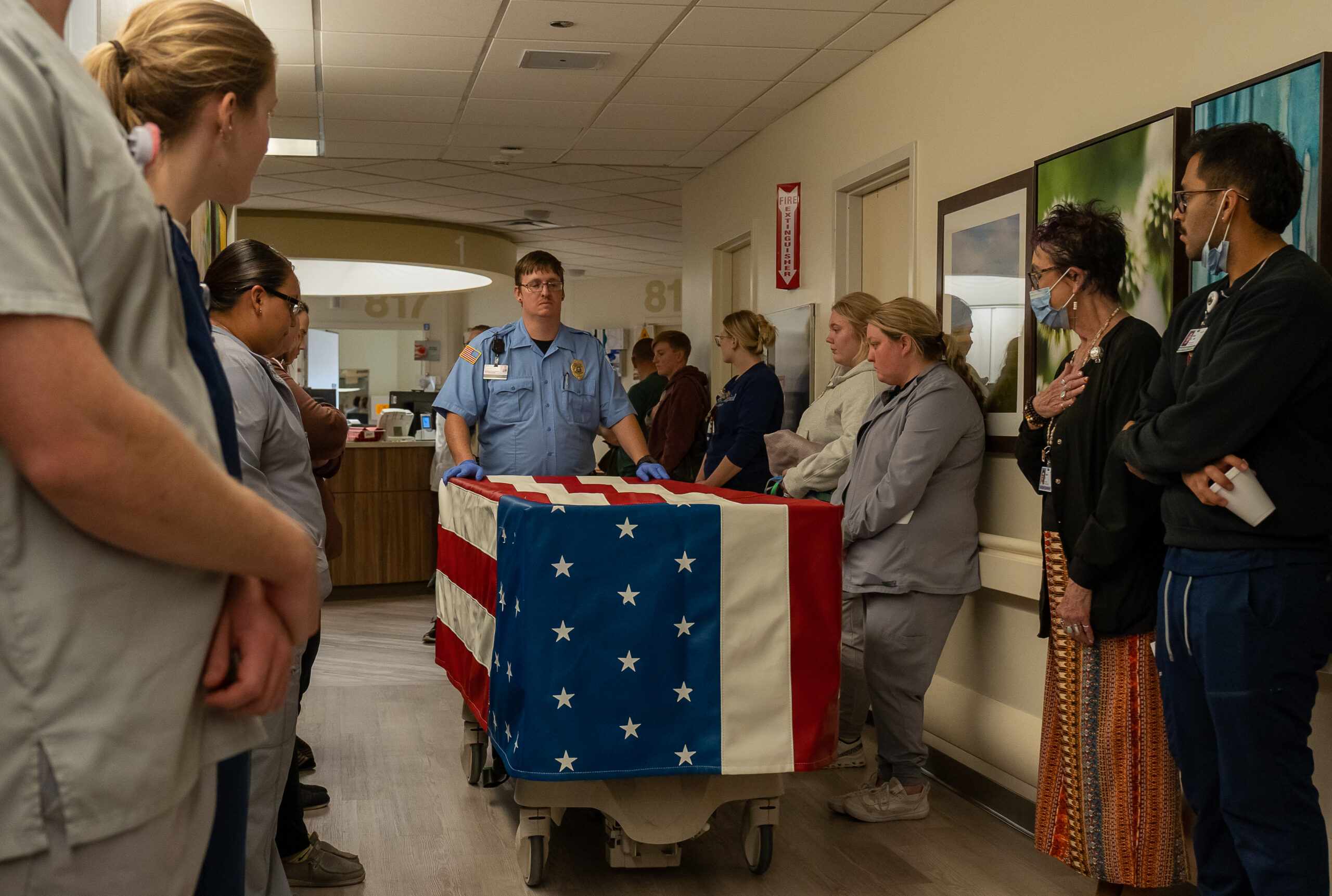
A solemn hush falls over the hallways of the 8th floor at Rapid City Hospital. As a gurney draped in a custom-made American flag wheels along the corridor, the familiar funeral bugle call of Taps rings out and a handful of assembled Caregivers stand in silent reverence to the passing train. Under the flag rests a recently deceased veteran of the United States military, who is being escorted to a final rest. 

Known as a Hero Walk, this somber ceremony has become a familiar sight at Rapid City Hospital. The escort is a final tribute Monument Health pays to acknowledge and celebrate the service of veteran patients who spend their final days under the care of one of our hospitals. About 35 deceased service members have been so honored in the last 12 months. Surviving family members are often on-hand, but occasionally the ad-hoc ceremony is just the Caregivers present on the ward paying final respects.

As Michael Morford, Human Resources Business Partner relates: “A significant catalyst for launching the Hero Walks was a particular incident that was brought to the attention of myself and Jeff Mengenhausen (former Senior Director of HVI) back in 2014. We were made aware of a dying veteran who was alone in the hospital. Another local veteran made a point to come to the hospital to pay his respects to the individual – even though he didn’t know the ill veteran very well – because he didn’t want his brethren to die alone.” 

Based on this stirring demonstration of fidelity, Michael and Jeff were inspired to create a similar way for Monument Health to recognize all veteran patients in their final days. “Hence what I believe to be the trigger for the Hero Walk initiative,” Michael says.

“Hero Walks are only done in Rapid City Hospital. They are an opportunity to show appreciation and respect for veterans who have served when they pass away. It is also a way of showing that honor and appreciation to the veteran’s family members,” says Jason Callahan, Manager of Security at Rapid City Hospital.

The Hero Walk is emblematic of organizational values that go deeper than to just simply care for patients. It affords those brave souls one last acknowledgment of their dedication to protecting our way of life. 

Respect is a core principle that all Caregivers share here at Monument Health. When we couple that respect with our priority to have an impact on our communities, the beacon of our light shines into the hearts of our patients and suffuses them with the trust that we will always demonstrate the utmost respect. We strive not just to treat our patients and restore them to health whenever possible, but to actively engage in their comfort and wellbeing, even unto its expiration, as a matter of our collective character. 

Our patients have come to rely on this strength of character, sometimes right up until their very last moments. And sometimes beyond.

Story: Kory Lanphear
Photo: Robert Slocum

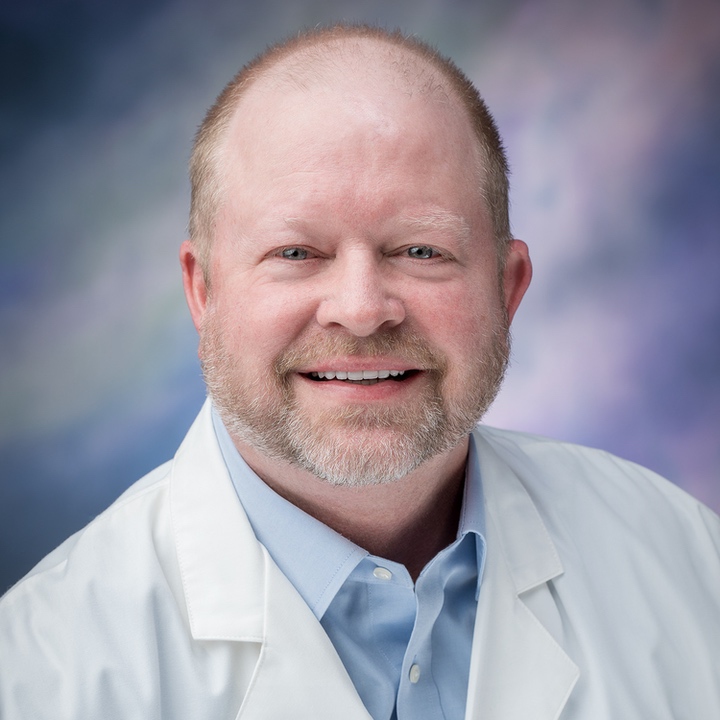
Monument Health Foundation names Patrick Tibbles, M.D., Medical Director, Foundation

Rapid City, S.D., (Nov. 12, 2024) – The Monument Health Foundation is proud to announce that Patrick Tibbles, M.D., Emergency Medicine and Hyperbaric Medicine Physician, has been named the Medical Director of the Monument Health Foundation. 

The Foundation Medical Director serves as a key leader within the health system, responsible for bridging the medical and philanthropic efforts of the organization. Dr. Tibbles brings more than 26 years of experience as a physician with Monument Health, providing independent and employed services. 

In this role, Dr. Tibbles will collaborate with leadership, clinicians and the Foundation team to identify strategic funding needs that align with the Monument Health mission and clinical priorities. 

“We are fortunate to have physician leaders who are engaged in our communities and who have invested their lives in serving our communities,” said Dr. Brad Archer, Chief Medical Officer. 

“It is vital that physicians are involved in Monument Health’s fundraising efforts to support Monument Health,” said Dr. Tibbles. “No one understands the medical needs and the engagement better than doctors who have cared for many patients in the Black Hills. We live and work here because we believe that that level of commitment is necessary to bring about the best possible care for all of our patients.”

Dr. Tibbles has also directed the Hyperbaric Oxygen Therapy program since 1998. He is a U.S. Navy veteran who served as an Undersea and Diving Medical Officer for the Submarine and Diving Force. 

###

About Monument Health Headquartered in Rapid City, S.D., Monument Health is a community-based health care system with a mission to make a difference, every day. The system offers care in 31 medical specialties and serves 14 communities across western South Dakota and in eastern Wyoming. With over 5,000 physicians and caregivers, Monument Health is composed of 5 hospitals and 38 medical clinics and specialty centers. Monument Health is a member of the Mayo Clinic Care Network.

Monument Health Foundation Honors Legacy of Dr. Ronald Drummond with Art Installation

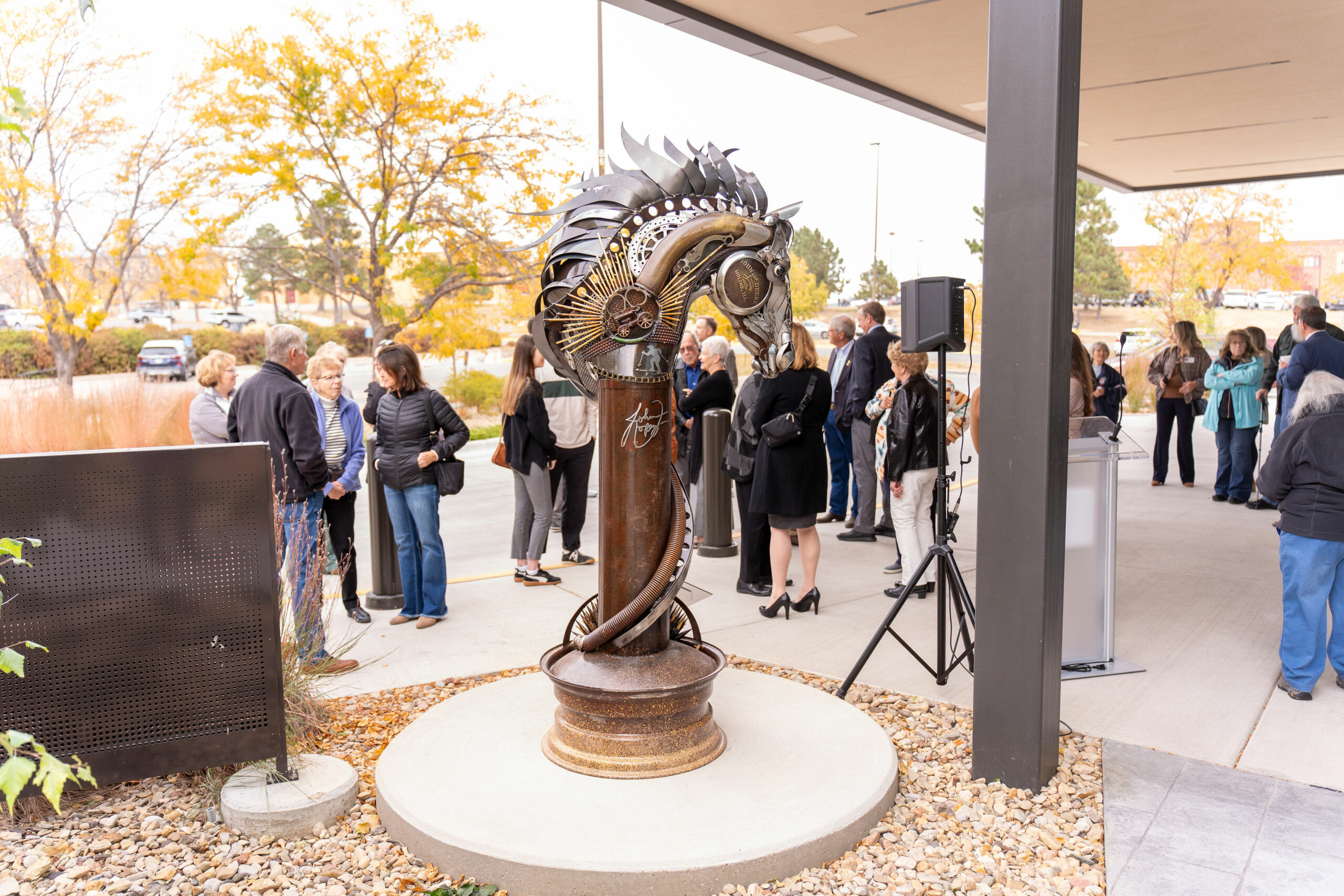
Rapid City, S.D. (Nov. 6, 2024) – The Monument Health Foundation celebrated the life and work of Dr. Ronald Drummond with the unveiling of a specially commissioned art piece by renowned international artist John Lopez. The dedication took place on Saturday, Oct. 26 at the Cancer Care Institute Healing Garden.

“Dr. Drummond was a pioneer in cancer care for Western South Dakota,” said Kristi Gylten, Cancer Care Institute Director. “His unwavering commitment to humanizing the cancer journey for both patients and their families has left a lasting impact on the community.”

Dr. Drummond, who moved to Rapid City in 1974, was a Radiation Oncologist who partnered with Radiology Associates to establish Rapid City’s first comprehensive cancer treatment center. Over the years, he worked relentlessly to modernize and advance treatment options, ensuring that patients received the most effective care possible.

The dedication ceremony, attended by Dr. Drummond’s close family and friends, allowed the community to come together in recognition of his many contributions. 

“This was a very special project to organize, especially given the incredible impact Dr. Drummond had on our community,” said Hans Nelson, Director of the Monument Health Foundation. “He has been recognized as the ‘Grandfather’ of Cancer Care in Western South Dakota. Without his vision of creating a Cancer Care Institute, we would not have the state-of-the-art facility we have today.”

In honor of Dr. Drummond’s legacy, the Monument Health Foundation has established a memorial fund to support ongoing advancements in cancer care. To contribute to this fund, please contact the Monument Health Foundation at 605-755-9191 or email Foundation@Monument.Health.

###

About Monument Health

Headquartered in Rapid City, S.D., Monument Health is a community-based health care system with a mission to make a difference, every day. The system offers care in 31 medical specialties and serves 14 communities across western South Dakota and in eastern Wyoming. With over 5,000 physicians and caregivers, Monument Health is composed of 5 hospitals and 38 medical clinics and specialty centers. Monument Health is a member of the Mayo Clinic Care Network.

Encompassing Compassion

As part of his duties, Cody Brown, Lead Patient Transporter at Rapid City Hospital and former Project SEARCH intern, conveys patients in wheelchairs, beds and/or stretchers between patient rooms or to various departments or to discharge. Communication – between Cody and Caregivers and between Cody and patients – is a vital component of the job. It can, however, prove to be a significant though not insurmountable challenge for Cody, who is deaf and wears a cochlear implant.

In a letter expressing his support for the nomination of Compass One – a Monument Health partner and Cody’s employer – for South Dakota’s Outstanding Employer of the Year award, Cody described his initial struggles to understand and hear patients and coworkers. In the letter, he relayed his gratitude for those who took his predicament into consideration and worked with him so he could better understand and be better understood. “I really love my job because it changed me a lot and gave me opportunities. And I learned a lot of things. My job’s number one priority is safety. My passion is helping people. I want the patients to feel happy, comfortable and safe when I transport and discharge them,” Cody wrote.

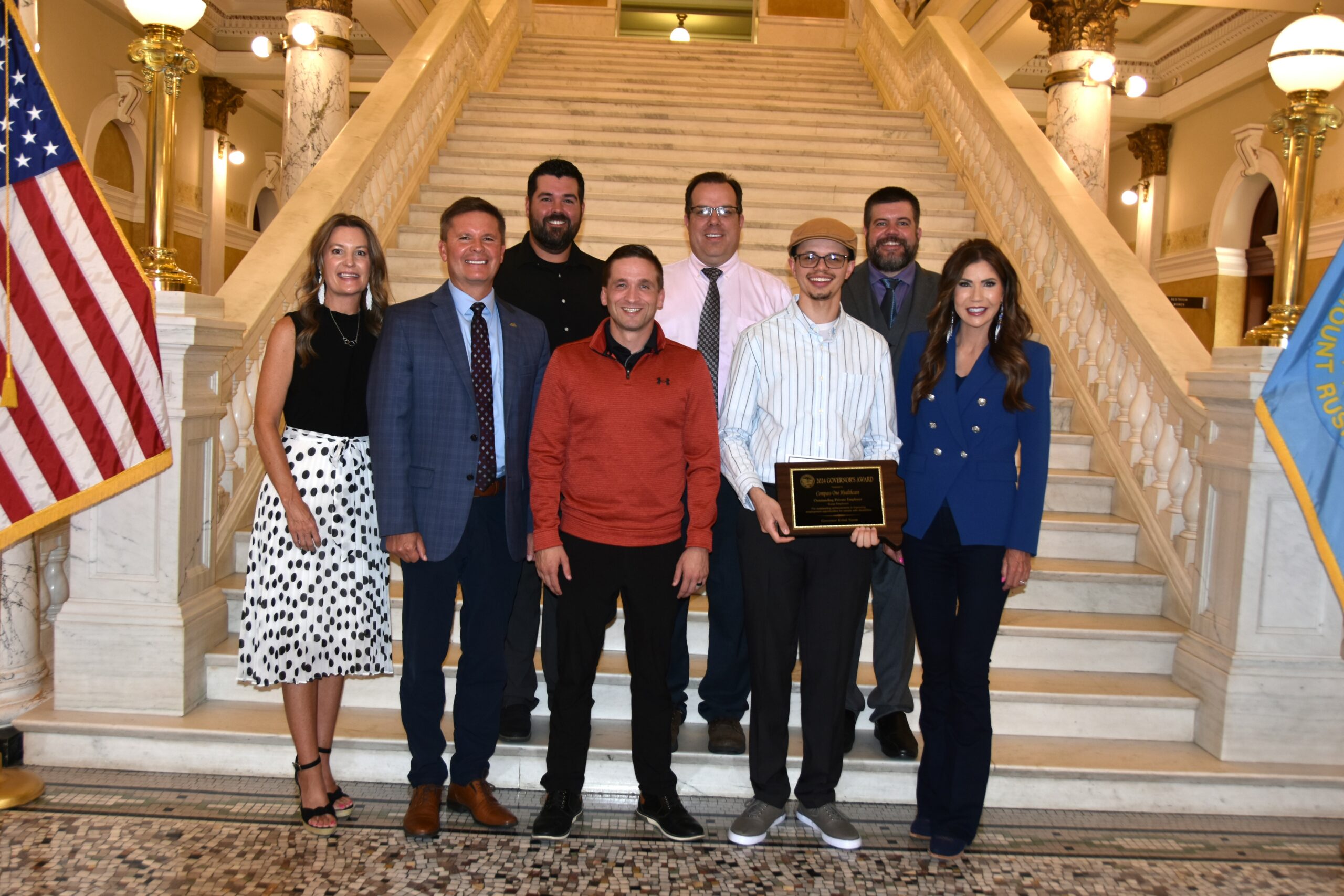
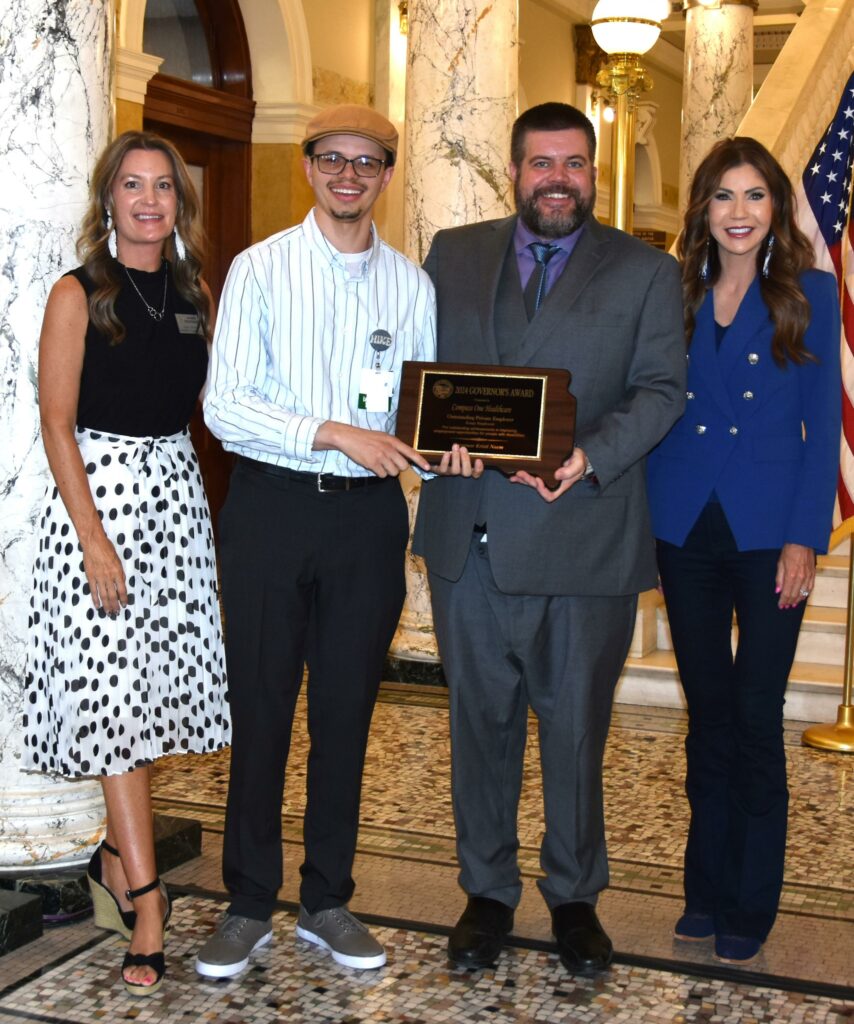
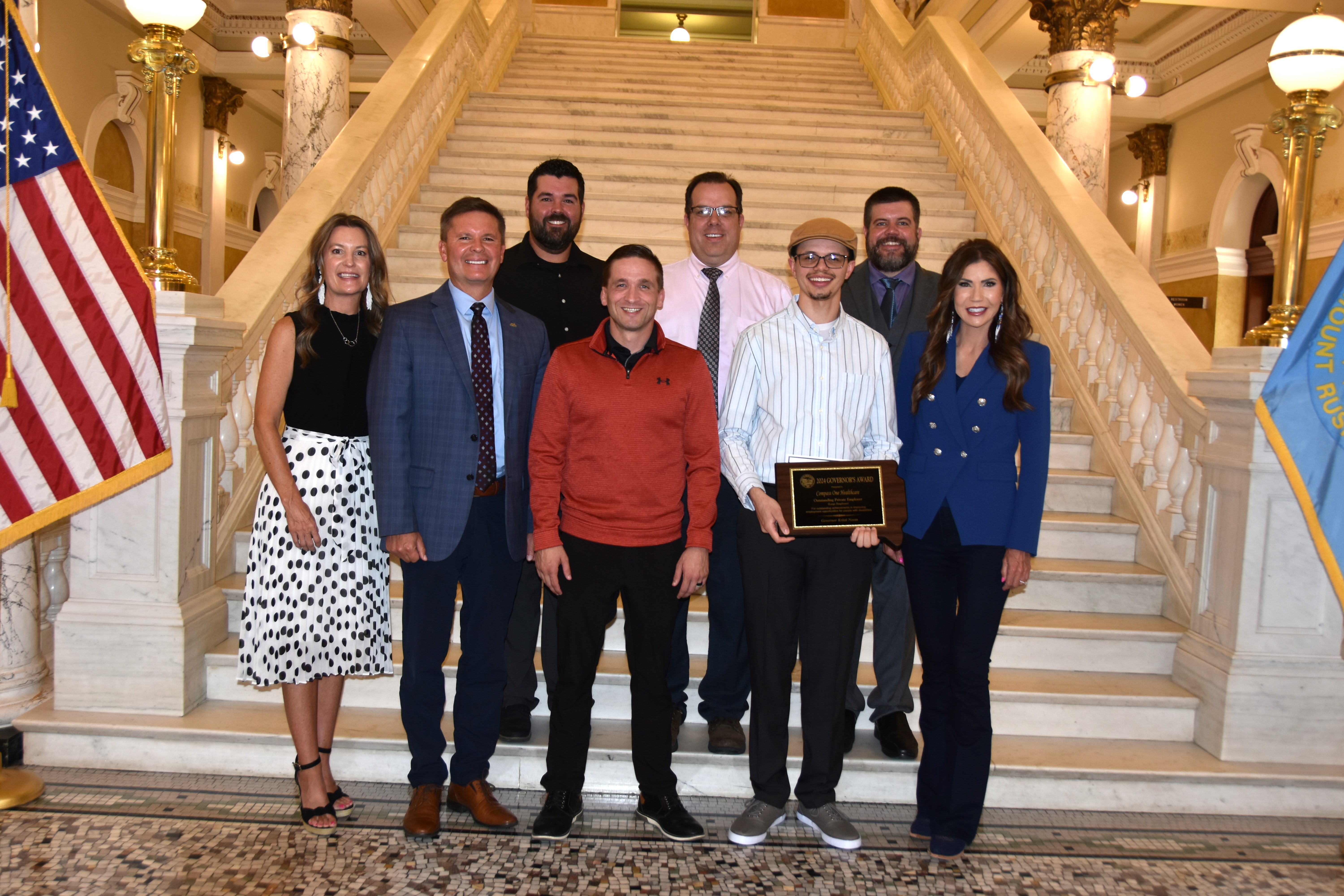
Thanks in no small part to Cody’s letter, Compass One was subsequently named Outstanding Large Private Employer during the 2024 Governor’s Awards Ceremony this past September at the Capitol Rotunda in Pierre. Cody was among those on hand to receive the award on behalf of Compass One, directly from Governor Kristi Noem herself. Cody later described the experience as “the best day of [his] life.” 

Cody’s saga crystalizes Monument Health’s vision of inclusivity as viewed through the prism of the core value of compassion. If we put ourselves in Cody’s place, we can see firsthand the importance of creating an environment where all are welcome and all can feel purposeful in that belonging.

In Cody’s adaptability and determination we can, all of us, find inspiration, and proof that heroism abounds. You just have to know where to look.

Story: Kory Lanphear

To Teach Their Own

Nicholas Goodhope, M.D., PharmD, Infectious Disease, may be newly hired at Monument Health, but he’s not new to Rapid City Hospital, nor is he new to the area. A Sturgis local, Dr. Goodhope always wanted to practice medicine and he always wanted to do so in the Black Hills.

His homecoming is a matter of well-laid plans coming to fruition. 

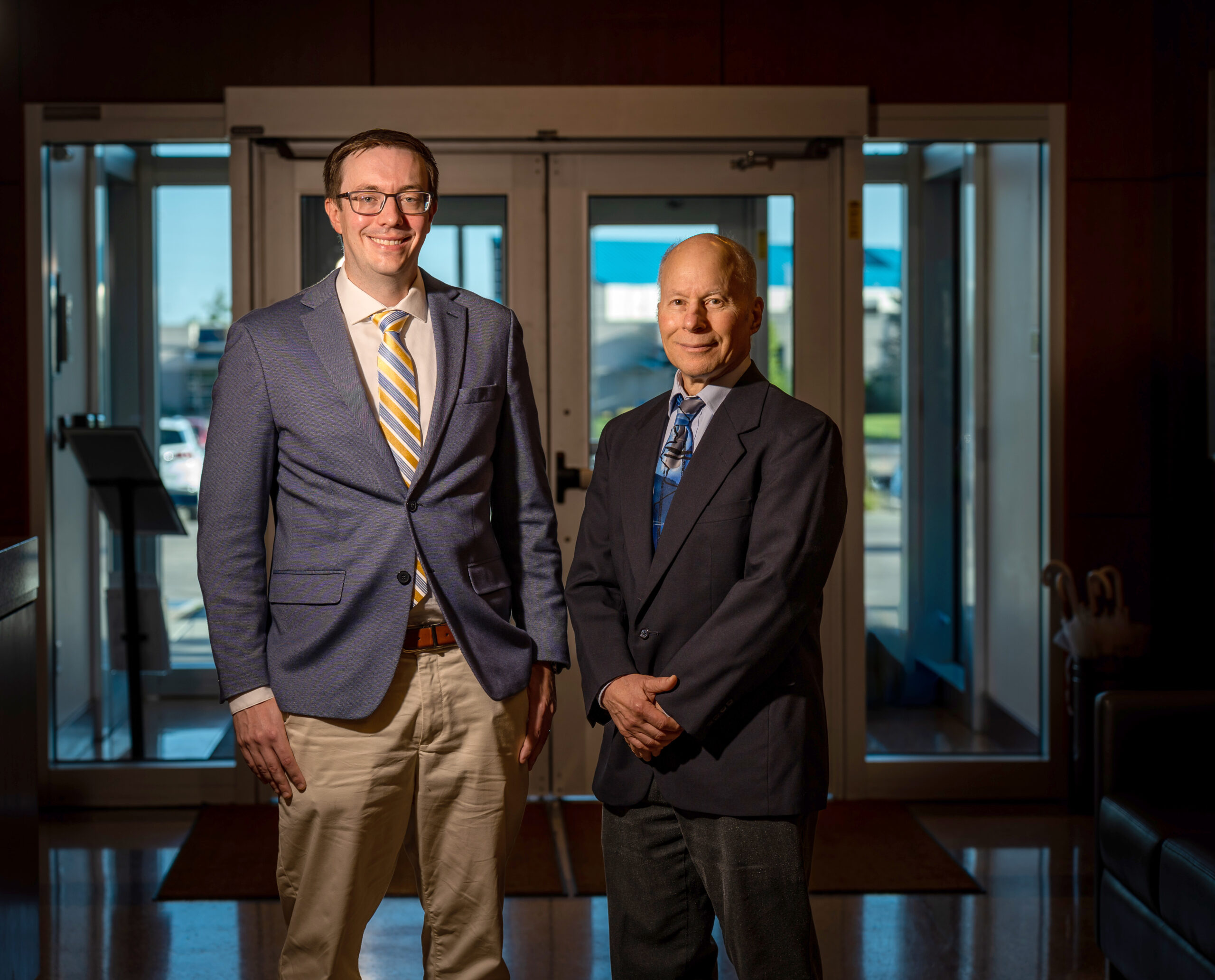
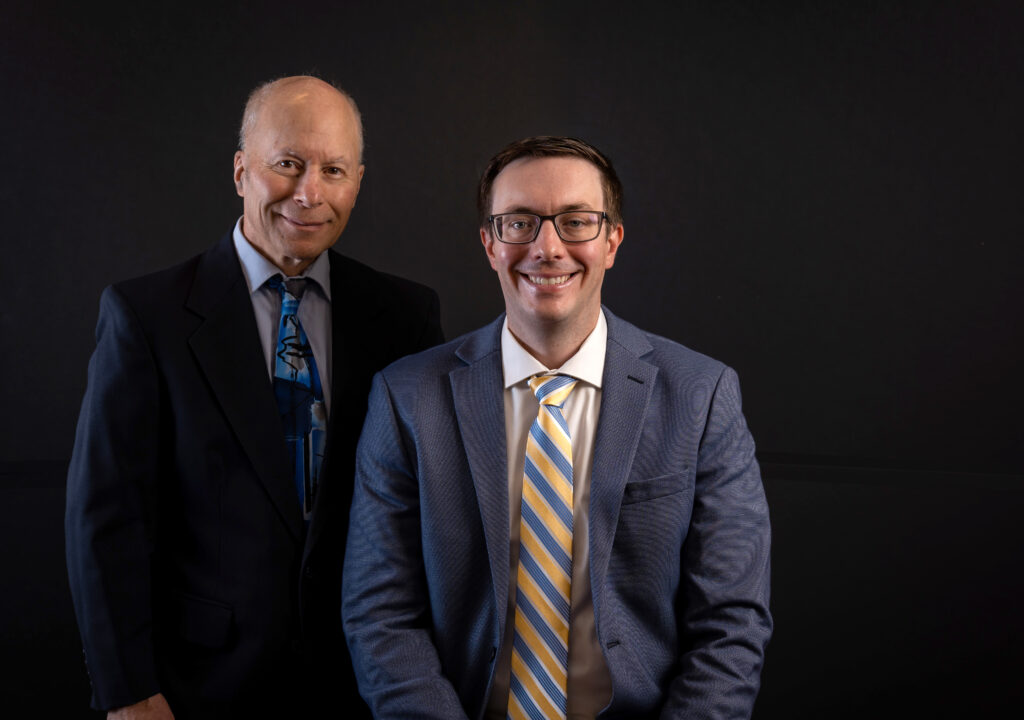
His return, though, brings a unique and increasingly common situation. Dr. Goodhope was once under the indirect tutelage of Matthew Simmons, M.D., FAAN, Neurologist at Rapid City Hospital and Associate Dean for University of South Dakota, Sanford School of Medicine.

“Clinical training is hands-on at the bedside in various clinical settings around the state of South Dakota. We have a campus here, so we have up to 15 students per year for two years. Some of them are from the Rapid City area, some of them are from elsewhere. And I oversee their educational program,” says Dr. Simmons.

Dr. Goodhope is a graduate of that program and, after further training and education in Boston and Minneapolis, he now comes back to Monument Health as a colleague to Dr. Simmons.

That’s the point, Dr. Simmons points out. “That idea of staying here as graduates of University of South Dakota is a really critical piece of our mission. Just recently, I looked at leadership at Monument Health, for example – medical staff leaders, department chairs, members of the board – and our graduates are represented in all of those areas. Our students have come back and taken leadership roles, which have been critical to the health system’s success,” says Dr. Simmons. 

Dr. Goodhope is an example par excellence of that mission, as even in medical school he developed an interest in instruction. “Nick’s got a pharmacology background on top of his medical degree, so we put him to work a little bit in terms of assisting students that might need a little extra help in certain areas. So he did some teaching himself,” beams Dr. Simmons. 

Indeed, teaching is something that could unfold as part of Dr. Goodhope’s long-term plans. “Clinical practice, education and research are kind of like the triumvirate of medicine. And I really have a passion for clinical work and education.” Dr. Goodhope says.

Part of that teaching component may come through an upcoming pipeline program with the goal of reaching middle or high school students interested in pursuing a medical career. Although still in the very early planning stages, perhaps the program will provide the opportunity for Dr. Goodhope and Dr. Simmons’ relationship to reach an apotheosis wherein the student who became the colleague will also pay that experience forward to the next generation in kind.

Story: Kory Lanphear
Photos: Bob Slocum

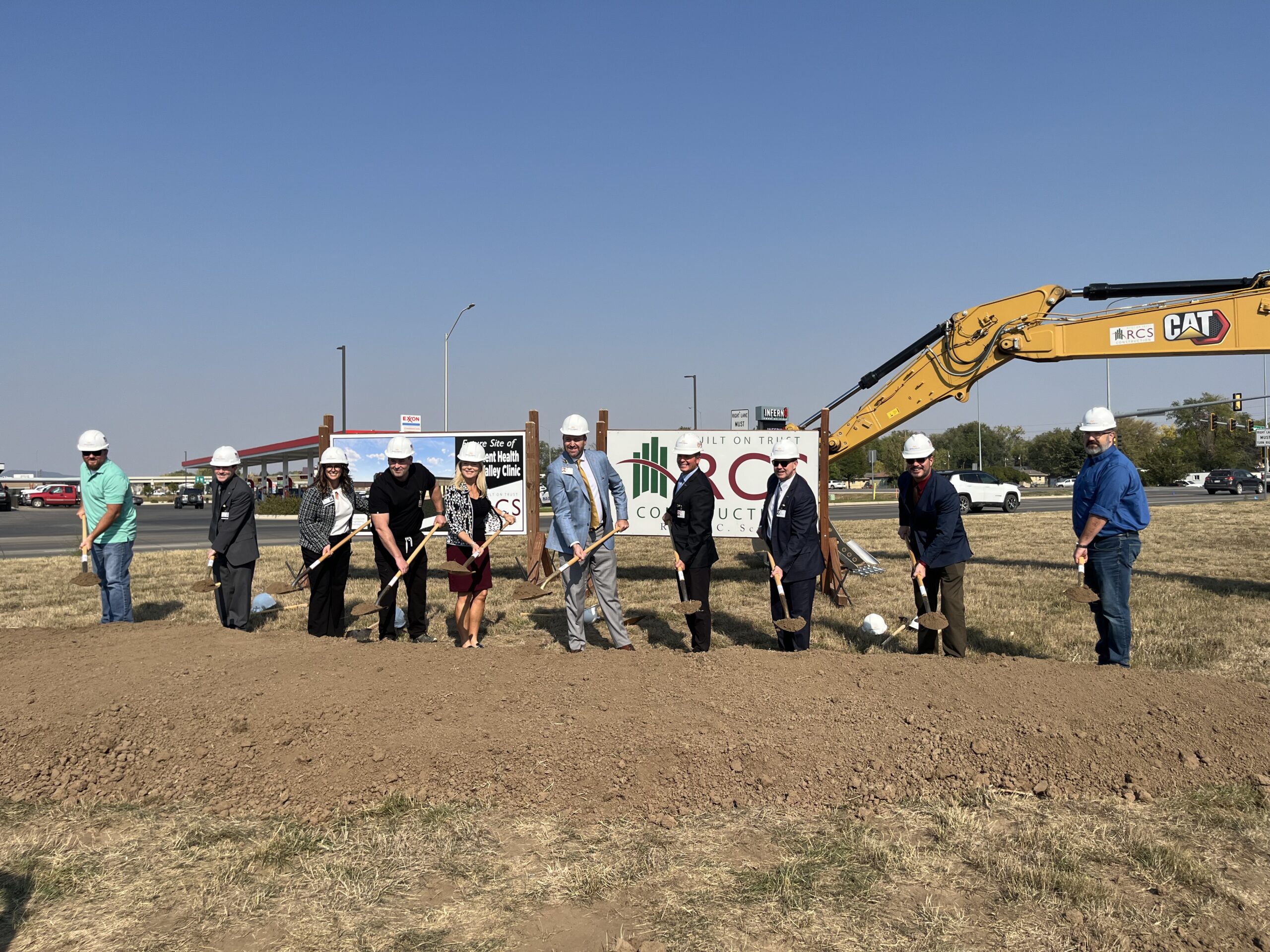
Monument Health to break ground on Rapid Valley urgent care and clinic

Rapid Valley, S.D. (Oct. 9, 2024) – Today, Monument Health began construction on the second new standalone urgent care location planned for the Rapid City area. The first new location will be located on a 2.15-acre parcel of land near Liberty Plaza in Box Elder. The second new clinic will open in Rapid Valley near Elk Vale Road and Highway 44 in Fall 2025. 

These additions will bring the total number of Monument Health urgent care centers to four in the Rapid City area, complementing existing locations at Jackson Blvd., Lacrosse St., and in Custer, Lead-Deadwood, Sturgis, and Spearfish.

“Investing in the steady growth happening in east Rapid City and Rapid Valley means this community, these neighbors – in which our physicians, nurses and caregivers also live – have access to the care they need, when they need it.” said Mark Schulte, Monument Health Vice President of Operations for the Rapid City Market. “Today’s groundbreaking is just the first step to ensure the longevity of the expanded health care services that will serve this community.”

The Urgent Care and Clinic coming to Rapid Valley will operate under the same standards of care that other Monument Health Rapid City Urgent Care facilities use.

Monument Health Urgent Care North and Monument Health Urgent Care West – both in Rapid City – were the first urgent care centers in South Dakota to earn accreditation from the Urgent Care Association of America. The designation is the highest level of distinction for urgent care centers.

The Box Elder and Rapid Valley Clinics are anticipated to open in summer 2025.