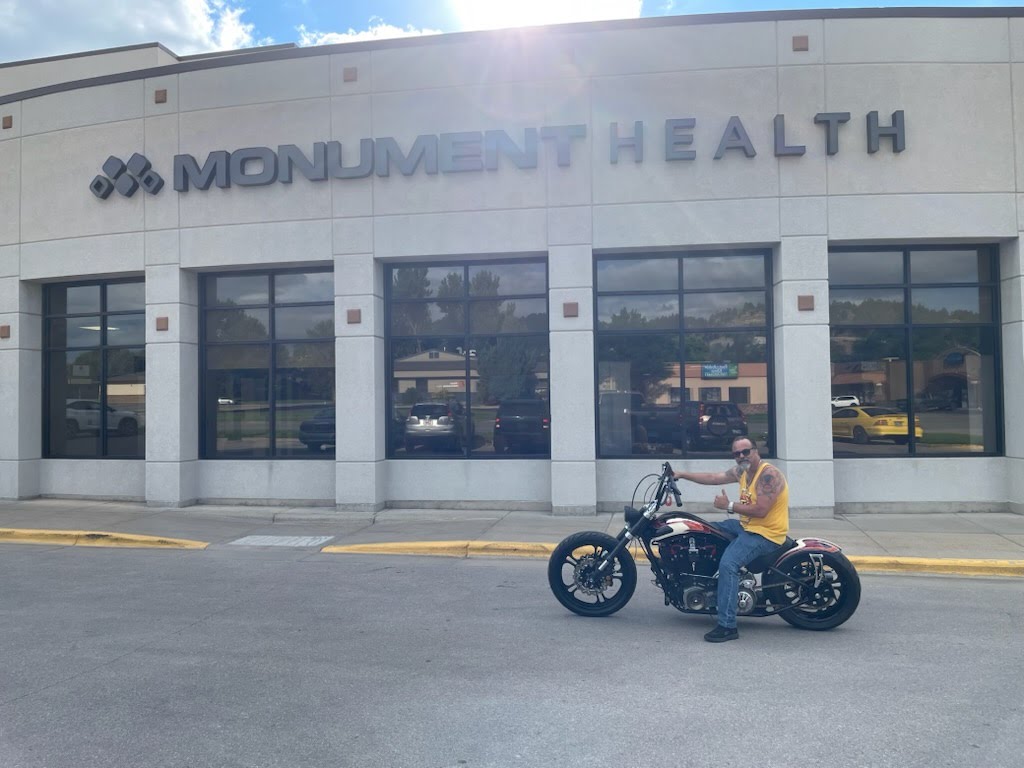
Heart and Vascular Institute Rallies Afib Patient

For 35 years straight, Spring Valley, Minnesota resident Tony Larimer, 58, has been coming to the Sturgis Motorcycle Rally. However, he almost missed the 85th Annual Rally last month due to a serious health matter he experienced this past May while attending a separate motorcycle-related event in these very same Black Hills.

Over Memorial Day weekend, Tony and his wife, Kelli, were staying at a friend’s house in the Nemo area when Tony, a diabetic, began experiencing food-poisoning-like symptoms. Tony didn’t know it at the time, but his insulin pump fusion set was either malfunctioning or not properly connected. His blood sugar kept rising, so Tony kept dosing more insulin. 

“I started throwing up all night. It was pretty brutal,” says Tony. “The next day, my breathing was extremely labored. Our friends know a nurse practitioner that lives in Nemo. She came up to the house and said, ‘You’re in full ketoacidosis. You need to go to the emergency room.’”

Diabetic ketoacidosis (DKA) is a condition in which diabetics cannot produce enough insulin. It can get serious, fast. If they don’t get it treated, patients can slip into a coma state.

Kelli drove Tony to Rapid City Hospital’s Emergency Department. By the time they arrived, Tony was in a bad state. “My blood sugars had gotten so high that my kidneys were shutting down, my vision disappeared. Everything just looked white,” he recalls. 

Emergency Physicians performed an ECG, which revealed that, in addition to the DKA, Tony had a blockage in his heart.

“My lungs were struggling to breathe and so I ended up intubated and on a ventilator for a few days. And during that time, I was continually going into Afib.”

“Tony had a blockage of his left anterior descending artery and went into cardiogenic shock,” says Luis Hernandez, M.D., FACC, Medical Director of the Advanced Heart Failure Program at the Heart and Vascular Institute. Such conditions can lead to a so-called “widowmaker” heart attack because the heart is blocked from receiving half of the blood it needs to work.

Dr. Hernandez and Moinuddin Syed, M.D., Interventional Cardiologist, decided that Tony required stents and a temporary Impella pump to help his heart beat stay constant. For three days, the Impella pump assisted Tony’s heart. The decision turned things around and saved Tony’s life, something for which he’s very grateful.

Once back home, Tony went under the care of his cardiologist. Whether or not he will need additional surgery or a pacemaker remains to be seen. For now, he’s being monitored, undergoing rehabilitation and taking medications. He finds out this month if this plan is paying dividends. 
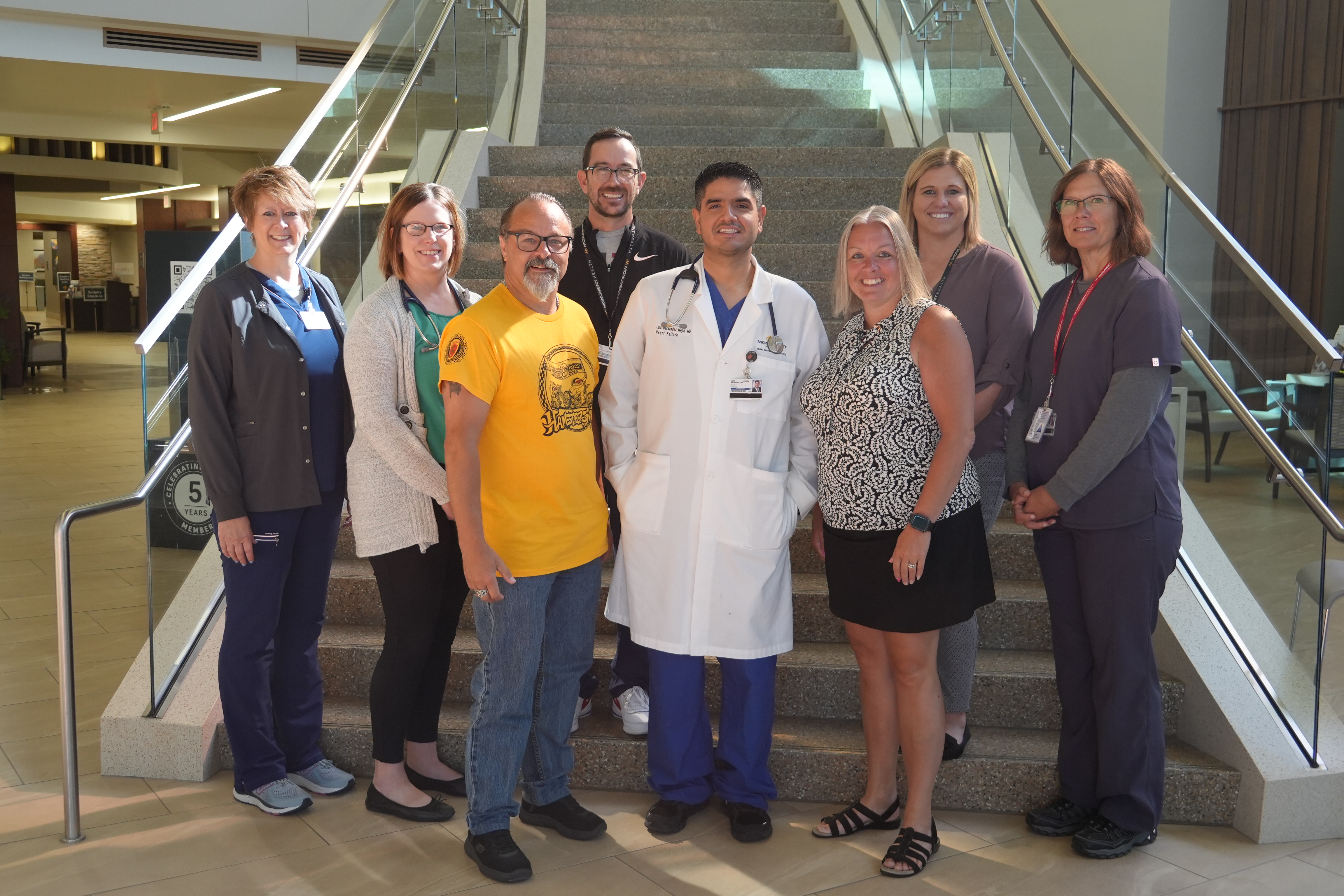
Left to Right: Patient Care Coordinator Leah McCormick, APP Jessica Tvedt, Tony Larimer, Transition Coordinator Ron Gallet, Luis Hernandez, M.D., FACC, Kelli Larimer, APP Megan Hullinger, APP Audrey Bickerdyke

Last month, Tony was back in the Hills for the 85th Sturgis Rally. He made it a point to stop by Rapid City Hospital, where he reunited with Dr. Hernandez and his care team. Tony and Dr. Hernandez shared a teary-eyed hug. Dr. Hernandez also introduced Tony to Dr. Syed, whom Dr. Hernandez called the “man of the hour” for his role in Tony’s care. Tony was so incapacitated that he wasn’t even aware that Dr. Syed performed the placement of the Impella pump and stents that facilitated his recovery.

“I’m fortunate to be here,” Tony told Dr. Hernandez during their reunion. “My doctors at home said that there’s very few skilled hands that could do what they did here so well. The fast work of your team saved me. I can only say, ‘Thank you.’” 

The HVI team’s work benefited more than just Tony’s personal Rally enjoyment. As a member of the Hamsters USA motorcycle club, Tony is heavily involved in charity projects around the Hills during the Rally. During the 85th Rally alone, the Hamsters raised $333,000 for Lifescape in the Black Hills. “We’ve given now over $5 million. We do that across the country,” Tony says. “For Spearfish, we give Meals on Wheels up to 20 grand every year to help with that. We just donated $100,000 to the museum in Sturgis, because we have to keep this heritage. We’re really involved in the short time we’re here.”

Story and Photo by Kory Lanphear

Submitted photo courtesy of Kelli Larimer
Light Duty Work for Injured Caregivers

As a Registered Nurse in the Intensive Care Unit of Rapid City Hospital, Adam Drake is used to a certain amount of physical work. However, when he hurt his back on October 18, 2024, during a day of repeated patient transfers, he didn’t know that what seemed like a minor injury would linger on and on.

“I couldn’t sit on the couch, couldn’t be with my family, couldn’t exercise,” he says. “It progressed into 37 chiropractic sessions, a bunch of physical therapy, a pain shot, MRIs, until eventually, on June 11, I had back surgery to ease the pain.”

When a Caregiver experiences an injury at work, they have the option to be assigned Light Duty Work. In Adam’s case, he was assigned to work with Monument Health Foundation under Director Hans Nelson. 

Here’s how it works: if you are hurt on the job, such that you cannot work your normal position, Jodi Bruckner, Human Resources Analyst, receives a notification. Jodi reaches out and asks if you’re open to Light Duty work. If you agree, she then follows up with an open Light Duty position in your location — possibly in the Foundation, like Adam, or perhaps in Quality, Marketing or Guest Services, etc. 

During his Light Duty assignment, every day has been different for Adam, both in terms of what he does and how it’s in no way similar to the ICU, where he usually works. This can be a good thing, as Adam has gotten to know people and situations he may otherwise never have been aware of, no less experienced for himself.

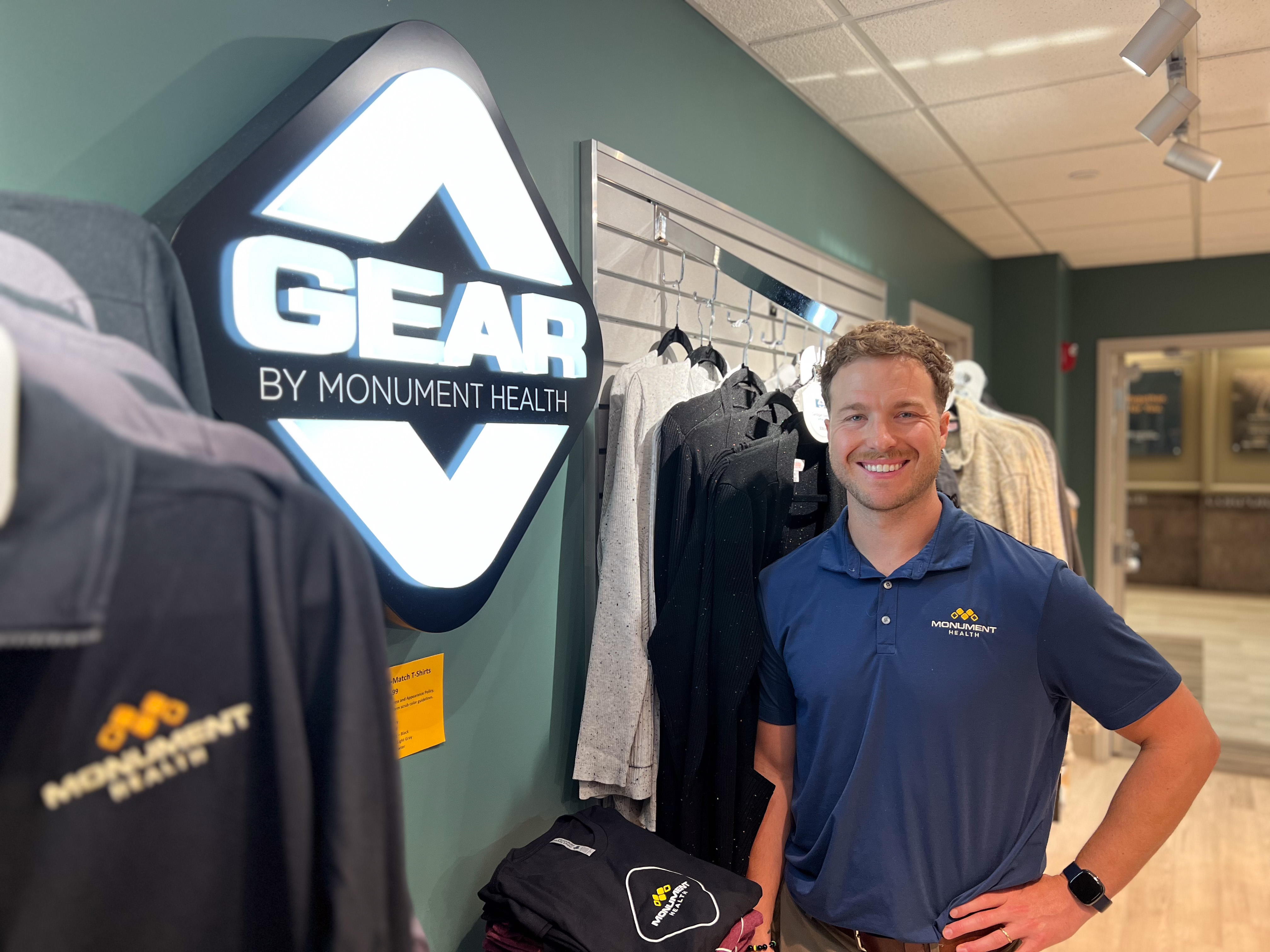
Tuesdays, Wednesdays and Thursdays, Adam can be found manning the cash register with Darlyce Bollwerk, Executive Assistant, at Gear Store in Rapid City Hospital. In August he helped Kelsie Ficken, Development Officer, with the Paint the Rock Pink golf tournament. “At Paint the Rock Pink I was at the course, putting stuff in the cart and driving around with Mark (Papousek, Development Officer) and giving out lunches.”

This month, he is focused on working with Karlee Baumann, Development Officer on the Home+ Hospice House’s Giving Tree Memorial and with Shawn Powers, Development Officer – Children’s Miracle Network, on the upcoming Play Yellow Golf tournament.

“At first, I had no idea what the Foundation was. Now, I think it’s a super cool gig. I mean, they’re helping everybody out,” Adam says. “The other day, I was looking at the Children’s Miracle Network stuff and I’m getting teary-eyed reading these stories. That’s Shawn doing all that and helping out those kids.”

It’s been 11 months since Adam first injured his back. Since then, his wife gave birth to their first child, a baby girl. Thanks to the Light Duty program, Adam has been able to maintain some sense of stability and to continue taking care of his family during what under any circumstances can be a tumultuous time, even without a debilitating injury to worry about. In total he’s spent about 8 months of the last year in the program.

He is currently on a 40 pound weight restriction and has at least 60 more days of recovery ahead of him, during which time he’ll continue assisting the Foundation with whatever they need. 

“Most injured Caregivers would probably be considering, ‘How the hell am I gonna make money or provide for my family?’ They will find a position for you in the organization that fits your restrictions. And from my experience your new coworkers are going to be super friendly, and amazing,” Adam says. “I’m glad the hospital offers the program—for pay, for sure—also just to keep you working and moving, versus rotting at home.”

Story and Photo by Kory Lanphear

Retired Physician Continues Helping Patients

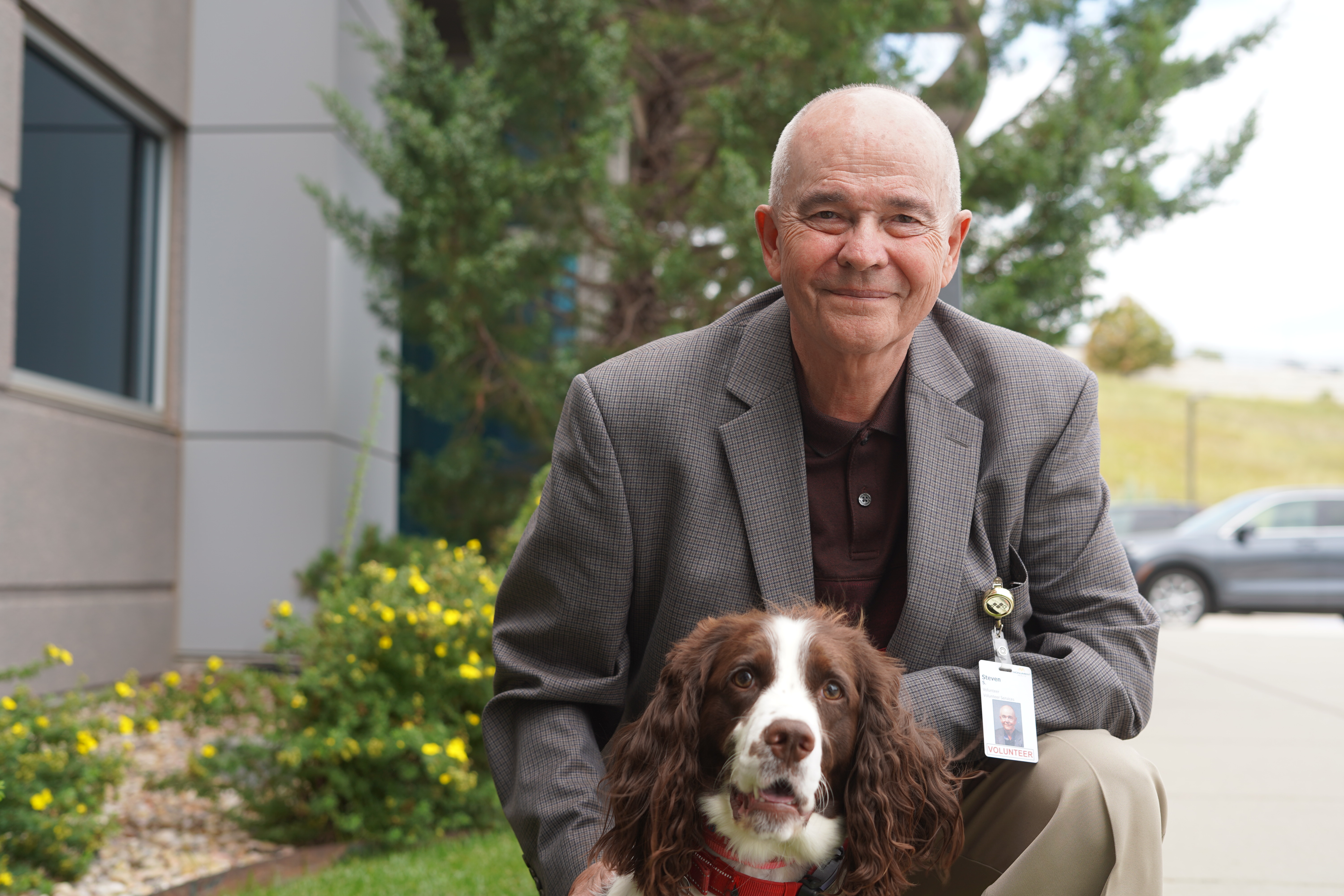
As retirement from his Internal Medicine and Travel Medicine practice neared in 2024, it was suggested to Steven Stocks M.D., that there was still a need for him and his institutional knowledge at Flormann Clinic. At the time, Dr. Stocks, now 78, hadn’t exactly pictured spending his retirement at the clinic from which he’d just retired. The more he thought about it, though, the more it made sense, since he had been there for 25 years—the very beginning of the building itself — and had been practicing medicine for 44 years total.

So, Dr. Stocks retired…then returned to Flormann Clinic to volunteer as a greeter at the main entrance. “When you’re a doctor and you’re back in your exam rooms, you don’t know what’s going on at that front door. You don’t realize how busy it is. Many people are referred to that clinic and when they come they don’t know where to go. I’m right at the front door for them.”

Because of his long history at the clinic, he is a familiar face to the many patients, Physicians and Caregivers who come through the doors. In fact, his wife, Cindy Stocks, CNP, still works on the first floor in Primary Care.

Dressed in his daily uniform of a sport coat, collared shirt, slacks and polished shoes, Dr. Stocks aims to set a caring, gentle tone right when visitors walk in. He is even known to accompany people onto the elevator and press the button to the proper floor, just to make their journey easier. 

“We do have a giant screen that acts as a directory in the waiting room. It can take quite a bit of time to go through it, though,” says Dr. Stocks. “Even in this past year, we’ve gotten a lot of new providers. I study the screen myself so I know who these new providers are and where they’re at.”

Dr. Stocks will have yet more studying to do soon, as a total of five additional physicians will be added at Flormann Clinic over the next six months.

When he’s not at the clinic, Dr. Stocks often takes his sweet-natured Springer Spaniel, Duchess, to three different nursing homes to visit some former patients and even old doctor friends, something he’d looked forward to doing even before he retired.

Dr. Stocks is happy to continue volunteering at the clinic as long as his health and mobility hold up, which they have so far. Ever the physician, he always has patients as his priority. “I want to do what I can do for them, and I want to help the clinic too. That’s one of the chief things in my mind and my life, helping people,” he says. “The patients help me in many ways, too. They really raise me up when they come in. It’s a very good feeling, especially when they want to give you a hug. It gives me a great deal of pleasure to volunteer.”

Story and Photo by Kory Lanphear

Spearfish Nurse Receives Tillman Scholarship

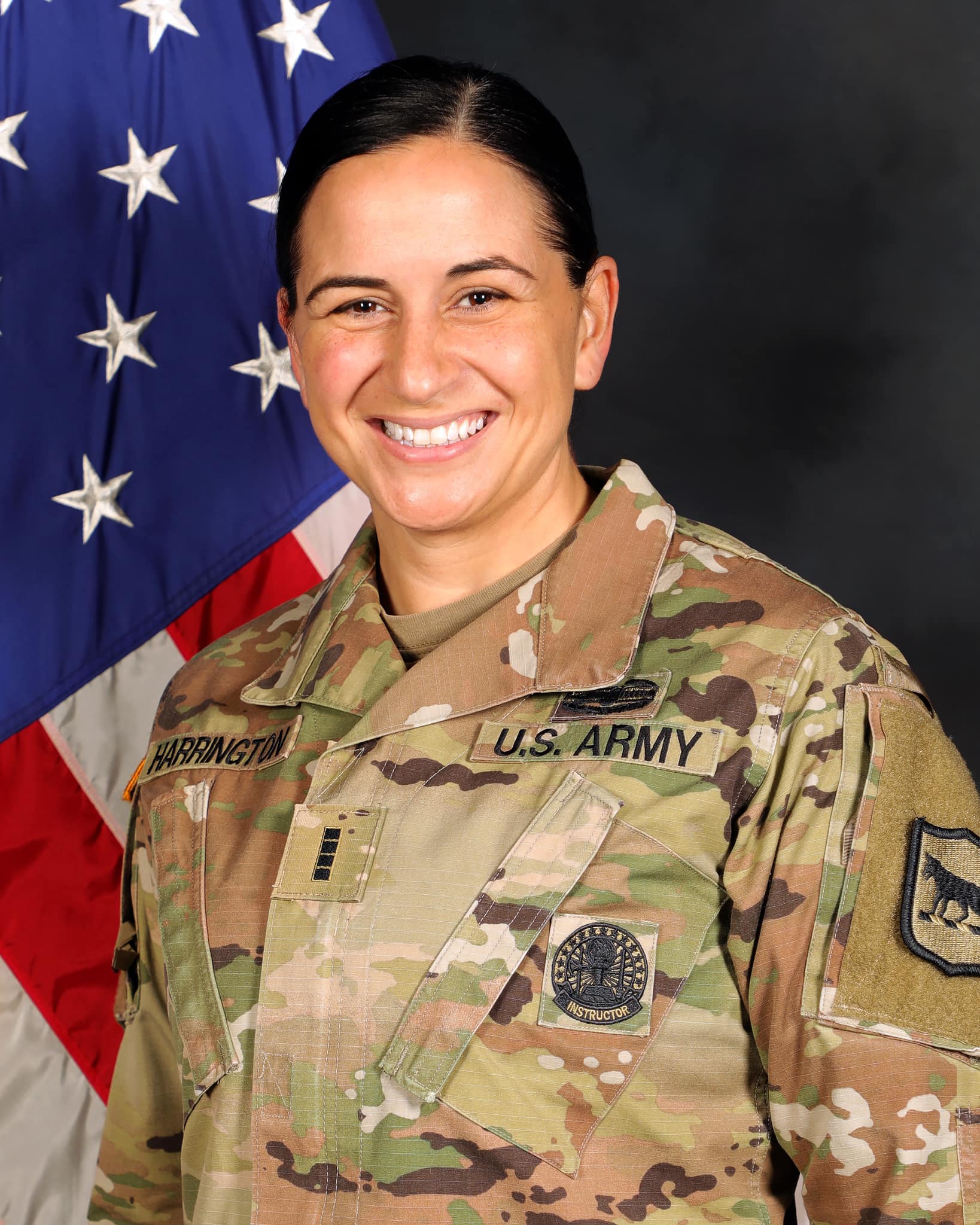
Kaylan Harrington, RN, Spearfish Hospital, recently became the first—and, so far, only—person from South Dakota to be named a Tillman Scholar by the Pat Tillman Foundation. 

Tillman was a safety for the Arizona Cardinals in the NFL. He famously walked away from his promising and lucrative professional football career to join the United States Army after the 9/11 attacks. He was killed in action in 2004 while serving in Afghanistan. The foundation in his name was started by his family and friends to honor his legacy and principles as an athlete, scholar, soldier and leader.

“I actually grew up down the street from Pat Tillman in California. My mom was his high school teacher, and we went to rival high schools,” says Kaylan. “He was a little bit older, but I also joined the military right after 9/11. When he was killed, it was a really big deal back in our hometown. He became a personal hero of mine for the last 20 or so years in the military. I really idolize his values and his leadership attributes and how humble he was.” 

In addition to being a nurse, Kaylan serves in the South Dakota Army National Guard as a Chief Warrant Officer Four in the Training Unit at the base in Sturgis. The financial award will cover her final year of a Master’s in Nursing Education at South Dakota State University. She intends to use her degree to become a nursing instructor upon graduation next spring.

In July, Kaylan was flown to Chicago for the Pat Tillman Leadership Conference. “We got to meet his widow, and all these amazing individuals that are former Tillman Scholars, including Jonny Kim, an astronaut who Skyped in from space to talk to us. It was very inspiring.”  

From pattillmanfoundation.org:

“The Pat Tillman Foundation identifies remarkable military service members, veterans and spouses, empowering them with academic scholarships, lifelong leadership development opportunities and a diverse, global community of high-performing mentors and peers. Our scholars are making an impact as they lead through action in the fields of healthcare, business, public service, STEM, education and the humanities.”

The scholarship is highly competitive; a mere 42 out of 1,700 applicants were chosen this year. Though the application process may be intense, Kaylan encourages other veteran and active duty or military spouse Caregiver-scholars to apply. 

“I encourage everybody to go check it out and see if this is something that could help them in their path to furthering their education or that of their spouse or their children that might be serving,” she says. “Or, just go read Pat’s story and remember ‘the why’ behind the things we do.”

Story by Kory Lanphear

Photo submitted

Ronald McDonald House Charities to Build a House in the Hills

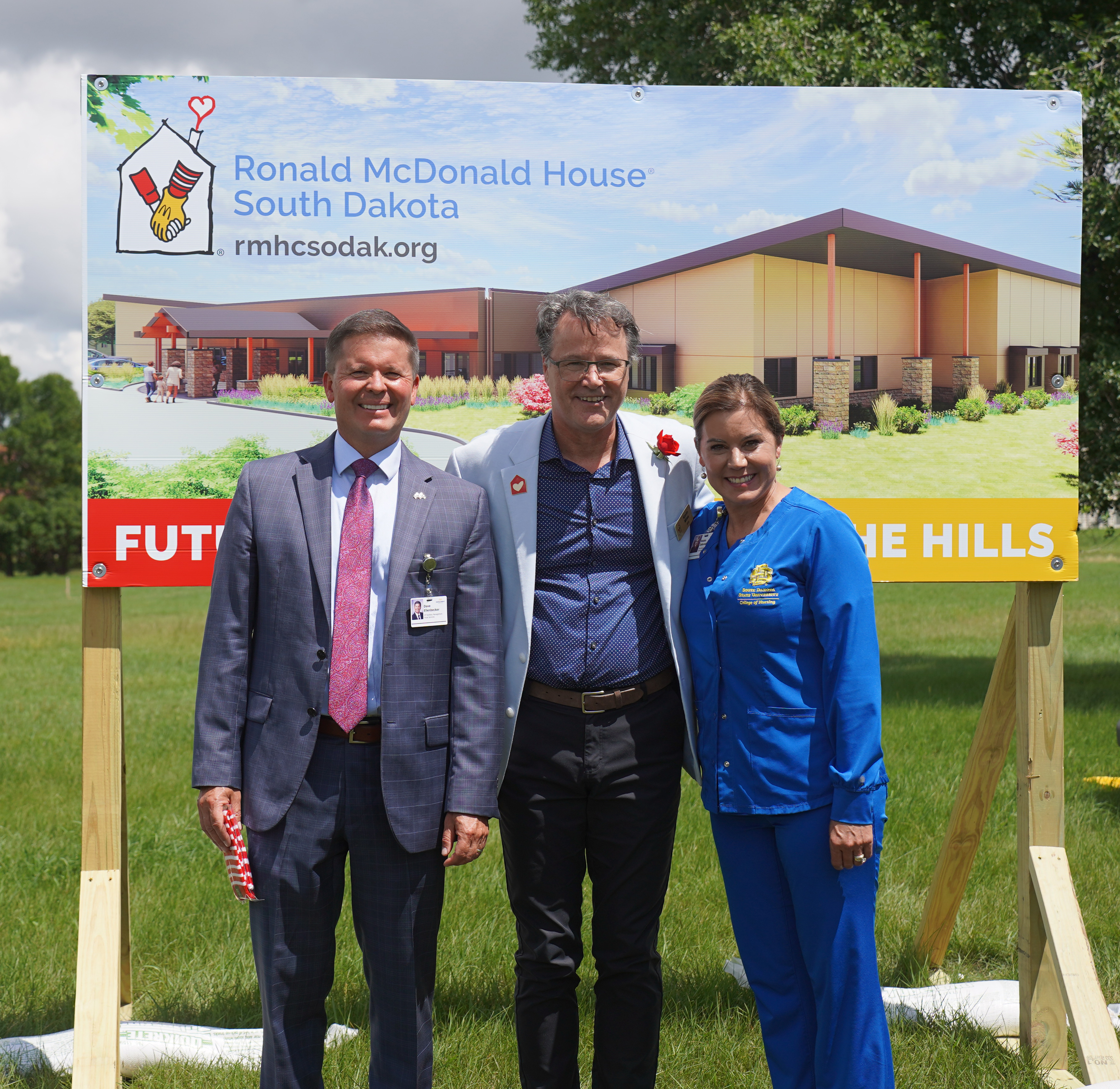
In late July, we celebrated alongside Ronald McDonald House Charities (RMHC) as they announced their House in the Hills project. The 12-bedroom house will be located on land owned by Monument Health, at the corner of East Fairmont Boulevard and Elm Avenue; mere blocks from Rapid City Hospital. Once built, the house will also feature private bathrooms, a fully equipped kitchen, shared lounging spaces, dedicated children’s play and gaming areas, laundry facilities and offices for on-site staff.

According to RMHC:

  • Last year 1,078 local families stayed in the houses the organization provides.
  • Within 15 counties in western South Dakota alone, in its history Ronald McDonald houses have served approximately 5,161 families for a total 25,714 nights.
  • In the state of South Dakota, families whose children are battling life-threatening illnesses stay for an average of 8 nights. 

“At Monument Health, one of our top priorities is to provide safe, high quality care close to home,” said Dave Ellenbecker, VP Facilities Management and Plant Operations, to the gathered crowd. “This house represents far more than a building. It’s a symbol of our community’s unwavering commitment to supporting families during their most challenging moments. Seeing this vision become a reality is truly amazing.” 

Monument Health serves a geographic area greater than 250 miles around Rapid City, which includes five states: South and North Dakota, Montana, Wyoming and Nebraska. Families in need of care sometimes travel long distances, which causes even more stress than that which already comes along with having a child who needs critical medical care. These families can count on Ronald McDonald House to provide a wonderful, comfortable and supportive retreat that is minutes away from Children’s at Rapid City Hospital. 

This project has been nearly almost two decades in the making, with plans originating as far back as 2006. “With the collaboration of Monument Health, under the leadership of Chief Brand Officer Robin Zebroski and Dave Ellenbecker, Ronald McDonald House in the Hills is not a hope, but a reality,” said Kevin Miles, CEO of Ronald McDonald House South Dakota. 

Construction on House in the Hills begins in September with the goal of opening in late 2026.

Story by Kory Lanphear

Photo by Colette Gannon

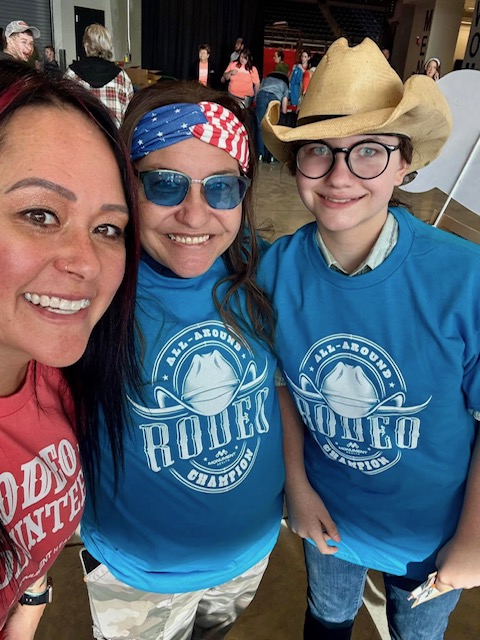
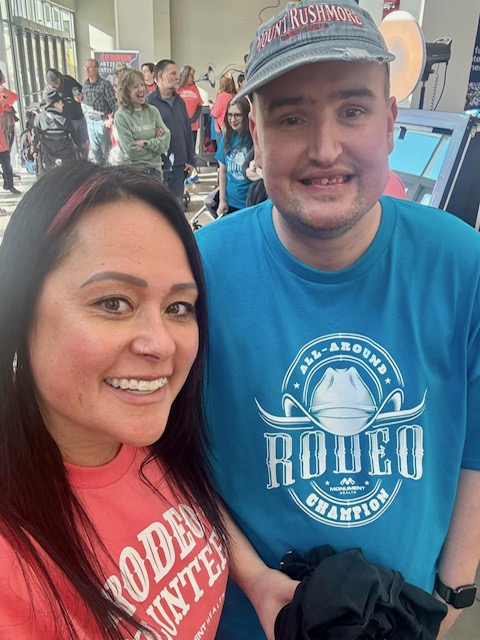
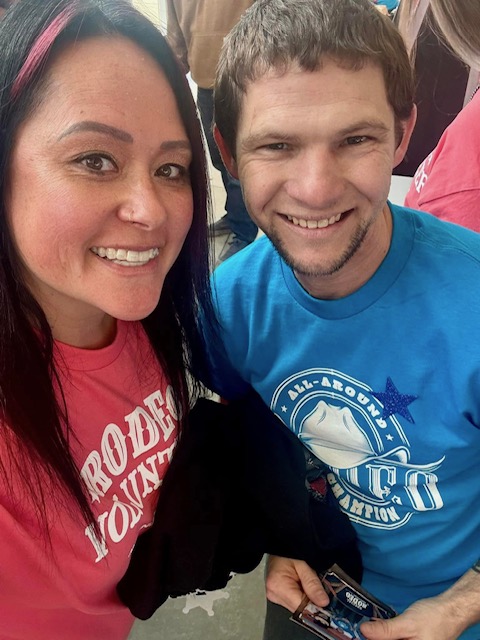
What it’s Like Volunteering at Special Rodeo

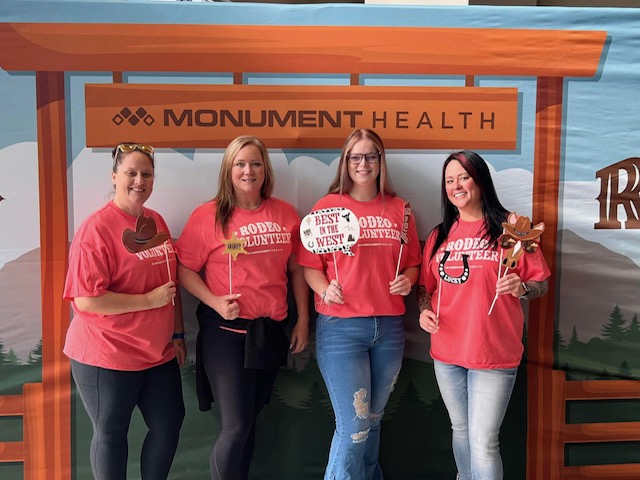
On August 23, the Central States Fair will once again host the summer edition of Monument Health’s Special Rodeo. Have you ever thought about volunteering? Maybe you’re hesitant because you don’t know what to expect. Well, let an experienced volunteer tell you what it’s like.

Cass Jones, Supervisor Medical Imaging Services, Rapid City Clinic, Flormann Street, has helped at Special Rodeo multiple times. 

“I started volunteering with the Special Olympics in college. I helped coach basketball. It’s always just been something I enjoy doing. I strive to be the best role model I can, not just for the athletes, but for the community around me. It brings me genuine joy to serve others,” Cass says.

Cass highlights the relaxed atmosphere at Special Rodeo. “As a Rodeo Buddy, your main job is simply to get to know the participant you’re paired with and guide them from one activity station to the next,” she says. “Whether it’s a stick horse race or a ‘bull ride,’ there’s always someone at each station ready to demonstrate how it’s done. You’re there to help the participant stay engaged and ensure they have the chance to experience everything.”

Each participant brings their own unique abilities, which, Cass says, adds variety of the experience. “It’s so much fun watching people with different skill levels work together and cheer each other on. Everyone has such a great time. You also get to gently encourage participants to step outside their comfort zones. If they’re hesitant about trying something, you support them, build trust and celebrate their successes. It’s a great feeling. I love it so much.”

Previously, Cass has volunteered as a Rodeo Buddy and at the photo booth. This time around she registered to help with lunch, which is a new element to Special Rodeo. She’ll coordinate with the caterer to make sure the food gets set up. She’ll also greet attendees, help guide them to the lunch area, assist in serving food and then clean up after lunch is over.

“I oversee Medical Imaging at three clinics. I’m a working supervisor, and I want to be able to fill in wherever I can and be the most helpful, just like at Special Rodeo. I just like to try it all,” she says.

“I encourage everybody to volunteer at Special Rodeo at least once. It’s just one of those everlasting things that you don’t understand how meaningful it is until you actually do it. The athletes are always so appreciative and full of happiness—it’s contagious. Seeing their smiles, sharing in their accomplishments, and being part of that positive energy fills me with a deep sense of purpose.” 
If you’d like to volunteer for Special Rodeo at Central States Fair, go to monument.health/specialrodeo.

Story by Kory Lanphear

Photos courtesy of Cass Jones

Inside the Daily Rally Briefings

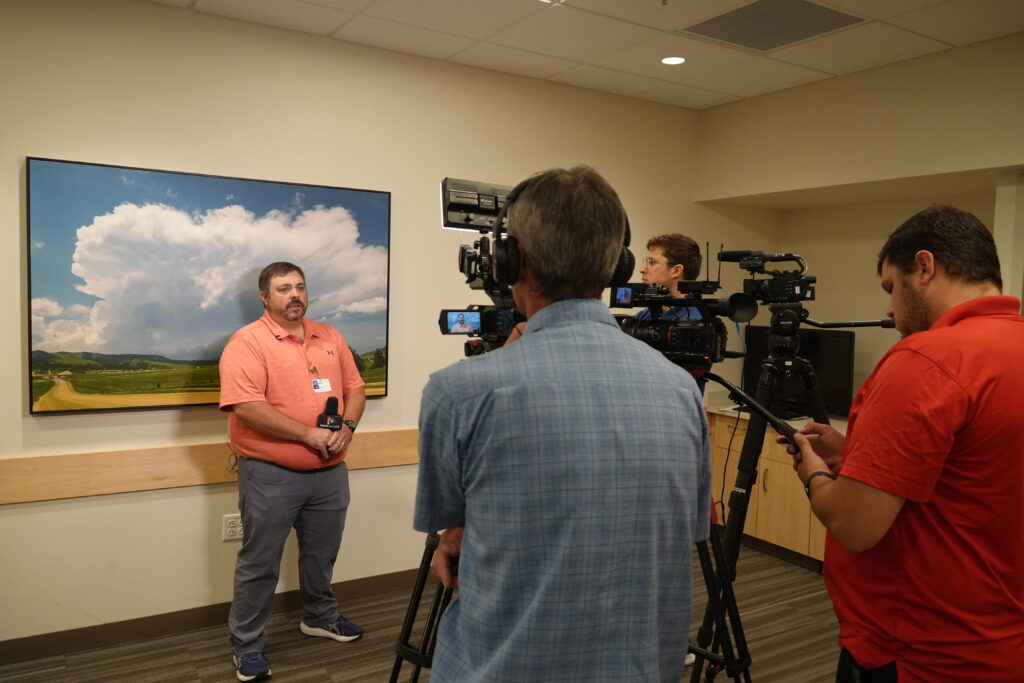
“The day you start preparing for the next Sturgis Rally is the day after the Rally is over.” So says Rikki Plaggemeyer, Manager Nurse, Sturgis Hospital, at a media event covering Monument Health’s Rally preparations. And she’s not wrong.

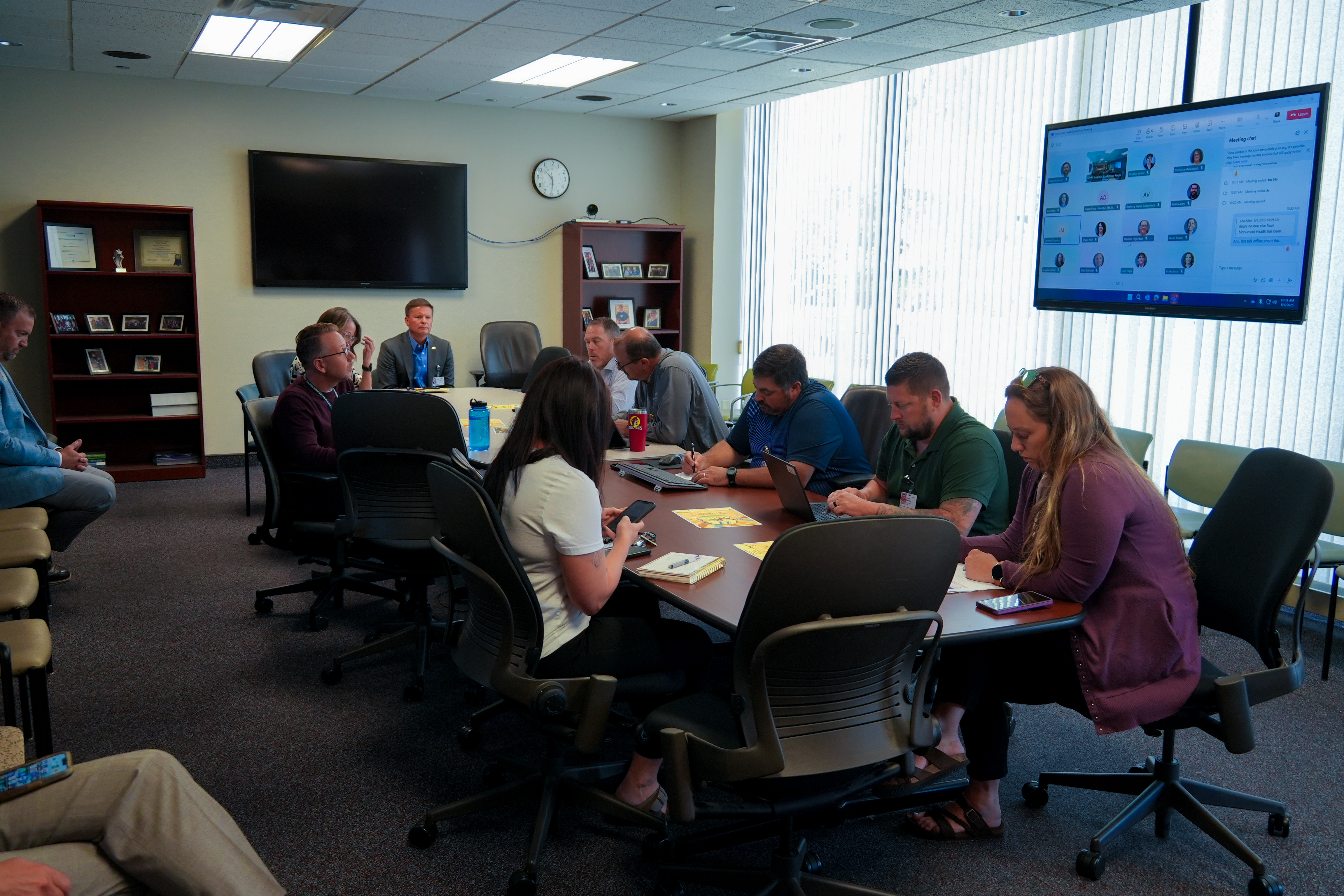
In advance of this year’s 85th Annual Sturgis Motorcycle Rally, the year-round preparation not only culminates in the on-site care provided by the Nurses and Physicians at the hospitals and clinics, but also in daily organization-wide briefings. Held in some combination of in-person at Rapid City Hospital and on a mass Microsoft Teams call, the meeting can include over 100 participants and is conducted weekdays during the Rally. Various members from each of the Monument Health Urgent Cares, Same-Day Clinics, Emergency Departments and Hospitals attend, as well as representatives from law enforcement, fire departments, state and federal government agencies and organizations like Life Flight.

The point person for this all-hands-on-deck, war-room-style Rally coordination is Dustin Calhoun, Business Continuity Coordinator for Monument Health. “We begin Rally planning meetings in January. We want to make sure that our plans and procedures are known to the various entities, and their plans and procedures are known to us,” says Dustin. 

In the daily briefings during the actual Rally, data is shared, such as how many patients each facility treats each day, along with how many trauma activations were required in Emergency Departments, how many beds remain open in each hospital, if any, and what staffing or supply needs a location may have. This data is compared to last year’s numbers, which then helps to inform next year’s staffing strategy and allocation.

This year, the daily Rally briefings started three days before Rally and will continue until the day after the Rally concludes—possibly beyond, as the situation requires. Then the yearly planning meetings will begin early in the new year to do it all over again. “Preparedness is key to everything,” says Dustin. “The challenge is trying to figure out how many people you can expect at each Rally and we do that through our channels—with the Department of Tourism and the city of Sturgis, for example—looking at vendor permits and how many reservations there are.” 


Monument Health Physicians, Nurses and Caregivers remain committed to providing safe, high-quality care, no matter the circumstances. Each patient is treated with the same level of commitment to quality. Whether during the Rally or any other time of year, our commitment to care remains. 

“Someone once told me, ‘If you have 500,000 people come to an area, that’s 500,000 different things that could happen.’ The staffing of hospitals is a big deal during events like this. The more information we have, the better for everybody,” says Dustin.

Photos and Story by Kory Lanphear

Spearfish Hospital Caregivers Volunteer to Cart Patients

Since construction began in late summer of 2024, the Spearfish Hospital expansion has called for some creative improvising. Currently the front access to the Hospital is being relocated from the south end to the north end. Because of this, the current drop off area to the Hospital and Clinic are temporarily inaccessible until at least the end of August.

Angie Leonard, Director of Ambulatory Operations for the Specialty Clinics in Spearfish, wanted to find a way to help patients who may require assistance to avoid a long walk from the parking lot. 

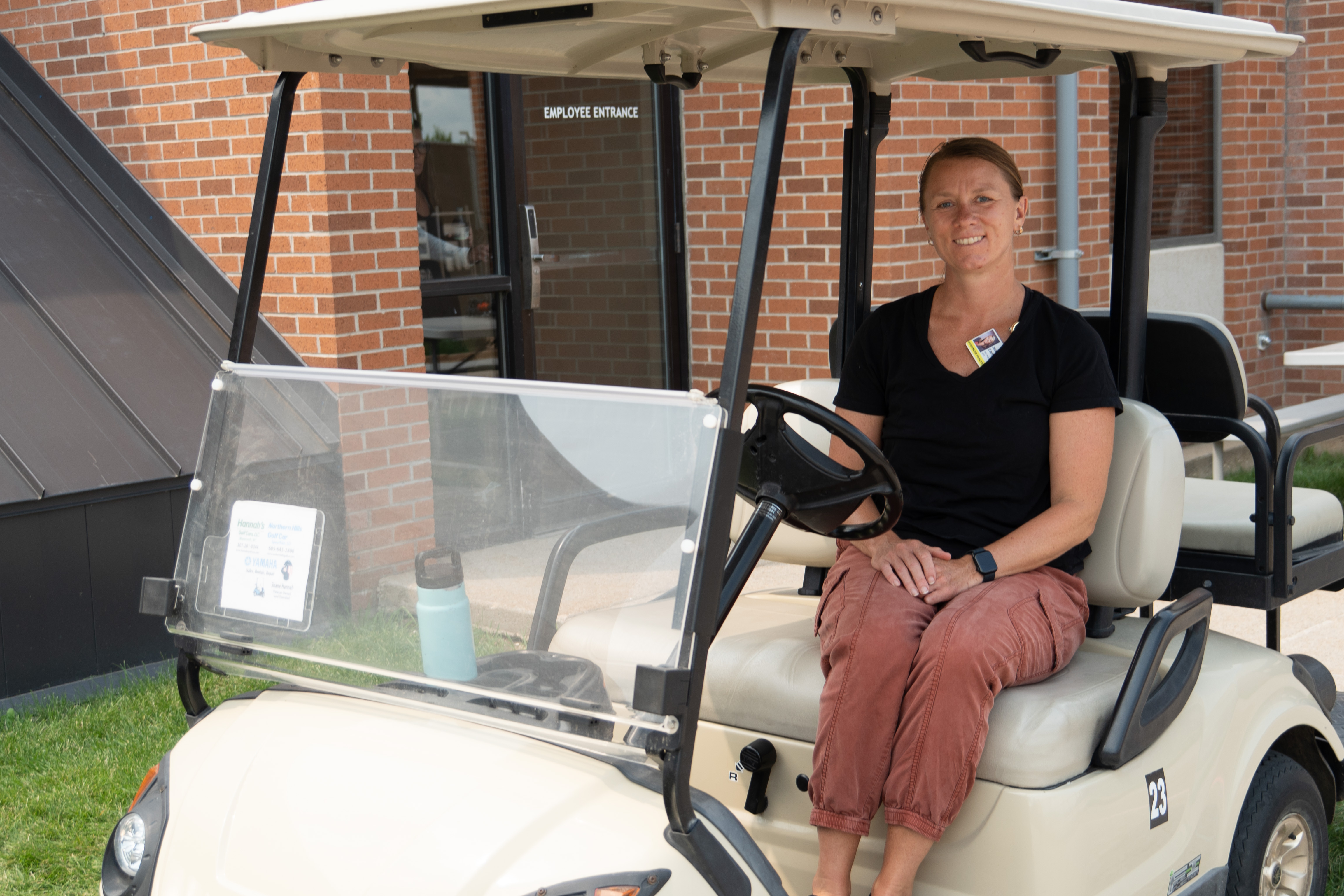
“We came up with the idea of having a golf cart to transport patients back and forth,” Angie says. “It started off in the beginning of June with about four of us in the clinic being available for patients. Our front desk staff would call us when a patient needs to leave and we’d come pick them up.”

Not long after the golf cart transport was put into place, Angie and her colleagues realized they needed to make more Caregivers available so that there was always someone on the cart, ready to offer a ride. A volunteer sign up sheet was distributed where Caregivers could register for an hour or two of carting patients back and forth from the entrance to the parking lot.

Jeanette Carlson, APP, Ear, Nose and Throat Nurse Practitioner, is one of the devoted Caregivers who added her name to help transport patients.

“It’s one of those extra things that we can do for our patients. I’m more than happy to do it,” Jeanette says. “Who doesn’t want to drive a golf cart around on a gorgeous day and help people out?”

Riding in a circuit between the parking lots along North Avenue, Jeanette patrols for patients and asks them if they’d like to hop on. Some take advantage, while some say they, too, would rather enjoy the nice weather.

“It’s been going well, people are so appreciative, especially our elderly patients,” says Angie.

Well done, Jeanette, Angie and all of the other Spearfish Caregivers lending a helping hand to provide a caring experience.

Story and Photos: Kory Lanphear

Behavioral Health Beautification

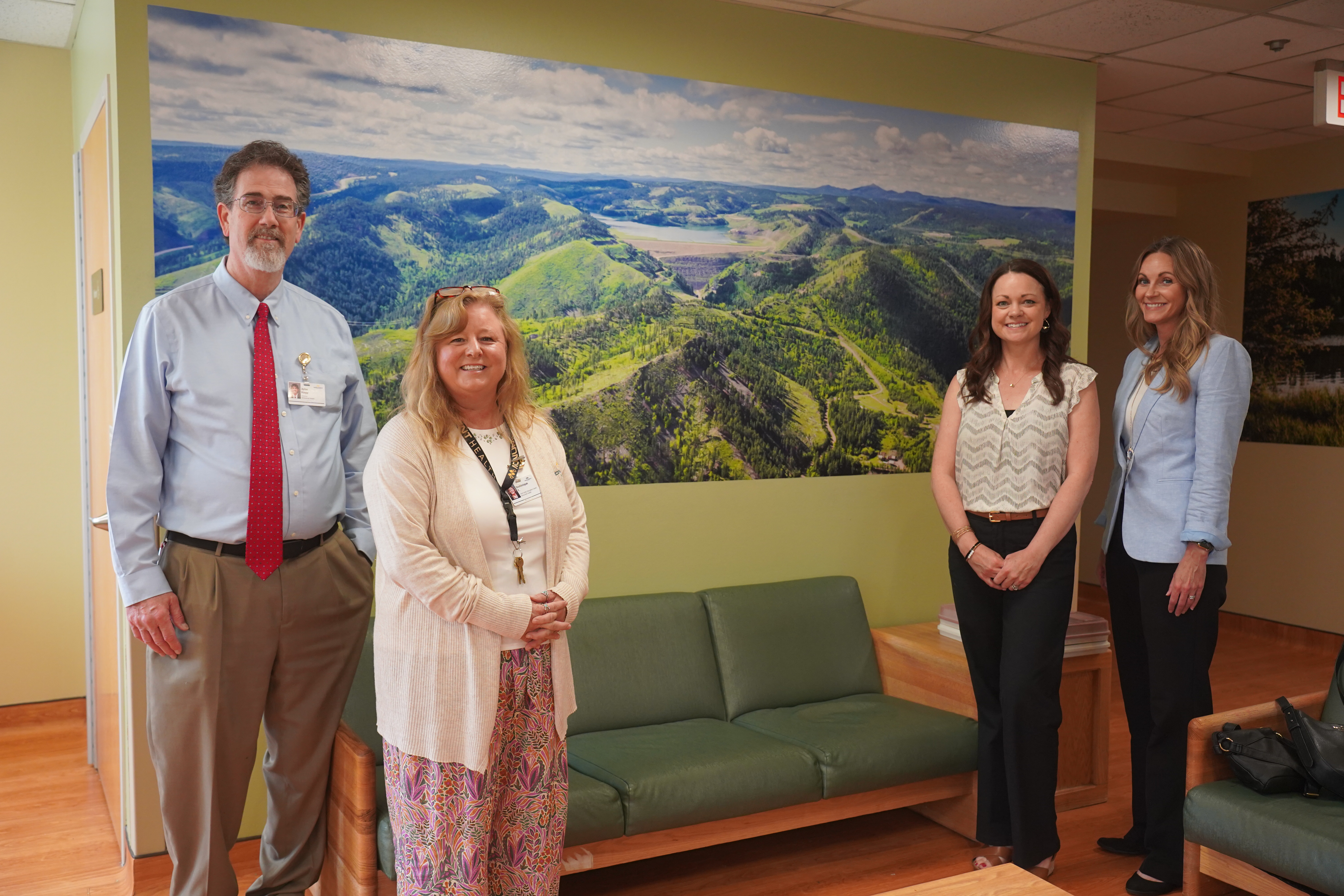
Just over a year ago, a top-to-bottom beautification project was completed on the interior of the Behavioral Health Center in Rapid City. The goal was to create an atmosphere conducive to healing, comfort, serenity, peace and calmness, while referencing a Native American color palette from our region.

The project was spearheaded by John Hagy, Director Behavioral Health, and Dominique Tigert, Community Education Coordinator. They approached Eric Gorsuch, Therapeutic Recreation Specialist and artist, for some initial ideas. Then they reached out to Elle Larsen, Director Real Estate and Space Management, to see what she and her team could do to make the space feel more welcoming and warm.

“It wasn’t planned for, or in any budget, so we had to look at what we could do internally that would make a big impact,” said Elle, who worked closely with her colleague, Liz Kaiser, Space Management Specialist, on the project. “We also had to research what products would be safe in a behavioral health setting. We went to Larry Mills, Manager Printing Services, and he gave us his suggestions. Then we worked with Marketing to get images. We knew we wanted Black Hills art. Patients see something familiar and it just feels like home, and that brings comfort.”

The team came up with a color scheme for each floor and found high-definition digital art pieces that could be stuck flat on the wall. They also proposed updates to the flooring. Liz and Elle presented the package to leadership and the Behavioral Health team. Everyone loved it.

Caregivers from Behavioral Health also had input on the themes and artwork for each floor. “Nobody had ever asked for the staff’s opinion,” says John. “Julia Oorock, Supervisor Nurse, helped me shoot it out to Caregivers and they voted. So they made a difference. It was really a significant thing.”

From start to finish, the entire project took less than six months. Most of the work was done over the course of just 90 days. Individual floors were completed one at a time to avoid too much disruption to patients while the improvements were taking place. 

“One of our superpowers is harnessing the talent of all the different departments: EVs, painting and house, Larry and the print shop. We gather their talents and use their resources to get the project completed,” said Liz. “The flooring was repainted in such a way that you scatter flecks on it, and then it gets a seal. Behavioral Health Caregivers helped by adding the flecks into the pattern,” said Liz. 

The second floor, which holds lower acuity adult patients, has a Badlands theme with purple and blue hues. The third floor consists of higher acuity adult patients that have had issues with psychosis or aggressiveness in the community. That floor’s color is green with a theme featuring Lake Pactola. The fourth floor is where juvenile patients reside. It has a grasslands theme with colors of yellow and blue. 

“Now patients are arriving at a space where it’s like, ‘wow, somebody really thought about how it would feel for me to sit here, because I matter,’” says Elle. “The feedback we are getting is that the environment feels welcoming and familiar, instead of institutional. So that’s awesome to hear.”

“I knew that if we made it beautiful, the patients would take care of it,” says John. “Before this project, we were having property damage all the time. Since we’ve done this, we’ve had just two incidents of property damage, none of it to the art. Our original fears were that people were going to be peeling it off the wall. That hasn’t happened. I didn’t know that it would have this level of success. It’s been amazing.”

As a continuation of the project, John hopes to add smaller matching versions of the artworks over the beds inside the individual rooms. “It would pull it together organically. I think that would bring the pop.”

Photos and Story by Kory Lanphear

Exceptionally Unexceptional: Praising Crunchy the Therapy Dog

Nobody wanted Crunchy.

His age and pedigree were unknown. His coat was a haphazard mix of colors, as if his fur had decided on black and then switched to gold halfway through and then back again, throwing in some white tufts here and there for variety. A DNA test to discover Crunchy’s breed type proved inconclusive. He was by all measures a stereotypical mutt.

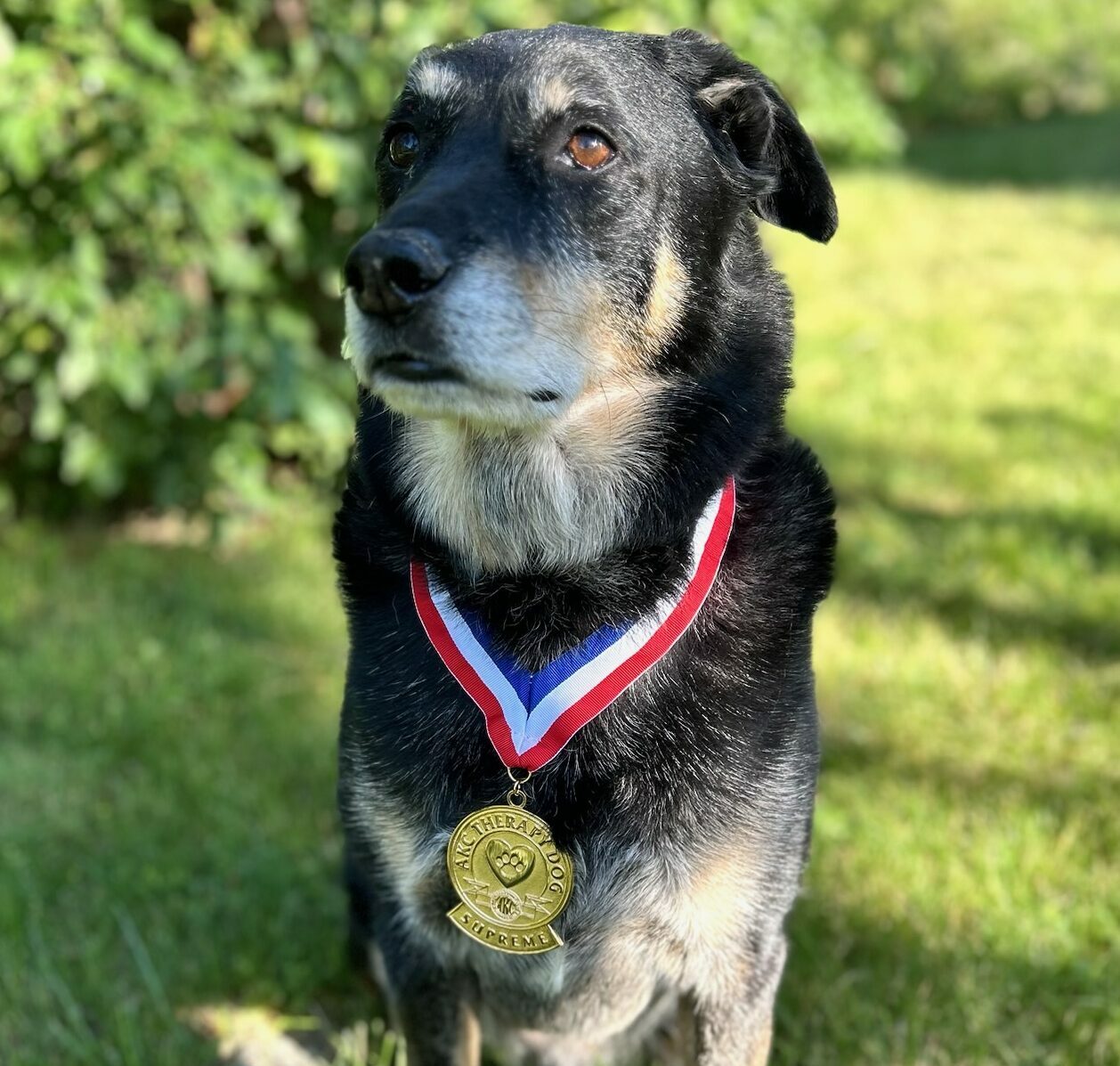
Even his name, Crunchy, betokened a sort of farcical unsteadiness of character. And yet, now in the summer of 2024, Crunchy has been deemed worthy of the title AKC Therapy Dog Supreme.

It took some imagination, and a lot of work, to get here.

In 2015, Joan Struble, a hospice volunteer, had a friend who owned a boarding and grooming facility. Crunchy had been looking for a forever home for around five months and the foster owner was having trouble placing him. “She had actually tried to adopt him out to people numerous times and it never worked out. And he sounded like kind of a hopeless case,” says Joan.

Joan initially resisted her friend’s entreaties to adopt Crunchy, but, accustomed to taking in strays that are unlucky enough not to otherwise find a home, Joan agreed to give Crunchy a chance. She was immediately surprised and relieved to discover that Crunchy’s reputation was meritless. “We’d had him a few days and my husband’s like, ‘He’s really a good dog.’ And I said, ‘Yeah, I know it!’”

Despite having no experience, Joan had always harbored a desire to train a therapy dog. So Crunchy became her guinea pig. “I took him to every obedience class I could find and other things that I thought might be helpful and tried to expose him to everything under the sun,” recalls Joan. For therapy training, Joan consulted books, websites and even online videos. A novice therapy dog trainer and an untrained stray; the odds that it would work out were long.

But it did work out. Crunchy began regularly visiting patients at Monument Health Home+ Hospice House. Not to be confused with a service dog — who assists those with disabilities to accomplish physical tasks — a therapy dog’s primary function is to provide comfort and compassion to terminal patients.

Crunchy flourished in his new role. As far as how he specifically provides comfort, Joan says he lets the patient take the lead. “They might want to just pet him. They might want him to lay there. They might want to put his front legs up on the bed. And he has been in the bed from time to time, depending on the person and the circumstances.”

Crunchy is such a prolific and successful therapy dog that he was recently given the American Kennel Club title of Therapy Dog Supreme. According to the AKC, the title is awarded to those therapy dogs who have completed over 600 visits. Supreme is the highest accolade available in the AKC Therapy Dog program. In some form or another, Crunchy has touched hundreds, possibly thousands, of lives. At a time when those people needed compassion the most, Crunchy was there.

He’s getting up in the years these days, so Crunchy’s not as energetic and spry as he once was. Still, Joan can’t quite pinpoint what exactly makes Crunchy so effective, except to say that maybe it’s his simple, quintessential “dogness” that is so appealing to patients. Maybe they once owned a dog that looked like Crunchy. Or something about his mild disposition soothes them just the right way. “It’s really hard to define. And most of the time, he has a better idea than I do of what’s needed.”

Whatever it is, Crunchy doesn’t really need a piece of paper to verify that he is an All Star, it is written on his soul.