
TAVR Procedure
Transcatheter Aortic Valve Replacement
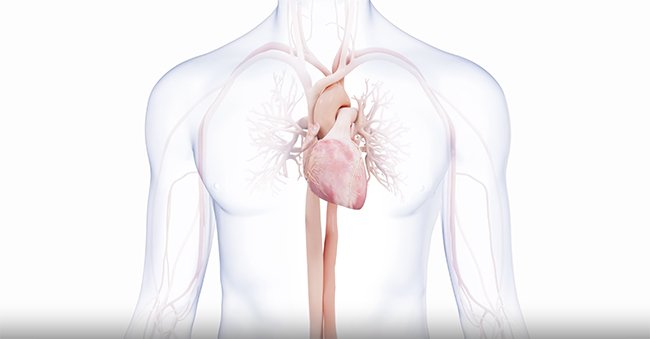
As aortic stenosis progresses, your heart team will determine when and how to fix your valve. Options for fixing your valve typically include open heart surgery or transcatheter aortic valve replacement (TAVR).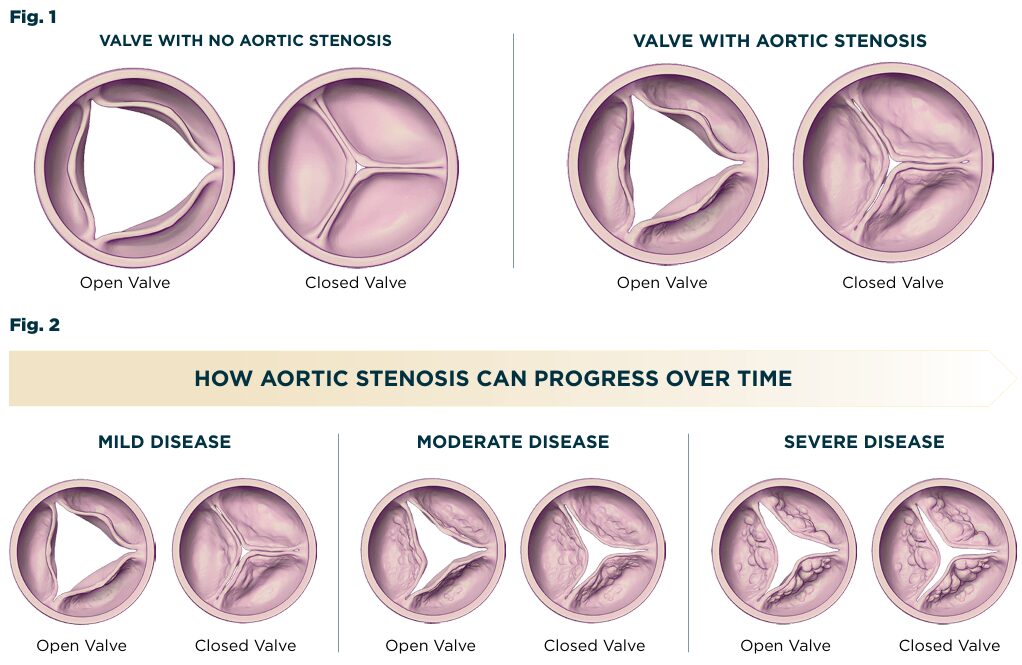
What is Aortic Stenosis?
Aortic stenosis is a common valve disease. Millions of adults in the United States have aortic stenosis. Stenosis means narrowing.
Fig. 1. shows the difference between a normal valve and a valve with aortic stenosis.
Fig 2. aortic stenosis is not reversible. It will get worse over time. The only way to “fix” aortic stenosis is to replace the diseased valve. As the disease progresses the valve opening gets narrower and smaller. Our team will help you decide which approach is best for you.
As the valve opening gets narrower and smaller, you may develop symptoms.
Symptoms and Diagnosis
Why did I get aortic stenosis?
There is an increased risk of developing aortic stenosis as you age. Also, certain risk factors put you at higher risk for developing aortic stenosis. These risk factors include:
- Being overweight
- High cholesterol levels
- Smoking
- High blood pressure
- Diabetes that is not well-controlled
What are other causes of aortic stenosis?
- Radiation to chest as part of cancer treatment
- History of rheumatic fever
- A congenital heart defect (Some people are born with an aortic valve that only has two cusps instead of three cusps. This is called a bicuspid aortic valve.)
- Calcium is a mineral found in your blood. As blood flows across your aortic valve, calcium can build up on the leaflets of the valve. This prevents your valve from opening and closing well.
What are the symptoms of aortic stenosis?
It is important to be aware of your symptoms. If left untreated, aortic stenosis has a poor prognosis. After the onset of symptoms, the average survival rate is 50% at two years and 20% at five years. Once you are symptomatic, it is time to discuss possible interventions. The following symptoms are often confused with the aging process, but should be discussed with your provider:
- Activity intolerance
- Chest pressure
- Difficulty breathing
- Dizziness
- Edema (swelling of the ankles)
- Faintness
- Loss of consciousness
- Shortness of breath and exertion
I have symptoms and have been diagnosed with aortic stenosis. What is next?
TAVR is an option for more patients than ever before. If you have been diagnosed with severe aortic stenosis and are experiencing symptoms, TAVR could be an option for you. To help decide the best treatment for your aortic stenosis, we will set up some tests, which are discussed later in this book.
What treatment options for aortic stenosis?
Depending on your medical history, symptoms, and the severity of your aortic stenosis, there are several treatment options:
- Surgical aortic valve replacement (SAVR)
- If this is the best option for you, the cardiothoracic surgery team will assume your care.
- Transcatheter aortic valve replacement (TAVR)
- Any unfinished testing will be completed (discussed later in the book)
- The TAVR team will then determine how quickly your procedure should be scheduled.
- Medical management
- Balloon aortic valvuloplasty
- Continued monitoring of your symptoms and aortic stenosis, which will include routine echocardiograms.

What happens during the TAVR?
- The anesthesia provider will administer appropriate anesthesia and insert a temporary device to keep your airway open. This device will be removed at the end of the procedure.
- The doctor will insert a temporary pacemaker to regulate your heart rate.
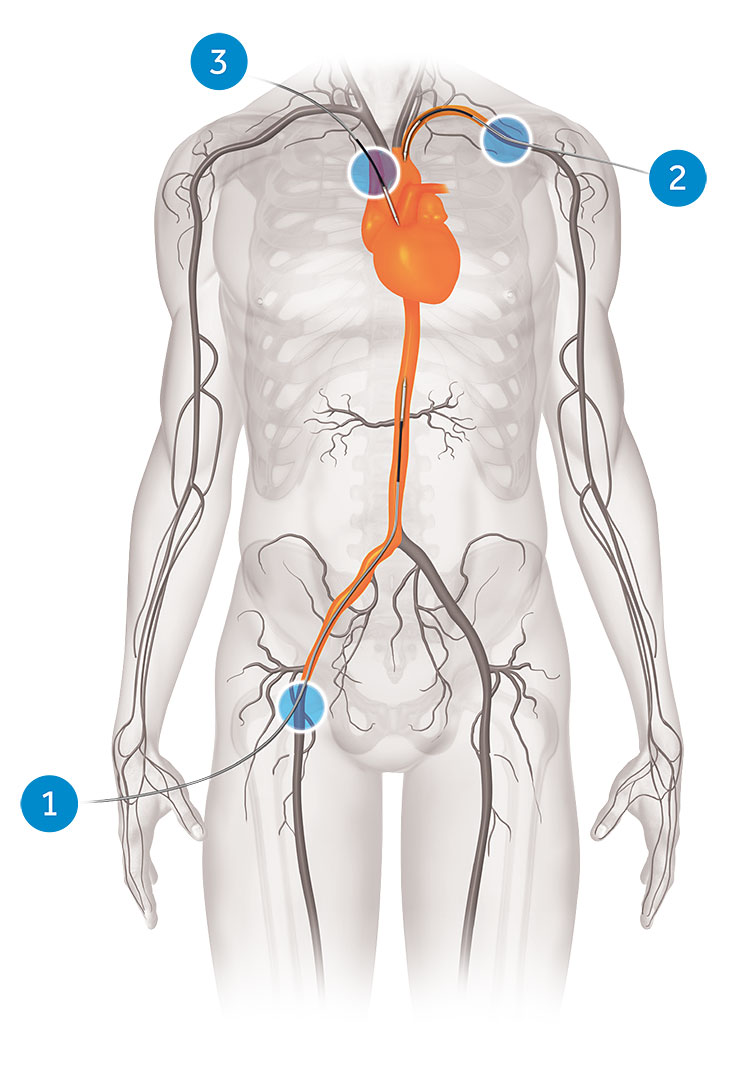
- The doctor will access the pre-determined site (see figure 1) to initiate the procedure. Most of the time this will include accessing an artery in your groin.
- The doctor will insert the new valve, and with the use of ultrasound and blood flow measurements, make sure it is working properly.
- At the end of the procedure, wires are removed and access sites are closed.
- The anesthesia provider will begin to wake you up and you will be moved to a recovery unit.

Transcatheter Aortic Valve Replacement (TAVR)
The Monument Health Structural Heart Team focuses on repair of various structures of the heart. This welcome packet focuses on evaluation and management of a patient’s aortic heart valve.

Capture II Pivotal Trial
Monument Health is enrolled in the Capture II Pivotal Trial. The objective of this study is to demonstrate safety and efficacy of the EmStop Embolic Protection System when used as indicated to capture and remove thrombus/debris during self-expanding transcatheter aortic valve replacement (TAVR) procedures.

Experts in TAVR
Monument Health’s Structural Heart Program has been advancing minimally invasive heart care since 2008 — and performing TAVR procedures since 2014, with more than 1,000 transcatheter aortic valve procedures completed to date. The program is built on a formal, multidisciplinary approach, bringing together interventional cardiology and cardiothoracic surgery through a dedicated Structural Heart Clinic. Our physicians have trained at leading centers in Europe and the United States and have been involved in multicenter clinical trials evaluating next-generation catheter-based therapies — meaning patients here have access to emerging technologies before they reach widespread use. In addition to TAVR, the program offers a full spectrum of structural heart procedures, including left atrial appendage occlusion, transcatheter mitral valve repair and replacement, ASD/PFO closure, and more. For patients facing aortic valve disease, that depth of experience and breadth of capability means specialized care — close to home.
Find a Provider
At Monument Health, you’ll receive expert care from a comprehensive team of healthcare providers and specialists. Our providers diagnose, treat and manage a wide range of health conditions and concerns. Find a provider who can help you understand your options and build a care plan around your individual needs.

Take Control of Your Health with MyChart
View test results, message your care team, schedule appointments, refill prescriptions, and access your records in one secure place.
Sign up today to manage your health anytime, anywhere.
More From Monument Health

Monument Health launches second Community Heart Hub
October 14, 2026

How a Sense of Humor — and CCI — Helped Valarie Graf Beat Cancer
October 7, 2026
