Gynecologic Oncology care
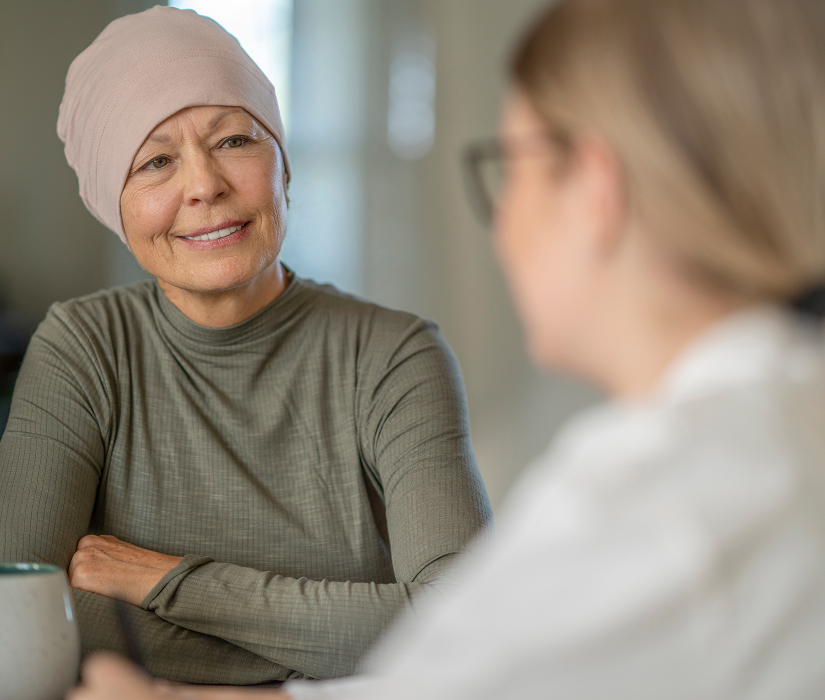
A cancer diagnosis can feel overwhelming. Our gynecologic oncology team is here to guide you with expertise, compassion and clarity.
We provide advanced care for cancers of the female reproductive system, delivered by fellowship-trained specialists who focus exclusively on gynecologic cancers. Our team will walk beside you ever step of the way.
Cervical Cancer
Cervical cancer is a growth of cells that starts in the cervix. The cervix is the lower part of the uterus that connects to the vagina.
Learn more about Cervical Cancer from Mayo ClinicRisk Factors
-
Persistent infection with high-risk strains of the human papillomavirus (HPV) is the primary cause of most cervical cancers.
-
Tobacco use increases the risk by damaging cervical cells and weakening the immune system’s ability to clear HPV.
-
Conditions or medications that suppress immunity (such as HIV infection or long-term steroid use) can increase risk.
Signs & Symptoms
- Vaginal bleeding after intercourse, between periods or after menopause.
- Menstrual bleeding that is heavier and lasts longer than usual.
- Watery, bloody vaginal discharge that may be heavy and have a foul odor.
- Pelvic pain or pain during intercourse.
Treatment Options
Treatment depends on the stage of the disease, overall health, and patient preferences. Options may include:
-
Surgery: Removal of abnormal tissue or the cervix/uterus in more advanced cases.
-
Radiation Therapy: High-energy rays used to destroy cancer cells.
-
Chemotherapy: Medications used to kill cancer cells or stop their growth, often combined with radiation.
-
Targeted or Immunotherapy: Advanced treatments that help the immune system recognize and attack cancer cells.
Early detection through regular screening greatly improves treatment outcomes. Patients should discuss individualized treatment plans with their healthcare provider.
Ovarian Cancer
Ovarian cancer forms in the ovaries, which produce eggs and female hormones. Because symptoms can be subtle, it is often diagnosed at a later stage — making specialized care critical.
Learn more about Ovarian Cancer from Mayo ClinicRisk Factors
- Family history of ovarian or breast cancer
- Inherited genetic mutations (such as BRCA1 or BRCA2)
- Increasing age
- Personal history of certain cancers
Signs & Symptoms
- Family history of ovarian or breast cancer
- Inherited genetic mutations (such as BRCA1 or BRCA2)
- Increasing age
- Personal history of certain cancers
Treatment Options
Treatment frequently involves surgery to remove cancerous tissue, often followed by chemotherapy. In some cases, targeted therapy or participation in clinical trials may be recommended.
Endometrial (Uterine) Cancer
Endometrial (uterine) cancer begins in the lining of the uterus and most commonly affects women after menopause. It is often detected early due to abnormal vaginal bleeding, and treatment typically involves surgery, sometimes followed by radiation, hormone therapy, or chemotherapy depending on the stage.
Learn more about Endometrial (Uterine) Cancer from Mayo ClinicRisk Factors
-
Excess estrogen without enough progesterone (such as with obesity or certain hormone therapies) increases risk.
-
Most cases occur in women over age 50 and after menopause.
-
Family History or Genetic Conditions: A family history of uterine or colorectal cancer, including Lynch syndrome, raises risk.
Signs & Symptoms
-
Abnormal vaginal bleeding, especially bleeding after menopause
-
Pelvic pain or pressure
-
Unusual vaginal discharge that may be watery, pink, or blood-tinged
Treatment Options
Treatment depends on the stage of the cancer, overall health, and individual factors. Options may include:
-
Surgery: The most common treatment, often involving removal of the uterus (hysterectomy) and sometimes the ovaries and fallopian tubes.
-
Radiation Therapy: May be used after surgery or when surgery is not an option.
-
Hormone Therapy: Used in certain cases to block hormones that help cancer grow.
-
Chemotherapy or Targeted Therapy: Recommended for advanced or recurrent disease.
Early diagnosis significantly improves outcomes. Anyone experiencing abnormal bleeding—especially after menopause—should seek prompt medical evaluation.
Vaginal Cancer
Vaginal cancer is a rare cancer that forms in the tissues of the vagina, most commonly affecting women over age 60. Early symptoms may include abnormal vaginal bleeding, discharge, or pelvic pain, and treatment typically involves surgery, radiation therapy, and sometimes chemotherapy depending on the stage.
Learn more about Vaginal Cancer from Mayo ClinicRisk Factors
-
Persistent infection with high-risk types of human papillomavirus (HPV) significantly increases risk.
-
Most cases occur in women over 60.
-
Previous abnormal cervical cells or cervical cancer can raise risk.
Signs & Symptoms
-
Abnormal vaginal bleeding, especially after menopause or after intercourse
-
Unusual vaginal discharge
-
Pelvic pain or pain during intercourse
Treatment Options
Treatment depends on the stage of the cancer and overall health. Options may include surgery to remove cancerous tissue, radiation therapy to destroy cancer cells, and chemotherapy in certain cases. A personalized treatment plan is developed in consultation with a healthcare provider.
Vulvar Cancer
Vulvar cancer is a rare cancer that develops in the outer tissues of the female genital area, most often affecting women over age 60. Symptoms may include persistent itching, pain, skin changes, or a lump on the vulva, and treatment typically involves surgery, sometimes combined with radiation or chemotherapy depending on the stage.
Learn more about Vulvar Cancer from Mayo ClinicRisk Factors
-
HPV Infection: Persistent infection with high-risk strains of human papillomavirus (HPV) increases risk.
-
Age: Most commonly diagnosed in women over age 60.
-
Chronic Vulvar Conditions: Long-term skin conditions such as lichen sclerosus can raise the risk.
Signs & Symptoms
-
Persistent itching or burning of the vulva
-
Changes in skin color or texture, including thickened patches or sores
-
A lump, ulcer, or bleeding not related to menstruation
Treatment Options
Treatment depends on the stage and location of the cancer. Surgery to remove the cancer is the most common treatment and may involve removing surrounding tissue or nearby lymph nodes. Radiation therapy and chemotherapy may be recommended in more advanced cases or when surgery alone is not sufficient.

WHAT IS A GYNECOLOGIC ONCOLOGIST?
Gynecologic oncologists are specially trained in both complex pelvic surgery and cancer therapies. That means your care is coordinated by a physician who understands every part of your treatment plan.
Services may include…
- Advanced diagnostic evaluations
- Minimally invasive and robotic surgery
- Chemotherapy
- Radiation therapy coordination
- Immunotherapy and targeted treatments
- Genetic counseling and testing
Your physician will take time to explain your diagnosis, answer your questions and build a plan that’s right for you.
SUPPORT BEYOND TREATMENT
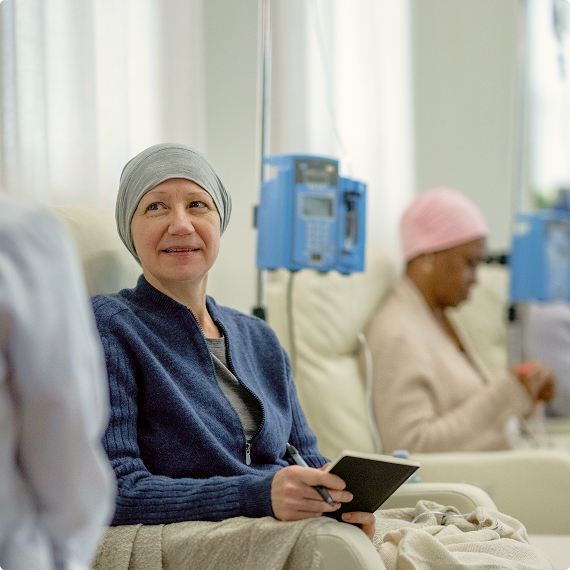
Gynecologic cancer care at Monument Health goes beyond medical treatment. Our comprehensive cancer survivor program supports your physical, emotional and long-term health at every stage.
Patients have access to oncology nurse navigators, genetic counseling, nutrition services, pain and symptom management, emotional support and personalized survivorship planning. From diagnosis through recovery, our team is here to guide you with coordinated, compassionate care.

PREVENTION & EDUCATION
Preventing and detecting gynecologic cancer early is an important part of women’s health care. Monument Health provides preventive services and education to help reduce cancer risk and improve outcomes.
The Cancer Genetics and Prevention Clinic offers genetic testing for hereditary cancer risk, genetic risk assessment and lifestyle counseling to support cancer prevention and early detection. Contact them to learn more about cancer screening.

Take the next step
If you have symptoms, concerns or a recent diagnosis, our team at the Cancer Care Institute is ready to help.

Take Control of Your Health with MyChart
View test results, message your care team, schedule appointments, refill prescriptions, and access your records in one secure place.
Sign up today to manage your health anytime, anywhere.