

Your doctors are world class. Really. From your front office, technicians and nurses you are well supported with the same standard the doctors practice. Clearly you are a team of professionals that care deeply and honor their oaths of duty.
Service Cities: Rapid City
Robotic Surgery
Inpatient Behavioral Health

Inpatient Behavioral Health
The Behavioral Health Center is a psychiatric hospital at which patients receive holistic care for the mind, body and spirit. Patient care is approached from a biological, psychological and social model. Intensive care management is available to coordinate external services for the patient.
If hospitalization is required, patients should proceed to the Emergency Department for a full physical examination and medical evaluation. Call local law enforcement or dial 911 if emergent treatment is needed.
Northern Hills patients may access services at Monument Health Spearfish Hospital.
Therapeutic Recreational Specialist Services
Recovery is about more than medication, about reconnecting with yourself, building healthy routines, and finding joy in everyday life. Our Therapeutic Recreation Specialists provide engaging activities that support emotional, physical, and social well-being while helping patients develop healthy coping skills.
Depending on each patient’s treatment plan, activities may include:
- Fitness and wellness activities
- Outdoor recreation and nature experiences
- Basketball, volleyball, and other recreational games
- Gardening and seasonal outdoor activities
- Art and creative expression
- Pet therapy and other therapeutic programs
- Classroom-style educational groups
- Team-building and leisure skill development
Every activity is designed to encourage healing, reduce stress, build confidence, and support each patient’s recovery journey in a safe and therapeutic environment.
Visiting Hours
CHILD/ADOLESCENTS
Monday – Friday:
5:30 p.m. to 7:30 p.m.
Sunday:
3 p.m. to 7 p.m.
ADULTS
Monday – Friday:
6 p.m. to 8 p.m.
Saturday and Sunday:
3 p.m. to 8 p.m.
QUESTIONS
Inpatient: (605) 755-7300
Outpatient: (605) 755-7200
What services does the Behavioral Health Center provide?
Monument Health Behavioral Health provides inpatient psychiatric care for children, adolescents and adults experiencing mental health crises that require stabilization and intensive treatment. We also offer outpatient psychiatric services to support ongoing recovery after discharge.
How do I know if inpatient treatment is needed?
Inpatient care may be appropriate if you or a loved one is experiencing:
- Thoughts of suicide or self-harm
- Thoughts of harming others
- Severe depression or emotional distress
- Hallucinations or psychosis
- Mania
- A mental health condition that cannot be safely managed at home
If you are experiencing a mental health emergency, call 911, go to your nearest Emergency Department, or call or text 988.
How do I get admitted to the Behavioral Health Center?
All inpatient admissions begin with an evaluation at a Monument Health Emergency Department. Our Behavioral Health Center does not accept walk-in psychiatric evaluations or direct admissions. After a medical and behavioral health assessment, the care team will determine the most appropriate level of treatment.
What should I bring for my hospital stay?
Please bring comfortable clothing, a list of your current medications and approved personal hygiene items. For safety reasons, certain items may be restricted. Our staff will review your belongings during admission and securely store items that cannot remain on the unit.
What items are not allowed on the unit?
To help maintain a safe and therapeutic environment, patients may not have items such as:
- Cell phones, smart watches, and other electronic devices
- Glass items or mirrors
- Sharp objects or weapons
- Tobacco products, vaping devices, alcohol or illegal substances
- Belts, shoelaces, drawstrings or other items that may pose a safety risk
Staff will review all belongings during admission and explain any restrictions.
What happens after I arrive?
Our team will guide you through the admission process, which includes nursing and psychiatric assessments, reviewing your belongings, completing paperwork, orienting you to the unit and discussing your individualized treatment plan.
What does a typical day look like?
Each day follows a structured schedule designed to support recovery and may include:
- Psychiatric evaluation
- Medication management
- Group therapy
- Individual meetings with your treatment team
- Recreational and educational activities
- Meals, quiet time, and opportunities for appropriate leisure activities
Participation in treatment is strongly encouraged and plays an important role in recovery.
Will my family be involved in my care?
Yes. With your permission, family members or other support persons may participate in treatment planning, family meetings, discharge planning and ongoing communication with your treatment team.
How long will I stay?
Length of stay varies based on each patient’s individual needs, treatment progress and safety. Your treatment team will work with you to develop a personalized discharge plan and coordinate follow-up care. The average length of stay is 5-7 days.
When can family and friends visit?
Approved visitors are welcome during designated visiting hours.
Pediatric Unit:
- Monday–Friday: 5:30 p.m.–7:30 p.m.
- Saturday–Sunday: 3:00 p.m.–7:00 p.m.
Adult Units:
- Monday–Friday: 6:00 p.m.–8:00 p.m.
- Saturday–Sunday: 3:00 p.m.–8:00 p.m.
Visitation may be modified based on a patient’s treatment needs or safety considerations.
What should visitors know before coming?
To protect the safety and privacy of all patients:
- Visitors are screened before entering the unit.
- Cell phones, smart watches, cameras and other electronic devices are not permitted.
- Personal belongings must be secured in visitor lockers.
- Photography, video recording and audio recording are prohibited.
- Food or drinks brought by visitors may be restricted.
Patients have the right to accept or decline visitors, and federal privacy laws limit the information staff can share without patient permission.
What happens after I leave the hospital?
Before discharge, our team will help coordinate follow-up care based on your individual needs. This may include outpatient psychiatry, therapy, primary care, community resources, medication management and other supportive services to help you continue your recovery.

Find a Provider
At Monument Health, you’ll receive expert care from a comprehensive team of healthcare providers and specialists. Our providers diagnose, treat and manage a wide range of health conditions and concerns. Find a provider who can help you understand your options and build a care plan around your individual needs.
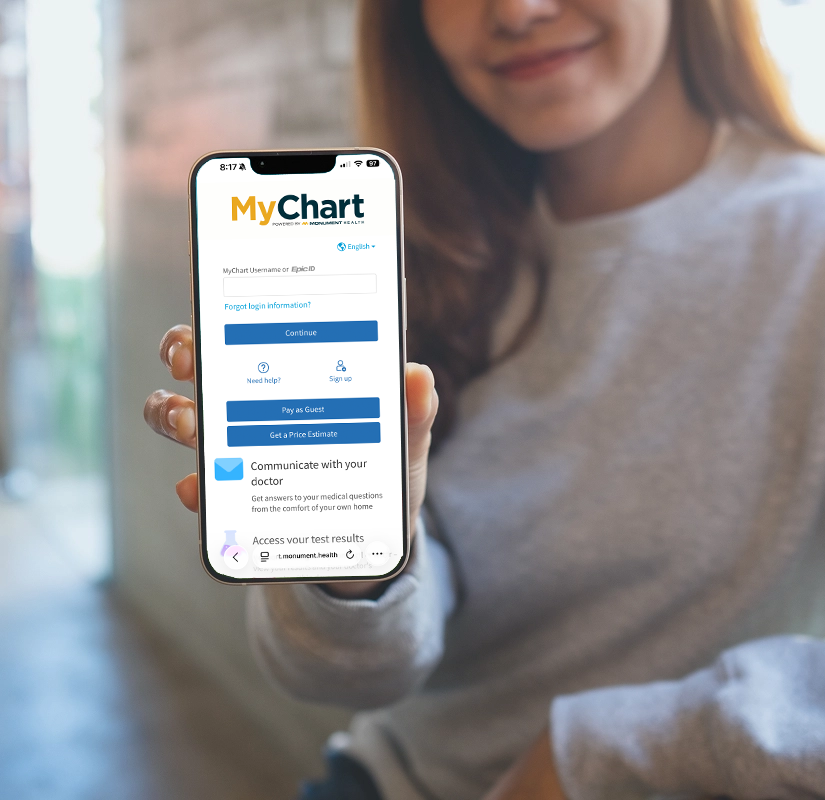
Take Control of Your Health with MyChart
View test results, message your care team, schedule appointments, refill prescriptions, and access your records in one secure place.
Sign up today to manage your health anytime, anywhere.
More From Monument Health

Monument Health Heart and Vascular Institute Welcomes Three New Physicians, Continuing Decades of Growth in Heart Care Close to Home
August 28, 2026

Monument Health recognized for advancing rural stroke care
August 25, 2026

Monument Health Opens Region's First Epilepsy Monitoring Unit at Rapid City Hospital
August 20, 2026
Mammography
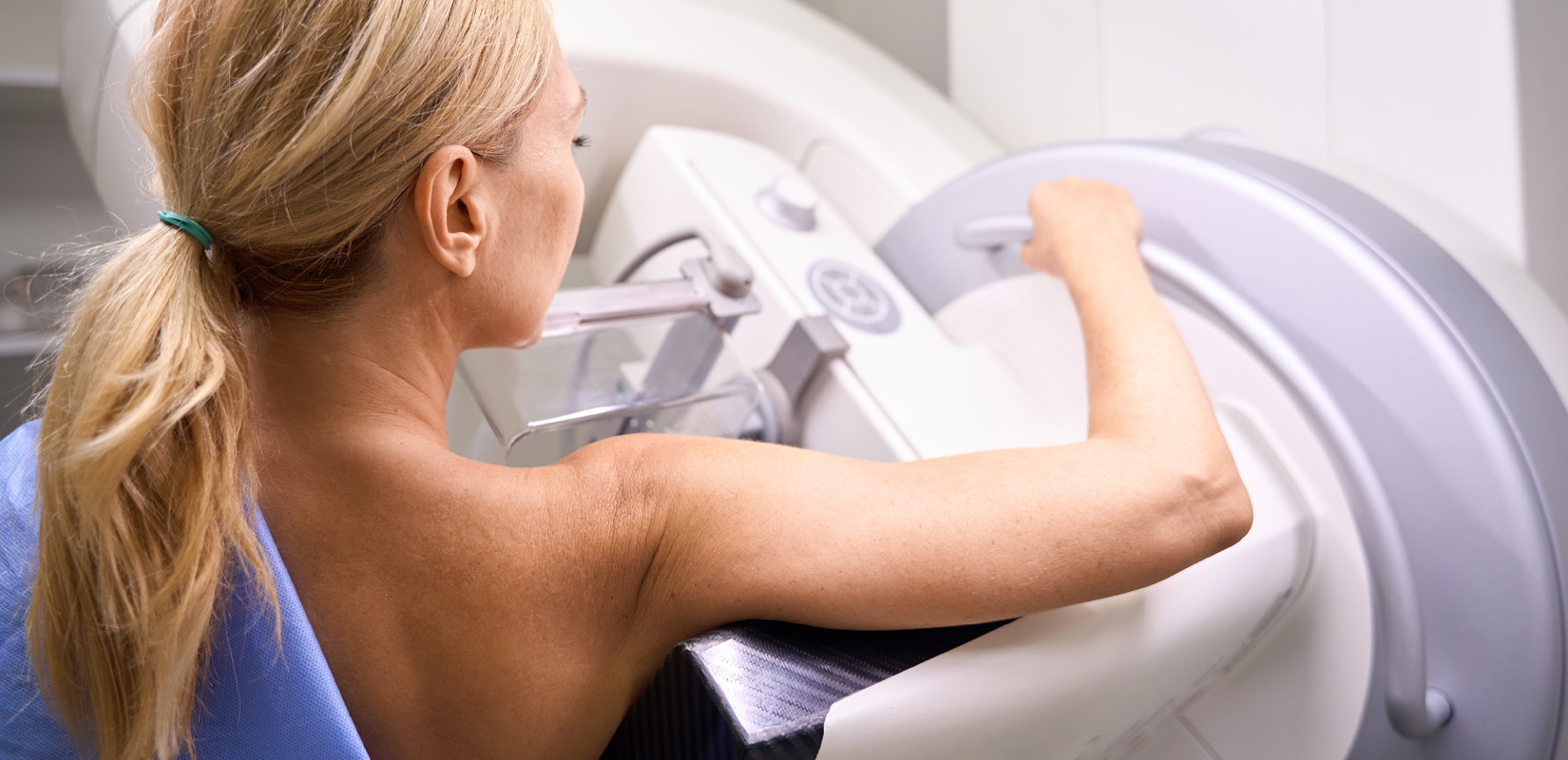
Mammography
Mammograms are X-ray images of breast tissue used by a radiologist to detect any changes or abnormalities. Mammograms play a key role in early breast cancer detection and help decrease breast cancer deaths. 3D mammography services are available in each of our Monument Health markets: Custer, Lead-Deadwood, Rapid City, Spearfish and Sturgis.
PREVENTION AND DETECTION RECOMMENDATIONS:
- Conduct monthly breast exams
- Get your annual check-up
- Get your mammogram annually after age 45
FACTS ABOUT MAMMOGRAMS:
- Mammograms are the best weapon we have against breast cancer.
- A woman’s lifetime chance of developing breast cancer is 1 in 8.
- A new breast cancer is diagnosed every 2.5 minutes.
- One American woman dies from breast cancer every 13 minutes.
- Nearly 40,000 women die from breast cancer each year.
- About 2,000 male breast cancer cases will be diagnosed this year, and about 400 men will die from the disease.
- Mammograms can find breast cancer early, when it is too small to be felt or seen.
- The older you are, the more important it is for you to get regular mammograms and clinical breast exams from your doctor or other qualified health professional.
- Early detection of breast cancer saves lives.
- (Courtesy of the American Cancer Society)
(Courtesy of the American Cancer Society)
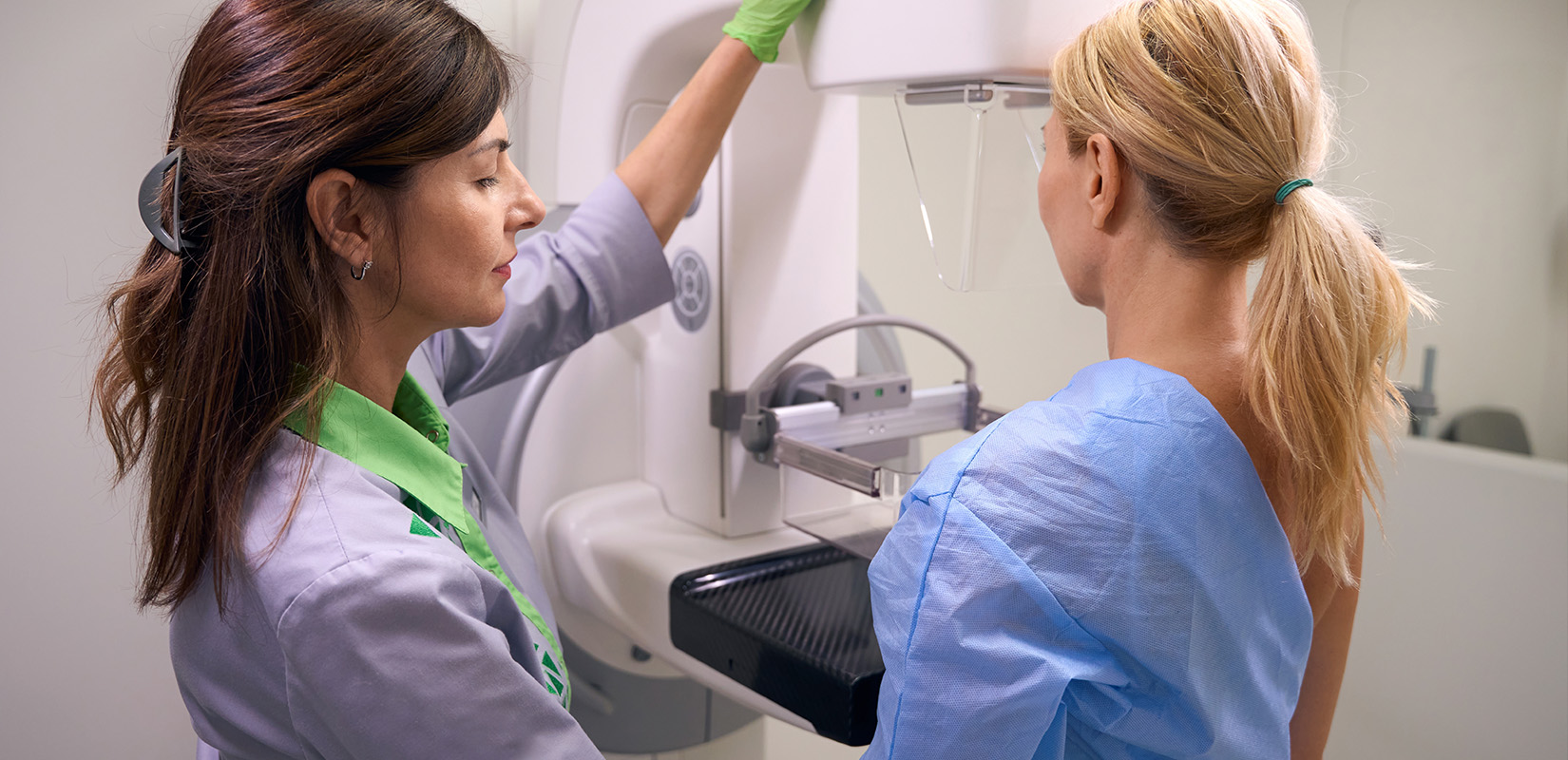
GENIUS
3D MAMMOGRAPHY
Offered in each of our Monument Health markets: Custer, Lead-Deadwood, Rapid City, Spearfish and Sturgis. This new technology improves early detection and treatment of breast cancer. Using three-dimensional technology, radiologists can better detect breast cancer deep within the tissue, where it might be hidden during a traditional two-dimensional mammogram. With 3D’s clarity and depth, fewer patients will have to return for second mammograms. Patients with dense breasts, such as younger women, will have a better chance of early detection with 3D mammography.
Take Control of Your Health with MyChart
View test results, message your care team, schedule appointments, refill prescriptions, and access your records in one secure place.
Sign up today to manage your health anytime, anywhere.
Same-Day Appointments

Same-Day Appointments
Fast access to quality care.
We know that when urgent health concerns arise, waiting simply isn’t an option. That’s why we offer same-day appointments, giving you fast access to the quality care you need when it matters most. Whether you’re experiencing sudden symptoms, managing a minor injury, or just need quick medical advice, our dedicated team is here.
With flexible scheduling and a focus on efficiency, our goal is to make it easy for you to get the help you need without the wait. Book a same-day appointment today.
When should I schedule a same-day appointment?
- Deteriorating or changing existing health concerns.
- For acute illnesses like sore throat, cough or fever.
- Injuries such as mild sprains, strains, minor fractures and cuts.
- New or worsening skin conditions.
Find a Provider
At Monument Health, you’ll receive expert care from a comprehensive team of healthcare providers and specialists. Our providers diagnose, treat and manage a wide range of health conditions and concerns. Find a provider who can help you understand your options and build a care plan around your individual needs.
What People Are Saying


Take Control of Your Health with MyChart
View test results, message your care team, schedule appointments, refill prescriptions, and access your records in one secure place.
Sign up today to manage your health anytime, anywhere.
Grief Counseling and Support Groups

Grief Counseling and Support Groups
Grief Counseling Services: Monument Health Hospice offer individual, couples, and family grief counseling. Counselors are licensed professional social workers with specialized training and experience in grief and loss. Since people grieve differently, we offer counseling to meet the distinctive needs of different age groups and types of loss.
Support Groups: Monument Health Hospice have educational, supportive grief groups available. These groups bring people together who have experienced loss and provide a safe environment to share experiences and learn from one another. We provide a variety of groups throughout the year in Custer, Belle Fourche, Hot Springs, Rapid City, Spearfish and Sturgis.
COMMUNITIES WITH SUPPORT GROUPS
Rapid City
- Tweens & Teen group. Third Tuesday 3:30-4:30 pm, Ages 12-18. This monthly support group is held in the conference room in the lower level of the Monument Health Hospice House 224 Elk Street.
- Adult Closed Group.12-week educational support group, Open to anyone experiencing the loss of a loved one., Meets in the lower level of the Hospice House at 224 Elk Street, Call for registration 605-755-7729
- Adult Open Group that is open to anyone. Meets Thursdays 5:30-6:30 pm. This support group is held in the conference room in the lower level of the Hospice House at 224 Elk Street. New group starts each quarter.
Seating is limited and registration required for all groups. Please call (605)-755-7729 for more information.
Hot Springs
The 2nd and 4th Friday of the month 12:00- 1:00 pm is a support group that is open to anyone dealing with loss and grief. Held at the Calvary Baptist Church, 1938 Canton Ave., Hot Springs SD 57747.
Seating is limited and registration is required. Please call (605)-755-7729 for more information.
Custer
The 1st and 3rd Friday of the month from 12:00-1:00 pm is a support group that is open to anyone dealing with loss and grief. Held in the Executive Conference Room of the Monument Health Custer Hospital, 1220 Montgomery Street, Custer, SD 57730.
Seating is limited and registration is required. Please call (605)-755-7729 for more information.
Belle Fourche, Spearfish and Sturgis
- Seasonal Support – Individuals can call 605-644-4444 for information or to sign up.
Take Control of Your Health with MyChart
View test results, message your care team, schedule appointments, refill prescriptions, and access your records in one secure place.
Sign up today to manage your health anytime, anywhere.
More From Monument Health
Monument Health Heart and Vascular Institute Welcomes Three New Physicians, Continuing Decades of Growth in Heart Care Close to Home
August 28, 2026
Monument Health recognized for advancing rural stroke care
August 25, 2026
Monument Health Opens Region's First Epilepsy Monitoring Unit at Rapid City Hospital
August 20, 2026
da Vinci Surgical Robotic System
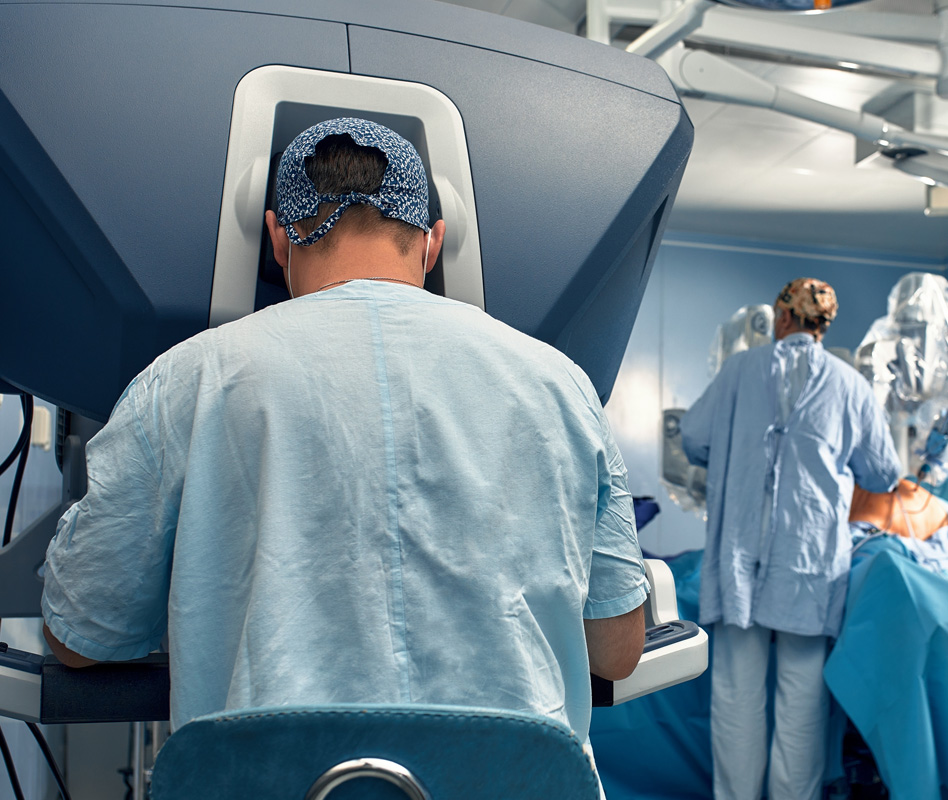
da Vinci Surgical Robotic System
GET BACK TO WHAT MATTERS MOST
When you need surgery, you want to get through it so that you can get back to your life. We want that for you, too. In 1999, Intuitive launched the da Vinci surgical system which became one of the first robotic-assisted surgical systems to gain clearance.
We have the only single port system in our five state service area, as well as the newest robot, the da Vinci 5, making surgery less invasive and decreasing recovery times. Helping patients like you get back to what matters.
Your Surgeon in Control
The term “robotic” often misleads people. Robots don’t perform surgery. The da Vinci surgical system helps enable your surgeon to perform minimally invasive surgery by translating your surgeon’s hand movements at the console in real time, bending and rotating the instruments while performing the procedure, but with a greater range of motion. The da Vinci vision system also delivers highly magnified, 3D high-definition views of the surgical area. The instrument size makes it possible for surgeons to operate through one or a few small incisions.
Surgeon Console
The surgeon console is where your surgeon sits during the procedure, has a crystal-clear 3DHD view of your anatomy, and controls the instruments. The tiny instruments are “wristed” and move like a human hand, but with a far greater range of motion.
Patient Cart
The patient-side cart is positioned near the patient on the operating table. It is where the instruments used during the operation move in real time in response to your surgeon’s hand movements at the surgeon console.
Vision Cart
The vision cart makes communication between the components of the system possible and provides a screen for the care team to view the operation.
PROCEDURES
GENERAL SURGERY PROCEDURES
Conditions of the abdomen and digestive tract including your stomach, pancreas, liver, gallbladder, and intestines.
Robotic-assisted abdominal procedures include bariatric surgery, gallbladder surgery, inguinal hernia repair, ventral hernia repair, complex abdominal wall reconstruction, acid reflux disease surgery (nissen fundoplication), stomach surgery (gastrectomy), pancreas surgery (pancreatectomy), small bowel surgery, spleen surgery (splenectomy)
UROLOGIC PROCEDURES
The urology specialty covers conditions of the male and female urinary tract system, the male reproductive system, the kidneys, bladder, and associated connective tissues and muscles.
Robotic-assisted urologic procedures: prostate surgery, kidney surgery), pyeloplasty (surgery to relieve kidney blockage), kidney cyst removal, cystectomy (bladder surgery), ureteral implantation (fix the tubes that connect the bladder to the kidneys)
GYNECOLOGIC PROCEDURES
The gynecology specialty covers conditions of the internal female reproductive system, which includes the uterus (womb), ovaries, fallopian tubes, cervix and vagina.
Robotic-assisted gynecologic procedures: hysterectomy for benign conditions or for cancer; pelvic organ prolapse surgery; myomectomy; endometriosis resection
ANTI-REFLUX SURGERY
Physicians at Monument Health specialize in the diagnosis and treatment of gastroesophageal reflux disease (GERD). We offer comprehensive care for your reflux disease, taking the time to work with you and your care team to develop a plan that is right for you.
Advanced technology enables us to perform the necessary tests to assess your situation. We offer medical treatments, including guidance on lifestyle changes, to control symptoms. Even with lifestyle changes or medical treatments, some people still suffer from reflux symptoms. In those cases, surgery can help.
Download our quality of life questionnaire to assess how GERD is impacting your life.
Find a Provider
At Monument Health, you’ll receive expert care from a comprehensive team of healthcare providers and specialists. Our providers diagnose, treat and manage a wide range of health conditions and concerns. Find a provider who can help you understand your options and build a care plan around your individual needs.
Take Control of Your Health with MyChart
View test results, message your care team, schedule appointments, refill prescriptions, and access your records in one secure place.
Sign up today to manage your health anytime, anywhere.
More From Monument Health
Monument Health Heart and Vascular Institute Welcomes Three New Physicians, Continuing Decades of Growth in Heart Care Close to Home
August 28, 2026
Monument Health recognized for advancing rural stroke care
August 25, 2026
Monument Health Opens Region's First Epilepsy Monitoring Unit at Rapid City Hospital
August 20, 2026
OrthoExpress

OrthoExpress
Injuries happen. We’re here when you need us.
OrthoExpress is Monument Health Orthopedic & Specialty Hospital’s orthopedic walk-in clinic. Emphasizing same-day, high-quality care for patients of all ages, our specialists are on-site and ready to diagnose and treat common injuries involving sprains, strains, fractures or broken bones.
What We Treat
- Sports injuries
- Broken bones
- Sprains and strains
- Swollen joints
- Injuries to the hands, wrists or shoulders
- Back pain
- Muscle and tendon strains
- Ligament and joint sprains
- Broken collarbone, AC joint sprain or separated shoulder
- Torn bicep, tricep or quadricep tendon
- Hamstring injuries
- Lower extremity injury
Take Control of Your Health with MyChart
View test results, message your care team, schedule appointments, refill prescriptions, and access your records in one secure place.
Sign up today to manage your health anytime, anywhere.
Vein Care

Vein Care
Within Monument Health is the region’s most comprehensive center for vein care. We offer the latest minimally invasive and surgical treatment options for venous insufficiency, varicose veins and spider veins. A majority of venous disorders can be managed and treated in the outpatient setting with minimally invasive techniques and appropriately supported wound care.
What We Treat
Chronic Venous Insufficiency
Enlarged or damaged leg veins struggle to return blood to the heart, causing swelling, heaviness and aching. Over time, this can lead to skin changes, brown ankles and open ulcers. Risk factors include prolonged standing or sitting, pregnancy and a history of blood clots.
Varicose Veins
When deeper leg veins fail, surface veins can become rope-like and twisted, typically leading to pain, aching, itching, or nighttime leg cramps. In rare cases, they may rupture and cause spontaneous bleeding.
Spider Veins
Tiny surface veins, often a sign of deeper vein pressure problems, may be itchy or painful, though some people have no symptoms.
Superficial Venous Thrombophlebitis
A blood clot in a varicose vein near the skin surface causes redness, tenderness and a firm or painful area on the skin.
A majority of venous disorders can be managed and treated in the outpatient setting with minimally invasive techniques and good long-term conservative care.
Find a Provider
At Monument Health, you’ll receive expert care from a comprehensive team of healthcare providers and specialists. Our providers diagnose, treat and manage a wide range of health conditions and concerns. Find a provider who can help you understand your options and build a care plan around your individual needs.
Take Control of Your Health with MyChart
View test results, message your care team, schedule appointments, refill prescriptions, and access your records in one secure place.
Sign up today to manage your health anytime, anywhere.
More From Monument Health
Monument Health Heart and Vascular Institute Welcomes Three New Physicians, Continuing Decades of Growth in Heart Care Close to Home
August 28, 2026
Monument Health recognized for advancing rural stroke care
August 25, 2026
Monument Health Opens Region's First Epilepsy Monitoring Unit at Rapid City Hospital
August 20, 2026
Vascular Medicine

Vascular Medicine
Comprehensive Care for all Vascular Conditions
Our vascular medicine specialists at the Heart and Vascular Institute provide noninvasive diagnoses and treatment for all circulatory disorders and minimally invasive, endovascular and surgical treatment options for a multitude of vascular conditions.
Nationally recognized as a High Performing Hospital
Monument Health Heart & Vascular Institute is recognized by U.S. News & World Report as a high-performing hospital for heart failure, reflecting our dedication to advanced care and better outcomes for our patients.
What We Treat
Peripheral Arterial Disease
Plaque buildup in arteries outside the heart – commonly in the legs – causes muscle fatigue, cramping, color changes and non-healing wounds.
Carotid Artery Stenosis
Plaque in carotid arteries increases stroke risk. Symptoms like sudden weakness, facial droop or slurred speech need immediate emergency evaluation.
Renal Artery Stenosis
Restricted blood flow to kidneys causes high blood pressure, reduced kidney function and smaller kidney size.
Subclavian Artery Stenosis
Narrowing of the subclavian artery may cause dizziness or lightheadedness – especially when using arms overhead – due to blood being “stolen” from the brain.
Celiac and Mesenteric Artery Stenosis
Plaque in arteries supplying the intestines can cause post-meal pain, diarrhea and weight loss due to reduced blood flow.
Aortic and Peripheral Aneurysms
Weakening of artery walls leads to expansion, increasing rupture risk. Screening for aneurysms is advised, especially for older smokers.
Deep Vein Thrombosis
Clots in leg veins obstruct blood flow, causing swelling, redness and pain. Certain conditions, genetics and inactivity increase clot risk.
May-Thurner Syndrome
Compression of leg veins increases clot risk, causing swelling and heaviness in the legs.
Pulmonary Embolism
A blood clot from the leg can travel to the lungs, causing shortness of breath, chest pain and fainting. Large clots are life-threatening and require emergency care.
Thoracic Outlet Syndrome
Compression of the artery, vein or nerve passing from the chest to the arm can reduce blood flow, causing numbness and tingling. Conservative or surgical treatment may be needed.
Raynaud’s Disease
Cold triggers small blood vessels in fingers and toes to constrict, leading to painful color changes.
Watch as Bhaskar Purushottam, M.D., FACC, FSCAI, FSVMB, performs a live case at the 2024 Rapid City Cardiovascular Symposium.
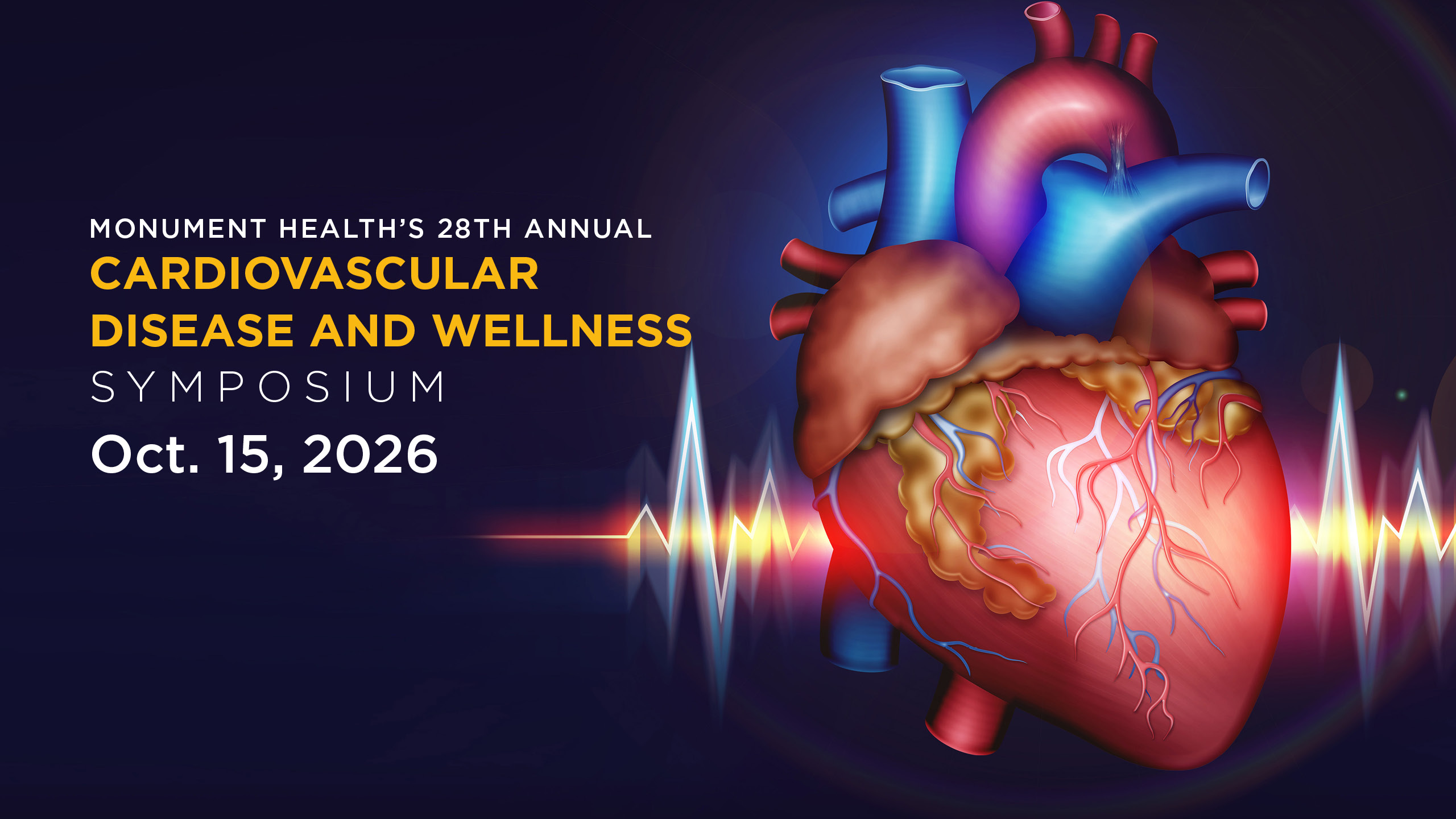
Save the Date
Cardiovascular Disease and Wellness Symposium
A day-long symposium offering a practical approach to the advances in cardiovascular care and technology, new preventative strategies and latest wellness information. In person and virtual options available.
Find a Provider
At Monument Health, you’ll receive expert care from a comprehensive team of healthcare providers and specialists. Our providers diagnose, treat and manage a wide range of health conditions and concerns. Find a provider who can help you understand your options and build a care plan around your individual needs.
Take Control of Your Health with MyChart
View test results, message your care team, schedule appointments, refill prescriptions, and access your records in one secure place.
Sign up today to manage your health anytime, anywhere.
More From Monument Health
Monument Health Heart and Vascular Institute Welcomes Three New Physicians, Continuing Decades of Growth in Heart Care Close to Home
August 28, 2026
Monument Health recognized for advancing rural stroke care
August 25, 2026