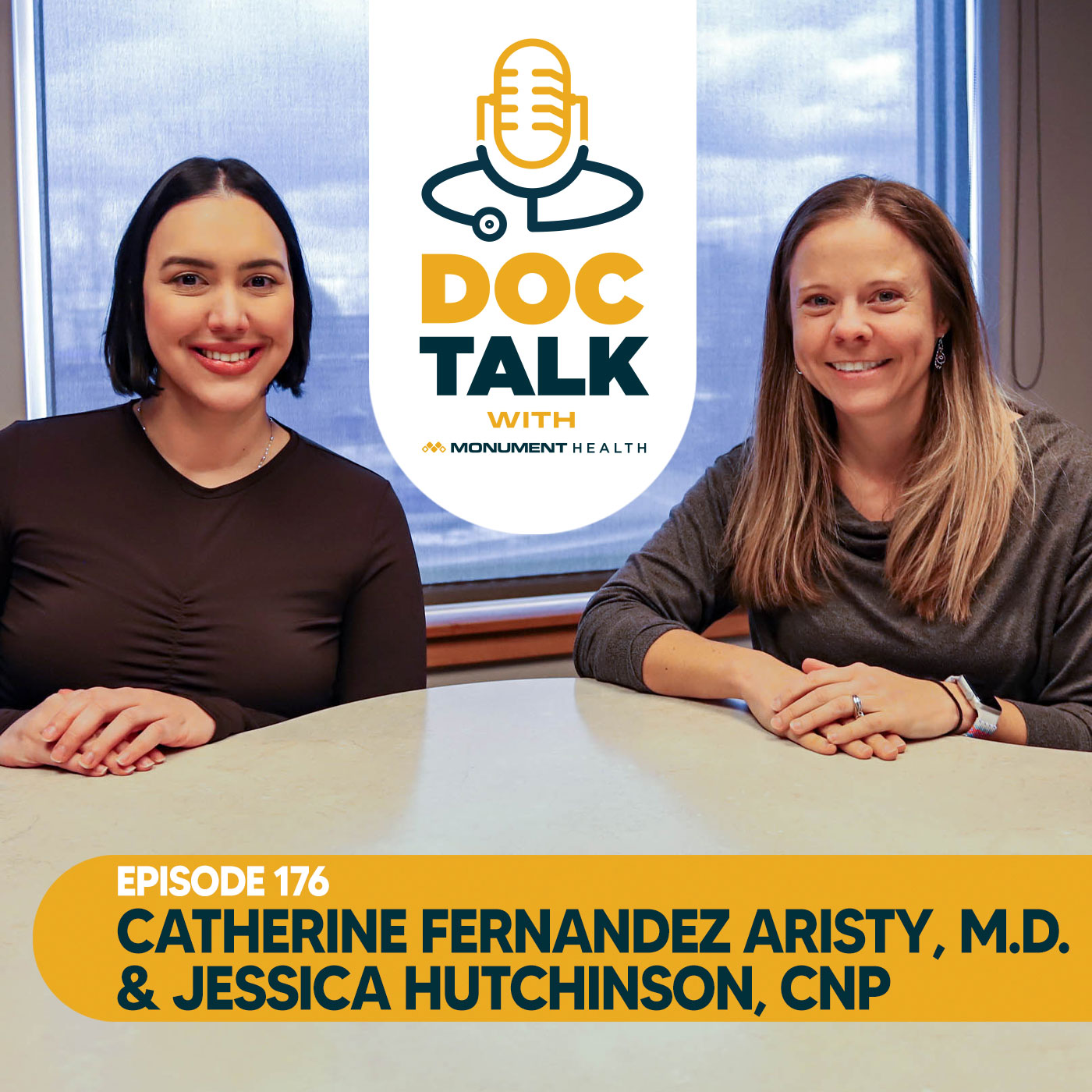
If you suffer from the mental, physical and emotionally challenging problem of restless leg syndrome (RLS), you are not alone. Catherine Fernandez Aristy, M.D., fellowship-trained Family Sleep Medicine Physician and Jessica Hutchinson, CNP, both of Monument Health Neurology and Rehabilitation in Rapid City speak with interim host Leslie Hopton about the most common sensory motor-related sleep disorder. A frustrating and uncontrollable need to move your legs, RLS is often a symptom of another sleep disorder or even iron deficiency.
Dr. Fernandez and Jessica list possible symptoms that could lead to a diagnosis, discuss evaluation considerations, such as sleep studies and give treatment options as they pertain to sleep disorders. There are also cardiovascular consequences to untreated RLS, including high blood pressure and heart arrhythmia to consider. Lifestyle modifications can help, though prescription and over the counter medicines often have unhelpful side effects.
Listen or watch and find out how getting better sleep can help you to cope with restless leg syndrome.
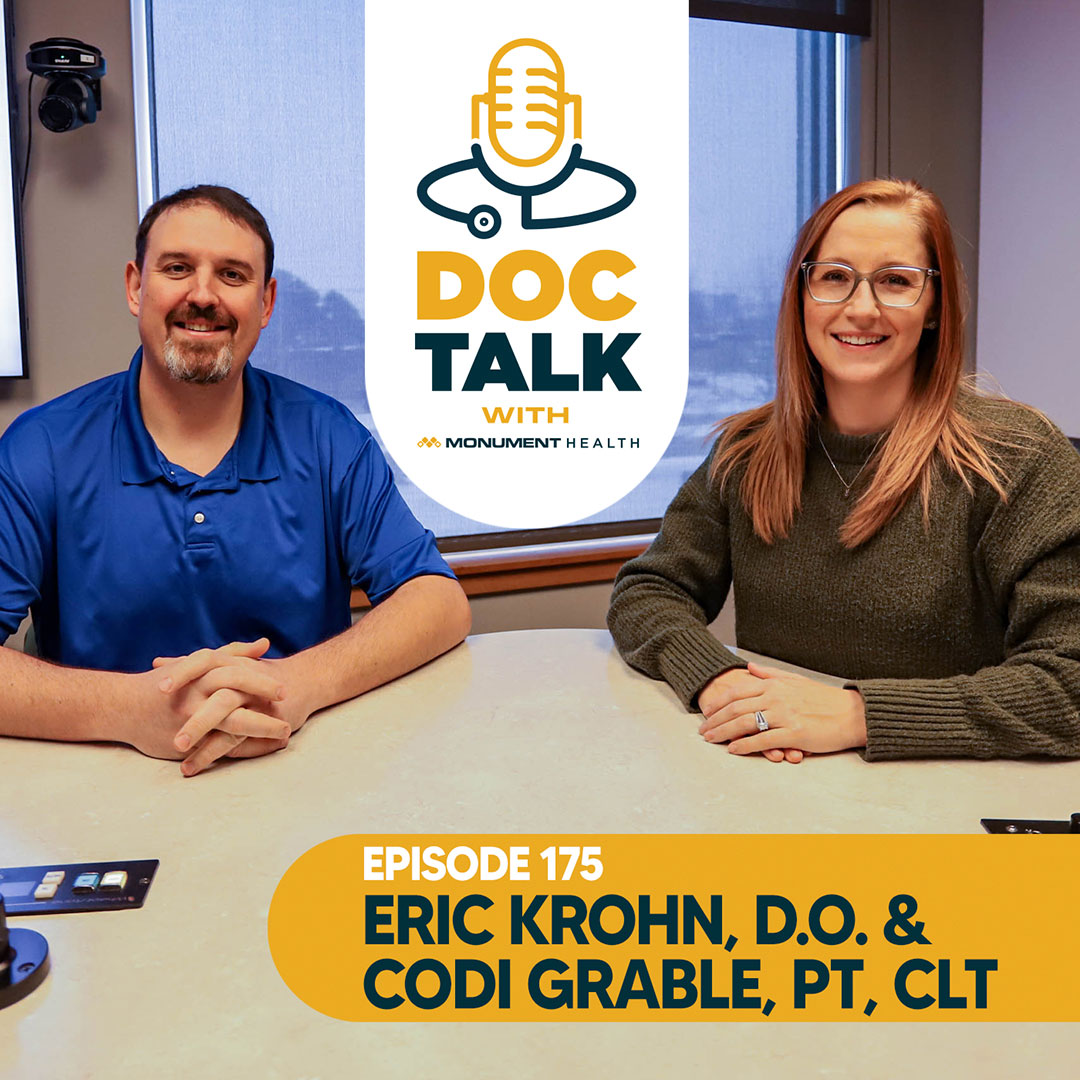
“You may be ligament lax; that doesn’t mean you’re abnormal.” Eric Krohn, D.O., Pediatric Orthopedic Surgeon and Codi Grable, PT, CLT, Physical Therapist, both of Orthopedic & Specialty Hospital in Rapid City join interim host Leslie Hopton to inform you about ligament laxity.
Also known as hypermobility (and not to be confused with flexibility) ligament laxity can be genetic. Dr. Krohn and Codi outline techniques for testing ligament laxity, such as Beighton score, and signs that you may be suffering from it, including pain and recurrent injuries. Hypermobility can be related to bony deformity and so it’s important to know when to seek intervention and what possible treatments exist. Both members of the Hip Preservation Institute, Dr. Krohn and Codi detail how they collaborate to treat hypermobility and how “pehab” — or physical therapy before surgical procedures — helps optimize the results and ease fears a patient may have about recovery.
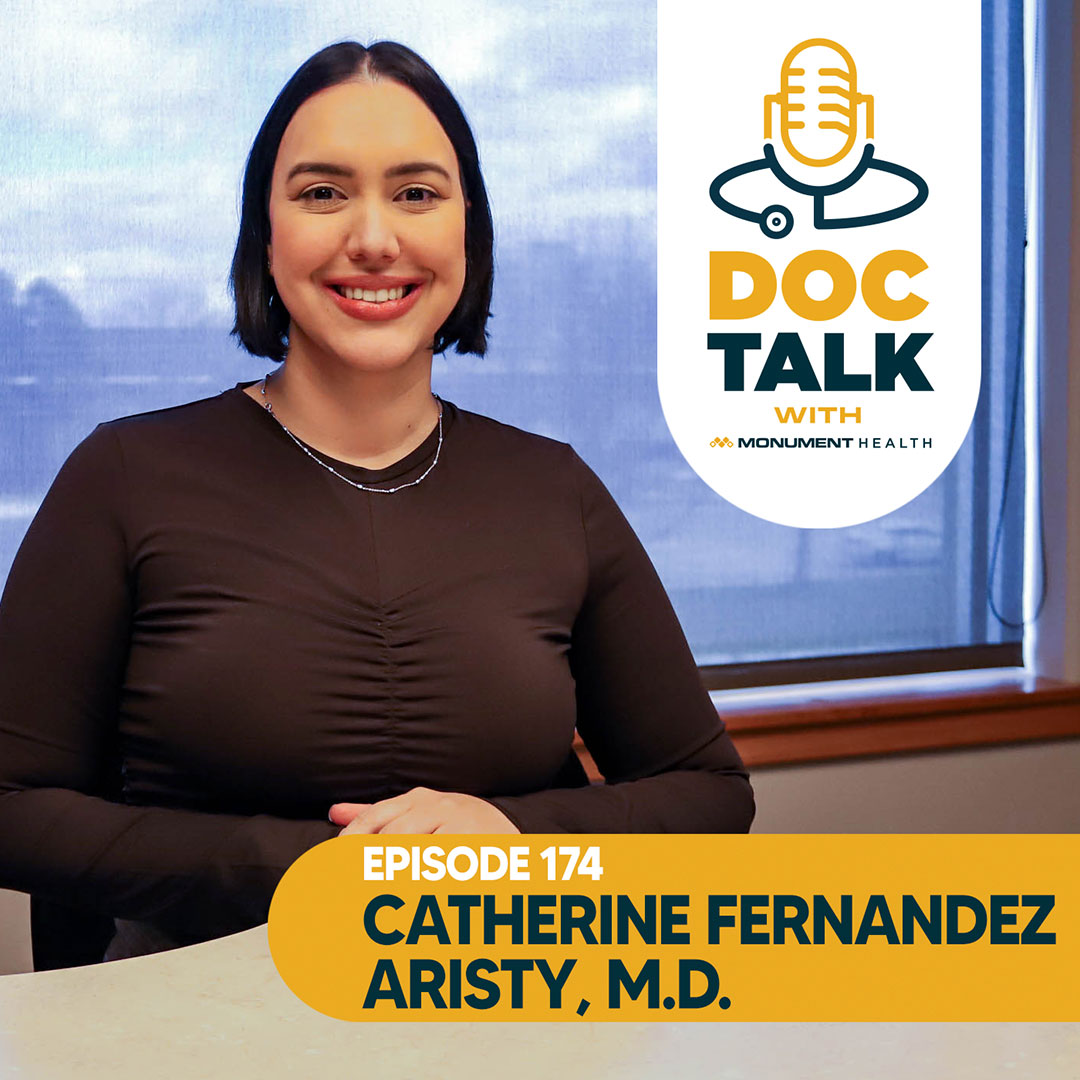
Hitting a wall of tiredness after lunch? Catherine Fernandez Aristy, M.D., fellowship-trained Family Sleep Medicine Physician at Monument Health Neurology and Rehabilitation in Rapid City wants to help you figure out why you are not getting the kind of sleep you need.
By now, most of us know that the blue light from devices negatively impacts the quality of our sleep. Dr. Fernandez Aristy explains to interim host Leslie Hopton the medical science behind that phenomenon. She also clarifies how sleep aid supplements work and why long term use of those chemicals may cause cognitive decline. Dr. Fernandez Aristy suggests the behavioral factors that may be causing your sleep to become fragmented. She also provides solutions to help you make informed decisions about how to get consistent and deep nighttime rest, such as waking up at the same time every morning, regardless of what time you went to bed. As Dr. Fernandez Aristy puts it, sleep trouble “doesn’t have to be your life story forever.”
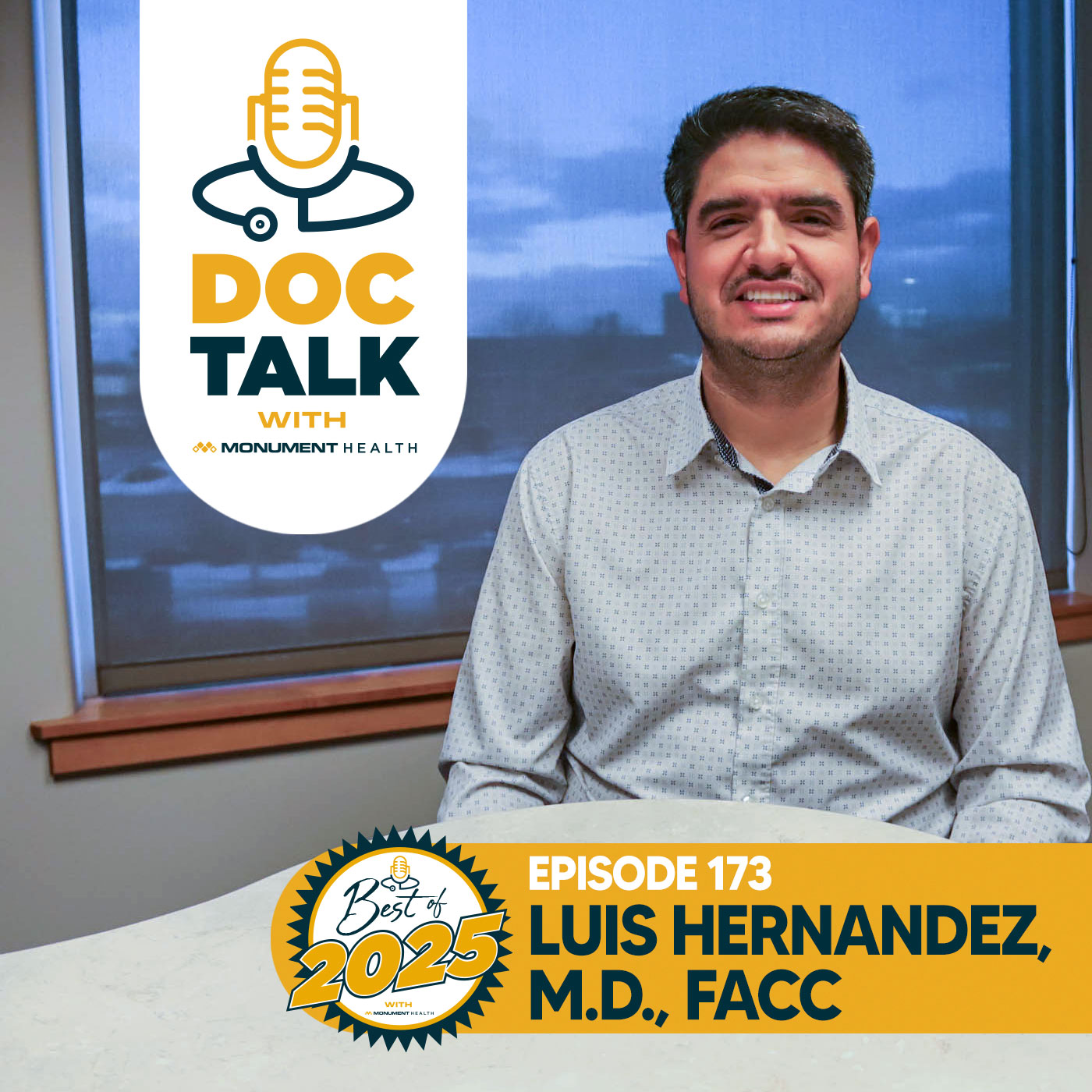
Luis Hernandez, M.D., FACC, fellowship-trained Cardiologist and Medical Director of the Advanced Heart Failure Program at Monument Health Heart and Vascular Institute, gives insight on how devices like defibrillators, pacemakers and pulmonary pressure sensors manage heart failure and help prevent hospital readmissions. He also outlines the importance of medication and patient monitoring in improving heart failure outcomes.