Sew-A-Thon Events Benefit Behavioral Health

Monument Health Behavioral Health continually evaluates opportunities to enhance patient safety while responsibly stewarding organizational resources. As part of these efforts, leadership identified an opportunity to modify existing inpatient Behavioral Health scrubs by removing and sewing shut pockets, creating a safer patient care environment while extending the life of the facility’s current scrubs inventory.

Rather than replacing hundreds of scrubs, Behavioral Health partnered with Ellsworth Air Force Base to organize a volunteer sew-a-thon. Held on January 6 and 8, 2026, 13 Honor Guard Airmen and 4 military spouses generously donated their time in support of the initiative.

Together, the volunteers modified 580 patient scrub sets — approximately one-third of Behavior Health’s facility’s inpatient uniform inventory.

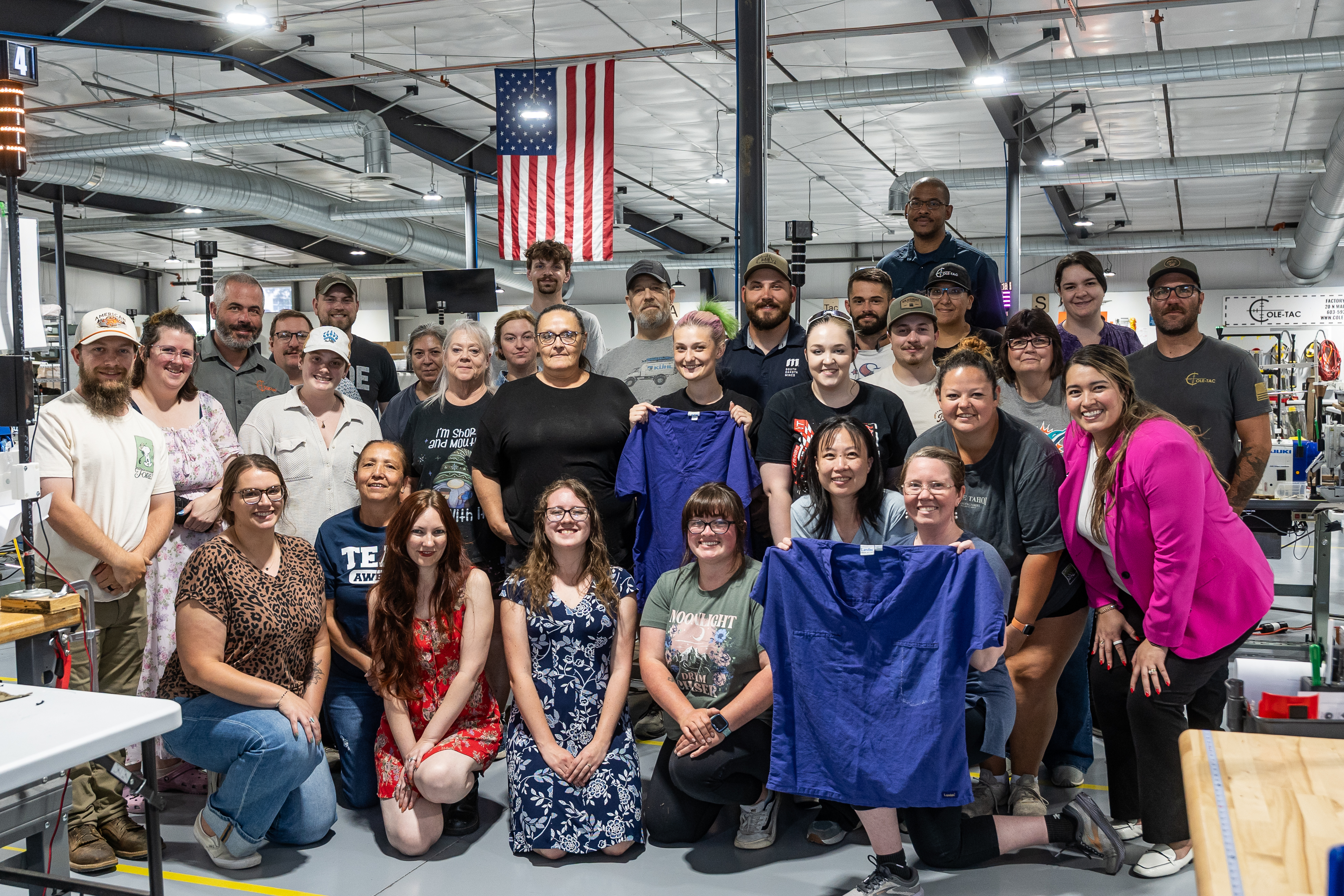
Cole-TAC, a Rapid City manufacturer of hunting and firearms-related gear followed up by hosting Behavioral Health’s second Sew-a-Thon.

Guided by owners Dustin and Liene Coleman, more than 26 professional stitchers generously volunteered their time and expertise to modify more than 440 patient scrub sets by removing breast and pant pockets.

By repurposing existing scrubs rather than purchasing new ones, the two sew-a-thon events have generated cost savings that allow resources to be redirected toward patient care and other initiatives that strengthen the services we provide to our patients and community.

Serving approximately 1,500 inpatient admissions annually, Behavioral Health will benefit from this initiative for years to come. We extend our heartfelt gratitude to Cole-TAC and Ellsworth Air Force for donating their time, talent and ongoing commitment to serving our community.

Their craftsmanship is now woven into the story of healing at Behavioral Health.

Story by Kory Lanphear
Peace of Mind at Custer Assisted Living

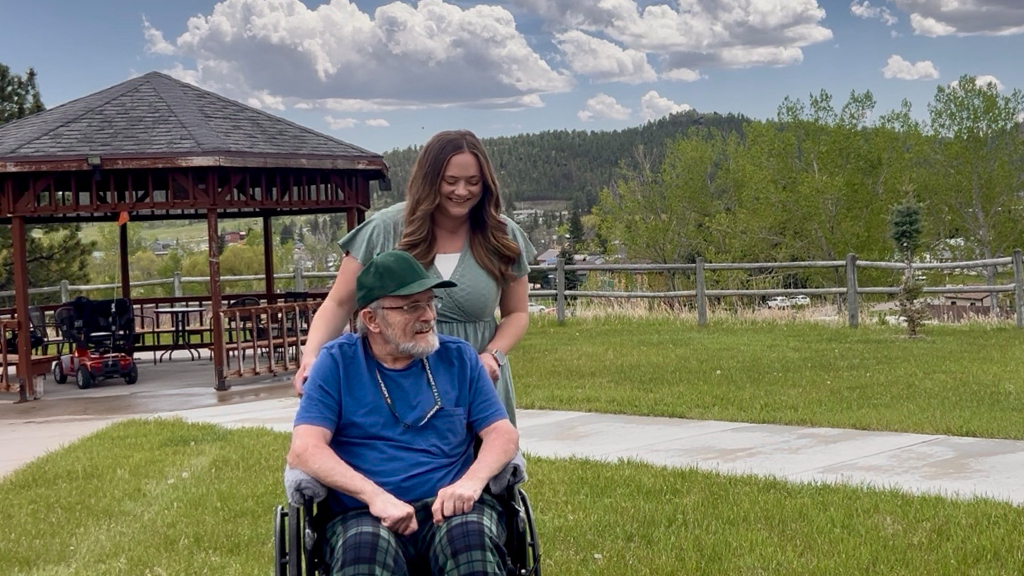
Caitie Muller, Medical Imaging Manager, Rapid City Hospital (RCH), spent most of her life helping her family care for her dad, Donald, who was permanently disabled at age 51 in a tragic accident in 2003, when he suffered a spinal cord injury after falling off a ladder at work. He was left with limited mobility of his limbs, which forced him into early retirement.

For 16 years, Caitie’s mom, Sandy, served as Donald’s primary caregiver. Sadly, Sandy passed away unexpectedly in 2019. Caitie, her older brother and younger sister then did the best they could in assuming the role their mother had filled. This included everything from medication management, doctor’s appointments, financials arrangements and wound care. Caitie’s brother and his family moved in with Donald to provide additional support around the clock.

“It was really taking a toll on us as a family,” said Caitie. “He had several falls at home and we just really weren’t able to keep him safe in his home environment and get him the amount of interaction that he needed to live a fulfilling life.”

After one of those falls, Donald ended up in the RCH Emergency Department and then hospitalized. Doctors discovered a spinal canal stenosis — narrowing of the bone that can cause pain — in his neck, requiring surgery followed by five months of physical therapy.

“That’s when we found out about Monument Health Assisted Living,” Caitie said. 

Bobbi Scott-Hindle, Manager Assisted Living and Becky Martinez, RN, are key staff members at CAL.

“Our mission is to uplift our community by providing exceptional senior living care rooted in decades of professional experience. We are dedicated to fostering a safe, vibrant environment where specialized care meets heartfelt compassion, said Bobbi. “By investing in a highly seasoned team, we ensure that families receive unmatched peace of mind, and our residents enjoy an enriched quality of life.”

With a homey environment that includes private suites which residents can furnish and decorate to reflect their individuality, CAL promotes continued independence of its residents. However, 24/7 staff support, and a small facility means closer personal connections both for residents with each other and for residents and caregivers. There is also a meaningful activity program inclusive of multiple community groups and an exercise program that promotes continued well-being and further social opportunities.

Donald, now 74, has been at CAL for around a year and a half — and he is thriving. Although he had been mostly wheelchair-bound for the last few years, he can now get around with a walker again, thanks to a regular regimen of physical therapy.

“Firstly, I never thought that I would see my dad walk again. Second, I never thought that I would see him being able to coordinate his own activities, to go out in the community and hang out with his friends. I think that the lack of social interaction had really been taking a toll on him,” said Caitie. “He’s really enjoyed the relationships that he’s created and the beautiful setting. We are very grateful for everyone there, and that our dad can be independent and happy.”

Story by Kory Lanphear

Good Clinical Research Requires Patience

Medical science can be a lengthy process. It doesn’t always bear fruit, yet when it does, the results are well worth the wait. Kelli McIntosh, Director Clinical Research and her team are keenly aware that an abundance of patience — and patients — is required to contribute to those significant developments in cutting edge treatments.

“You can watch the long arc of innovation play out right here in the Black Hills. The work our Clinical Research Department is doing on behalf of our patients and our community is a powerful example of that,” says Kelli. “I am proud of the role Monument Health plays in bringing tomorrow’s therapies to patients today.” 

To Kelli’s point, the Clinical Research team is currently running 45 active specialty studies and 20 cancer care studies, with several more in the pipeline across both areas. Pharmaceutical companies from around the globe reach out to them on a regular basis — sometimes five to seven inquiries a week — because of their standing as a high-enrolling, high-quality research site. This reputation wasn’t built overnight. It was built study by study, patient by patient, over years of doing excellent work.

“What makes the Black Hills area especially compelling to research studies is the patient population we serve. We can offer cultural diversity that many sites cannot, including our Native American community and our rural patients who travel sometimes 100 miles or more to receive care here,” says Andrew Shepherd, Supervisor Clinical Research. “Our patients are loyal and our retention rate reflects that. We lose contact with fewer than 3% of enrolled patients, which is an exceptionally low rate.”

The power of that work came into sharp focus recently when Monument Health was recognized as a participating site in the landmark ATOMIC trial, a study examining treatment for stage three colon cancer. Results from that trial were published in the New England Journal of and established a new standard of care for this group of patients. A Monument Health patient participated in that study. This is what clinical research looks like when it reaches its full potential.

It is also not the only achievement for the team to celebrate. A nasal spray for inappropriate sinus tachycardia — developed through a study in which Monument Health enrolled patients years ago — has recently come to market. These outcomes are years in the making and a testament to the dedication of the research team and the patients who trust them with their care.

Looking ahead, the team is focused on expanding into additional service lines and deepening engagement with physician groups across specialties like Endocrinology, Rheumatology and Orthopedics. 

The foundation is strong and there is no limit to what can be achieved with a little bit of patience.

Story by Kory Lanphear

Honoring Ryan Olivier

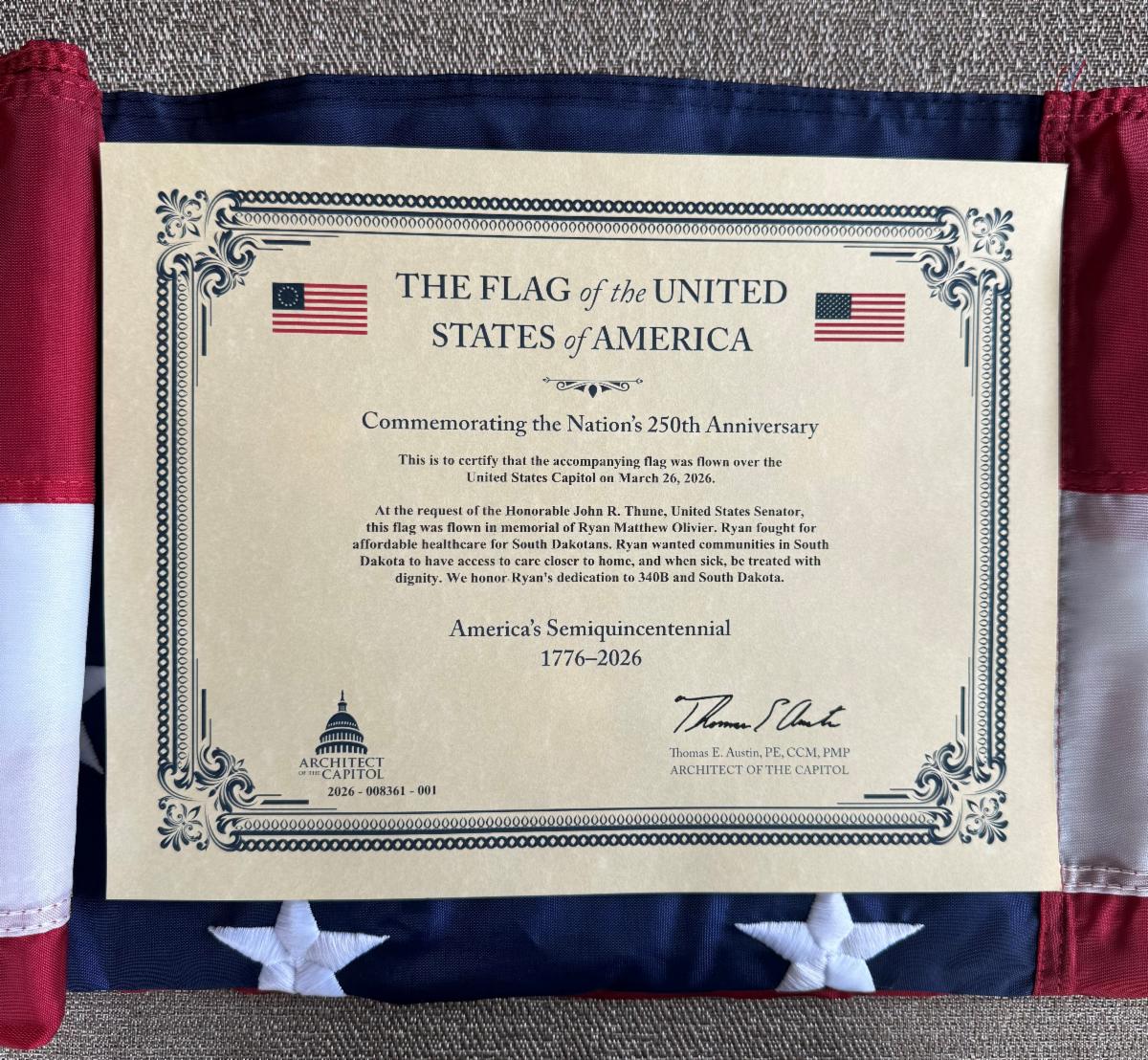
In late-March, a flag flew over the United States Capital in Washington, D.C. in honor of the late Ryan Olivier, 340B Manager for Monument Health, who passed away unexpectedly in January. 

Through his work, Ryan’s impact was felt by health care patients in the Black Hills and indeed all over the state.

Ryan worked for area health systems inside the 340B program for over 15 years, dating back to 2010. He first worked for Avera, then Sanford, then Essentia in Minnesota. For the last two and a half years, though, Ryan worked for Monument Health. During that time, he was a steady advocate for the program, says Scott Peterson, Senior Director Ambulatory and Pharmacy Operations at Rapid City Hospital and Ryan’s supervisor. 

“I knew Ryan for years, back to when he was working for Avera,” Scott says. “I would see him at 340B conferences and lobby with him in D.C., so he was a colleague and friend before coming to work at Monument Health.”

Ryan worked closely with South Dakota Congressional Delegates, such as Senator John Thune, who requested the flag to be flown in Ryan’s honor. As Scott mentioned, Ryan also took numerous trips to D.C. to interface with politicians about the importance of the program to health systems in taking care of patients, regardless of their ability to pay for services.

Born in Sioux Falls, Ryan attended college at Minnesota State University, Mankato. Although he worked remotely for Monument Health from Sioux Falls, he and his wife, Kasey, owned a cabin near Terry Peak, so they spent a lot of time in the Black Hills area.

“Ryan was a connecter. He loved to get to know people and build relationships,” says Scott. “His preference was always for a phone call instead of a text or email. That is why he was loved by so many people that he interacted with.”

Scott attributes the flag honor to the fact that Ryan was known and respected around the state and country for his work in the 340B program including his working relationship with Senator Thune and his staff.

Kasey was presented with the flag and a certificate commemorating Ryan. He was 40 years old.

Ryan Matthew Olivier, May 27, 1985 – January 23, 2026.

Story by Kory Lanphear

Monument Health Welcomes 35th Cohort of Summer RN Externs

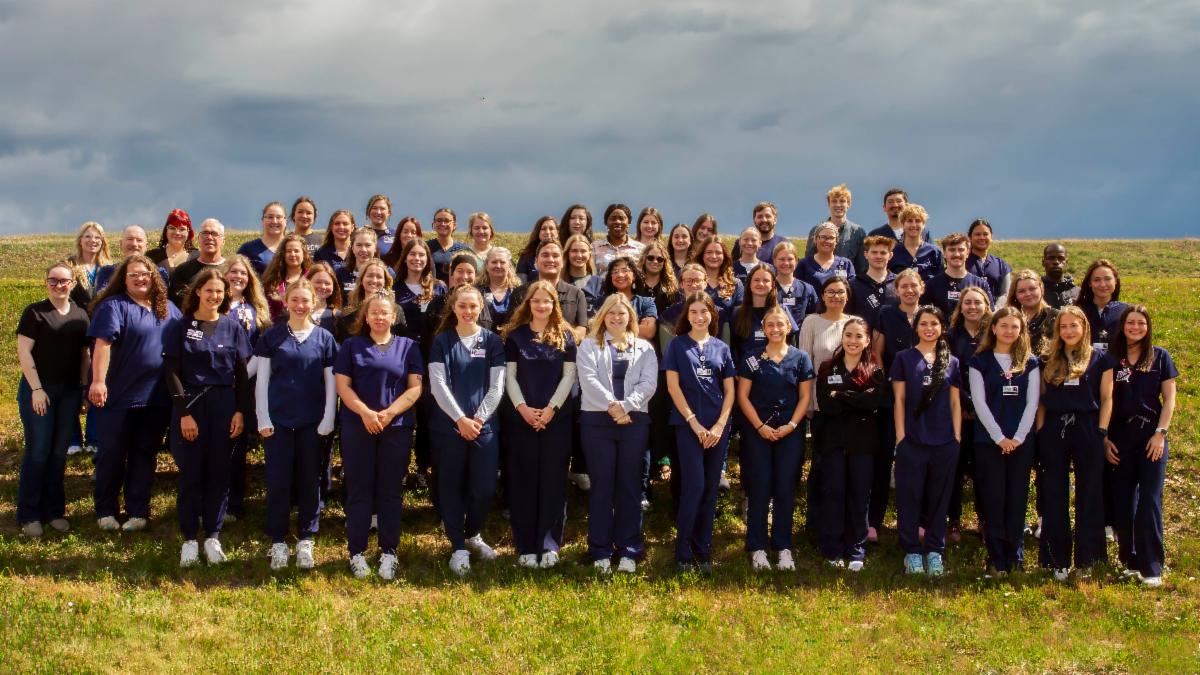
Our latest RN Externship cohort, boasting 63 senior nursing students from more than 5 states, began on June 1. 

“2026 is officially the 2nd largest group the externship has seen in its 35 years of existence, says Julie Tyler, MSN, RN, Professional Development Practitioner. “We are so excited to show these students that they belong here, they can grow here and that their role touches our mission, vision, values, and priority areas every single day.”

The Nurse Externship, part of our Clinical Enrichment Program (CEP), was first approved by the South Dakota Board of Nursing in 1990, and is designed to support nursing students in good academic standing as they transition from the classroom into professional practice. The program provides structured, supervised clinical experience within real patient care environments across the health system, and operates under a partnered approach between Recruitment, Career Development and Advancement, Education and Professional Development and our nursing departments.

A cornerstone of the externship is its 1:1 RN preceptor model, which pairs each student with an experienced registered nurse. This mentorship approach allows externs to apply the nursing process in real-time, developing critical skills under direct supervision.

Throughout the program, participants gain hands-on experience in collecting, documenting and reporting patient data, as well as safely performing delegated nursing tasks in collaboration with licensed RNs. The externship also emphasizes the development of clinical judgment, helping students recognize patient needs and effectively communicate priorities.

In addition to technical competencies, externs are integrated into interdisciplinary care teams, strengthening collaboration and communication skills essential to modern health care delivery. Program leaders also highlight a strong focus on professionalism, ethical practice and accountability — key attributes expected of new graduate nurses entering the workforce. As Jamie Hower, Manager Career Development and Advancement explains, “The externship provides students with as close to a real-life nursing experience as they can receive prior to licensure. Along with gaining hands-on experience with both the art and science of nursing, the externship provides excellent relationship building and networking for the extern — throughout many areas of our organization.”

By combining academic preparation with real-world clinical exposure, Monument Health’s Nurse Externship aims to build a pipeline of confident, practice-ready nurses while supporting the organization’s long-term workforce needs.

Story by Kory Lanphear

Hospice Hart

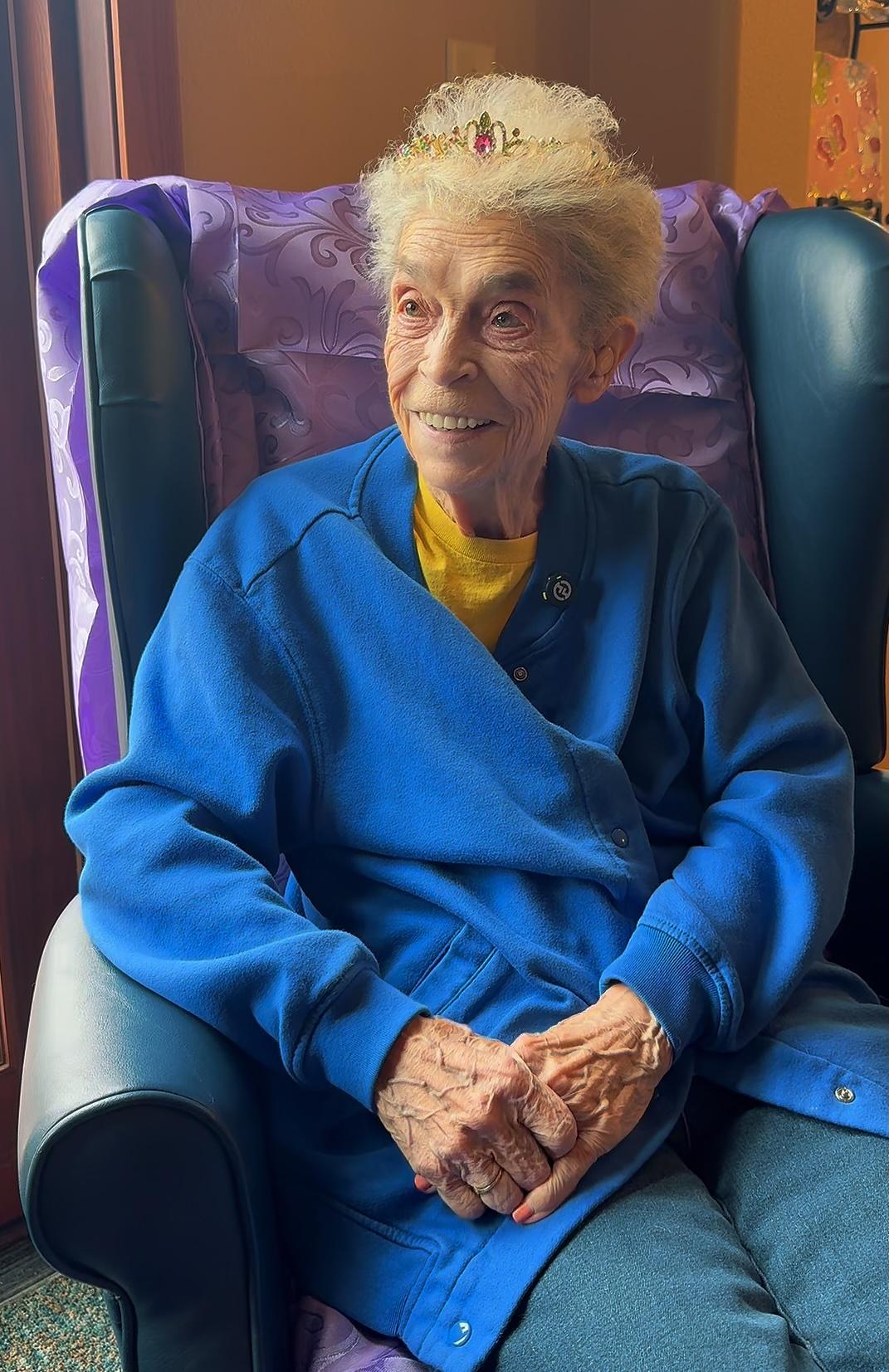
On Friday, April 24, friends, family, volunteers and staff came together at Hospice House in Rapid City to celebrate Marlene Hart and the incredible impact she has made. Marlene, who gives her age as 92.5 (half years matter when you have been around for so long), has become a beloved volunteer at Hospice House. For the last 19 years, she has delivered handmade baskets full of goodies to both patients and staff.

Marlene worked as a phone company operator during the days when the manual switchboard was still in use. She retired in 1992. When her husband fell ill, he spent his last days at Hospice House.

“My husband passed away in 2007 and, right away that summer, I went through the hospice volunteer training. I took baskets to each training session. Barb Vargo was the coordinator at the time and she said, ‘you could make these all the time.’ It kind of got me going,” Marlene says.

After completing volunteer training, Marlene discovered that being at a patient’s bedside was not her preference. So, she began purchasing basket-making kits to construct and fill with candy. These she delivered to Hospice House about once a month.

With the baskets, Marlene found a meaningful way to give back to the people and place that supported her when she needed it most. For nearly two decades, she has quietly turned that gratitude into something tangible, thoughtful and deeply felt.

Marlene has been delivering the baskets for so long, she has seen two Hospice House volunteer coordinators overlap. The first, Barb, was familiar with Marlene and her ongoing basket project. 

“Marlene would make designs for Valentine’s Day and designs for Christmas. She took that on, created her own job description and really did something to enrich people’s lives,” says Barb.

There was a brief time after Barb left Hospice House and her successor, Deb Hanna, took over when nobody knew who was bringing in the gift baskets. They simply appeared. Whomever was bringing them would slip in and slip out unnoticed. The minor mystery was soon solved, however.

“She always makes a big basket for the staff, as well. If patients are not able to eat at the time, they will share it with their families. Or they’ll use the baskets to put their extra straws in or just little things and they’ll have them by their bedside tables,” says Deb. “I don’t even know if she has ever used the same two patterns. She comes up with something new every time.”

For the last few years, Marlene has been shuttled to Rapid City from Buffalo, Wyoming where she lives with her daughter, Candee, who does the driving.

“I figured 12 baskets — really 14, because I make two big ones — so, 14 baskets a month for 12 months a year for 19 years. I can’t remember what the number was,” Marlene says.

For the record, it adds up to 3,192 baskets lovingly crafted by Marlene, each one a small act of care for hospice patients, their families and staff.

The amount of kindness Marlene put into each of those 3,192 baskets, however, can’t be calculated.

Story by Kory Lanphear

Clots and Coffee

Stroke is a killer. Worse, it can make a victim of anyone at any time. Knowing how to identify a stroke is crucial.

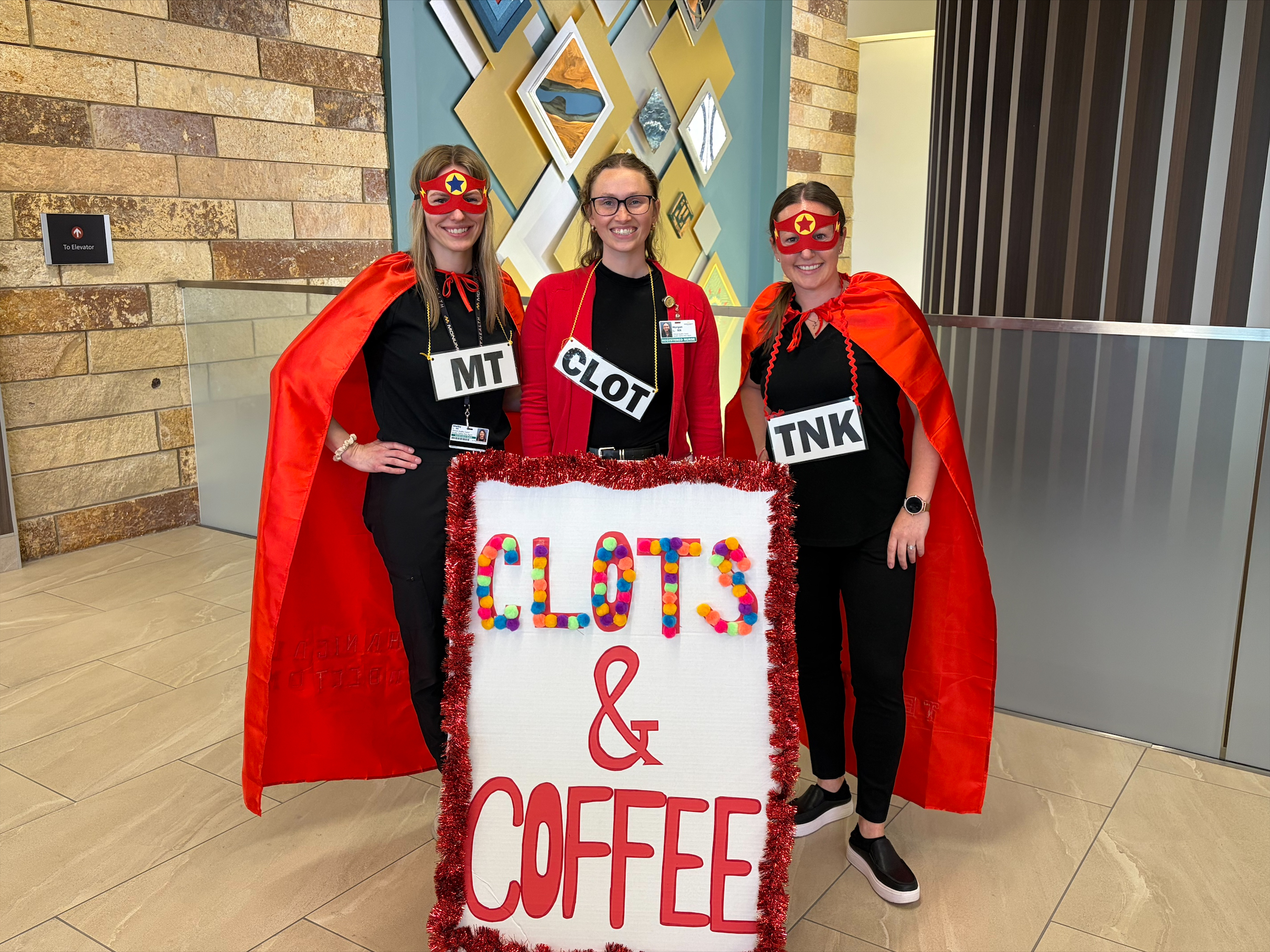
In recognition of National Stroke Awareness Month, Morgan Lantis, BSN, RN, Stroke Coordinator, Rapid City Hospital and a few Caregiver volunteers bring donut holes and coffee around to RCH staff and quiz them on their stroke knowledge and readiness. Correct answers are rewarded with a free specialty coffee at one of our hospital coffee shops.

The program is called Clots and Coffee. The purpose is to ensure that Caregivers are aware of the signs of stroke and what to do when those signs are identified in a patient.

“It is something that I heard during a Penn State stroke webinar. They found that if they made it silly and goofy, stroke education could be fun and people would listen and interact,” says Morgan. “We go to every floor in the hospital for both day and night shift, just trying to hit as many people as we can for stroke education.”

The questions Morgan asks are called stroke tracers and they’re based on questions that the Joint Commission might ask when they conduct a stroke survey on one of their visits to our hospital floors. For non-stroke certified floors, the questions are basic: “How do you identify a stroke?” “What do you do if you do identify a stroke?” For stroke certified floors, the questions are more in-depth, such as how frequent our assessments are needed and what interventions we have.

The Caregiver response to Clots and Coffee is universally enthusiastic, especially the coffee and donuts part. 

The important thing Morgan wants Caregivers to remember is that strokes can happen to anyone at any age, including babies and kids. Further, we don’t necessarily know when they’ll hit. There are common symptoms of stroke (see the BE FAST acronym spelled out below.). However, not every stroke presents the same. “There are also a few risk factors that can increase your chances for stroke but that doesn’t necessarily determine whether you’ll have a stroke. You can also have a stroke without any of those, so it can literally happen to anybody,” she says. 

Critical for patient education is establishing the last known well of a suspected stroke, which the Joint Commission describes as “the date and time prior to hospital arrival at which it was witnessed or reported that the patient was last known to be without the signs and symptoms of the current stroke or at his or her baseline state of health.” 

“Last known well is our basis for stroke intervention,” says Morgan. “We can offer Tenecteplase to the patients who qualify up to 4. 5 after their last known well, and mechanical thrombectomy up to 24 hours after the last known well. That is why it is so important for people who are concerned they are having a stroke to come to the hospital as soon as possible because stroke interventions are only beneficial up to 24 hours after last known well.”

Know the signs of stroke, BE FAST: 

B – Balance: sudden trouble with balance or coordination. 

E – Eyes: sudden blurred or double-vision, or loss of vision in one or both eyes. 

F – Face: face drooping or feeling numb on one side 

A – Arms: arm or leg weakness 

S – Speech: slurring or trouble speaking 

T – Time: is crucial; call 911 immediately.

Keep any eye out for Morgan and her team of volunteers. They’ll be bringing coffee, donuts and stroke awareness to an RCH floor near you.

Story by Kory Lanphear

Celebrating Movement, Joy and Community Through Remembrance

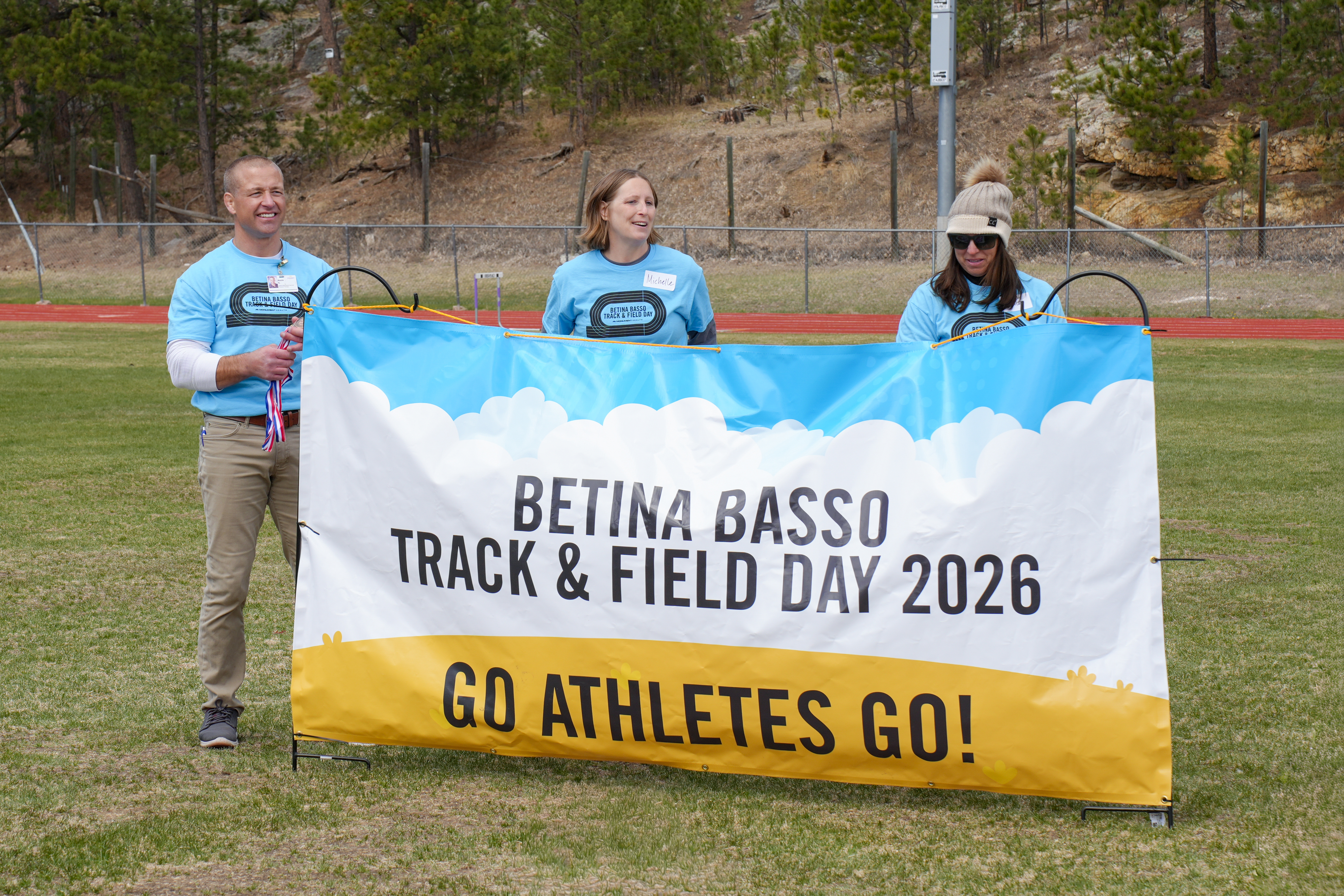
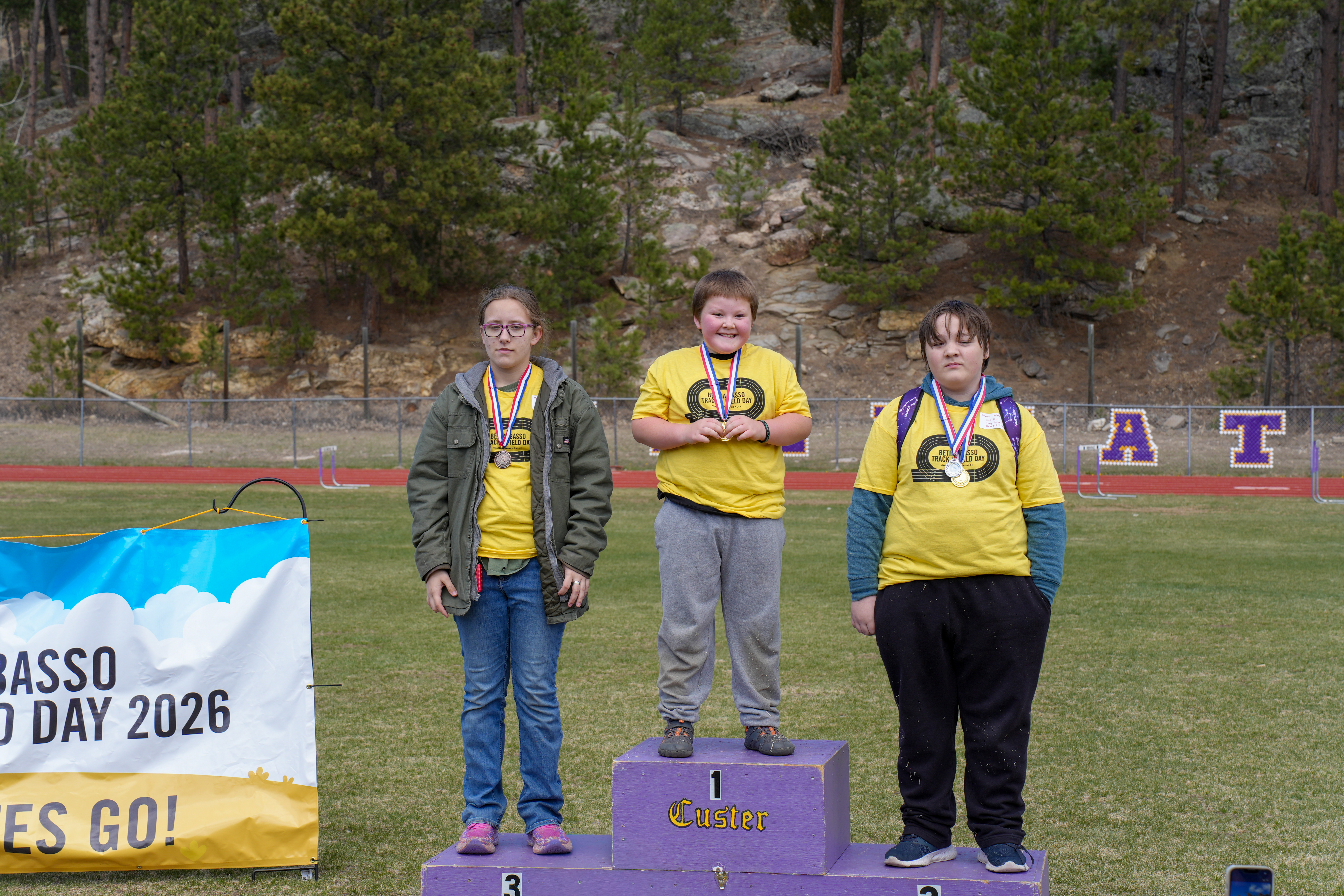
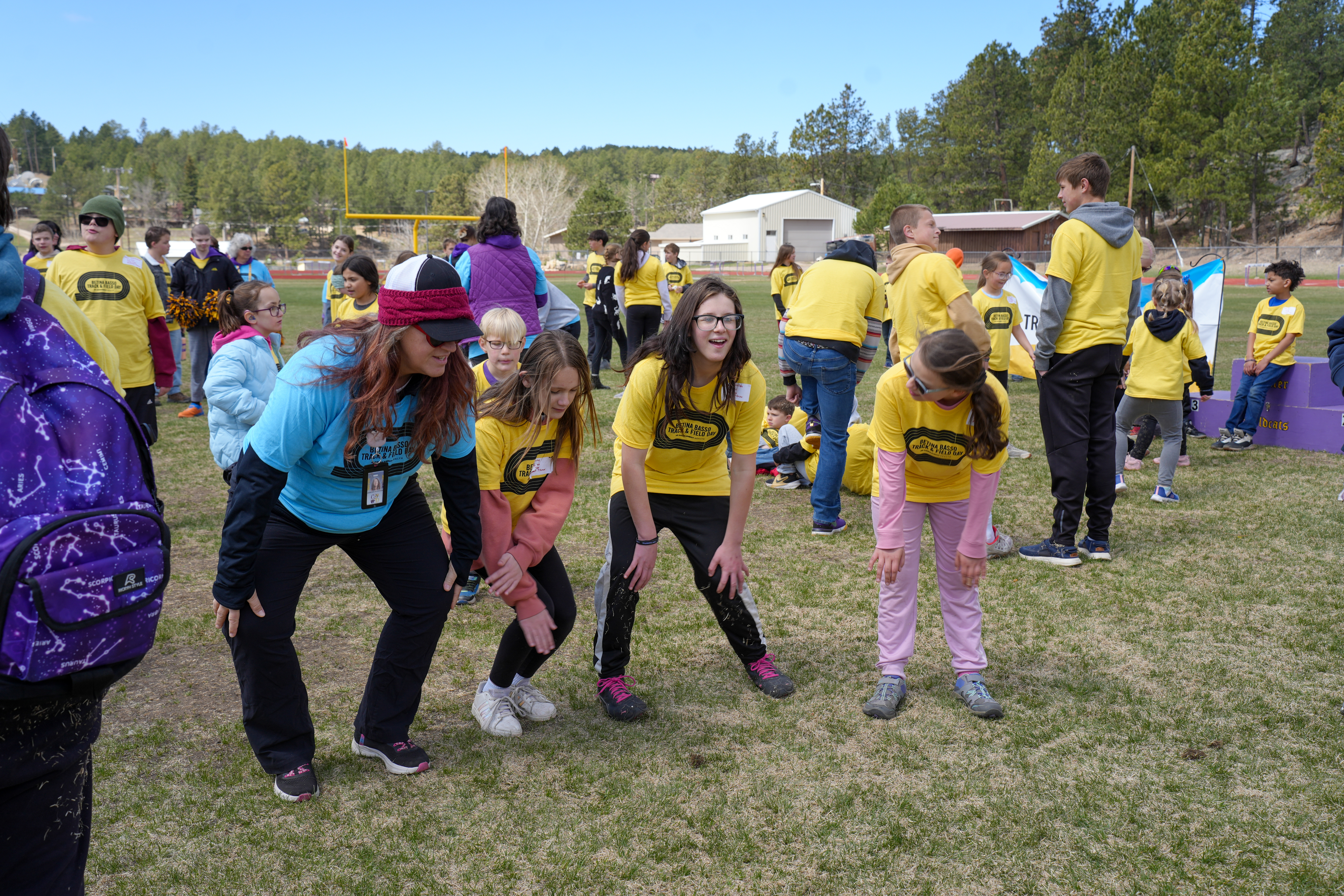
After a weather postponement, Monument Health’s inaugural Betina Basso Memorial Track & Field Day was a success. 

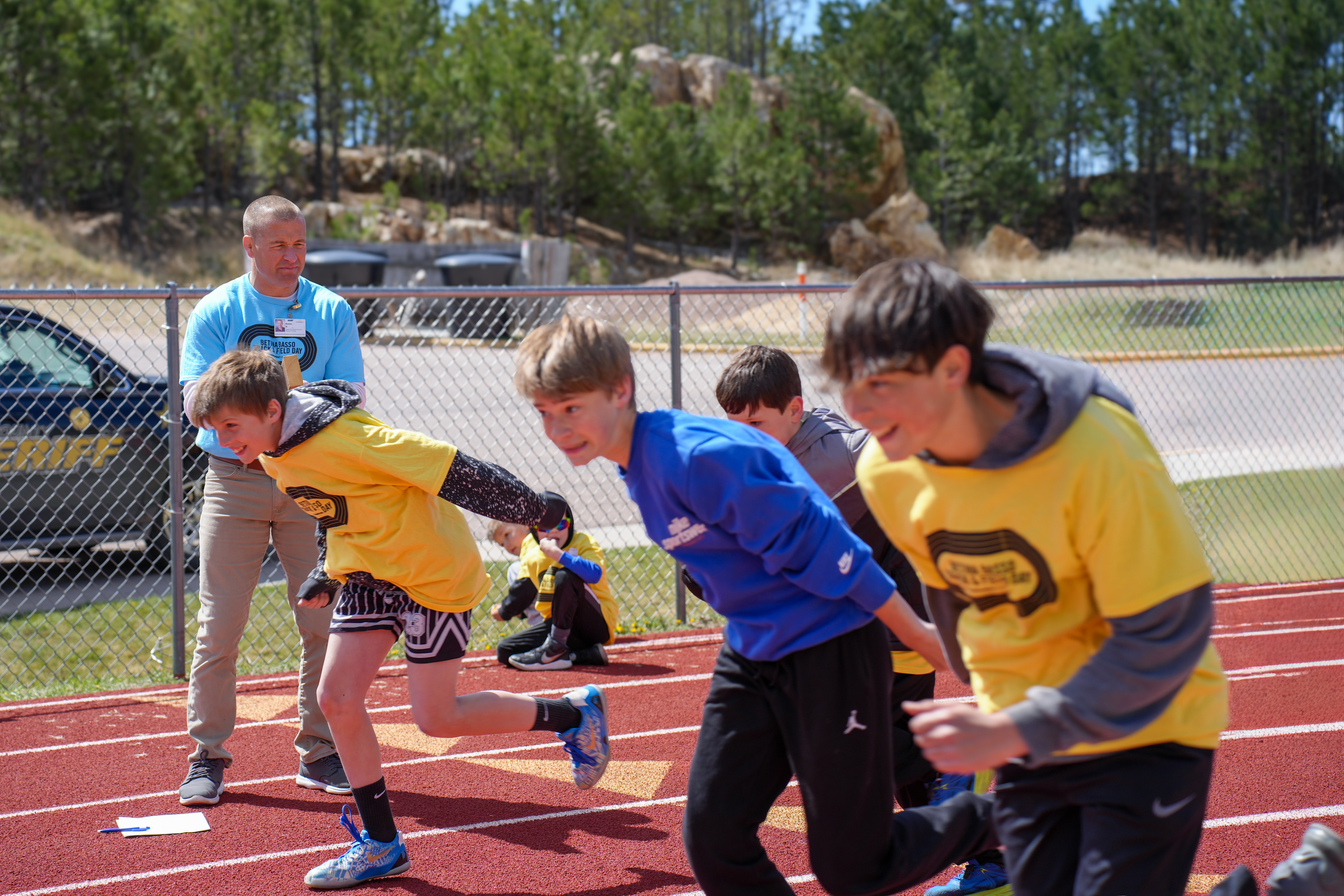
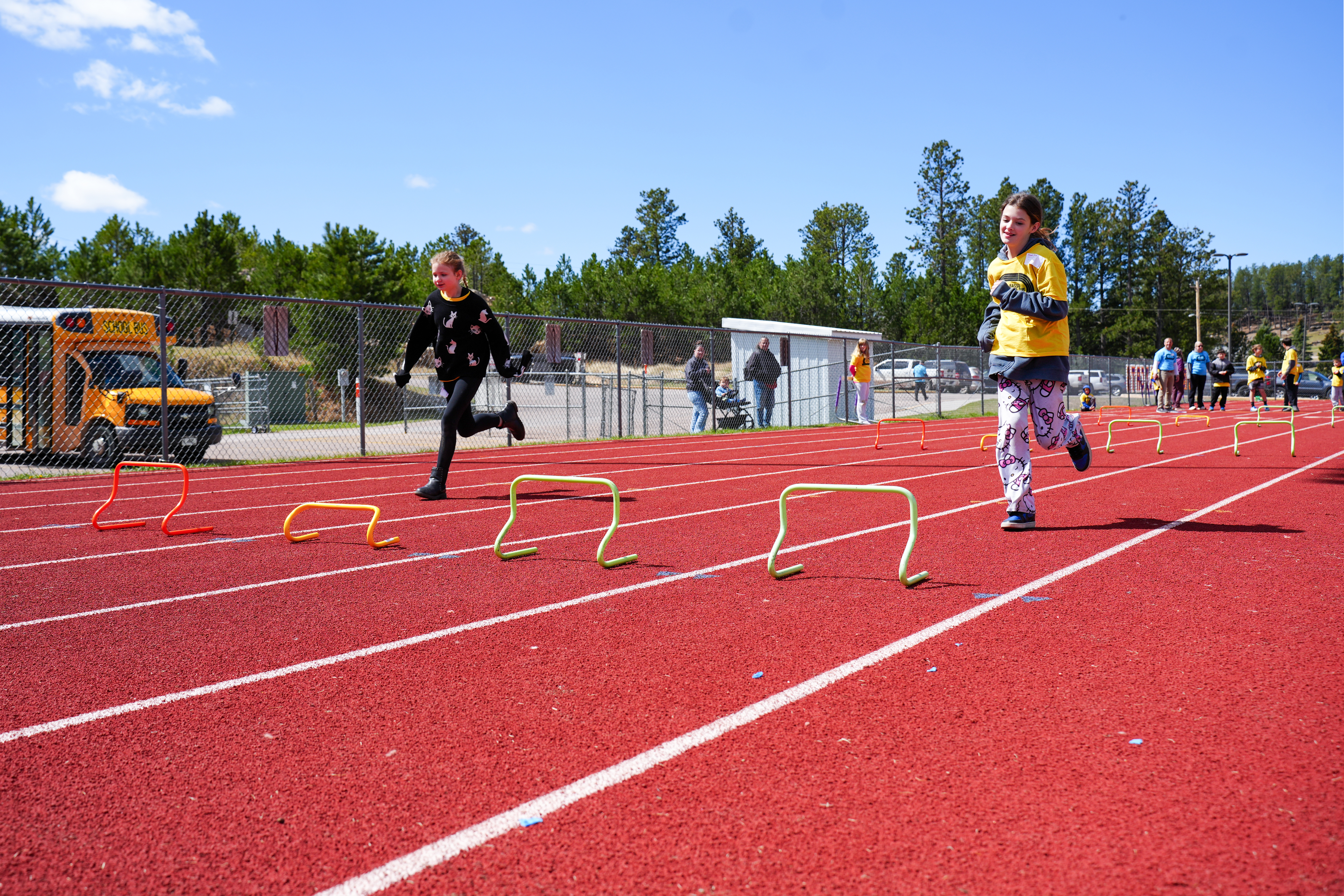
Previously known as the Betina K. Basso Fun Run/Walk and held in the fall, the one mile community run/walk was reimagined as a spring event for school-aged kids. The students participated in a variety of adaptive track and field activities designed to support all abilities and celebrate effort, participation and personal achievement. 

Initially planned for Wednesday April 29 and rescheduled for May 6, the new version of the event was attended by around fifty K-12 students from Custer and Hermosa schools, who were bused to the track at Custer High School to participate. The events included an accuracy throw, 100-meter dash, special relay, long jump, 50-meter hurdles and a distance throw.    

“Thank you to Custer and Hermosa school staff and students. Our original mission was to give back to students in Betina’s name,” says Kevin Sobolik, PT, CSCS at Custer Hospital. “I was not prepared for the joy and love I would receive in return. It was a memorable day. Next year will be even better!” 

An event is held annually in celebration of the life of Betina Basso, a beloved physical therapist who worked at Custer Physical Therapy and within the Custer, Hermosa and Hill City school systems.  She was a loving advocate for children. She passed away in 2019. 

Although the celebration was originally conceived as a run/walk, thoughtful contemplation was given to how the event would best honor Betina’s relationship to and treatment of her pediatric patients. As a result, a track and field day gave the event a new life as a more meaningful way to directly reflect Betina’s work and impact. 

Betina was loved by everyone who knew her. She had a passion for fun, a heart for helping kids move, and a deep belief that every child deserved the chance to participate, grow and succeed. This event reflects the joy, encouragement and energy she brought to her work every day. 

“It was so uplifting to be there and see all of the kiddos running, jumping and just generally having a good time in the spirit of friendly competition,” says Sierra Gerlach, Monument Health Community Relations Event Coordinator. “What a great way to be both inclusive and to celebrate a departed Caregiver and admired member of our communities.”

Story by Kory Lanphear

Photos by Erika Bratten-Cianca

Monument Health Receives Prestigious Rapid City Award: Granite Award

We are proud to announce that Elevate Rapid City has awarded the 2026 Granite Award to Monument Health. Per Elevate: “The Granite Award is given to a business that is an asset to the area and is a pillar of our community; a business that is stable and solid as ‘granite.’”

Monument Health began as two Rapid City-based community hospitals nearly five decades ago and has grown into Western South Dakota’s largest health care system and employer. Today, we employ more than 6,200 people and operate facilities throughout the region, including our recent acquisition of Rapid City Medical Center (RCMC), which expands our ability to serve patients across multiple locations while maintaining the personalized care our community deserves.

After more than 50 years of partnership with Elevate, this recognition acknowledges our clinical excellence, financial performance and our role as an economic anchor and community partner throughout the Black Hills region.

Elevate recognized us across every dimension of our community partnership. Our 10-year, $750 million master facilities investment plan signals long-term commitment to the region. Our growth to 524 physicians and advanced practice providers and our recent acquisition of Rapid City Medical Center mean families can access specialty care close to home rather than traveling to Denver or Minneapolis. Our $233 million annual community benefit — including $91 million in care provided regardless of ability to pay — demonstrates our values in action.

New service lines and personnel additions continue to expand our capabilities, including a fellowship-trained Cardiothoracic and Vascular Surgeon, Tommaso Cambiaghi, M.D,. who performs complex aortic surgery and minimally invasive cardiovascular procedures, Steven Donahue, M.D., the region’s first and only fellowship-trained Colorectal Surgeon who offers specialized treatment for complex colorectal conditions and Keely Ulmer, M.D., fellowship-trained Gynecologic Oncologist, who specializes in treatment of reproductive organ cancers. This growth means families can access sophisticated medical care without leaving the region. 

“Receiving the Granite Award reflects our unwavering commitment to growing with this community, investing in this community, and showing up consistently, year after year, for the people we serve,” said Paulette Davidson, Monument Health President and CEO. “We’re proud to call the Black Hills home and honored to be recognized as a pillar of this region.

The award ceremony takes place June 9 at The Monument, where we’ll be celebrated alongside other regional business leaders. More importantly, this recognition reinforces what you already know, Monument Health doesn’t just serve this community, we help build it.

A New Pipeline for Medical Assistants

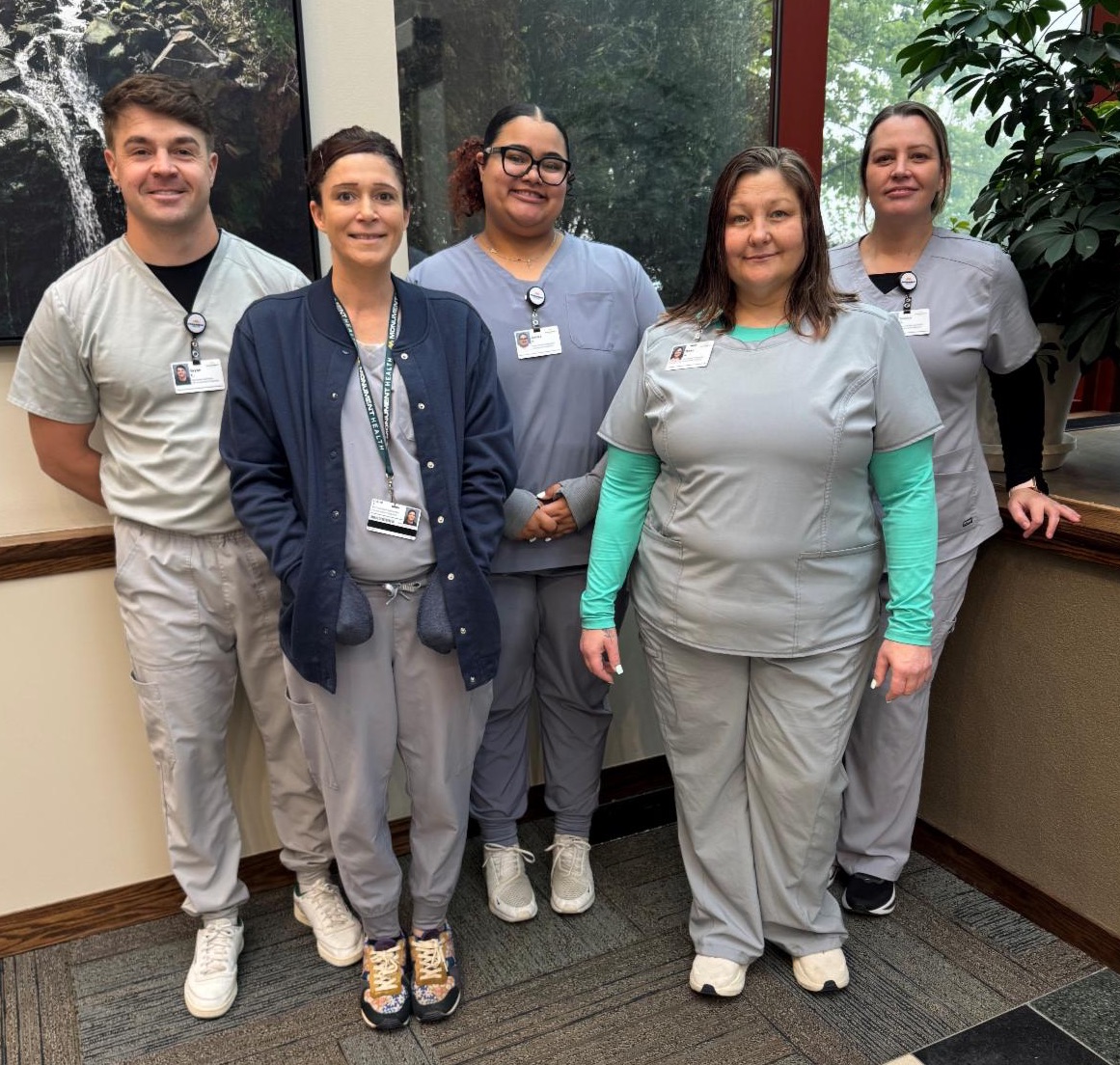
In 2021, Monument Health began an effort that provides a Medical Assistant certification program for hired Clinical Assistants that includes hands-on work experience, after-hours classroom education, a 120-hour internship and National Healthcareer Association certification. This CA to MA program has moved 140 Clinical Assistants through at least part of the CA to MA experience and we have increased our system Medical Assistant count to 73, providing substantial support for our ambulatory workforce optimization efforts.

Due to our ongoing growth, workflow optimization projects, and turnover, an additional pipeline for Medical Assistants was put into place in 2025 through a Department of Labor-registered Apprenticeship. Sarah Blenner, ​​Director of Talent Resourcing, had the idea to incorporate the Department of Labor-sponsored MA Apprenticeship Program and about two years ago, she partnered with Associate Vice President Ambulatory Nursing, Shelly Roy to take steps toward DOL registration. In October 2024, Jamie Hower, Manager of HR Service Center, took the reins of the program to plan, recruit, hire and work our first cohort through their apprenticeship.

In Spring of 2025, 11 MA Apprentices were hired and began their journey. The new apprenticeship stands on a strategic foundation of having a centralized model, focus on belonging and retention, attention to enterprise competency and confidence and new flexibility and scheduling that allows for cultural and professional fit to be achieved while giving the apprentices a standard clinic schedule throughout their apprenticeship.

After 3 months of Clinical Assistant work, the MA Apprentices moved into the classroom where they spent 8 weeks learning textbook foundations of the Medical Assistant position through ProTrain University. The apprentices take their online course together during regular clinic hours for about 8 weeks. “Sitting in a room with people, learning together, you’re just so much more comfortable asking questions and there’s great camaraderie,” says Jamie.

Following completion of the ProTrain program, the MA Apprentices begin their 120-hour internship, where they have a MA preceptor in a variety of clinic experiences and specialties, complete phlebotomy training and check off nearly 100 new competencies that include blood draws and medication injections. During their internship, the MA Apprentices also test for their national NHA certification.

“At year one, our first cohort has an 80% retention, 100% national examination and placement success” says Jamie, “and we brought a new cohort of 5 onboard on April 6. Our goal for the year is to hire 20 MA Apprentices.”

Thanks to the success of the MA apprenticeship program, HR is evaluating what other pipelines could be built to fill staffing needs, such as nursing apprenticeships.

 “Apprenticeships are incredible and their importance in career development and recruitment will only increase in coming years,” Jamie says. “They are a high-quality career pathway where people can obtain paid work experience and an education while working full time and avoiding students costs and dept. Apprenticeships are perfect for people not ready or able to take a traditional college route and who are recent high school graduates, people looking to make a career transition, or current healthcare employees looking for a next step into a certified role.”

Two spots remain for the next MAA program cohort, which begins May 26. Those interested can contact Jamie Hower: jhower@monument.health or call 605-755-5503.