Cardiothoracic surgeons join Monument Health

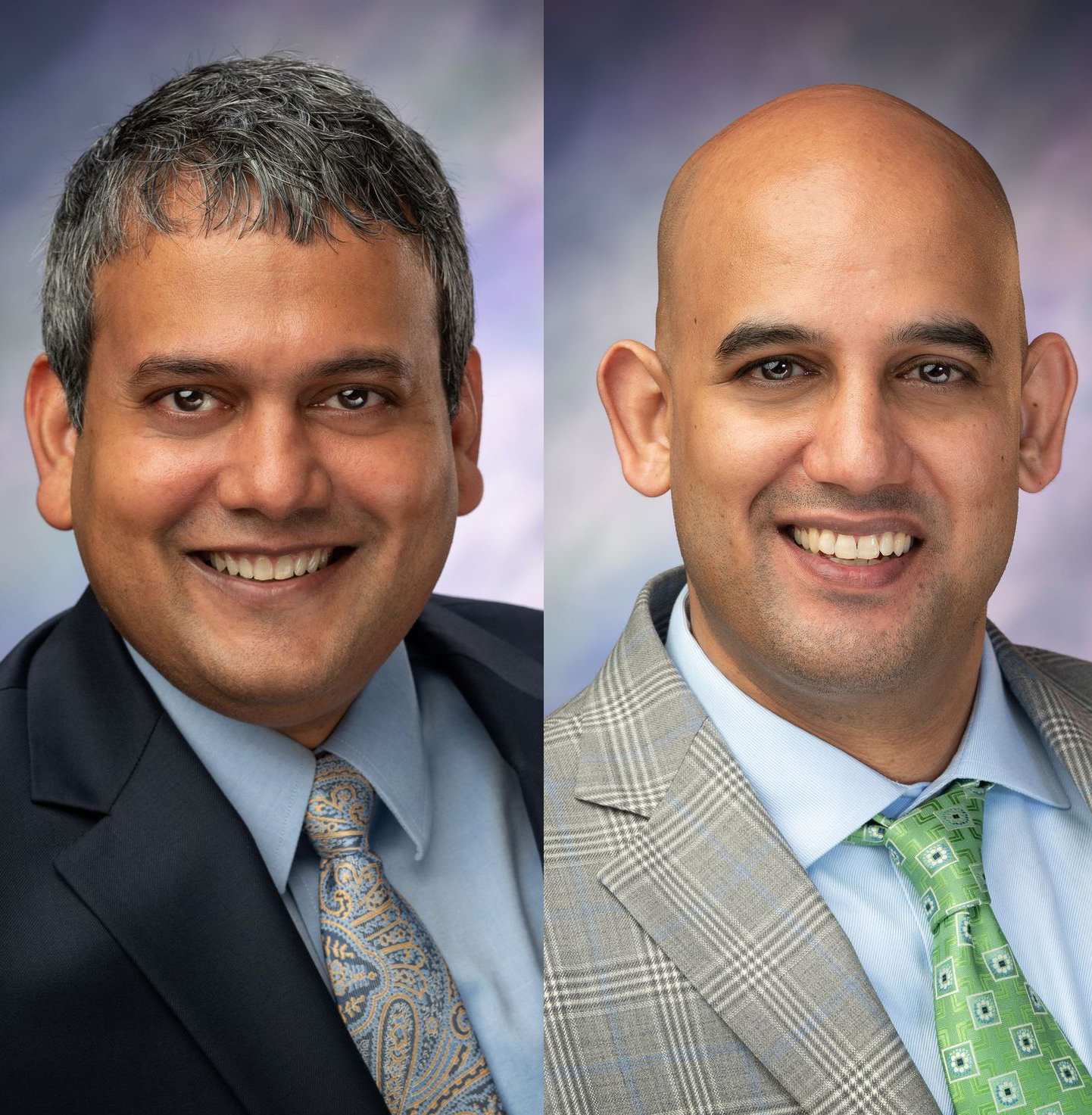
PHOTO LINK – Dr. Charan Mungara
PHOTO LINK – Dr. Kalyan Vunnamadala

Rapid City, S.D. (Aug. 5, 2020) – Monument Health announced that two Cardiothoracic Surgeons, Charan Mungara, M.D., and Kalyan Vunnamadala, M.D., have joined the Monument Health Heart and Vascular Institute in Rapid City.

Dr. Mungara received his medical degree from the University of Mysore in Karnataka, India. He completed his residency in General Surgery and his fellowship in Cardiothoracic Surgery at the University of Wisconsin Hospital & Clinics in Madison, WI.

Dr. Mungara was named a Top Doc in Milwaukee in 2020. He received the 2004 Scholarship Achievement Award during his General Surgery Residency and the Distinction in Anatomy, Internal Medicine, & Surgery in 2001 and 1995 from the University of Mysore in Karnataka, India. He is a Member of the Society of Thoracic Surgeons. Dr. Mungara has published papers on Temporary Total Artificial Heart for Destination Therapy and the Impact of Long-Term Continuous Flow on Endothelial and Microvascular Function in Heart Failure Patients Treated with a Left Ventricular Assist Device.

Dr. Mungara is especially interested in beating heart surgery, mitral valve repairs, Atrial fibrillation surgery, complex aortic surgery, TAVR and lung cancer surgery.

Dr. Kalyan Vunnamadala performs all aspects of adult cardiac, thoracic and vascular surgery. He received his medical degree at St. George’s University School of Medicine in Grenada, West Indies. He completed is residency in general surgery at Easton Hospital in Easton, PA, where he was also Chief Surgical Resident. He completed his residency in cardiothoracic surgery at Texas Heart Institute/Baylor College of Medicine in Houston, TX. Prior to joining Monument Health, Dr. Vunnamadala was a surgeon in Dubuque, IA, and Duluth, MN.

His areas of interest and procedures performed include cardiac surgery, coronary artery bypass surgery, mitral valve and aortic valve surgery, thoracic surgery, esophageal cancer resection, and TAVR among others.

Dr. Mungara and Dr. Vunnamadala are both accepting new patients. Appointments can be made by calling Monument Health Heart and Vascular Institute at 605-755-4300.

###

MEDIA CONTACT
Dan Daly
Communications Specialist
Strategic Marketing and Communications
Monument Health
ddaly@monument.health
3D mammography expands to Custer, Sturgis, Lead/Deadwood

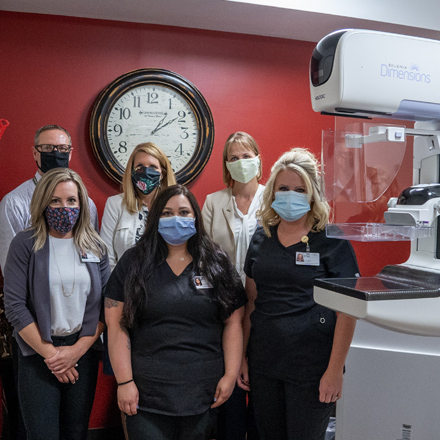
STURGIS PHOTO LINK: Pictured with the new 3D mammography equipment at Monument Health Sturgis Hospital are, from left, Michelle Stephens, Lance Perrett, Ashley Kopp, Malia Sauer, Wendy Meadows-Anderson, Susan Bauer and Mark Schulte.

LEAD-DEADWOOD PHOTO LINK: Pictured with the new 3D mammography equipment at Monument Health Lead-Deadwood Hospital are, from left, Mark Schmidt, Ashley Kopp, Michelle Stephens, Kamille Baize, Wendy Meadows-Anderson and Larissa Morovits.

CUSTER PHOTO LINKPictured with the new 3D mammography equipment at Custer Hospital are, from left, Meghan Holtquist, Wendy Meadows Anderson,  Becca Noyes, Mark Schmidt and Nan Bradeen.

RAPID CITY, S.D. (July 30, 2020) – Monument Health hospitals in Custer, Sturgis and Lead/Deadwood are introducing Genius 3D Mammography for patients. The new technology improves early detection and treatment of breast cancer.

One in eight women will develop breast cancer, but if it’s caught early the five-year survival rate is almost 100 percent. Using this three-dimensional technology, radiologists can better detect breast cancer deep within the tissue, where it might be hidden during a traditional two-dimensional mammogram.

Wendy Meadows-Anderson, Monument Health Director of Medical Images Services, said 3D mammography offers the best technology available.

“Screening mammography has proven to be highly effective at identifying abnormalities that would otherwise go undetected. This helps save lives and decrease the impact of disease due to early detection,” she said. “The 3D technology will further this effort while also reducing false-positive results.”

Patients will notice little difference in the mammography process – it takes just a few seconds longer – but the images offer remarkable clarity.

With the addition of the Genius 3D Mammography in Custer, Sturgis and Lead/Deadwood, the technology is now available throughout Monument Health’s service area. Visit monument.health/services/mammography for more information.

MEDIA CONTACT:
Stephany Chalberg
Public Relations Manager
Strategic Marketing and Communications
Monument Health
schalberg@monument.health

Research team keeps Monument Health at the forefront of medicine

Roger DeRaad joined Monument Health in 1989 as a Flight Nurse and Intensive Care Unit caregiver. He left for a brief period to pursue graduate school, but came back with a deeper awareness of the importance of clinical research.

He joined Rapid City’s Heart Doctors in 1994 (which was purchased by Regional Health in 2010), and has been serving as Director of Research for Monument Health since 1996. His team of 17 has approximately 50 active clinical research trials at any given time. Recently, because of their solid reputation and experience, the team has been asked to participate in several studies related to COVID-19 treatments.

“Our team is very aware that the work we do is important, and we’re really proud of that,” Roger said. “We know that what we do here for our community and for our patients ultimately affects millions of people.”

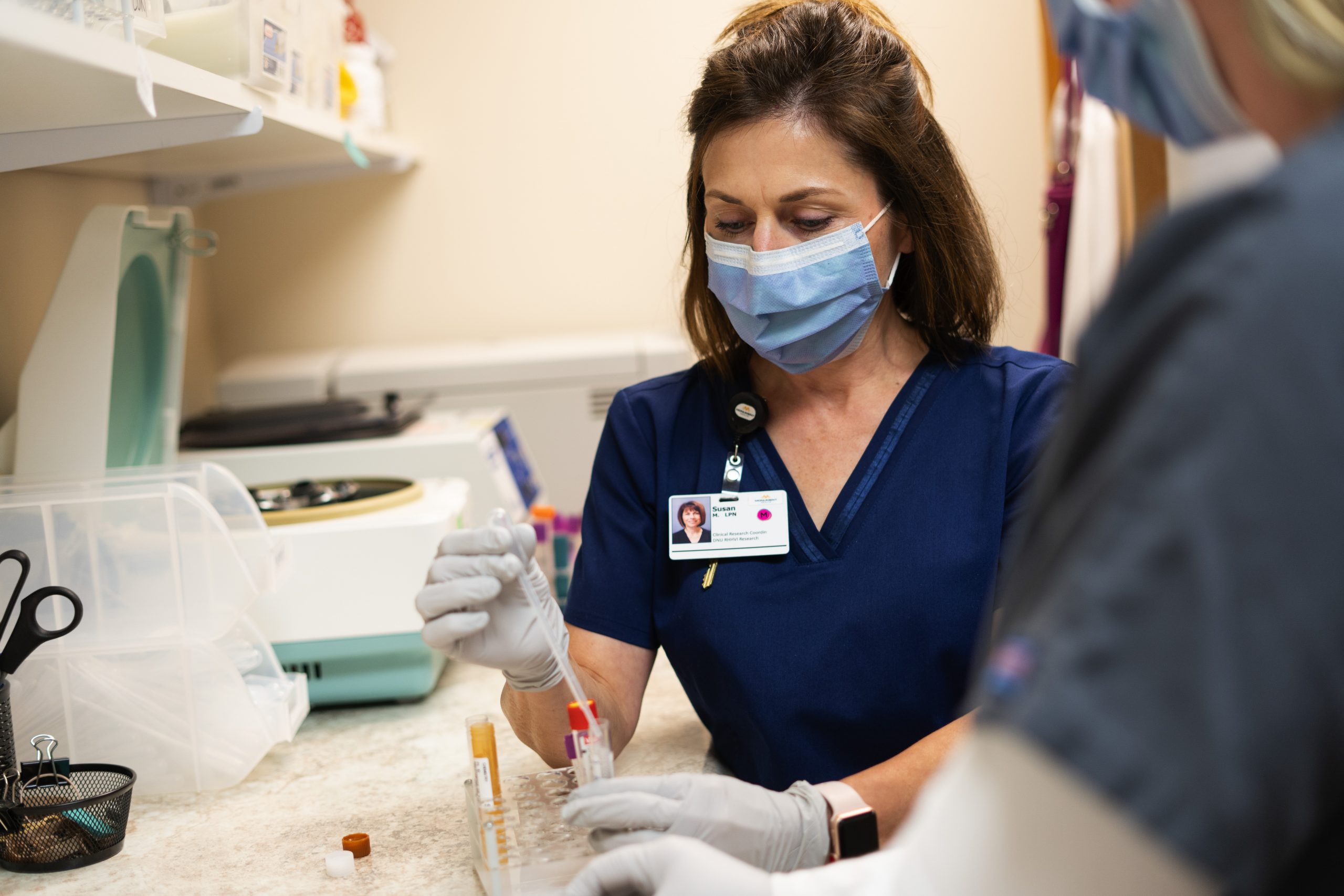
Clinical Research Coordinators Susan McLaughlin (right) and Melissa Slettedahl (left) at the MonumentHealth Clinical Research building in Rapid City.


This week the team began enrolling patients in the COVID-PACT study, a randomized-controlled trial that will evaluate the safety and efficacy of “antithrombotic therapy” for COVID-19 patients who develop arterial and venous thrombotic complications. They’re also involved in a Mayo Clinic project to determine the effectiveness of plasma from recovered COVID-19 patients as a treatment for current patients. Negotiations for trials involving COVID-19 antibody therapy and vaccine therapies are also underway.

“Practitioners working with COVID-19 patients are very interested in trials that will help them respond to everything they’re dealing with, because right now we just don’t know a lot about how to best care for these people,” he said. “A randomized trial is a good indication that we’re moving toward an answer.”

COVID-19 aside, Monument Health Clinical Research has always been on the cutting edge of medicine. Clinical research trials give Monument Health patients access to new therapies, but they also benefit the providers who get a chance to work with new medications and devices before they’re more widely available. Right now more than 500 patients are active in clinical research at Monument Health.

“When a new medication is approved, we may have already been working with it for a while, so our physicians have experience with it,” Roger said. “The same with certain cardiac devices; many people might not know that as patients in our community they have access to some of the latest devices.”

Patients can get involved in a research project through their provider knowing about a current study they would be eligible for, but the research team also screens Monument Health patients multiple times a day to examine whether someone is eligible for and could possibly benefit from an active trial. Other team members include those who monitor patients throughout the trial, laboratory staff who keep an inventory of medications and devices, regulatory caregivers, and a quality group that enters and analyzes data.

In addition to taking on new COVID-related research projects, the team had to quickly respond to the pandemic earlier this year by transitioning their patients to remote appointments. Kelli McIntosh, Manager of Research, said the group had to get creative in terms of maintaining their current studies.

“We had to move quickly and communicate with our patients of our plans moving forward,” she said. “Even if they weren’t due for an appointment right away, we were in close contact with them, and they really appreciated that consideration.”

Roger said many patients participate in clinical research because it gives them an opportunity to fight back. “Whenever we get a new diagnosis, we want to fight back, and research provides a way to do that,” he said.

COVID-19 has presented Roger’s group with a big opportunity to fight back against COVID-19. “Humankind is fighting this crisis right now, and it feels good to be involved in this work and contribute to that,” he said.

Monument Health signs Martin Christofferson, Olympic bobsledder

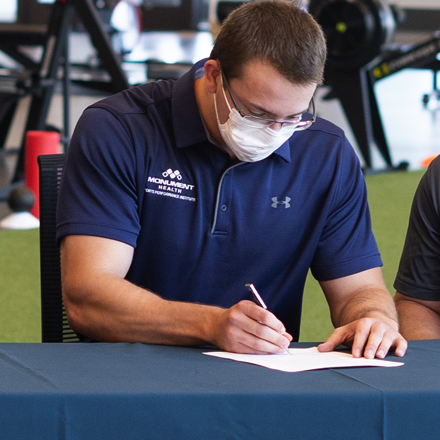
Rapid City, S.D. (July 7, 2020) – Monument Health Orthopedics and Sports Medicine has signed its second sponsorship agreement with a professional athlete. Martin Christofferson is a Rapid City, S.D., native and bobsledder on Team USA.

Christofferson graduated from Stevens High School in 2018. He knew he was athletically gifted, tried track one year, but wasn’t drawn to a sport during his high school career. It wasn’t until after high school, when he started working at The Weight Room in Rapid City that he was encouraged by both his father and employer to pursue a place on the U.S. bobsled team. Bobsledding is a sport that power and speed to push the sled.

He attended the U.S. bobsled combine, broke the all-time broad jump record and earned a spot on the U.S. Developmental Team. Christofferson travels between Park City, U.T., and Lake Placid, N.Y., for training. In the off-season and with the COVID-19 pandemic making a return to the training facilities uncertain, Christofferson knew he would be spending a lot of time back in Rapid City.

“I began looking for a facility similar to the Olympic facilities I was training in and called up EXOS. When I walked into the gym I knew it was perfect for my workouts.”

Christofferson began training at the Monument Health Sports Performance Institute Powered by EXOS in May and is excited for the upcoming year. “It’s an Olympic year and the training increases in intensity,” he said. The final team is chosen right before the start of the Olympics in 2022.

“We’re excited to have Martin sign with us. He is just a great all-around kid. That’s the best part. Being able to help him meet his goals and achieve a once-in-a-lifetime dream,” said Mike Latour, Director of Musculoskeletal Care. “It’s been fun observing the young kids here watch him workout. They are in awe. He can just through the roof. He’s special.”

Christofferson joins Tamara Gorman, world-class triathlete and Rapid City native, in signing with EXOS. Monument Health trains athletes of all abilities and levels. For questions, please call 605-755-6143.

###

Stephany Chalberg
Public Relations Manager
Strategic Marketing and Communications
Monument Health
605-755-9086
schalberg@monument.health

PCC Supervisor role increases caregiver engagement, retention

Laura Holland began working as a Certified Nursing Assistant (CNA) at 16 years old, after her grandma became ill. “I loved making a difference in someone’s life every day, even if only for five minutes,” she said. “That five minutes can be a game-changer in that person’s life.”

Sixteen years later, her passion for the work is just as strong, and she’s taken on a new role that allows her to support others in her profession. Laura became the Patient Care Champion (PCC) Supervisor for the Progressive Care Unit (PCU) last year. The position was created to increase the engagement and retention of PCCs.

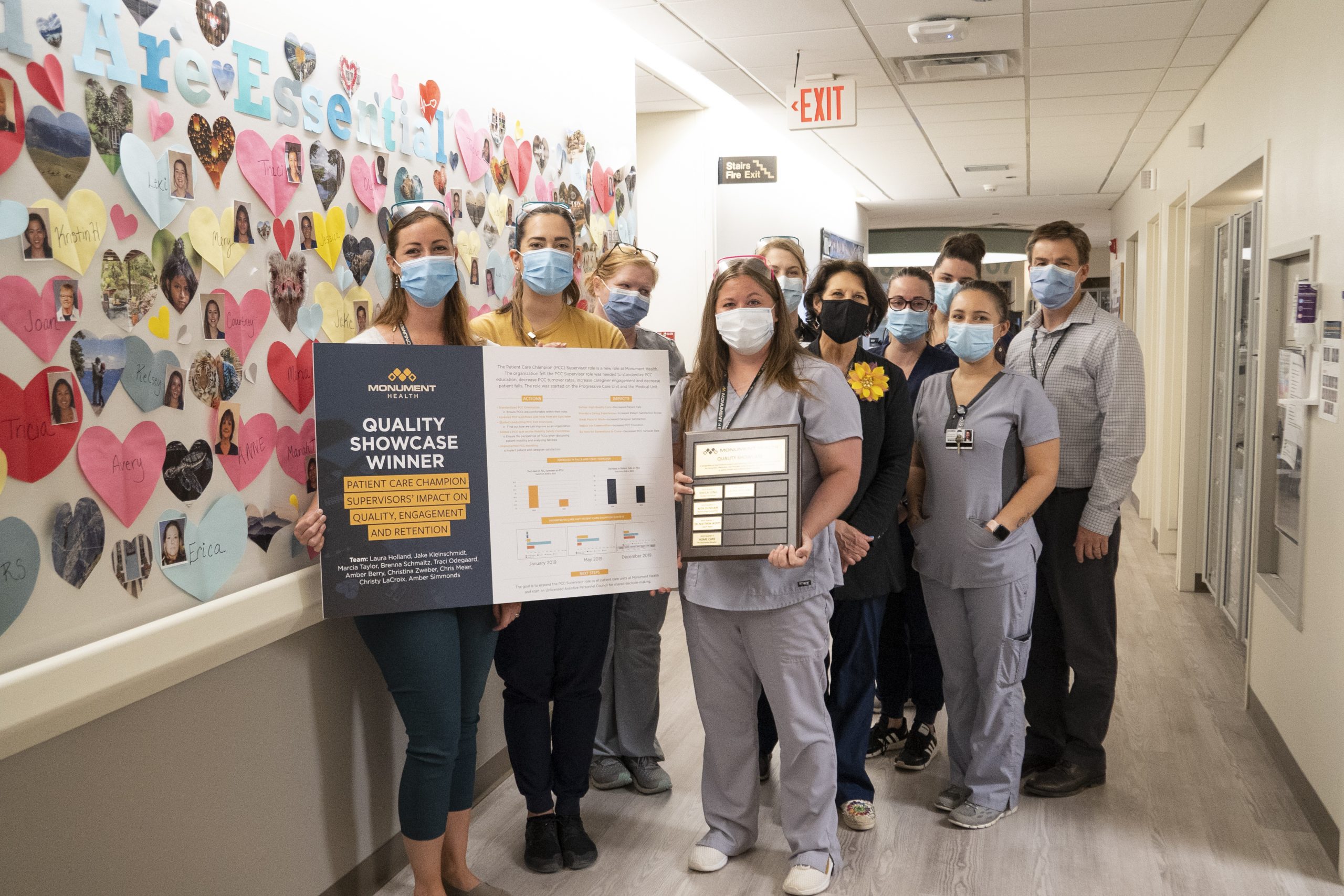
Laura and a team of caregivers won the Quality Showcase honor for Quarter Two for their work to increase engagement and retention among PCCs and decrease patient falls, among other efforts. Each quarter, the Quality Showcase honors a Monument Health team whose innovative ideas improve care. Laura’s team standardized PCC orientation, updated work flows in Epic, expanded PCC rounding and gave PCCs a voice on the Mobility Safety Committee, allowing them to better understand fall data and provide feedback.

Left to right front: Traci Odegaard, Brenna Schmaltz, Laura Holland, Marcia Taylor, Geraldine Two Bulls; Left to right back: Christy LaCroix, Becky Staedtler, Amber Berry, Christina Zweber, Jake Kleinschmidt


Laura consistently checks in with her PCCs, and she regularly brings them back into a classroom setting to review a “back to the basics” course. Because she still works as a PCC herself, it helps her better relate to those she manages. “They know I truly am one of them because they see me on the floor working right alongside them,” she said.

Jake Kleinschmidt, Nursing Director for the Heart and Vascular Unit, said Laura has driven quality and engagement with her team while also serving as a mentor and advocate for PCCs. “She understands that PCCs are essential to safe and high-quality care,” he said.

The presence of a PCC Supervisor in the PCU showed such promising results that other departments have since added the role to their floors, including the Medical, Ortho-NeuroSurgical, Intensive Care and Heart and Vascular units at Rapid City Hospital. The goal is to continue to add PCC Supervisors throughout the organization.

“I was delighted to get this opportunity, because I still have time with patients, but I can also be there for the caregivers as well,” she said. “I want to be a resource for them and a shoulder to lean on. I have their back, and sometimes that’s all they need.”

According to Laura, PCCs and CNAs are the backbone of safe patient care. “They are the eyes and ears of the patient, spending more time with patients than any other member of the care team.”

During National CNA Week, thank you to all CNAs and PCCs for providing safe, effective care for our patients. You are critical to keeping our communities safe.

Supply Chain works overtime for Monument Health, community

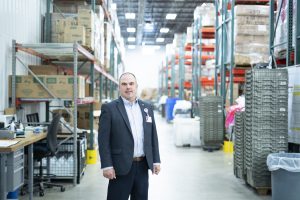
Brad Haupt, Vice President of Supply Chain and Contract Management, is used to getting phone calls when something is missing. What he wasn’t used to – until about three months ago – was having 1,200 products on back-order or facing an allocation limit.

“Over my 27-year career in supply chain, I’ve never seen anything like this,” he said. “These are unprecedented times for health care supply chain.”

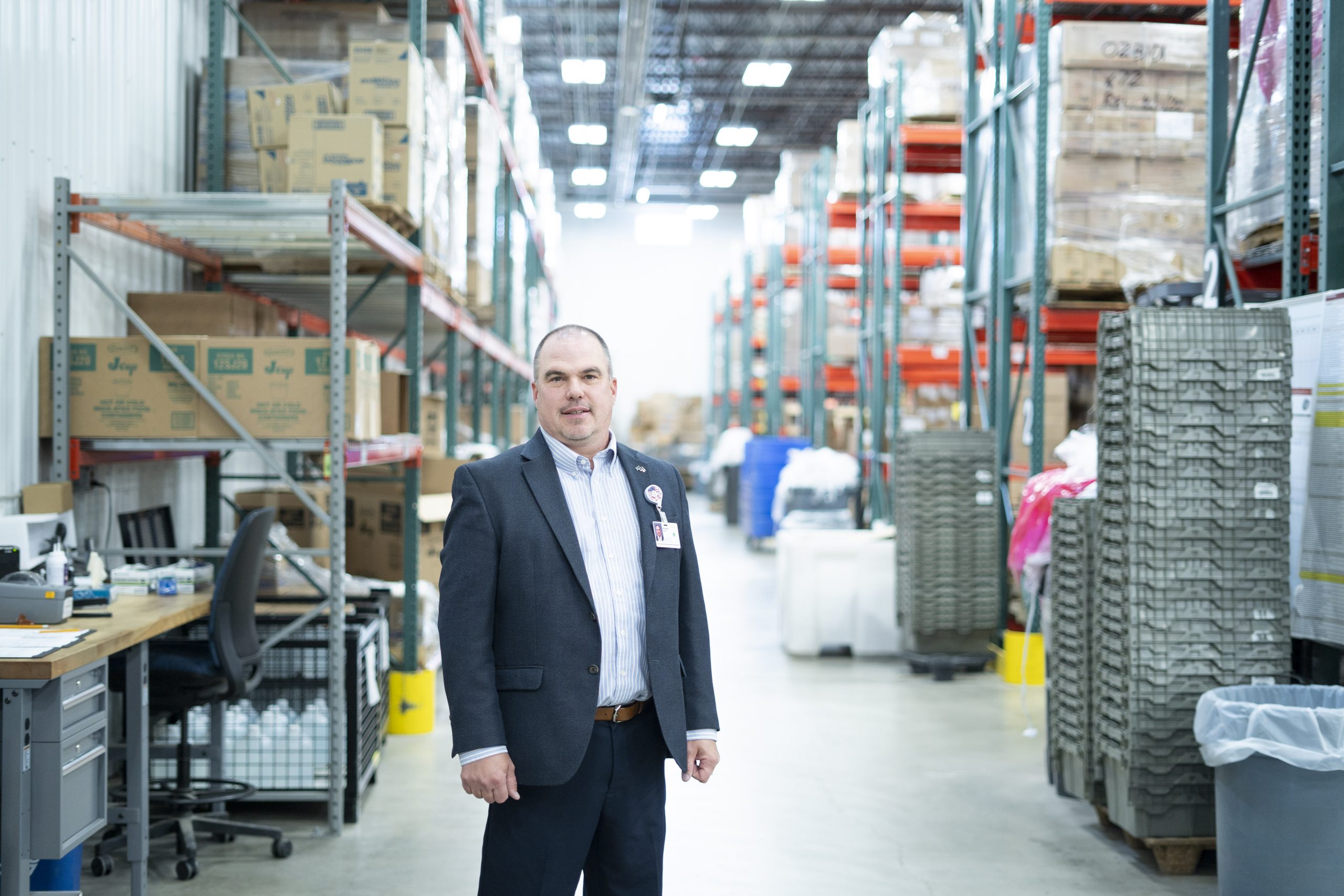
Brad Haupt, Vice President of Supply Chain and Contract Management, at Monument Health’s Distribution Center in Rapid City.


Manufacturing around the globe began facing major shortages long before the pandemic reached the United States, because most medical supplies and personal protective equipment (PPE) come from Asian countries, which of course were battling the COVID-19 crisis. So Brad’s team had to get creative early on when many suppliers began implementing “fair share” allocation processes. Many suppliers have calculated allocation amounts based on pre-COVID-19 utilization, so the supply chain has had to manually override automatic ordering systems to ensure Monument Health receives what they need.

Brad explains allocation using this example: If you normally buy 10 rolls of toilet paper per month, but you suddenly need more because you’re working from home, allocation allows you to purchase only 10 rolls per month. “So you need to either figure out how to make 10 rolls last, or find someone who is willing to sell you their toilet paper,” he said.

The decision to stop elective surgeries gave the supply chain a chance to catch up. “We continued to buy our allocation of products and build our inventory in preparation for a surge in patients,” Brad said. “A lot of work was done during that time. We were working overtime to bring in even more supplies and control our inventory.”

Caregivers in all areas of the supply chain, from laundry to transportation and in all markets, have been stepping up, taking extra shifts and working longer hours to make sure caregivers and providers at all locations have the supplies they need.

“Our operations and procurement caregivers are constantly vetting new suppliers and purchasing substitute products,” he said. “Face shields are a good example – right now there are 20 different styles being distributed across the system to make sure caregivers have the PPE they need.”

According to Brad, a huge motivating factor behind the hard work and long hours his team has been putting in is that they are helping the whole community – not just Monument Health. As a health care leader in our region, we vet suppliers and build relationships that have value for others who are suddenly facing their own supply challenges.

“Just the other day we were contacted by a local healthcare organization, and while we couldn’t provide the supplies they needed, we gave them contact information for several suppliers,” he said. “Later that day they called and thanked us and said they got what they needed.”

Thank you to our supply chain team for their dedication to not only Monument Health patients, caregivers and providers, but to others in the community who rely on our leadership.

Oasis rooms provide a respite for caregivers and physicians

Monument Health caregivers and physicians in all markets now have dedicated spaces to help them unwind while at work. Several relaxing oasis rooms have been set up as a part of the Physician and Caregiver Support Team’s first set of initiatives.

“The oasis rooms provide a safe, quiet retreat for our caregivers so they can decompress, which can help decrease compassion fatigue and burnout,” said Debbie Risser, Nurse Manager for Rapid City Hospital Emergency Services. “Providing these rooms helps express our gratitude to caregivers for the care they provide to others, and also supports their health and well-being.”

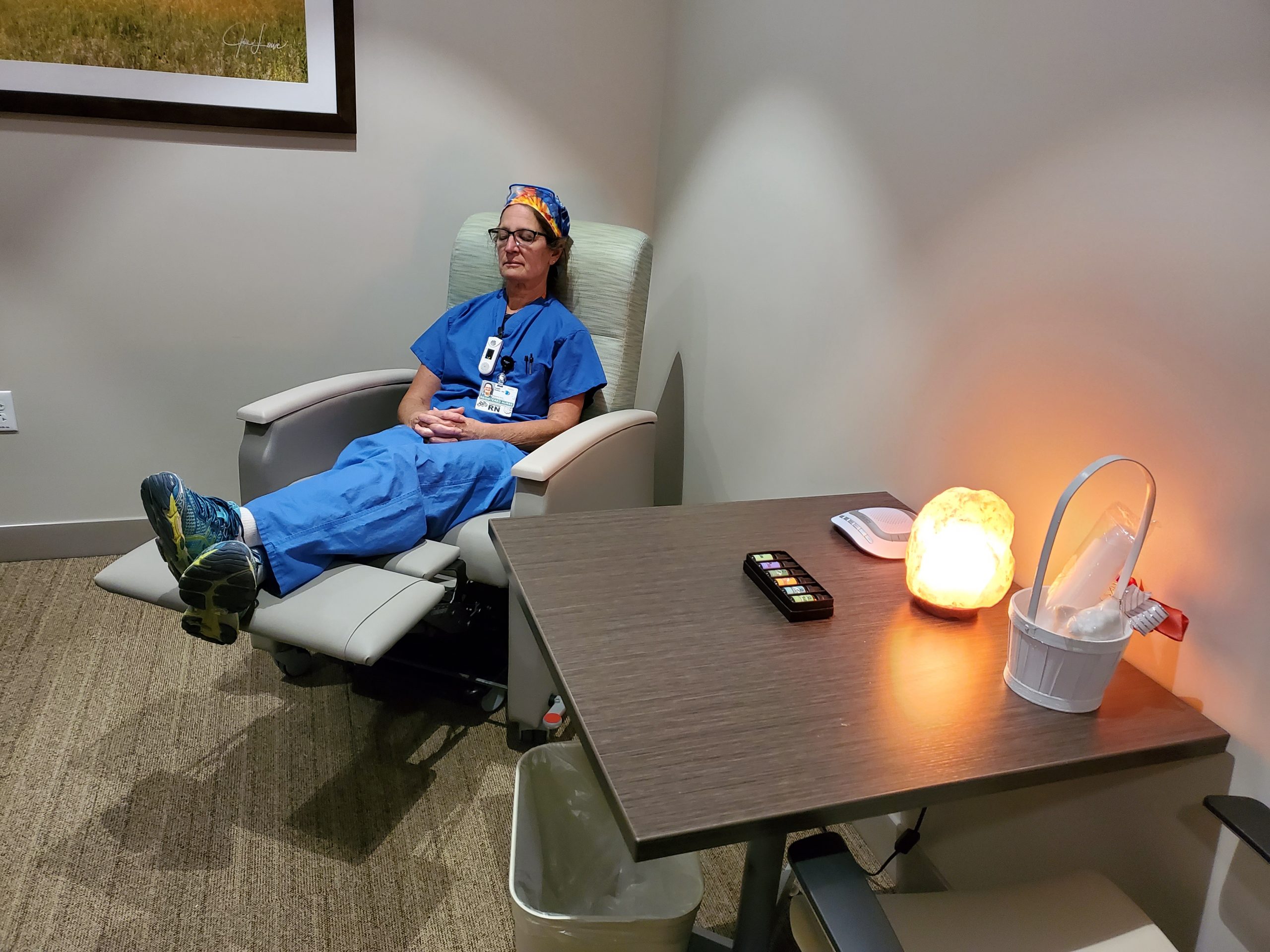
Leah Walker, Emergency Services nurse at Rapid City Hospital, relaxes in an oasis room.


Twelve rooms have been set up in strategic locations throughout the system, with seven at Rapid City Hospital and one in every other hospital. All caregivers and providers are welcome to use the rooms.

Equipped with comfortable seating, calming white noise machines, aromatherapy and dim lighting, the oasis rooms are optimized to give a restful experience for one or two caregivers at a time. The Monument Health Foundation helped purchase the equipment for the calming environments, and caregivers in each market helped design the rooms.

“The oasis room will be valuable to our caregivers because it’s not like other rooms here,” said Jenni James, Patient Access Specialist at Lead-Deadwood Hospital. “We wanted to create a space with a home-like feel, so caregivers can take a few minutes to escape the stresses of work or personal life.”

Priscilla Romkema, Ph.D., President of the Foundation, said the goal of the Physician and Caregiver Support Team is to launch efforts that will provide much-needed support during this critical time in health care. “We hope caregivers and providers will access these rooms during these challenging times and beyond,” she said.

Grace Wick, Patient Care Champion with the Heart and Vascular Unit at Rapid City Hospital, said the oasis rooms are a great way to get a breath of fresh air. “If I am ever feeling overwhelmed, it is wonderful to be able to go somewhere and disconnect or gather myself for even just a couple of minutes.”

In early April, the Physician and Caregiver Support Team conducted an informal inventory of existing support efforts at Monument Health, which included conversations with a number of physicians and caregivers.

Rare diagnosis leads to quick treatment, improved condition


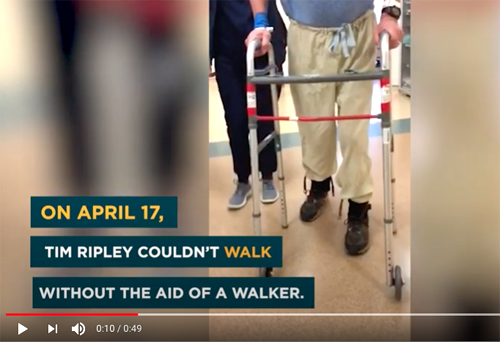
When Tim Ripley arrived at the Rapid City Hospital Emergency Department on April 17, he could not walk without assistance. The strength in his leg muscles had deteriorated after a pair of 2019 back surgeries, and by the time the Hot Springs ambulance brought him to Rapid City, his legs had almost no strength left.

In Rapid City, Neurologist Lien Diep, M.D., quickly recognized that Tim Ripley was suffering from chronic inflammatory demyelinating polyneuropathy (CIDP), an extremely rare neurological autoimmune disorder. After she ruled out other causes such as amyotrophic lateral sclerosis (ALS) or multiple sclerosis (MS), the doctor confirmed the CIDP diagnosis.

“I’ve been a nurse for a long time, doing this 40 years, and I’ve never even heard of this diagnosis before,” said Ripley, who is a Trauma Coordinator at Fall River Fall River Health Services Hospital.

“That’s because he’s not a neurology nurse – CIDP is very rare,” Dr. Diep said. CIDP often presents itself as a dull muscle ache and pain on both sides of the spine, she added, and the condition often gets diagnosed as a spinal problem. However, it is an autoimmune disease, closely related to Guillain-Barre syndrome. The body’s own immune system attacks the myelin sheath that protects nerve fibers. Fortunately, CIDP can be treated.

When Ripley’s diagnosis was confirmed, Dr. Deip ordered a procedure called total plasma exchange, sometimes called therapeutic plasma exchange. Over 10 days, his blood was taken from a vein in his neck and passed through an apheresis machine. The machine, much like those used in dialysis for kidney patients, filters out the plasma, replaces it with albumin and pumps the newly cleansed blood back into the patient’s body. The body will generate new plasma that hopefully won’t contain the antibodies that attack the nerves.

The improvement in Tim Ripley’s condition was striking. By the third TPE treatment, he was walking without canes or other assistance. After his fifth treatment, on April 29, Tim Ripley was headed home — under his own power.

Lead-Deadwood Hospital honors DAISY winners

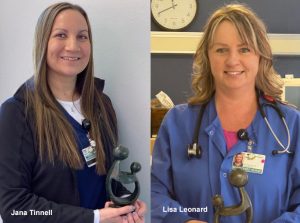
RAPID CITY, S.D. (May, 5, 2020) – Monument Health Lead-Deadwood Hospital announced its most recent DAISY Award winners are Jana Tinnell and Lisa Leonard. The DAISY Award for extraordinary nurses recognizes those who display dedication to the health and wellness of their patients. The Lead-Deadwood Market honors a nurse twice a year.

Tinnell, a nurse with the Medical/Surgical department, was nominated by a fellow caregiver who said Tinnell comforted her when her loved one was ill and dying. “I shared my fears with Jana, and she consoled and comforted me,” the nominator said. The night the nominator’s loved one passed, Jana stayed past her shift to comfort the family. “She was there for us all in so many ways,” the nominator said.

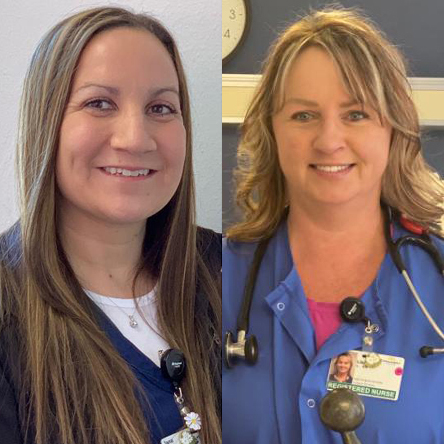
Leonard, Supervisor of Surgical Services, was nominated by a former patient who had trouble finding a ride home after she was discharged. Lisa arranged a ride for the patient. “It felt really good to have someone who cared if I got home or not,” the nominator said. “The next day Lisa called to check on me. Never have I ever had such a caring staff. As for Lisa, she needs more than five gold stars.”

The DAISY Award was established by the DAISY Foundation in California in memory of J. Patrick Barnes, who died at age 33 of an autoimmune disease. DAISY is an acronym for “diseases attacking the immune system.” The DAISY Award continues to recognize and celebrate the outstanding professionalism and compassion that nurses bring to patients and their families every day.

###

MEDIA CONTACT:
Stephany Chalberg
Public Relations Manager
Strategic Marketing and Communications
Regional Health

Respiratory Therapists train others, prepare for COVID surge

Most people likely aren’t familiar with what a respiratory therapist (RT) does unless she/he has been cared for by one. But as heart and lung specialists, these professionals are on the front lines when it comes to caring for COVID-19 patients.

“Many people think we’re nurses,” said Angie Haugen, Director of Respiratory Care. “It’s such a special skill to understand mechanical ventilation. It’s unlike any other health care profession.”

Right now, RTs and pulmonologists at Monument Health are preparing for a possible surge in patients requiring their expertise. They’re training other providers and working with departments across the organization to ensure for adequate resources, supplies and staffing.

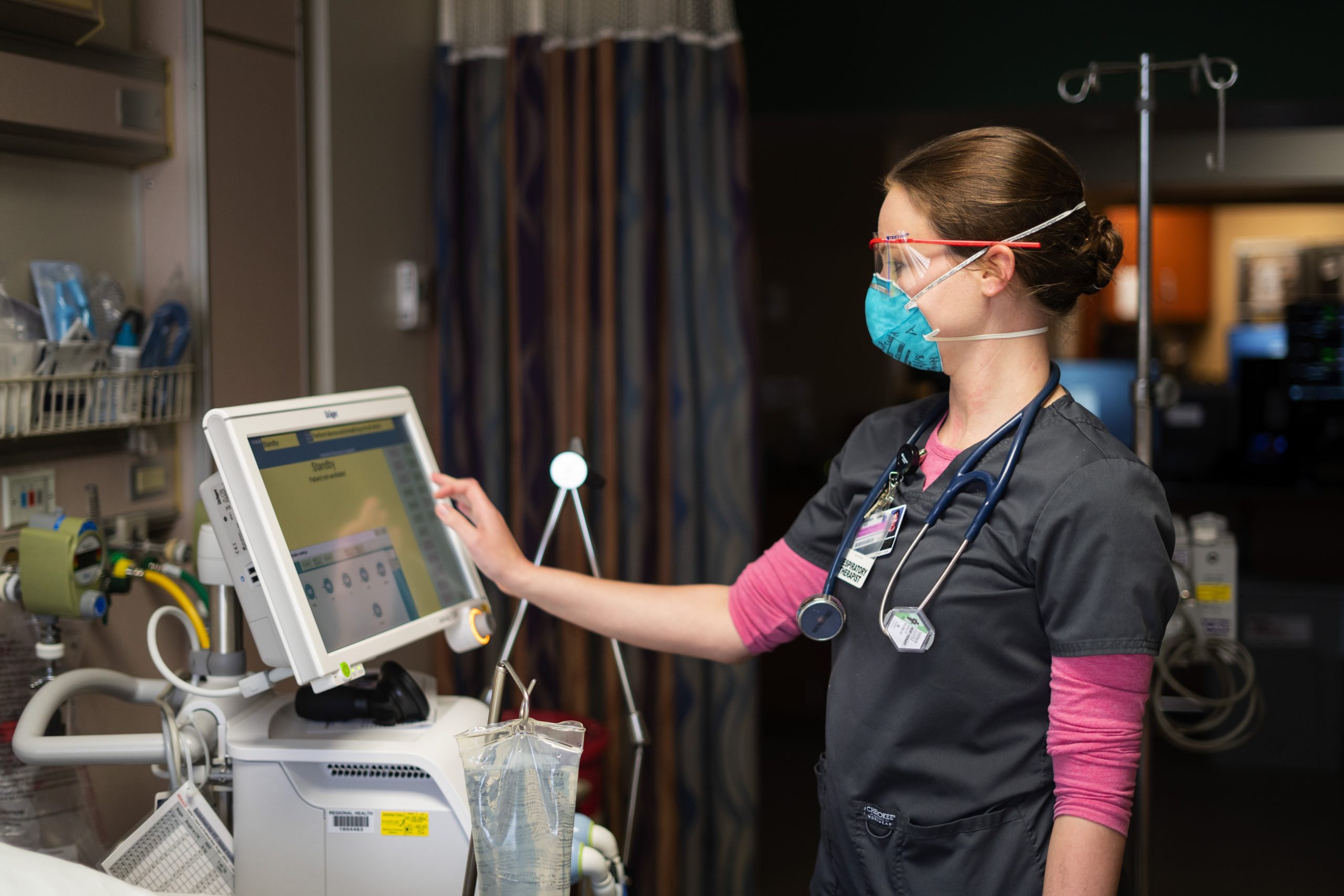
Above: Respiratory Therapist Shannon Lillevold works with a ventilator at Rapid City Hospital.


“We’re touching base with almost every department in the organization to prepare,” said Angie. “We’re fortunate to have more time to plan, as COVID-19 is hitting us later than other places. We’ve learned a lot from the other areas who have already been exposed.”

Monument Health has received a quantity of ventilators from South Dakota’s state stock pile, and RTs at Rapid City Hospital are running a skills lab to train other caregivers on using these machines and other critical equipment. RTs who don’t currently work in the inpatient setting, such as those in the Sleep Lab, at Home Medical Equipment or on the Epic team, are brushing up on their skills. Nurses and providers are also learning more about mechanical ventilation.

The department is in the process of getting temporary licenses for several students who are about to graduate from Dakota State University’s (DSU) Respiratory Care Program at Rapid City Hospital. Lacy Patnoe, director of the program, said the students have been very eager to help“They take great pride in the importance of their roles,” Lacy said. “It has also been a humbling experience to see the struggles other Respiratory Therapists are going through in some of the high census areas like New York.”

New guidelines and information are presented almost daily regarding care for COVID-19 patients, so the RT team has become skilled in staying up-to-date with the most current information. They’ve also modified rehabilitation for pulmonary rehabilitation patients so that they can complete rehab at home, decreasing their risk of exposure. Therefore, Angie said, discharge planning is very important right now.

Angie said she’s watched her team, which includes RTs in Rapid City, Spearfish and Sturgis, as well as all caregivers come together and step up to the challenge. “Everyone is willing to learn and to take the necessary time to understand the new guidelines,” she said. “All of frontline caregivers have been amazing.”