
Behavioral Health
At Monument Health Behavioral Health, we’re committed to making a difference every day by providing compassionate, evidence-based mental health care for children, adolescents, adults and older adults. Through inpatient services, outpatient clinics and Telehealth for eligible patients, we’re here to support individuals and families across the Black Hills and surrounding communities.
Choose the care that’s right for you:
Outpatient Behavioral Health
Medication management, psychiatric evaluations, therapy, counseling and ongoing support for children, adolescents, adults and families.
Inpatient Behavioral Health
24-hour psychiatric care for individuals experiencing acute mental health needs in a safe, supportive and healing environment.
2025 Signet Health Excellence in Advocacy Award Winner
Monument Health Behavioral Health Center won the Most Inspiring Acts of Advocacy Award as part of the 2025 Signet Health Excellence in Advocacy Awards. This recognition honors our team’s unwavering commitment to advocating for patients, caregivers and the broader community through compassion, innovation and action.

Conditions We Treat
Our Behavioral Health team provides evaluation, diagnosis and treatment for a wide range of mental health conditions, including:
- Postpartum depression
- Depression and mood disorders
- Anxiety disorders
- Post-traumatic stress disorder (PTSD)
- Obsessive-compulsive disorder (OCD)
- Bipolar disorder
- Schizophrenia and psychotic disorders
- Eating disorders: anorexia nervosa, bulimia nervosa, binge-eating disorder
- Attention-deficit/hyperactivity disorder (ADHD) and behavioral concerns in children and teens
- Grief and adjustment disorders
- Crisis stabilization
- Co-occurring conditions & more
Who We Serve
Whether you’re seeking care for yourself, your child or a loved one, Monument Health Behavioral Health is here to help. We provide compassionate inpatient and outpatient behavioral health services for children, adolescents, adults and older adults, with personalized treatment plans designed to meet each person’s unique needs and recovery goals.

Care for Children & Adolescents
Growing up comes with unique emotional, behavioral and social challenges. Our Behavioral Health team partners with children, teens and their families to provide compassionate care in a supportive environment. We work with families to address concerns that may be affecting a child’s emotional well-being, school performance, relationships or overall development.
Children and adolescents may benefit from behavioral health services if they are experiencing:
- Anxiety or excessive worry
- Depression or persistent sadness
- Difficulty concentrating or symptoms of ADHD
- Behavioral or emotional concerns
- School-related stress or declining academic performance
- Bullying or peer relationship challenges
- Family changes such as divorce, separation, or loss
- Trauma or significant life events
- Mood changes or emotional regulation difficulties
- Sleep concerns
- Social difficulties or withdrawal

Care for Adults
Life’s challenges can affect emotional well-being at any stage of adulthood. Whether you’re facing stress at work, relationship difficulties, anxiety, depression, grief or other mental health concerns, our team is here to help. We work with each patient to develop an individualized treatment plan that supports their goals and improves their overall quality of life.
Adults may benefit from behavioral health services if they are experiencing:
- Anxiety or panic attacks
- Depression
- Stress related to work or career
- Relationship or marital concerns
- Grief and loss
- Trauma or PTSD
- Mood changes
- Difficulty adjusting to life transitions
- Sleep disturbances
- Caregiver stress
- Chronic illness affecting emotional health
- Feelings of being overwhelmed or emotionally exhausted
Our goal is to provide compassionate, evidence-based care that empowers individuals and families to achieve lasting emotional wellness.

Military Members, Veterans and Military Families
We understand the unique challenges that can accompany military service, deployments, relocations, family transitions and reintegration. Our Behavioral Health team is committed to providing compassionate, confidential care for active-duty service members (as appropriate), veterans, military spouses and their families.

Behavioral Health Services for Native American Patients
We are committed to providing respectful, culturally responsive behavioral health care for American Indian patients and families. Our clinic serves individuals from communities across western South Dakota, including those from the region’s Tribal Nations.
We recognize the importance of working collaboratively with the Indian Health Service (IHS), Tribal health programs, and Urban Indian health organizations to help coordinate care when appropriate. If you receive services through IHS or a Tribal health program, our team can work with you to help facilitate referrals, communication, and continuity of care.
If you have questions about eligibility, referrals, or coordinating services with your Tribal health program or IHS, please contact our office. We are happy to assist you.
Why Monument Health
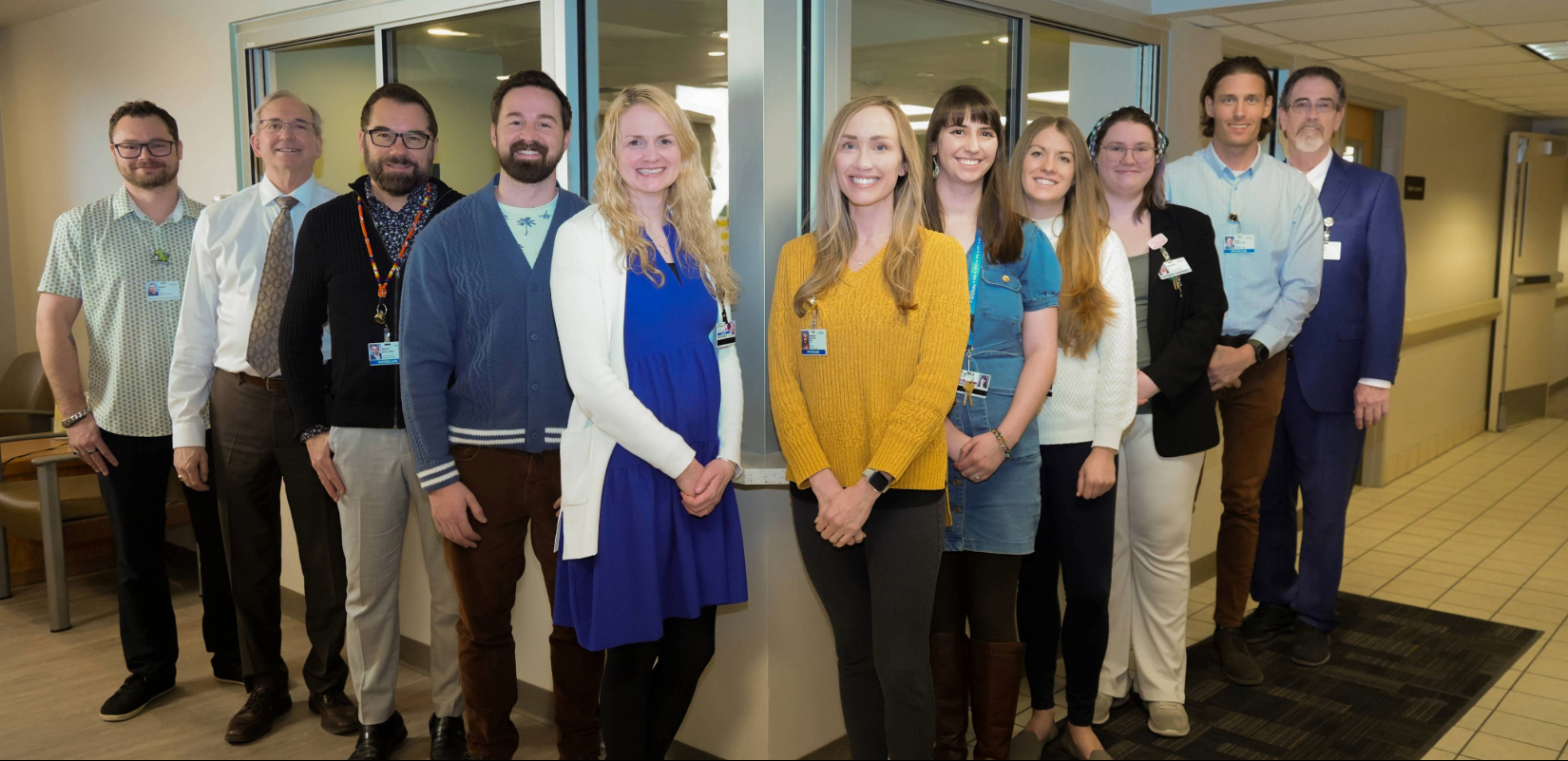
Monument Health has been a trusted part of the Black Hills for generations. Our Behavioral Health team works alongside primary care, neurology, social work and other specialists. We coordinate your full picture of health, because we know that mind and body are connected.As a Mayo Clinic Care Network member, our providers have access to specialized expertise and the latest evidence-based approaches in psychiatric care.
What should I do if I am experiencing a mental health emergency?
If you or someone you know is experiencing a mental health emergency, call 911, call or text 988, or go to your nearest Emergency Department immediately.
Seek emergency care if you or a loved one is:
- Having thoughts of suicide or self-harm
- Having thoughts of harming others
- Experiencing hallucinations or psychosis
- Unable to care for basic needs because of a mental health condition
- Experiencing severe emotional distress that cannot be safely managed at home
What is 988?
The 988 Suicide & Crisis Lifeline provides free, confidential support 24 hours a day, 7 days a week. Simply call or text 988 to connect with a trained crisis counselor.
What Behavioral Health services do you offer?
Monument Health Behavioral Health provides comprehensive mental health services for children, adolescents, adults, military members, veterans and families. Services include both inpatient and outpatient care, with treatment tailored to each patient’s individual needs.
How do I schedule an appointment?
You can schedule an outpatient appointment by calling our clinic at (605) 755-7200. Appointment availability varies by provider and specialty, and our scheduling team will help match you with the provider that best fits your needs.
Can I help a family member or loved one get treatment?
Yes. Family members, healthcare providers, schools and community organizations can encourage someone to seek care. If your loved one is reluctant to get help, continue offering support, encourage professional treatment and contact 988 or emergency services if you believe they are in immediate danger.
What is MyChart, and how can it help me?
MyChart is Monument Health’s secure online patient portal that allows you to:
- Request medication refills
- View, cancel or reschedule eligible appointments
- Send messages to your care team
- Access portions of your medical record
- Review visit summaries and test results
- Update your personal information
For many routine requests, MyChart is the fastest and most convenient way to manage your care.
How do I request medical records or communicate with my provider?
To request medical records, contact Monument Health’s Health Information Management department or call our front desk at (605) 755-7200 and select Option 6 to reach the Medical Records direct line. Established patients may communicate with their provider through MyChart, when appropriate, or by contacting their clinic directly.
Can my provider complete FMLA, disability or other paperwork?
Providers may complete medical forms when clinically appropriate. Depending on the request, an appointment may be required, and processing times may vary.
What rights and responsibilities do I have as a patient?
Patients have the right to receive safe, respectful, and confidential care, participate in treatment decisions and receive care without discrimination. Patients are also expected to provide accurate health information, participate in their care, follow safety guidelines and respect other patients, staff and hospital property.
Do you offer community education, presentations or partnership opportunities?
Yes. Our Behavioral Health team partners with schools, healthcare organizations, businesses, military units, faith-based organizations, nonprofits and community groups throughout western South Dakota and the Black Hills.
We offer:
- Educational presentations
- Mental health awareness events
- Community outreach
- Health fairs and resource events
- Partnership opportunities
- Volunteer and donation initiatives
To request a speaker, discuss a partnership or learn more about our services, please contact our Community Engagement Manager.
Contact Us
Call Us
Our friendly team is here to answer questions and connect you with the care you need. (605) 755-7200
Get Directions
Mon–Fri, 8 a.m. to 5 p.m., by appointment only.
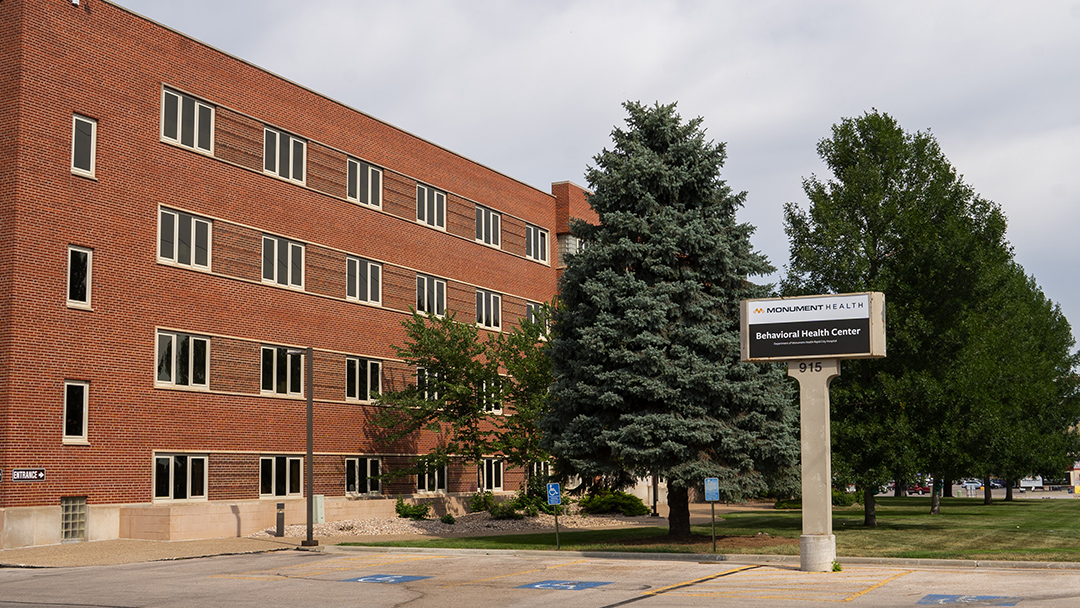
Monument Health Behavioral Health Center915 Mountain View Road
Rapid City, SD 57702

Find a Provider
At Monument Health, you’ll receive expert care from a comprehensive team of healthcare providers and specialists. Our providers diagnose, treat and manage a wide range of health conditions and concerns. Find a provider who can help you understand your options and build a care plan around your individual needs.
The 988 Suicide & Crisis Lifeline provides free and confidential emotional support to people in suicidal crisis or emotional distress 24 hours a day, 7 days a week, across the United States and its territories. The 988 Lifeline is comprised of a national network of over 200 local crisis centers, combining local care and resources with national standards and best practices.
Call: 1-800-448-3000
Text: Text VOICE to 20121.
Text with a counselor for free with the following carriers: AT&T, Verizon, T-Mobile, Sprint, Virgin, Cricket, Nextel, Boost, MetroPCS. (Standard message & data rates may apply for other carriers)
Education, advocacy, and support for those affected by suicide.
A place where LGBTQ youth and their allies can find answers to frequently asked questions, and explore resources related to sexual orientation, gender identity and more.
Call: 1-866-488-7386
Text: Text START to 678678
Call or text 1-800-RUNAWAY (1-800-786-2929)
National mental health and substance use resources.
Take a Mental Health Test
Online screening is one of the quickest and easiest ways to determine whether you are experiencing symptoms of a mental health condition.
Click here to take a mental health test
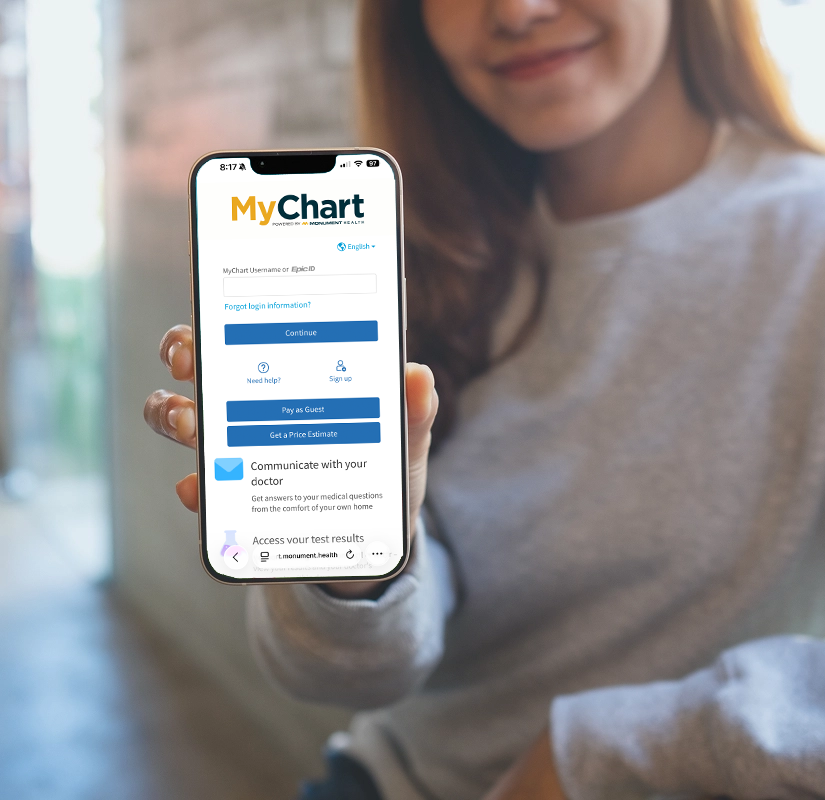
Take Control of Your Health with MyChart
View test results, message your care team, schedule appointments, refill prescriptions, and access your records in one secure place.
Sign up today to manage your health anytime, anywhere.
More From Monument Health

Flu vaccine clinics scheduled at Hot Springs Clinic
September 30, 2026

Community Ambassador: Judy Youngbluth, Hot Springs
September 15, 2026
