
Advanced Heart Failure Treatment
Monument Health Heart & Vascular Institute
Advanced heart failure is the most severe stage of heart failure, when the heart cannot pump enough blood to meet the body’s needs and symptoms may occur even at rest. While it is a chronic condition, specialized care can help manage symptoms and improve quality of life.
The Monument Health Heart & Vascular Institute provides advanced heart failure care for patients across western South Dakota and the surrounding region, using medications, cardiac devices, remote monitoring, and other advanced therapies when needed.
Nationally Recognized as a Leader in the Care of Heart Failure
What is advanced heart failure?
Advanced heart failure is the most severe stage of heart failure, sometimes called Stage D heart failure. At this stage, the heart cannot pump blood efficiently enough to supply the body with oxygen and nutrients.
People with advanced heart failure often continue to experience symptoms even after receiving standard treatments such as medications and lifestyle changes. Specialized care may be needed to manage symptoms, reduce hospitalizations, and evaluate advanced treatment options.
Heart failure does not mean the heart has stopped working. Instead, it means the heart cannot pump blood as effectively as it should.

Symptoms of Advanced Heart Failure
Symptoms occur when the heart cannot pump blood effectively and fluid begins to build up in the lungs and body.
Common symptoms include:
- shortness of breath during activity or while resting
- swelling in the legs, ankles, feet, or abdomen
- fatigue and weakness
- rapid weight gain caused by fluid retention
- difficulty lying flat due to breathing problems
- persistent cough or wheezing
- Because symptoms can change over time, monitoring them carefully is an important part of managing heart failure.

Treatment Options for Advanced Heart Failure
Treatment for advanced heart failure focuses on improving heart function, reducing symptoms, and preventing hospitalizations. Many patients benefit from a combination of medications, lifestyle changes, and specialized therapies.
Treatment plans are personalized and may include:
- heart failure medications
- implantable cardiac devices
- remote monitoring technologies
- advanced therapies when necessary

Medications Used to Treat Heart Failure
Several types of medications help the heart pump more effectively and reduce fluid buildup in the body. These medications work together to improve heart function and reduce strain on the heart.
Common medication groups include:
- ARNI, ACE inhibitors, ARB
- beta blockers
- aldosterone blockers
- SGLT2 inhibitors
- diuretics (water pills)
- vasodilators
Taking medications exactly as prescribed is one of the most important parts of heart failure treatment.
Heart Failure Devices and Monitoring
Some patients with advanced heart failure benefit from specialized medical devices that help the heart function more effectively or allow doctors to monitor their condition more closely.
These technologies may include:
- Implantable Cardioverter Defibrillators (ICDs) — Devices that continuously monitor heart rhythm and deliver treatment if dangerous rhythms occur.
- Cardiac Resynchronization Therapy (CRT) — Devices that help the right and left sides of the heart pump together more efficiently.
- CardioMEMS™ Heart Failure Monitoring System — A small implanted sensor that allows doctors to remotely monitor pressure in the heart and detect fluid buildup before symptoms worsen.
These technologies can help reduce hospitalizations and support more proactive, long-term heart failure management.
Explore Devices & Monitoring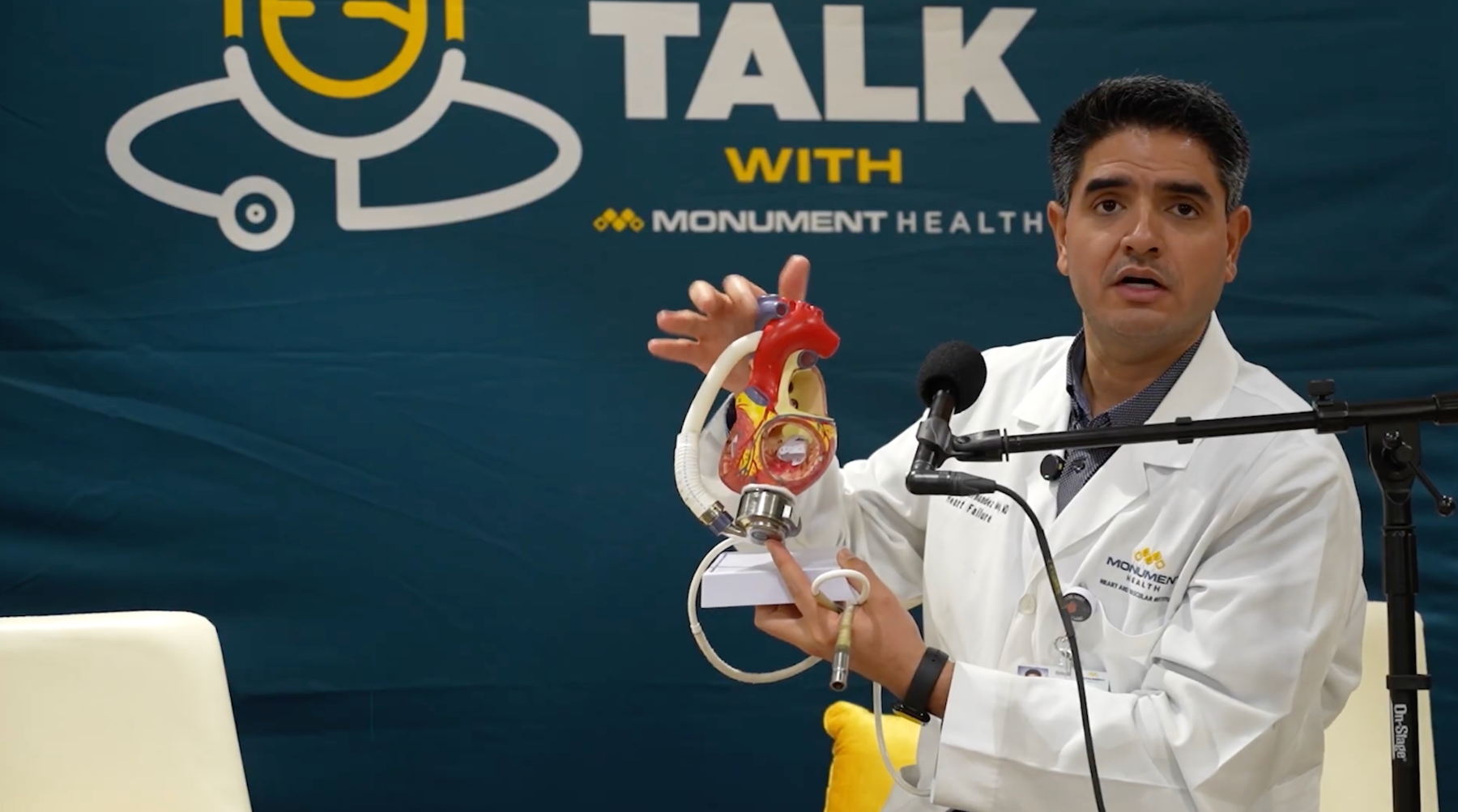


Schedule an Appointment
If you or a loved one has been diagnosed with advanced heart failure, the Monument Health Heart & Vascular Institute can help.Schedule an appointment with our heart failure specialists to discuss your symptoms, treatment options, and personalized care plan.

Download the Heart Failure Patient Education Guide
For more detailed information about heart failure symptoms, medications, lifestyle management, and monitoring, download our Heart Failure Patient Education Guide.This guide includes practical tips for managing heart failure and working with your healthcare team.

Find a Provider
At Monument Health, you’ll receive expert care from a comprehensive team of healthcare providers and specialists. Our providers diagnose, treat and manage a wide range of health conditions and concerns. Find a provider who can help you understand your options and build a care plan around your individual needs.
Q: What is heart failure?
A: Heart failure doesn’t mean your heart has failed. It means that your heart can’t pump properly, so it cannot meet your body’s need for blood and oxygen. Your heart is failing to meet your body’s needs for blood and oxygen. Heart failure is not the same as having a heart attack. However, a heart attack can be a cause of heart failure.
Q: What are the common symptoms of heart failure?
A: Common symptoms include:
- shortness of breath during activity or while resting
- swelling in the legs, ankles, feet, or abdomen
- fatigue and weakness
- rapid weight gain caused by fluid retention
- difficulty lying flat due to breathing problems
- persistent cough or wheezing
- Because symptoms can change over time, monitoring them carefully is an important part of managing heart failure.
Q: When should I see a doctor about heart failure symptoms?
A: These signs mean heart failure is worsening, and you need to call your physician or 911:
- Frequent dry, hacking cough
- Worsening shortness of breath with activity or rest
- Increase discomfort or swelling in the lower body
- Sudden weight gain or more than 2-3 lbs. in a 24-hour period (or 5 lbs. in a week)
- New or worsening dizziness, confusion, sadness or depression
- Loss of appetite
- Discomfort or swelling in the abdomen
- Increase trouble sleeping; cannot lie flat
Q: How is heart failure diagnosed?
A: Heart failure is typically diagnosed through a combination of a physical exam, blood tests, an electrocardiogram (ECG) and an echocardiogram.
Q: How is heart failure treated?
A: Treatment for advanced heart failure focuses on improving heart function, reducing symptoms, and preventing hospitalizations. Many patients benefit from a combination of medications, lifestyle changes, and specialized therapies.
Treatment plans are personalized and may include:
- heart failure medications
- implantable cardiac devices
- remote monitoring technologies
- advanced therapies when necessary