 Doctor Profiles
Ask the Doc: Stephanie Bennington, D.O.
Published August 2026 in Summer 2026
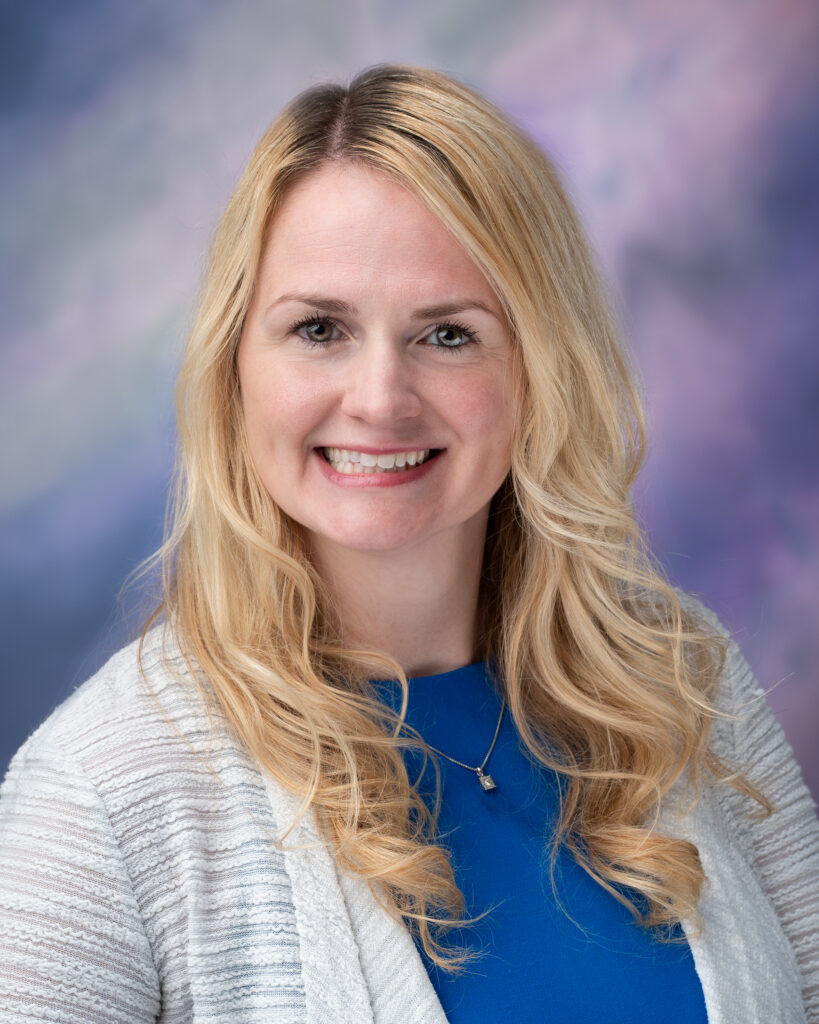
Dr. Bennington is a board-certified Psychiatrist at Behavioral Health in Rapid City.
She completed her Psychiatry Residency at Creighton University in Omaha and attained a Doctor of Osteopathic Medicine from A.T. Still University-Kirksville College of Osteopathic Medicine in Kirksville, Missouri. Prior to that, Dr. Bennington received a Master of Arts in Medical Science from Boston University School of Medicine and a Bachelor of Science in Psychology from University of Nebraska-Lincoln. She joined Monument Health in the fall of 2025.
What is your primary area of interest as a psychiatrist?
I treat patients of all ages. I won’t start treatment until about five years old. I do assessments and diagnosis for schools to get a student on an Individualized Education Plan or a 504 plan. I do a comprehensive evaluation and I help them walk through all the steps because the school doesn’t necessarily give them a clear path. So, I give them all the proper documentation to be able to get those services. And then usually it’s pretty streamlined from there.
If the kids are struggling or having behavioral issues at school, something needs to change or intervention needs to be in place. If I can help get them on a 504 or an IEP, it protects the child and allows them to have access to the standard education in public schools. Any time we can get these kids to have the services that will help make the burden just a little bit easier of having that diagnosis, it decreases the risk of depression, anxiety, potential suicidality and helps them to advocate for themselves later in life and be able to get those services if they ever need it, like in the workplace.
What is your opinion about people turning to the internet for answers about mental health struggles?
This gets brought up quite a bit. Everybody will go to the internet. Recommending a patient not do it is just going to create secrecy in the dialog. So, I always
say, ‘Absolutely go to the internet. Look it up if it makes you feel comfortable to either get validation or an understanding. Not for self-diagnosing. Bring it into the appointment and ask that question and let’s have a discussion.’
I always start with patients by telling them that I won’t give a diagnosis if I’m not clear in that diagnosis. The thing I advocate for is validating the behavior,
not necessarily the diagnosis, because I want more clarity and information. I’ll keep asking questions and just getting to know somebody. Then we can figure out what’s going on and get the best treatment in place.
Can the stigma of mental health treatment be broken if more people seek help?
Whatever stigma is out there in society typically goes away the moment a patient actually feels comfortable to be here. It’s all about how they feel at the end of the appointment and if they typically return after that.
If they don’t want to just call and make an appointment at Behavioral Health, they can go to their primary care physician first and ask if they could fill out an assessment for the patient. But the best place to start is primary care, and if criteria are met based on the checklist, that’s when they could contact me.
If your thoughts, emotions or behaviors are interfering with your daily life – relationships, work, sleep or physical health – it may be time to talk with a professional.
You don’t need to be in crisis to reach out. Early support often leads to better outcomes. Although most of our patients are referred to us, you do not need a referral.
Dr. Bennington is joined by Chaston Ellis, D.O., Mark Garry, M.D., Harry Hamlyn, M.D., Kyle Siefers, D.O. and Heather Spain, M.D., at Behavioral Health Center. Call 605-755-7200 or visit monument.health/behavioralhealth to learn more and get started.